School Roofing in Bryan, TX
Hail can leave a school roof with scattered impact points, opened seams or damaged edge details while classrooms below remain in use. The April 8, 2021 hail report is a dated maintenance reference for Bryan-College Station roofs, with sizes reported up to 2.75 inches. We compare the building's own records with a walk of the reported roof zones before setting repair scope. We map the affected roof areas, check drains and transitions, and agree with the school representative on access and the work window before proposing a repair or larger scope. A commercial roof inspection gives the team a marked record for that decision.
Operations: Keep occupied areas in the sequence
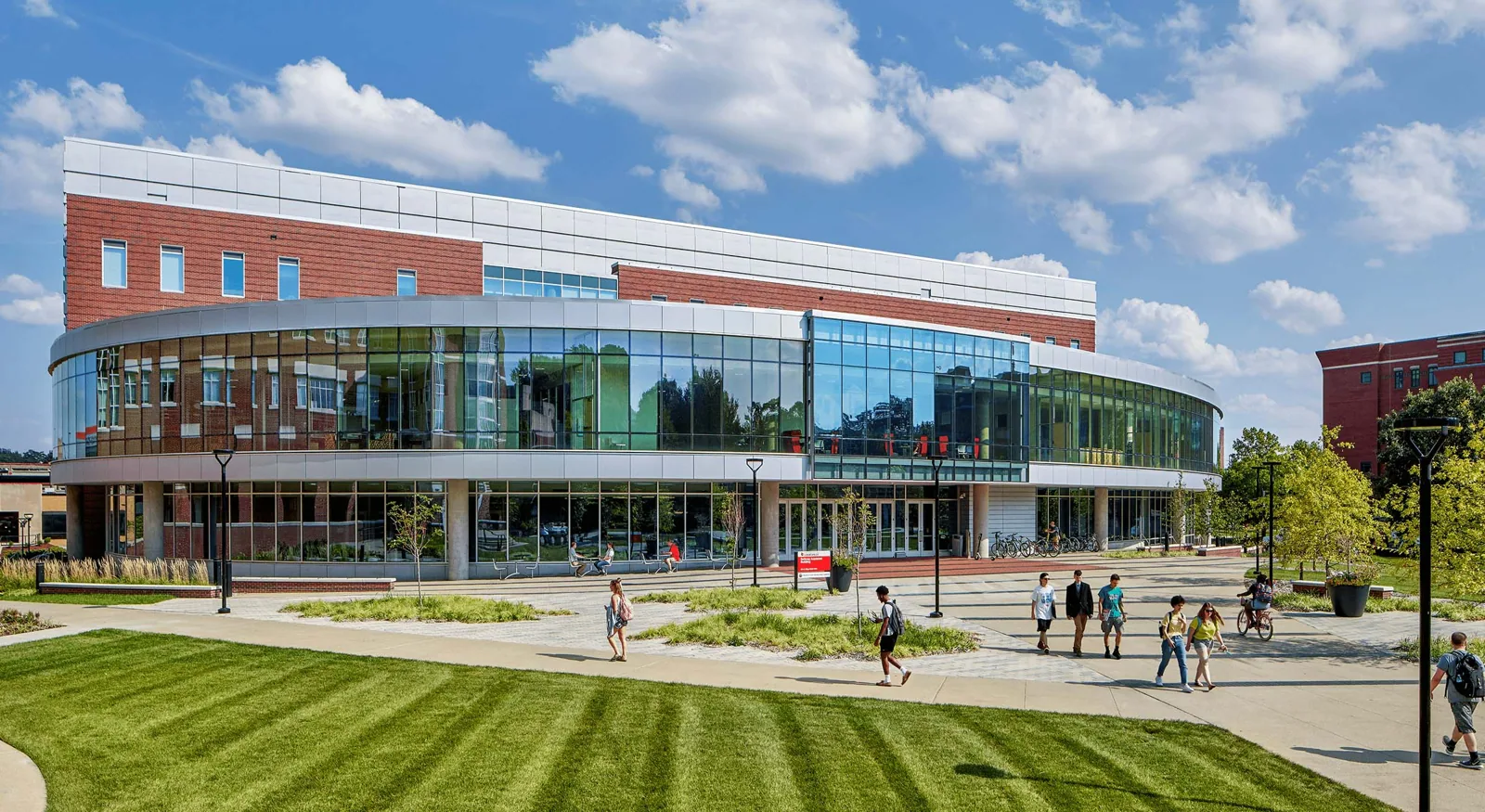
A school schedule changes when a roof can be opened, where materials can be staged and which entrances must stay available. We ask the facilities contact to identify occupied wings, testing periods, arrival and dismissal windows, deliveries and any rooms that cannot tolerate noise or odor. The work plan then assigns roof zones to a shift and names the secure stopping point. For this building, the facilities contact identifies occupied wings, roof entry and the operating windows available for the inspection. A college or university roof review may involve a different set of building contacts, while the same need for a defined handoff applies. A phased reroof sequence can keep removal, tie-ins and daily dry-in tied to the agreed calendar.
Separate the crew path from student and staff circulation before equipment arrives. A roof hatch, ladder or lift may be technically reachable while the route below crosses a bus lane or active entrance. The facilities lead can identify a delivery path, lockout requirements and the person who can approve a temporary change. We put those constraints beside the roof zones, then check the day’s forecast before opening a section.
Findings: Separate impact from a roof-wide decision
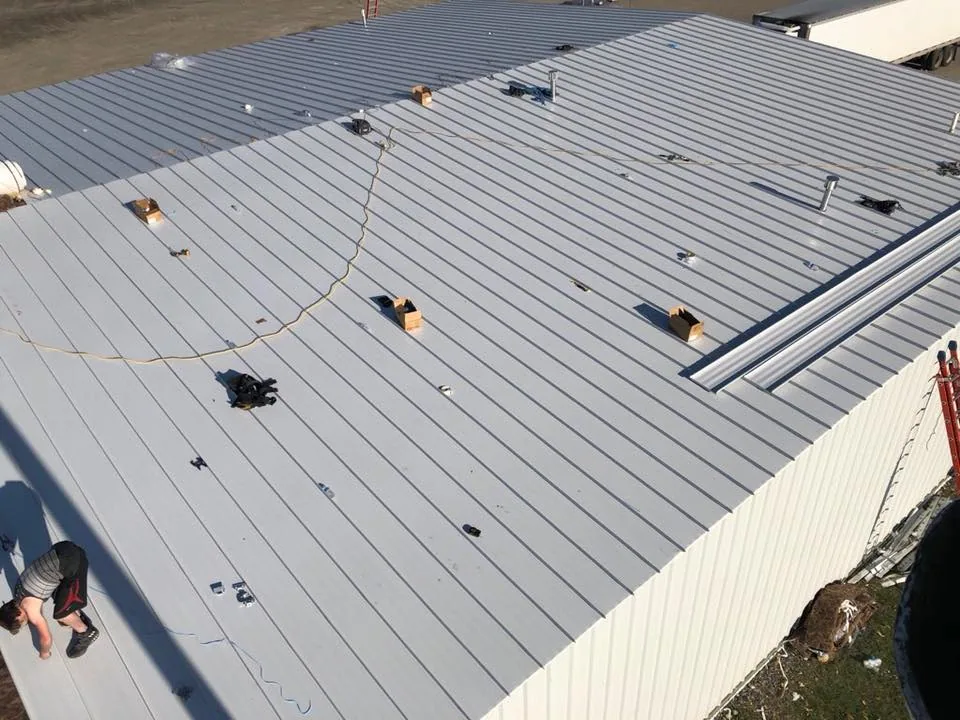
On the first walk, we record membrane punctures, displaced flashings, loose edge metal, open laps and any interior report that can be tied to a roof zone. Hail marks on rooftop equipment or metal components need their own description; they do not automatically establish failure of the field membrane. We compare visible conditions with moisture indicators and the assembly information available to the owner. If a roof opening or approved test is warranted, we define its location and restoration step before work begins. A hail-damage assessment can identify what is confirmed, what remains uncertain and what finding would expand the repair boundary.
Record the wing and roof level with each finding. A curb puncture, loose termination and wet ceiling tile are separate observations even if they share one work order. We photograph the detail and compare it with nearby seams and drains. If the cause is not visible, the owner can approve a defined test before a broad replacement is priced. The report states what was seen and what still needs checking.
Drainage: Trace water to its outlet
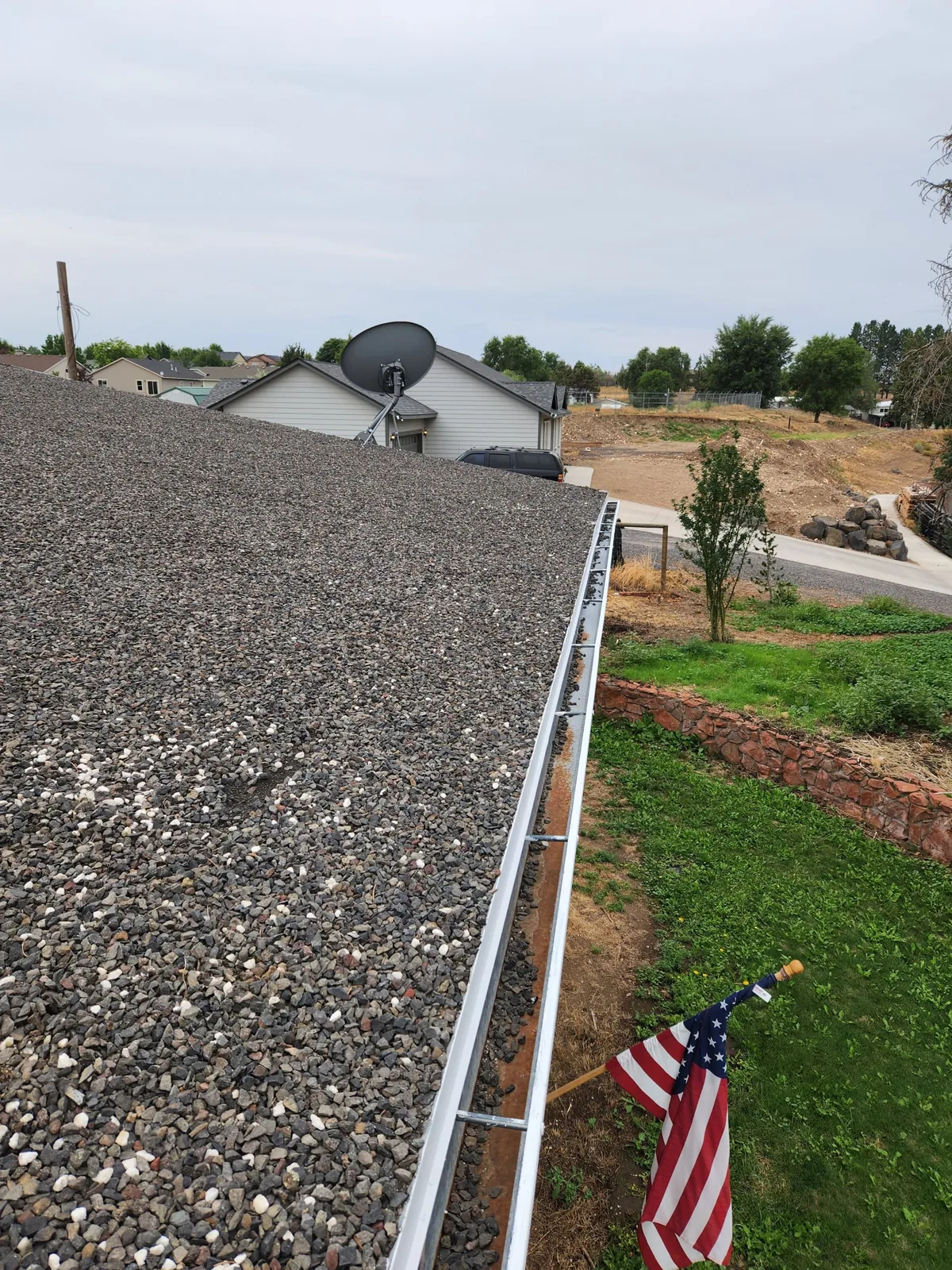
School roofs often carry several slopes, parapets, drains, scuppers and equipment curbs across connected wings. We follow the water path to each outlet and note ponding, debris, open flashing or a low area that needs further review. Interior stains help locate a concern, but water can travel before it appears on a ceiling, so the roof record should connect the report to the closest seam, penetration or drain detail. A drain and scupper review can separate a maintenance item from a membrane or slope issue. We mark the area on a roof sketch so the next visit can compare the same point.
Check parapet corners, expansion joints and roof-to-wall flashing where elevations change. Residue, displaced flashing or water remaining after adjacent areas clear can point to a detail that needs closer review. A blocked outlet may call for maintenance; recurring ponding can put slope and insulation into the investigation. We attach each choice to its roof section instead of combining unrelated areas.
Trade sequence: Set the roof opening and tie-in
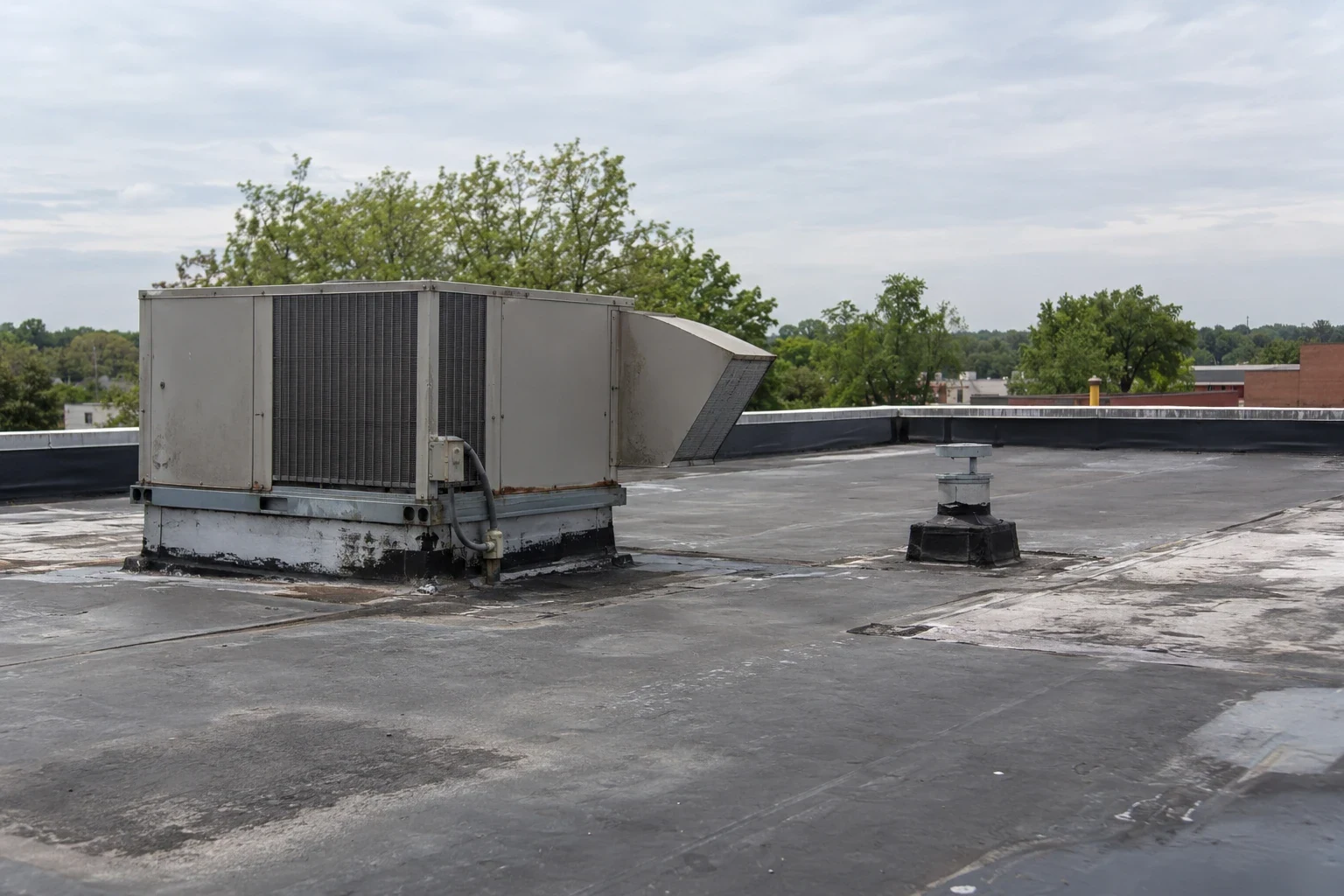
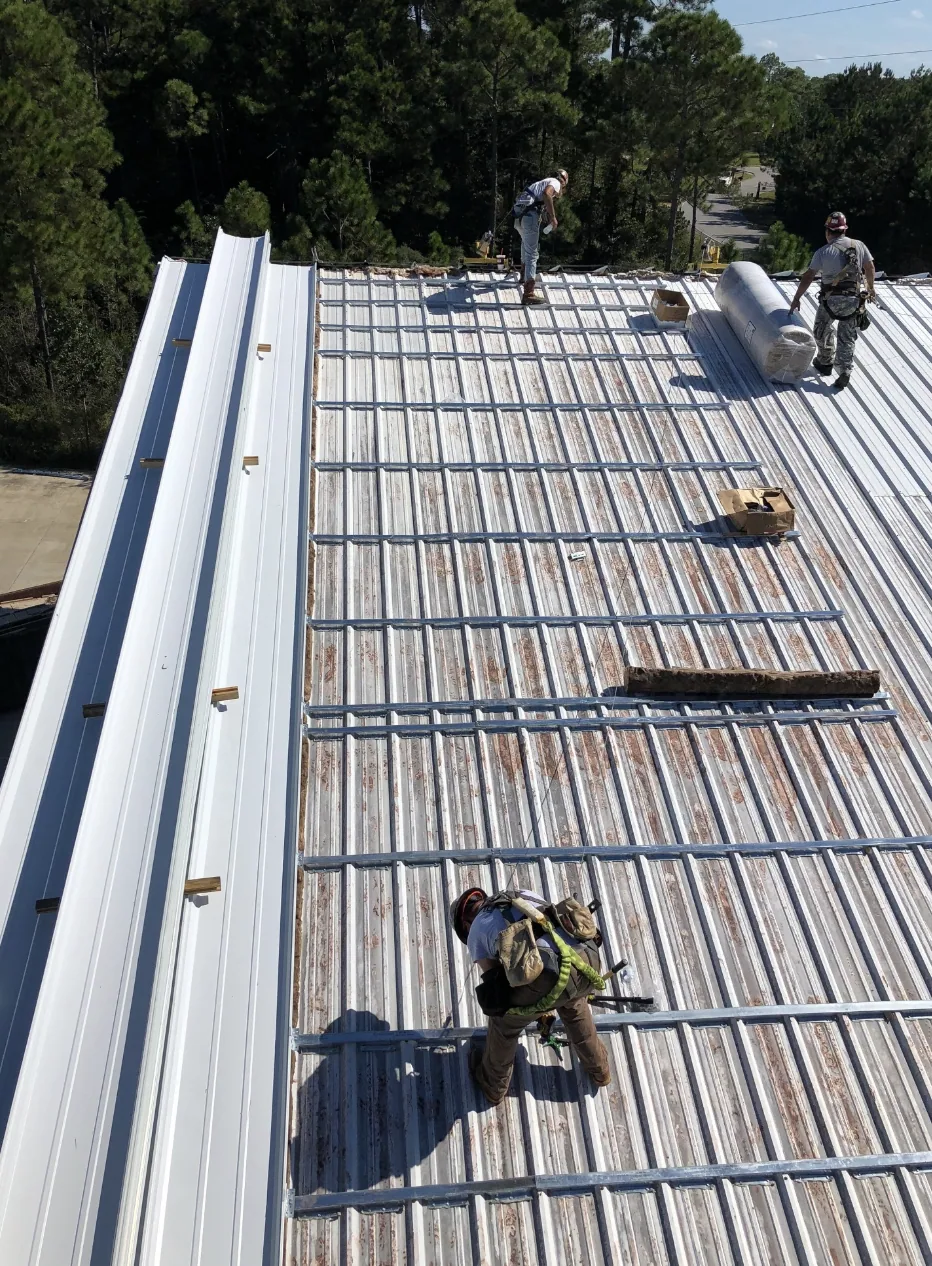
Mechanical, electrical and solar work can meet the roofing scope at curbs, conduit supports and new penetrations. Before cutting or covering a transition, we confirm which trade owns the equipment connection, who approves the flashing detail and when the surface can be handed back. If removal exposes wet insulation or a damaged deck, the superintendent gets a location and proposed next step before the opening grows. A curb and support review can identify the interface that needs coordination. When replacement is under consideration, a replacement scope separates roofing work from equipment and interior repairs.
Roof penetrations need a trade handoff that is specific enough to close the opening properly. The general contractor identifies the equipment installer, confirms when the support is fixed in place and sets who approves a change to the curb. We can then sequence membrane work, flashing and inspection without covering an unfinished connection. For an administrative wing that operates separately from classrooms, office-building roof planning can help frame equipment and access coordination. The superintendent receives a daily summary of open areas, completed tie-ins and any condition that needs an owner decision before the next shift proceeds.
Permit and closeout: Preserve the inspection record
For school projects that replace roof finishes inside Bryan, place the contractor’s permit and the required final city inspection on the district’s turnover calendar. The development-services portal accepts applications and makes inspection appointments and results available online. We log roof zones, installed materials, flashing transitions and open maintenance items at closeout, so the district can match records to each building during future planning. A photo-supported condition report keeps the inspection findings with the approved scope.
Frequently Asked Questions
Can classes continue during roof work?
Often, if access, noise and roof openings are divided into agreed zones. We compare the school calendar with the dry-in sequence and identify which areas need a quieter shift or a temporary exclusion below.
Can a regional hail event show the condition of a school roof?
We compare the event date with maintenance history, then inspect the school's membrane, flashing and roof zones before specifying a repair.
What should the first inspection cover?
We start with the reported rooms, then trace likely water paths on the roof. The record notes seams, penetrations, edge conditions, drains and any test area that could change the repair boundary.
Who coordinates the permit for replacement in Bryan?
For roof-finish replacement in Bryan, the roofer files for a city permit and the project proceeds through a final inspection. We place both milestones beside classroom turnover and confirm the work scope before submitting.
How do you handle damage found after tear-off starts?
The foreman identifies the roof zone, photographs the exposed condition and pauses at a secure stopping point. The district reviews the added scope before the opening is extended.
Budget timing: Compare the alternatives
Cost and duration depend on the assembly, tear-off depth, hidden wet insulation, deck repairs, edge details, staging and how many shifts can work without disrupting school use. We show those drivers separately and identify what could change after an authorized opening. A contained repair may preserve service when surrounding materials remain sound; widespread wet areas or recurring failures can support a replacement study. The inspection findings and the school calendar control the sequence.
Compare bid options by what they include: removal depth, insulation replacement, deck allowance, perimeter details, tie-ins and protection inside the occupied area. If the owner asks for alternates, describe the condition that would make each one appropriate rather than presenting coating, recover and tear-off as interchangeable. Bryan has identified both Texas Avenue and South College for corridor revitalization; a school project near the Texas Avenue corridor confirms bus and delivery routes with the property contact before staging, and the estimate names the roof work and any separate trade handoff.
Set a school roof work window
Share the building use, reported roof condition and calendar constraints. We can arrange a walk, mark the repair boundary and coordinate the next roofing task with facilities and construction staff.