Home / Roof Systems /
Modified Bitumen Commercial Roofing in Bryan, TX
An open lap, a worn drain connection or damaged surfacing can require different repairs on a modified bitumen roof, even when each appears near the same leak area. In Bryan, we inspect the surface, seams, flashing and underlying assembly before choosing repair, recover or replacement for a modified bitumen roof. The system uses asphalt-based plies, and its installation method affects staging, fire controls, work windows and how the roof ties into existing details. Those items belong in the scope before a crew is on the deck.
Downtown Bryan has restaurants, shops and art galleries; buildings in Bryan Business Park also need a roof-work schedule based on their own occupants and access conditions. The buildings and operating needs differ, so the roof walk must establish access, roof sections and any active trade work. The April 8, 2021 storm brought significant hail to the Bryan-College Station area. After a storm concern, we document visible conditions at the property, check vulnerable details and separate weather-related observations from older wear before setting the next roofing task.
Ply construction: Understand what is already installed
Modified bitumen assemblies use reinforced asphalt sheets in one or more plies, with a surfacing selected for the system design. SBS and APP are different modifiers with product-specific properties and installation requirements. We identify the existing assembly from field observations and available records before specifying work. A built-up roof also uses multiple plies but is constructed differently; a single-ply EPDM system has a different seam and flashing approach.
The project scope must account for the deck, insulation, slope, attachment, existing layers and concealed moisture. A roof that has several repair generations may need selected openings before a recover is considered. We note where information is incomplete and identify which test or design review could resolve it. A commercial roof inspection maps what is visible and helps the general contractor understand whether the bid covers a repair boundary, a defined section or a complete replacement.
Installation method: Sequence each hot-work area
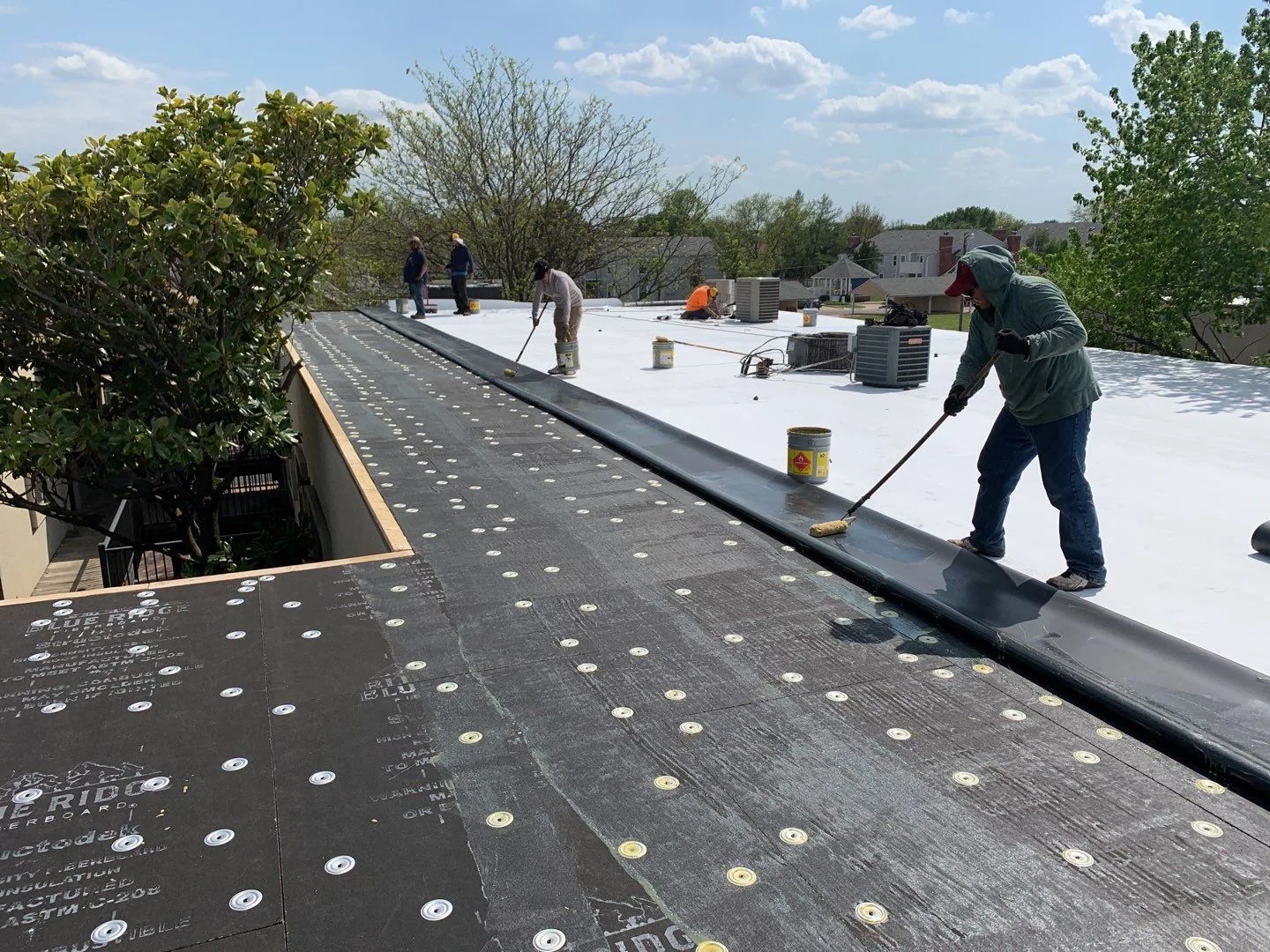
Modified bitumen can be installed using different methods, including torch application, hot asphalt or cold adhesives, depending on the specified system. The selected method controls material staging, ventilation, ignition precautions, crew access and fire-watch requirements. We follow the product instructions and project controls for the chosen assembly. Where torch work is specified, the work plan identifies nearby combustibles and the inspection steps required before the crew moves to another section.
Roof exposure cannot be left open while plies are being prepared. We stage rolls and equipment, set limits for the open area and establish a secure tie-in for each work period. A change in wind, moisture or substrate condition can affect the plan, so the supervisor checks field conditions before application continues. For an occupied property, a phased reroof sequence can coordinate access and temporary protection with building use, rather than sending roofing work and other trades into the same area without a handoff.
Laps and flashing: Keep the roof continuous
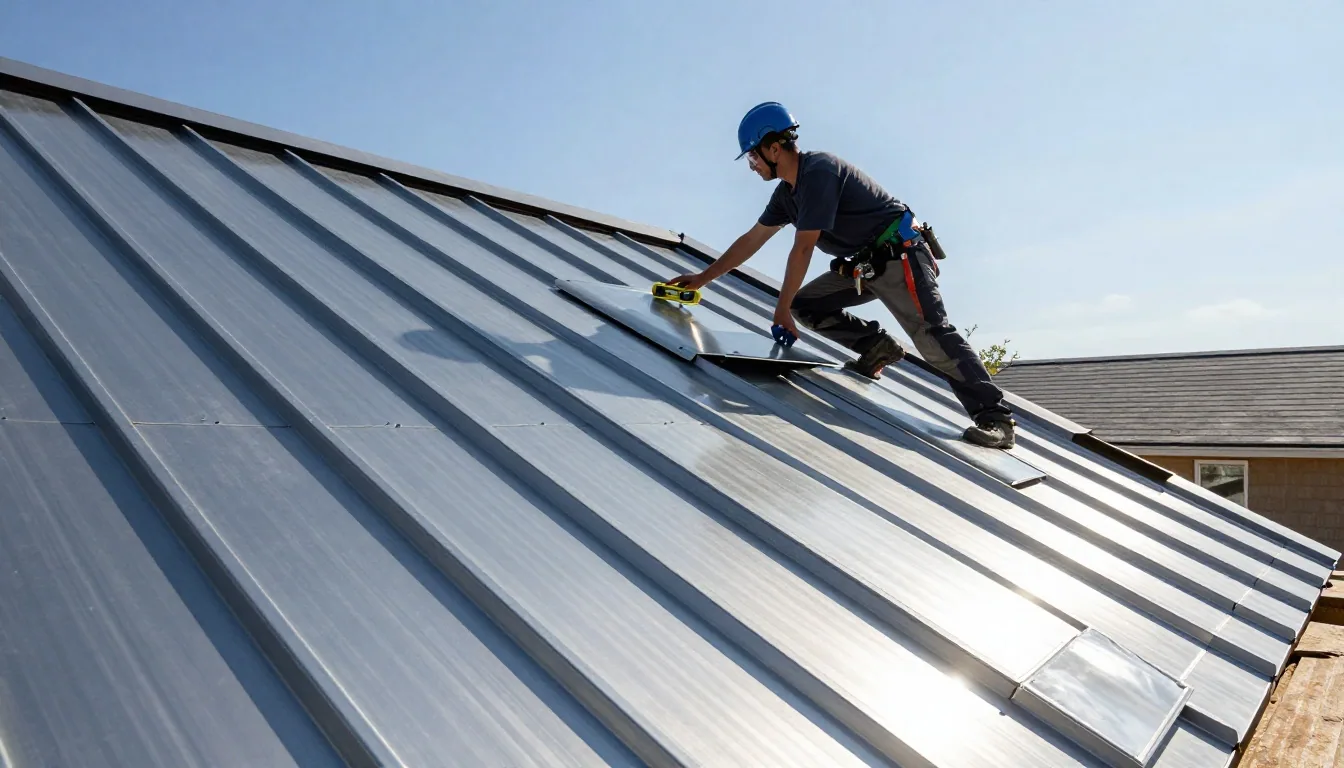
Water protection depends on shingling the plies in the intended direction and detailing laps, end joints, walls and penetrations correctly. We inspect transitions for loose edges, exposed reinforcement, splits, surface loss and repairs that bridge a moving detail. A flashing failure repair may require correcting the termination beneath the visible defect. Merely covering the top can trap water or leave the same weak connection at the edge.
Curbs, vent pipes, skylights and drains need a compatible detail and a clear installation handoff. We coordinate curb dimensions and equipment placement with the mechanical contractor so the roofing crew can complete the flashing after the support is ready. A skylight flashing inspection can check the junction around a roof opening. At drains, we verify the membrane connection, clamping detail and water route before any surfacing material is reinstated.
Water and surfacing: Inspect the working surface
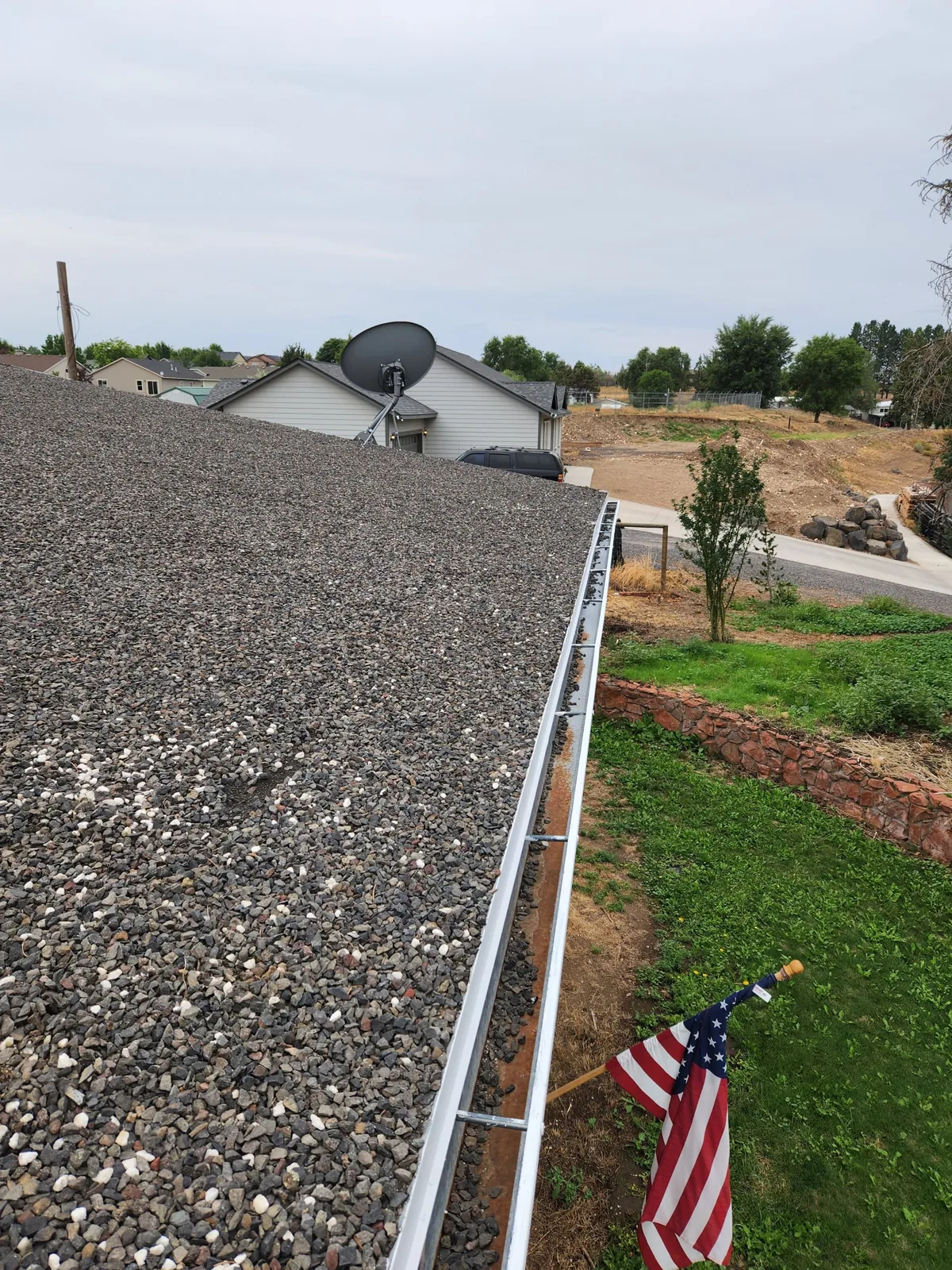
Granules, coatings or other surfacing protect the asphalt plies as specified for the system, but loose surfacing can reveal wear or make a repair harder to bond. We inspect exposed reinforcement, blistering, splits, ponding and edges that have lifted. A ponding-water assessment helps determine whether the problem is surface deterioration, blocked drainage or a slope condition that needs separate evaluation. Water flow at the roof edge and around rooftop equipment should be considered together.
Hail can bruise or displace surfacing, while a puncture can expose reinforcement and create a route into lower layers. We photograph observed marks and compare them with seams, flashing and the building's reported leak locations. The roof walk records impact at the property, then separates observed marks from older wear before a repair is specified. A storm-damage inspection records visible conditions and identifies where closer evaluation may be useful before repairs are priced.
Repair and closeout: Mark what was completed
A local repair, recover or full replacement each leaves a different boundary for future maintenance. We describe what was removed, what remains, the sections receiving new plies and the details that were rebuilt. The closeout package pairs system information and photographs with the planned municipal inspection handoff for the completed roof section.
After service, a maintenance visit can document splits, loose edges, debris, drain conditions and any new penetrations made by other trades. Those observations help identify a small repair before moisture spreads through the assembly. For an open lap or puncture, the repair reaches sound material and restores the required ply arrangement, with application controls chosen for the existing roof and occupied space. The immediate task is to protect the building and record the temporary repair so permanent work can be coordinated with the property schedule. We also identify how the temporary measure will be removed or incorporated into permanent work, so a later repair does not conceal an unresolved opening. The record should show the date, material used and roof section involved. That small handoff keeps the temporary response visible when the next crew plans a lasting repair.
Share the available roof history, intended installation method, access limits and dates for adjacent work before we walk the roof. We can inspect the assembly, identify where the water path and ply transitions need attention, and coordinate the proposed sequence with the general contractor. For a project in Bryan, that gives the trades a shared understanding of what can be opened, how it will be closed and where the finished repair or new roof connects to existing construction.
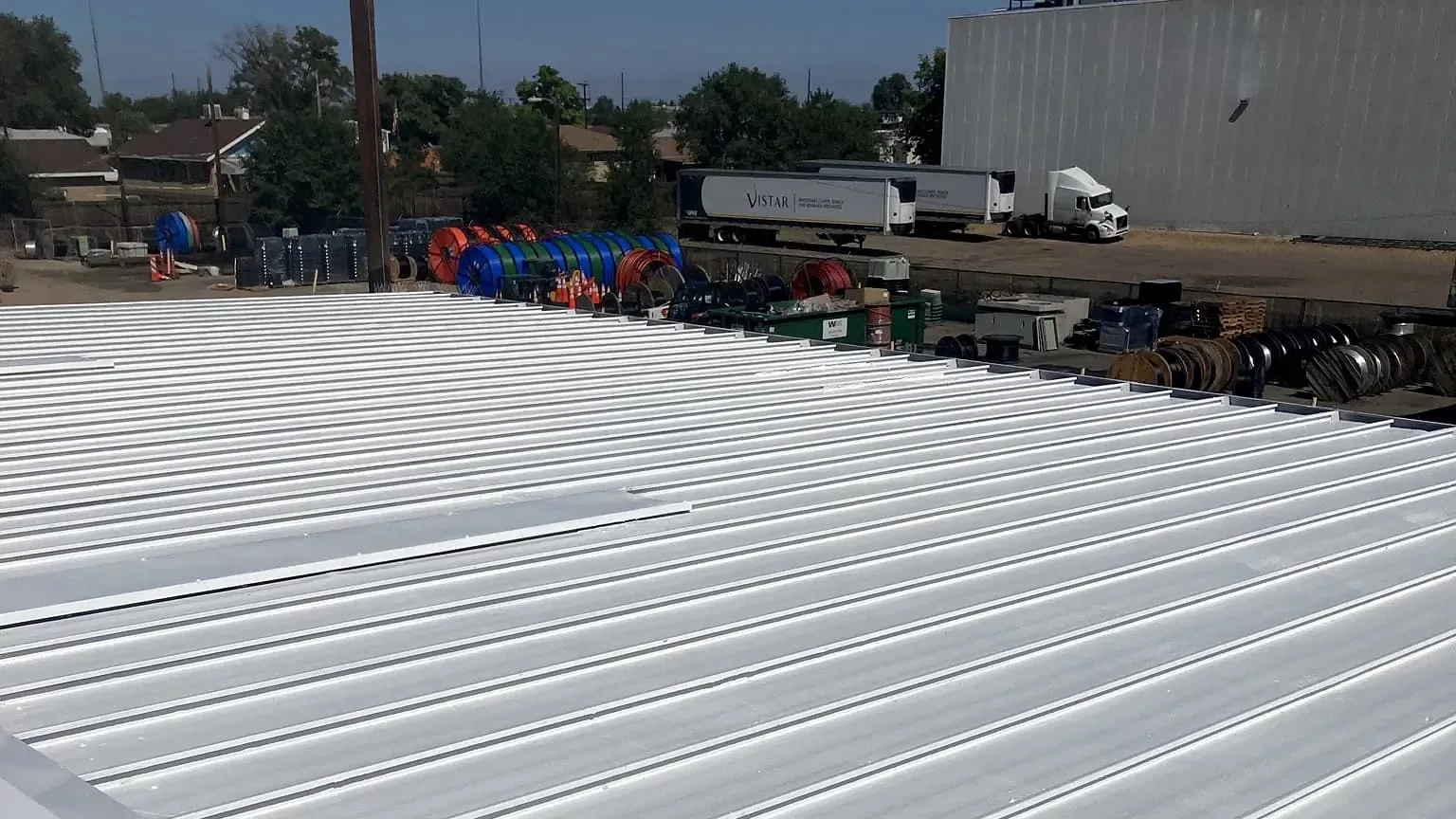
Frequently Asked Questions
What is the difference between SBS and APP modified bitumen?
They are different asphalt modifiers with product-specific characteristics and installation requirements. We match the specified system to the project documents, exposure and assembly rather than treating the names as interchangeable.
Does modified bitumen always require torch application?
No. Installation methods vary by product and specification. We review the selected system, site controls and adjacent conditions, then plan the crew, staging and fire precautions for that method.
Can another roof layer be installed over modified bitumen?
The existing plies, surfacing, moisture, attachment, deck and added load all affect a recover decision. We inspect the assembly and identify any openings or structural review needed before proposing an overlay.
How do you check hail marks on a modified bitumen roof?
We inspect surfacing, seams, flashings, penetrations and reported interior areas, then photograph conditions and separate visible observations from questions needing closer review. The Bryan inspection establishes building-specific findings.
What should a general contractor coordinate before reroofing?
Confirm access, staging, work windows, fire controls for the selected method, equipment work and the daily tie-in. We define the roofing sequence and handoff points with the general contractor before the roof is opened.
Set the modified bitumen work sequence
Share the roof condition, specified system, membrane surfacing, open seams, leak location, building use and the hours available for a roof walk. We can inspect the plies and set the next repair boundary.