Home / Service Areas /
Commercial Roofing in Northgate, College Station, TX
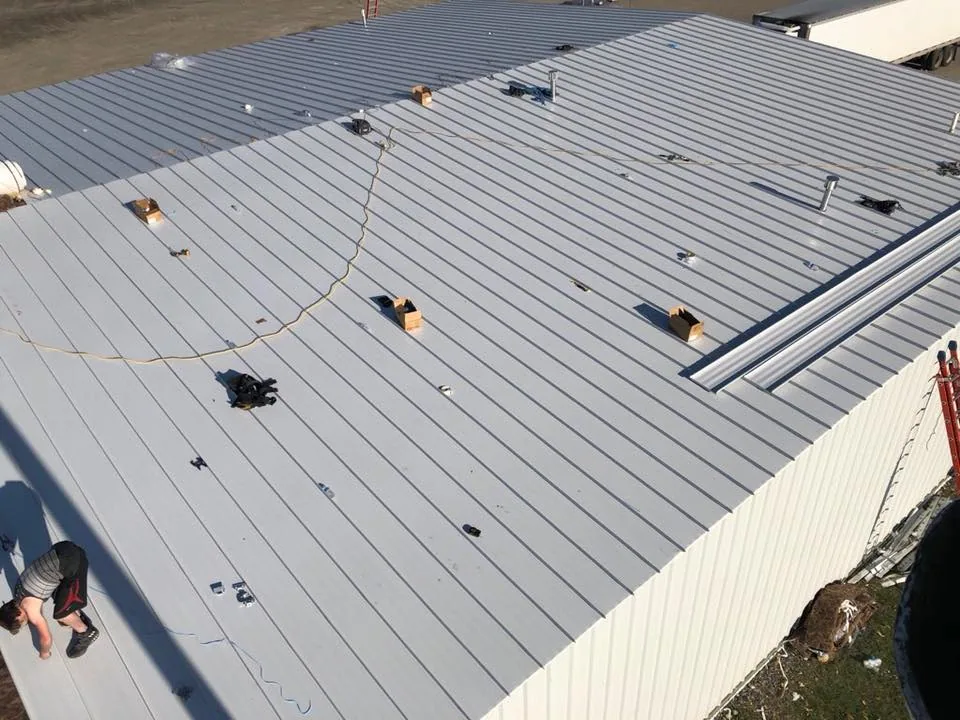
A Northgate roofing task needs an access window that fits the businesses below it, with the affected roof section, public approaches and interior protection agreed with the owner or general contractor before work begins. Across Northgate in College Station, commercial roofing has to account for the district’s restaurants, retail and hospitality uses while keeping access, deliveries and roof openings in a workable sequence. We inspect the roof surface and transitions, identify the repair boundary, and coordinate a safe work window with the owner or general contractor. A commercial roof inspection can start with the issue, the building use and the available access plan.
District use: plan roof access around occupied space
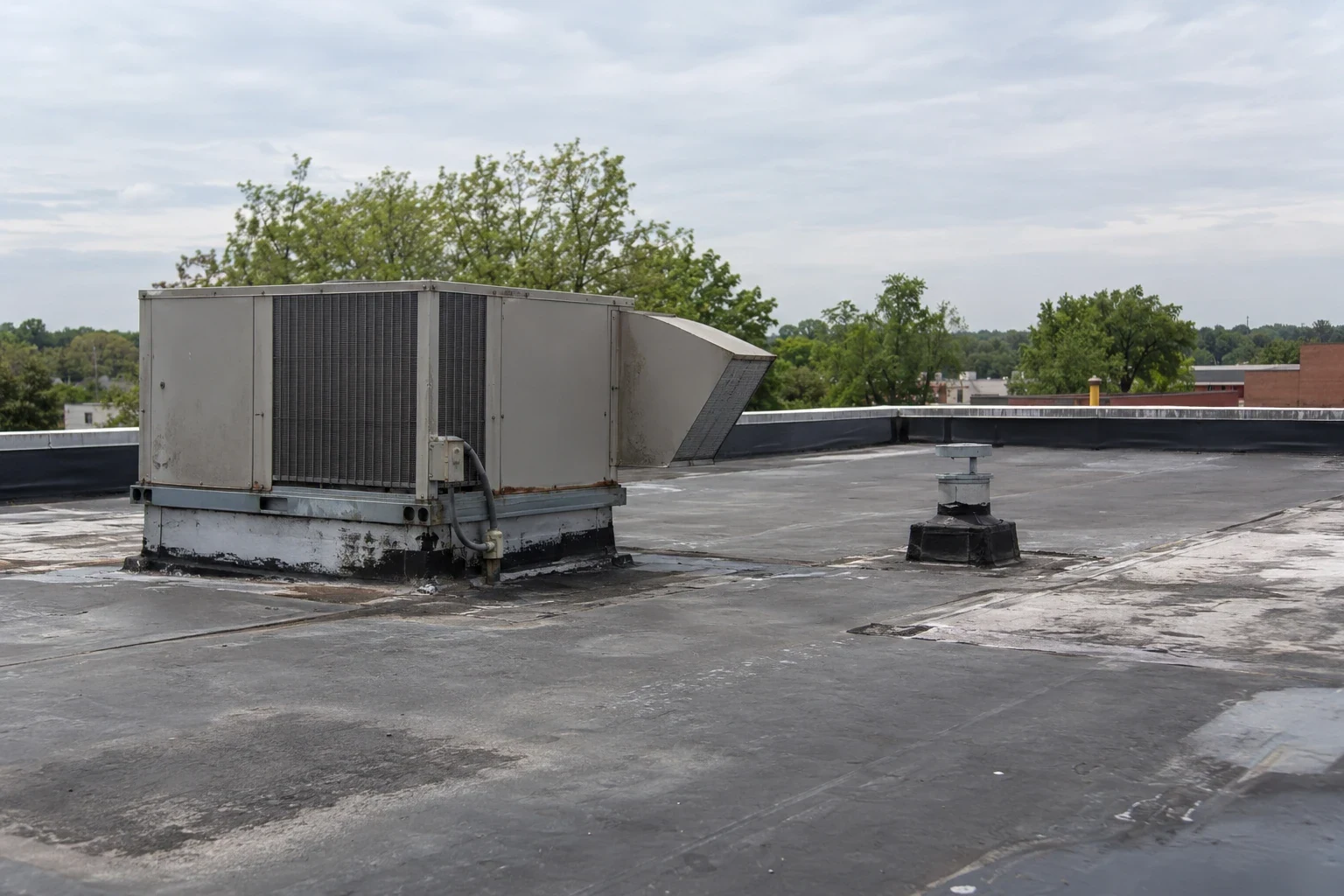
Northgate combines restaurant, retail and hospitality activity with mixed-use development. Its entertainment economy also includes music and other community events; confirm the event schedule with the property contact before setting a delivery or noisy work window. Those uses make entry points, service corridors, rooftop equipment and delivery timing relevant to a roofing scope. Before work begins, we confirm how the building is occupied, which access route is approved, what equipment requires coordination and whether a roof opening could affect an active interior area. We verify the roof assembly, condition and work zones at the property, then set the inspection and repair sequence around its active entrances and service routes.
For a property with several operating tenants, the roof schedule should show when materials arrive, where the crew will stage, and how each opening will be dried in before the next trade takes over. The occupied-building roofing sequence is set with the general contractor and property contact, not assumed from a standard calendar. Where access or work hours differ by building, we separate those constraints in the scope. That gives the owner a clear decision about which area can proceed and what coordination must be settled first.
Roof walk: connect visible conditions to the work area
A roof walk starts with the working surface, then follows the details that control water movement: seams, wall and curb flashing, drains, scuppers, edge metal and prior patches. We note where material changes or equipment penetrations interrupt the field and compare those points with reported interior symptoms. A ceiling mark can help focus the inspection, but the roof entry point may be elsewhere. We trace the likely water path, photograph the relevant details and mark what is accessible for repair. If a concealed layer needs confirmation, we identify the examination needed before setting a larger boundary.
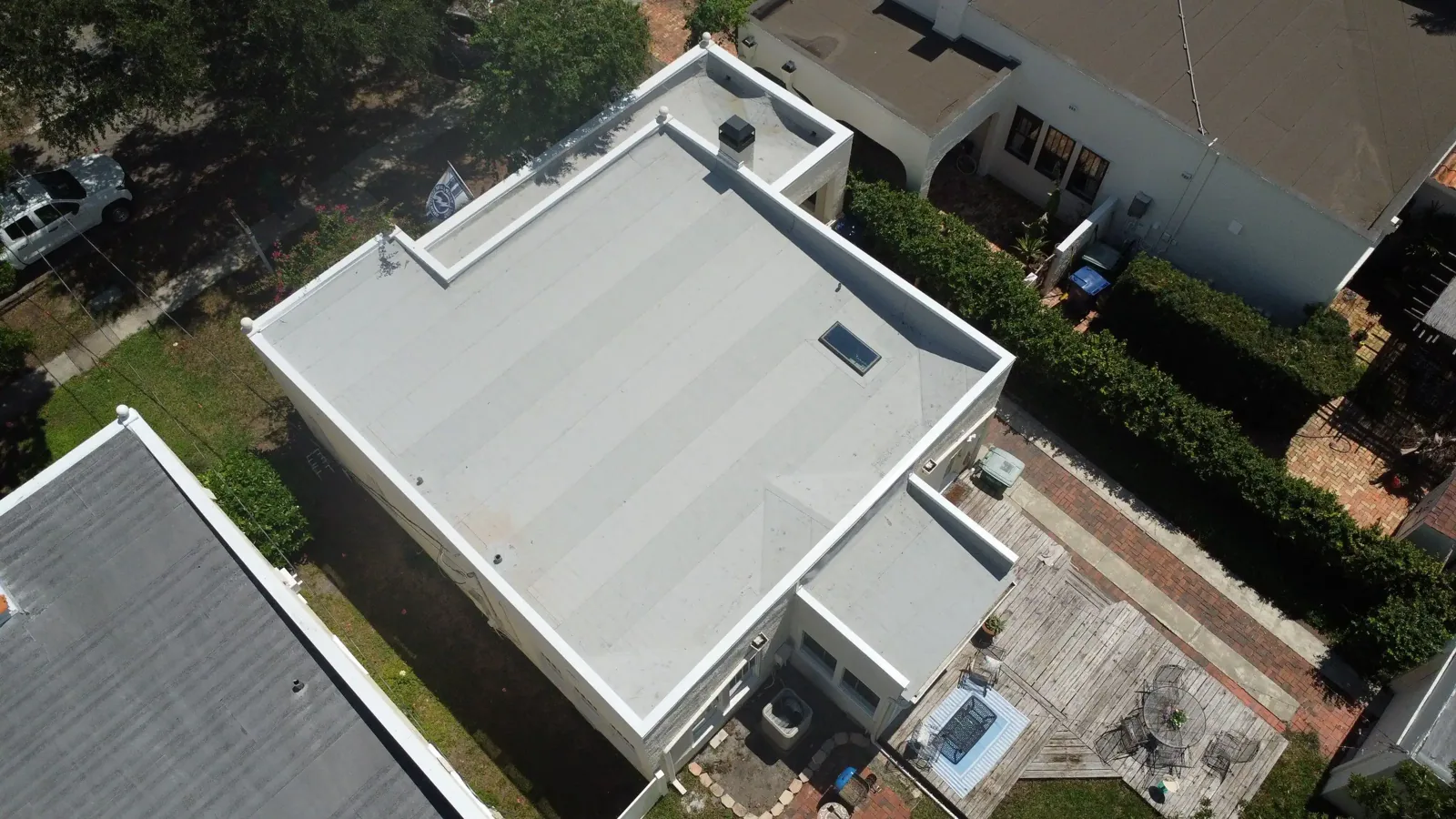
Northgate’s local context makes the distinction between a short repair and a broader roof task useful. An isolated flashing opening can be handled within a defined area, while recurring water or widespread seam distress may require moisture investigation and a larger review. We can record that choice in a photo-supported roof condition report, with observed conditions separated from recommended follow-up. For roofs with low-slope membrane areas, material compatibility and seam condition guide repair selection; a TPO roof evaluation begins by confirming the installed system rather than guessing from color or appearance.
Drainage and transitions: keep water moving off the roof
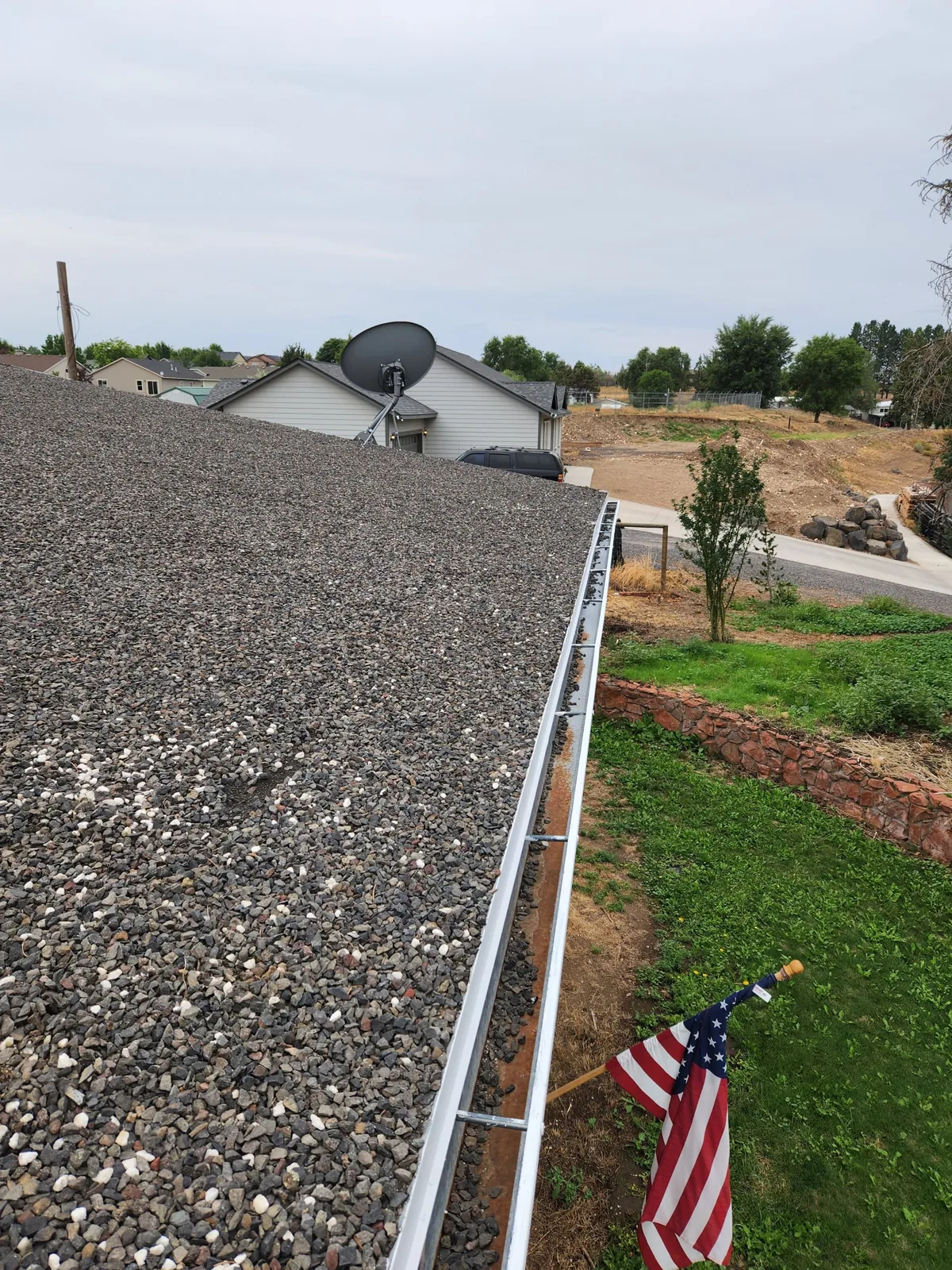
Standing water after rain calls for a check of the drainage path, not just a note that a roof is flat. We look for blocked drains, settled areas, damaged strainers, open seams near low points and details where runoff crosses a transition. A drain or scupper can be clear at the moment of inspection while a nearby surface still holds water, so the record should distinguish the visible condition from what needs another check after rainfall. Repairing the outlet without understanding the surrounding slope may leave the same ponding pattern in place.
At a roof opening, the flashing and temporary dry-in need to stay coordinated with mechanical or electrical work. We set a repair boundary around the affected curb or penetration, protect the adjacent membrane, and confirm which trade owns the final connection. A drain and scupper repair can address the outlet and its immediate details; a broader drainage correction may call for a separate design review. For properties that include nearby College Station office, retail and housing development, Midtown College Station brings its own access and building-use considerations, while the roof decisions remain specific to each site.
Repair or replace: compare boundaries before committing
A repair makes sense when the inspected area has a clear boundary and surrounding materials can support a lasting tie-in. Replacement becomes a stronger option when conditions recur across multiple sections, the existing assembly cannot accept a reliable repair, or the planned work would leave too many disconnected patches. We compare the roof map, observed conditions, access limits and the proposed work window before recommending a scope. The choice should show which areas are included, what remains untouched, and which open questions could change the sequence or price.
Where an owner is comparing repair with a roof recover or replacement, the system selection follows the confirmed assembly and the condition of the layers below it. We can inspect, document and price the defined work, then align delivery paths, rooftop equipment coordination and dry-in responsibilities with the general contractor. Significant April 2021 hail fell across the Bryan-College Station area; the Northgate assessment compares visible marks, seam condition and interior reports before defining any removal boundary. The same rule applies when a property manager uses a roof asset register to compare service history across buildings: each roof needs its own dated observations and repair boundary.
Work window and closeout: leave a usable handoff
Before mobilization, we confirm access, staging, material delivery, protection for occupied areas and the order of roof openings. The general contractor can then sequence mechanical, electrical or finish work around the roofing task without leaving an exposed tie-in. If an unexpected condition appears, we stop at a safe boundary, document the area and agree on the revised work before extending the scope. Photos and closeout notes identify completed repairs, remaining exclusions and any return visit needed to verify a detail.
Northgate sits within a larger Bryan-College Station service area, so property teams may manage buildings with different operating patterns. A commercial roofing visit in College Station follows the same field discipline while addressing the access and use of that property. For a Northgate roof visit, send the property use, roof concern and dates when access is available. We will inspect the affected area with your property contact, then agree on a work sequence the operating team can accommodate.
Frequently Asked Questions
Can roofing work be staged around restaurant and retail hours?
Yes. We confirm the access route, delivery timing and affected entrances with the property contact, then set the roof work window around those constraints. Any roof opening gets a defined dry-in and trade handoff before the crew moves to another area.
Does the 2021 hail report mean a Northgate roof needs replacement?
No. The reported hail is useful local context, but the roof decision comes from current inspection findings. We check seams, edges, penetrations and drainage, then separate repairable conditions from areas needing further examination.
How do you handle a leak that appears far from the roof opening?
We follow the water path across the roof details and compare accessible conditions with the interior report. The repair boundary follows the observed roof condition, not only the ceiling mark; concealed areas are listed for confirmation when needed.
What should a GC coordinate before a roof repair starts?
Confirm access, staging, delivery path, rooftop equipment work and the trade responsible for each penetration. We set the opening and dry-in sequence with those handoffs in view so other work does not leave an unfinished roof detail.
When does a repair scope become a replacement discussion?
We raise that choice when inspection findings extend beyond a contained area or when a reliable tie-in cannot be made to the existing assembly. The comparison identifies affected sections, exclusions and unresolved conditions before the owner chooses the next step.
Arrange a Northgate roof walk
Send the property use, roof concern and workable access dates. We can inspect the affected roof area with your property contact and set the field sequence for the next roofing task.