Commercial Roof Leak Repair in Bryan, TX
Rain entering beside a rooftop unit can interrupt the next mechanical task before the exterior defect is identified, so active leak repair begins with protecting the space below and tracing the water path. In Bryan, TX, we establish the affected roof zone, the conditions when the leak appeared and the access available for investigation. That information directs the first walk without treating the ceiling opening as the only place to examine outside.
Dining, hospitality and office uses at Lake Walk can put different operating spaces beneath the same roof area. A leak near electrical equipment needs a different interior response from water reaching an unoccupied storage bay. We coordinate the building contact and relevant trades, then separate immediate protection from the roofing examination. The roof repair follows physical findings, with temporary dry-in where safe access or wet conditions limit the first visit.
Water path: Connect interior evidence to roof details
A drip appearing only during wind-driven rain points the investigation toward conditions that differ from a leak after water has stood on the roof. We ask when the entry started, which spaces are affected and what equipment or construction work preceded it. Interior observations are mapped to the roof area, then compared with drains, penetrations, walls and changes in elevation. A roof inspection focused on the reported zone gives those observations an exterior working boundary.
Water can move along a deck profile, insulation interface or structural component before it becomes visible inside. We inspect beyond the projected drip location and look for connected paths rather than patching each ceiling stain as a separate defect. Mechanical condensate, plumbing and exterior wall leakage may also require trade investigation. Identifying the entry mechanism keeps roof work focused on the connection that needs repair while other building tasks follow their own findings.
Entry point: Examine seams and transitions closely
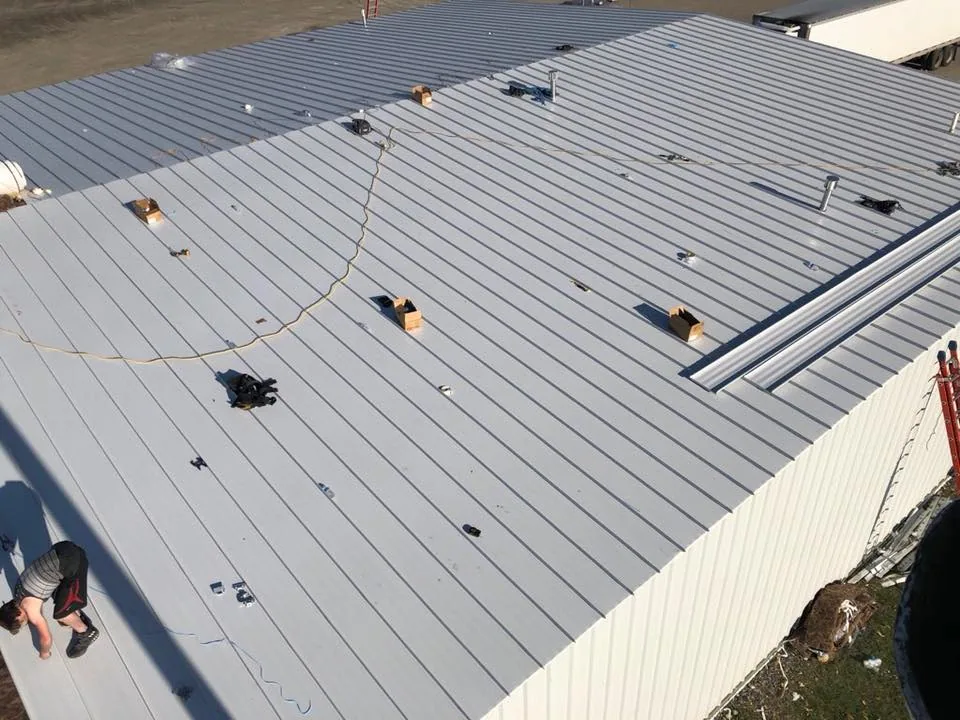
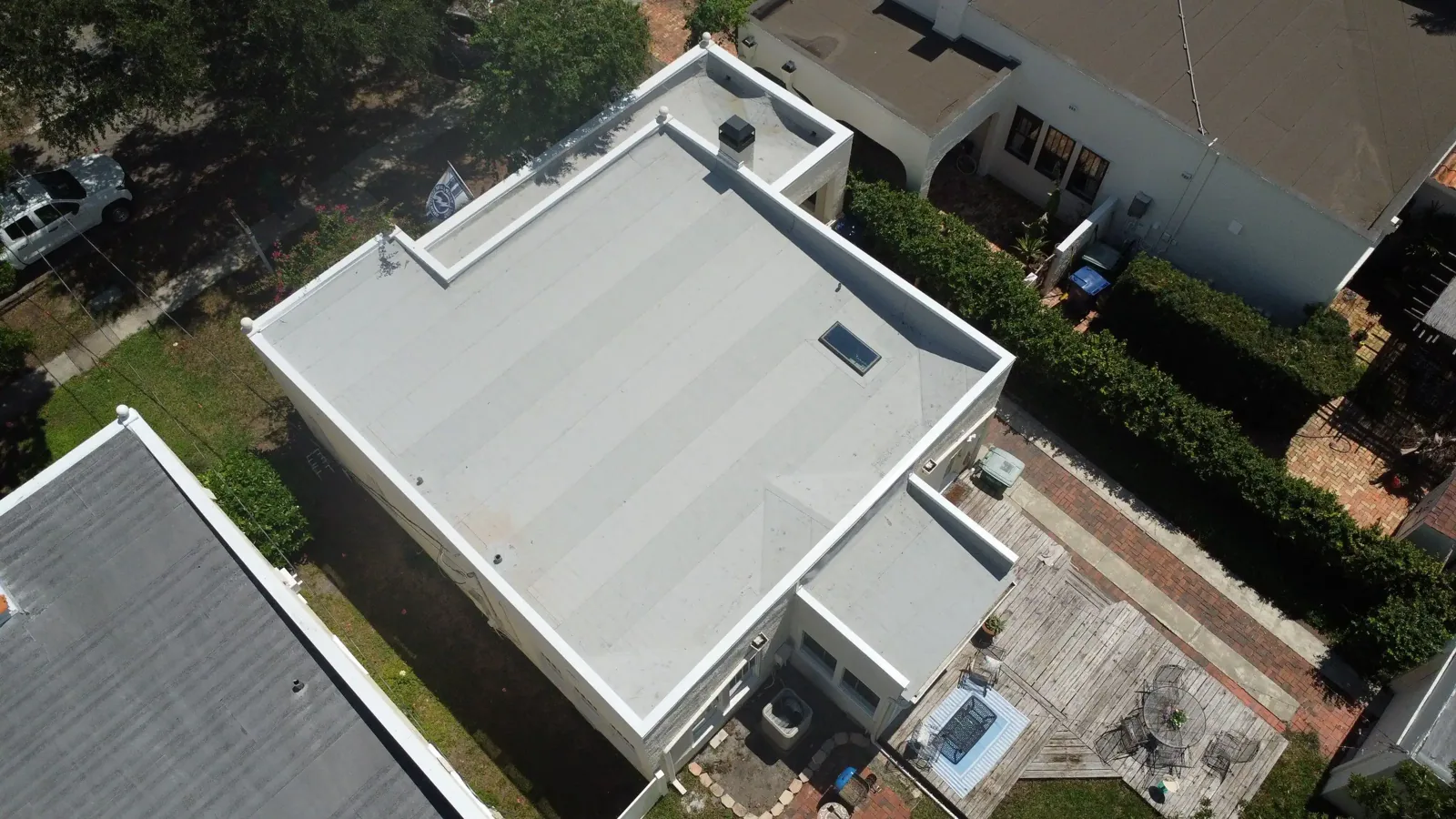
A lifted seam edge or a loose pipe boot can admit water intermittently, making the detail difficult to diagnose after the roof dries. We examine membrane condition, seam continuity and the connections around curbs, drains and terminations, including previous repairs that may obscure the original construction. Where a flashing defect is identified, rebuilding the failed flashing addresses its shape and attachment as well as the exposed opening.
Controlled water testing can help isolate an uncertain path when the building, drainage and access make that approach appropriate. We agree on the test area and interior observation before introducing water, progressing through separate details so the result can be associated with a particular connection. A broad uncontrolled spray can blur those distinctions and increase interior exposure. Testing is stopped or adjusted if the building cannot tolerate the resulting water entry.
Occupied area: Protect the work below the leak
A leak at a property in Bryan Business Park needs an inspection of both the roof opening and the occupied space beneath it. We confirm the actual space below the investigation and identify the protection the building can provide before opening a damp assembly. Electrical hazards and unstable ceilings require the appropriate trade response. The roofing crew's exterior task proceeds only with a suitable access and protection arrangement.
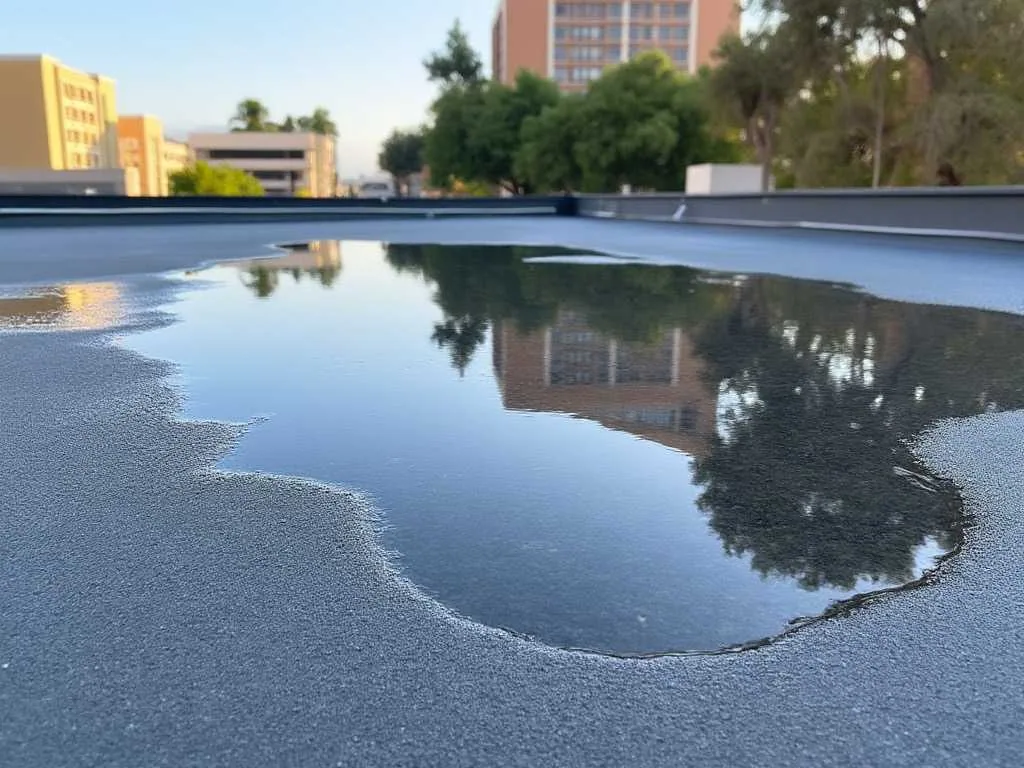
Containers or temporary interior diversion can help control dripping when installed safely, but they do not remove the need to repair the roof entry. We coordinate the occupied floor with the investigation window, including when a ceiling can be opened for observation and when that work must be restored. The general contractor receives the roof location and anticipated opening task so interior protection can remain in place until the weather closure is established.
Below the sheet: Define what the repair must remove
A confirmed entry point does not establish the amount of wet material around it. We inspect the assembly for softness and trapped moisture, selecting sample locations where the repair decision requires information below the membrane. An infrared survey with physical confirmation can help map a larger suspected area under suitable conditions. The repair scope then distinguishes the entry detail from insulation or cover board that needs removal and rebuilding.
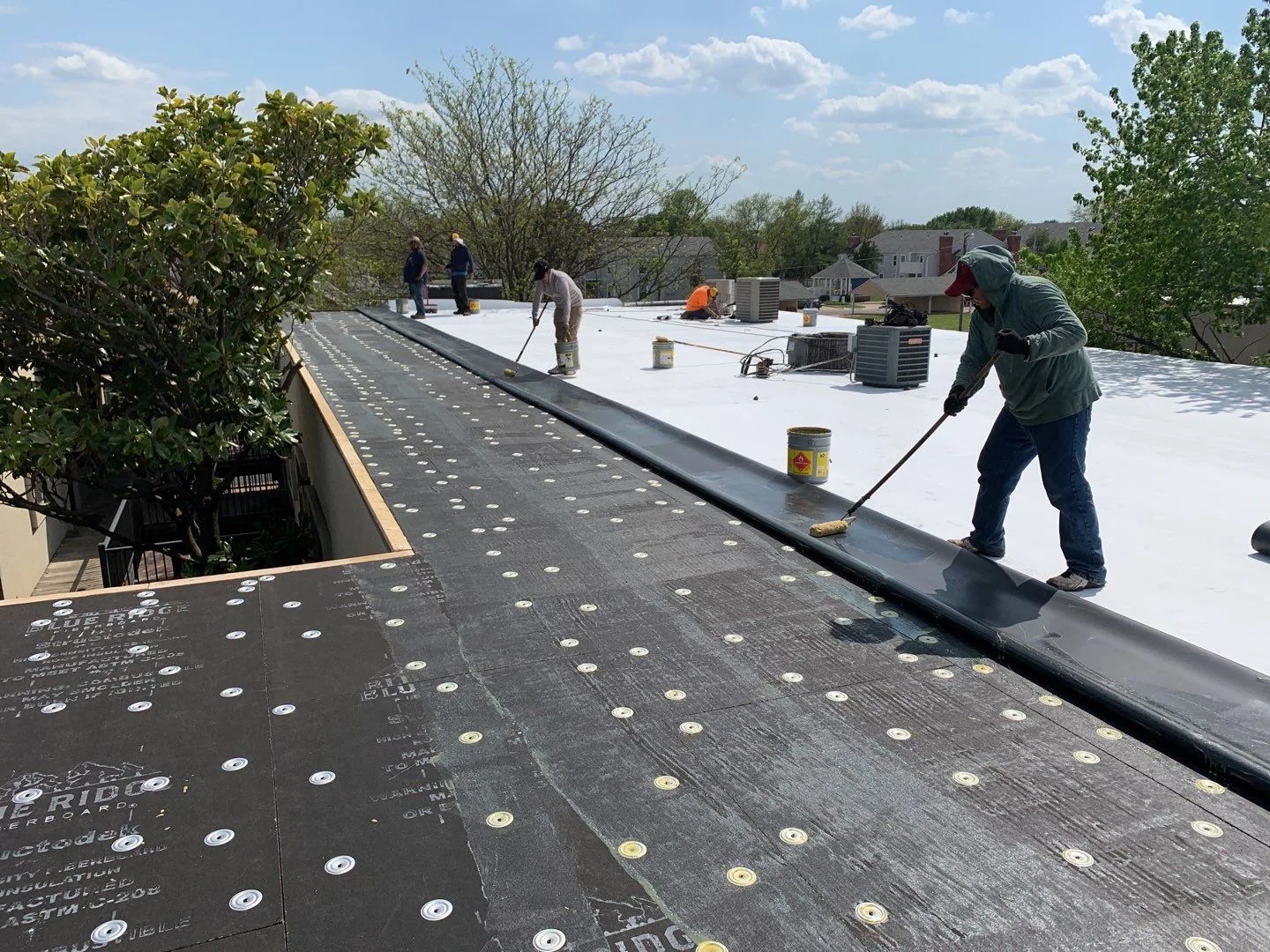
Closing the opening while leaving unsuitable material beneath the repair can produce a weak patch or retain moisture in the assembly. We establish a sound perimeter, replace the affected components and choose repair materials compatible with the existing roof. A modified bitumen roof requires a different preparation and repair approach from a thermoplastic sheet. Identifying the installed system prevents a convenient patching product from becoming an incompatible interface.
Dry-in transition: Replace the temporary closure
A tarp or temporary seal applied during rain needs a planned return task once the detail can be prepared for permanent repair. We describe the stabilized area and the remaining work, checking whether temporary material must be removed before the permanent components can bond. The emergency roof response and the final repair may therefore occupy different work windows, with each closure suited to the conditions available at the time.
Drain blockage can intensify water exposure around an entry point. We inspect the outlet and water path, clear accessible roofing debris and identify any drain-body or downstream plumbing task requiring another trade. A membrane repair beside a backed-up drain needs that interface resolved to reduce continuing exposure. We agree on the handoff and temporary protection before removing the damaged detail, so the roofing crew can finish a functioning connection rather than wait beside an open assembly.
Frequently Asked Questions
Why do you need the timing of a leak if the ceiling stain is visible?
Rain direction, duration and standing water can point to different entry mechanisms. We use the timing to choose which roof details to examine and, where appropriate, which connection to test under controlled conditions.
Can water below a rooftop unit come from the equipment instead of the roof?
Condensate or a mechanical connection can create similar interior symptoms. We inspect the roof interface and coordinate equipment checks where the findings warrant them, so each trade repairs the condition it can identify.
Will the first visit include the permanent repair?
Safe access, surface dryness and the required material determine what can be completed. We stabilize water entry where practical and identify a return task when the final repair needs preparation or an adjoining trade.
How far beyond a puncture might the repair extend?
The boundary follows sound, suitable material. Moisture, damaged cover board or poor existing repairs can extend beyond the puncture, so we inspect the assembly before setting the area to remove and rebuild.
What should be watched after the repair during the next rain?
The building contact should track the affected interior area and report the timing and location of any new water. We compare that observation with the repaired detail and inspect further connections if the evidence shows another path.
Return check: Confirm the detail and remaining observations
A repaired penetration is examined after installation for gaps, incomplete bonding and unfinished metal connections. Photographs show the repair boundary and replaced components, with any remaining conditions recorded separately. The written leak findings connect the interior report with the exterior defect and completed work, helping the building contact recognize whether later water appears at the same location or requires a new investigation.
Intermittent leaks may need observation during a later rain after the physical repair is checked. We identify the interior reporting contact and the details that deserve attention, rather than treating a dry ceiling during sunny weather as the sole acceptance test. Keeping gutters and drainage outlets clear, protecting repaired areas from equipment traffic and coordinating later penetrations reduces avoidable disturbance. The next trade receives the repaired location and any access restrictions before returning to the working surface.
Arrange the leak investigation
Describe where water appears, the building use and the available work window. We can coordinate protection and inspect the roof connections involved.