Commercial Roofing for Logistics and 3PL Properties in Bryan, TX
A logistics roof has to protect stock while keeping freight movement organized. The immediate decision is where work can open the roof without blocking a dock or exposing stored goods. Start with the roof plan, active receiving windows, leak history and the area that needs a temporary dry-in. A commercial roof inspection can map the assembly before a repair boundary is set.
We coordinate commercial roofing with facility contacts and general contractors. Send the roof plan, property use, affected bays and preferred work window. If water is entering or a roof opening is exposed, an emergency roof response can document the temporary protection and next repair step.
Dock window: protect the freight sequence
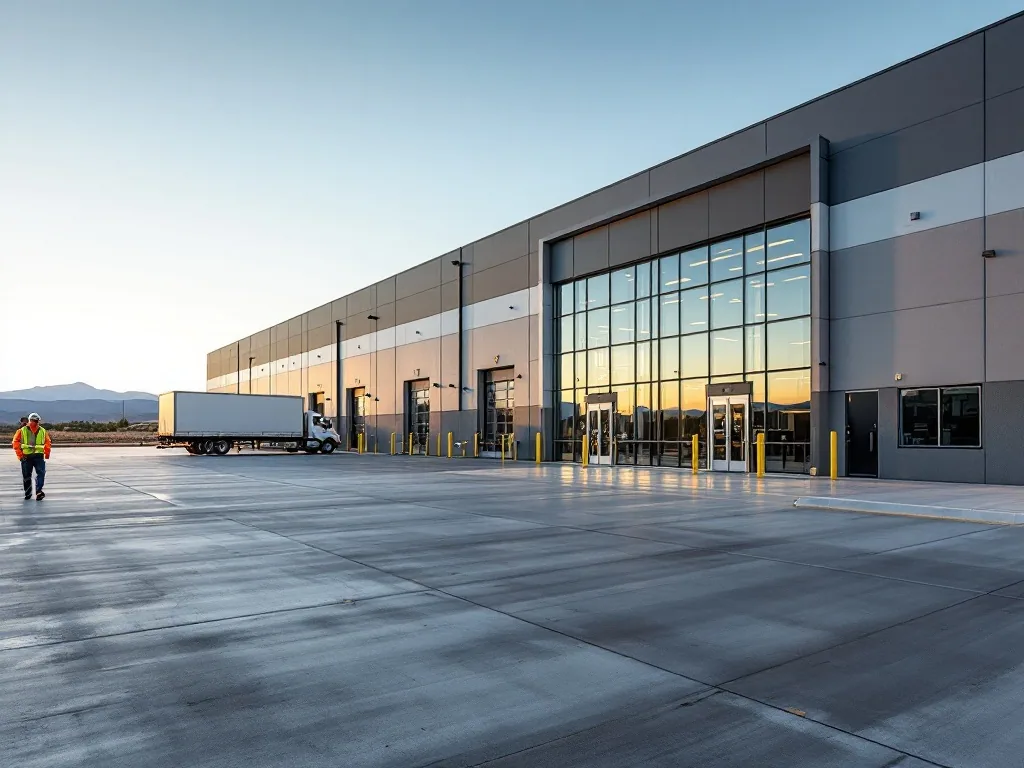
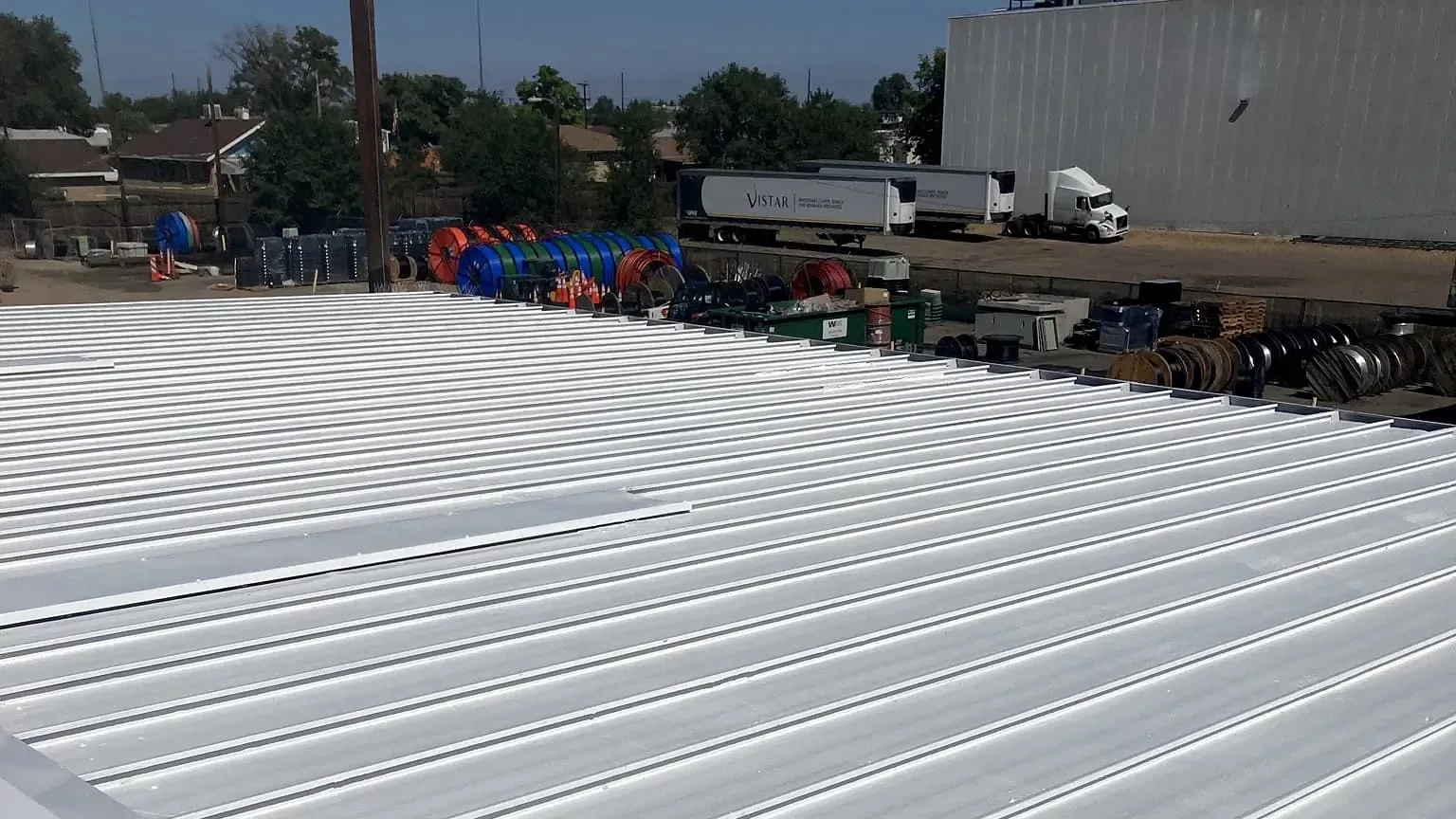
A truck court, loading dock and roof access lane often compete for the same space. Before materials arrive, identify which doors must stay clear, where a lift or crane can stand and when receiving can pause. The roofing scope should show the staging area, pedestrian separation and route for removing debris. If those controls change by shift, give the foreman one site contact who can confirm the daily work window.
Roof openings above a loading zone need a planned dry-in and a clear handoff to building operations. Mark the opening on the roof plan, note what is exposed and identify who can release access after protection is installed. A general contractor roofing coordination plan can keep the opening, mechanical trades and freight schedule on the same sequence without treating every bay as available at once.
Set the sequence by dock group when one closure would interrupt several customers or shifts. The facilities contact can mark the bays that must remain available, while the roofing crew records which roof sections can be reached without crossing the active freight route. If a lift is needed, confirm its bearing area and travel path before the delivery truck is dispatched. Keep these details in the daily plan so a schedule change does not leave an opening without protection.
Roof map: separate sections and systems
Distribution and third-party logistics buildings can have additions, canopies and different roof assemblies. Record each section separately, including membrane, seams, drains, curbs, edges and transitions. A repair history attached to the wrong section can send the crew to a sound area while the water path remains elsewhere. A distribution center roof review can help identify the roof features that need their own boundary and access plan.
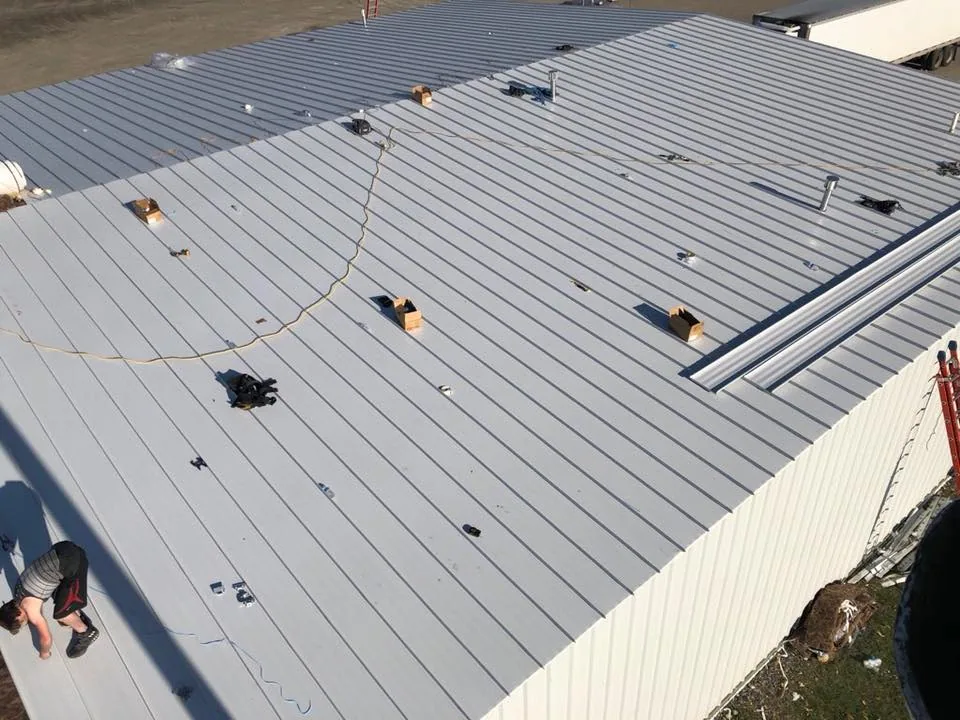
For a TPO roof, inspect sheet condition, welds, flashings and drainage before specifying a patch. If a roof uses another membrane, document that system rather than choosing materials from a generic warehouse label. Where moisture is suspected, an infrared survey can direct follow-up testing, with results interpreted alongside roof construction and visible conditions.
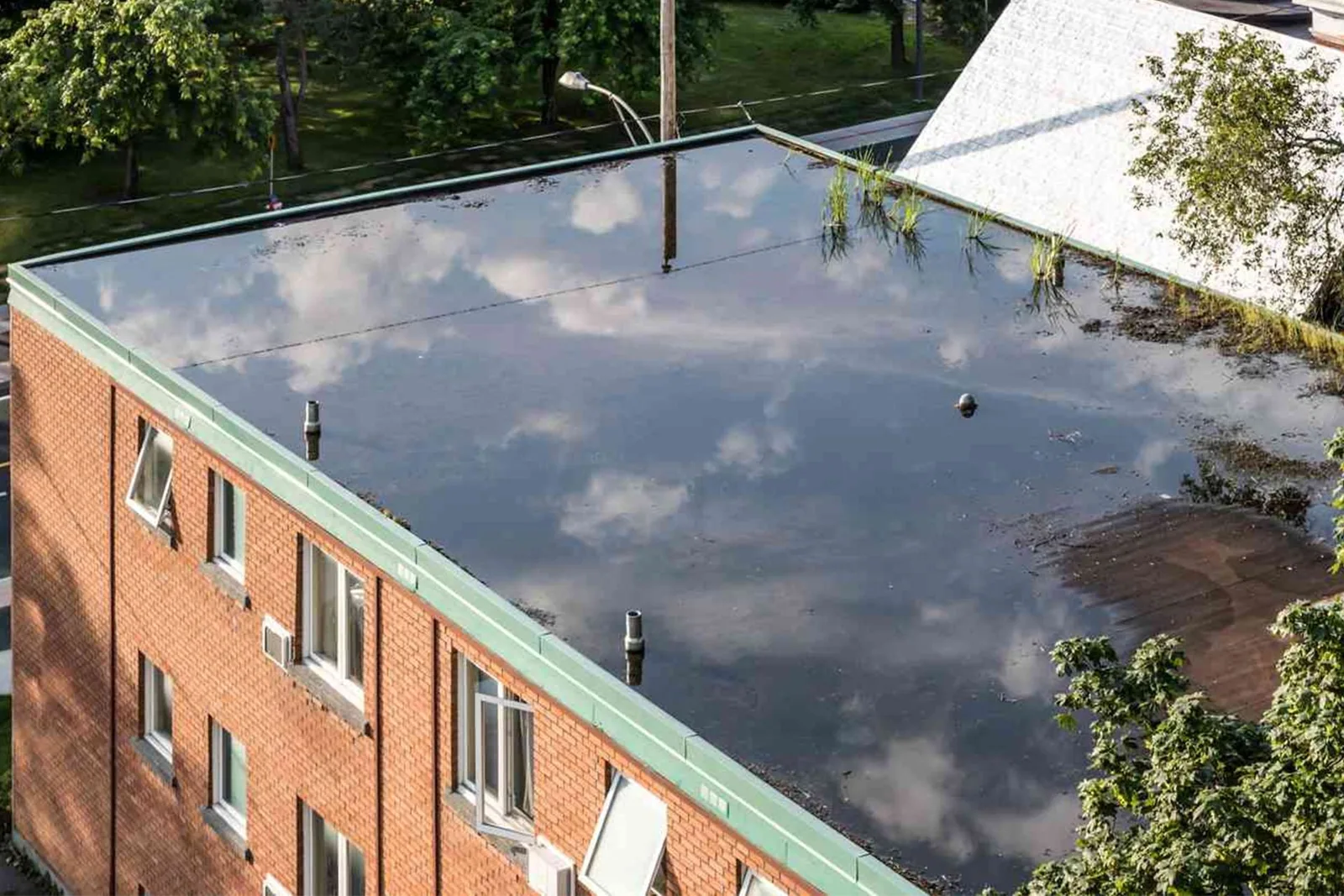
Water entry at a distribution property can run along a deck flute, insulation joint or conduit before appearing above the floor. Photograph the interior indicator and roof surface, then compare those locations with drains, curbs and penetrations. The outside opening may not sit directly above the wet stock. We trace the likely path and test the suspected area before selecting a repair, then note whether any goods or interior equipment need a separate protection plan.
Local context: route staging to the property
Brazos County’s EF-2 tornado of 2019 touched down approximately four miles eastward from Bryan and damaged four commercial buildings or warehouses, as well as one house. For a logistics roof, set the inspection priority from current openings, loose edges and displaced flashing, then protect the affected area before freight work continues. Mark the roof section and the route by which crews and materials can reach it.
Bryan has named South College and Texas Avenue as revitalization corridors. When a project is near those corridors, confirm site-specific truck access, customer paths and staging with the property contact. A city corridor is a location reference, not a substitute for a dock walk or traffic plan. If a property manager coordinates several sites, a property-management roof record can keep each building’s access instructions and repair boundary separate.
Repair scope: price the roof boundary
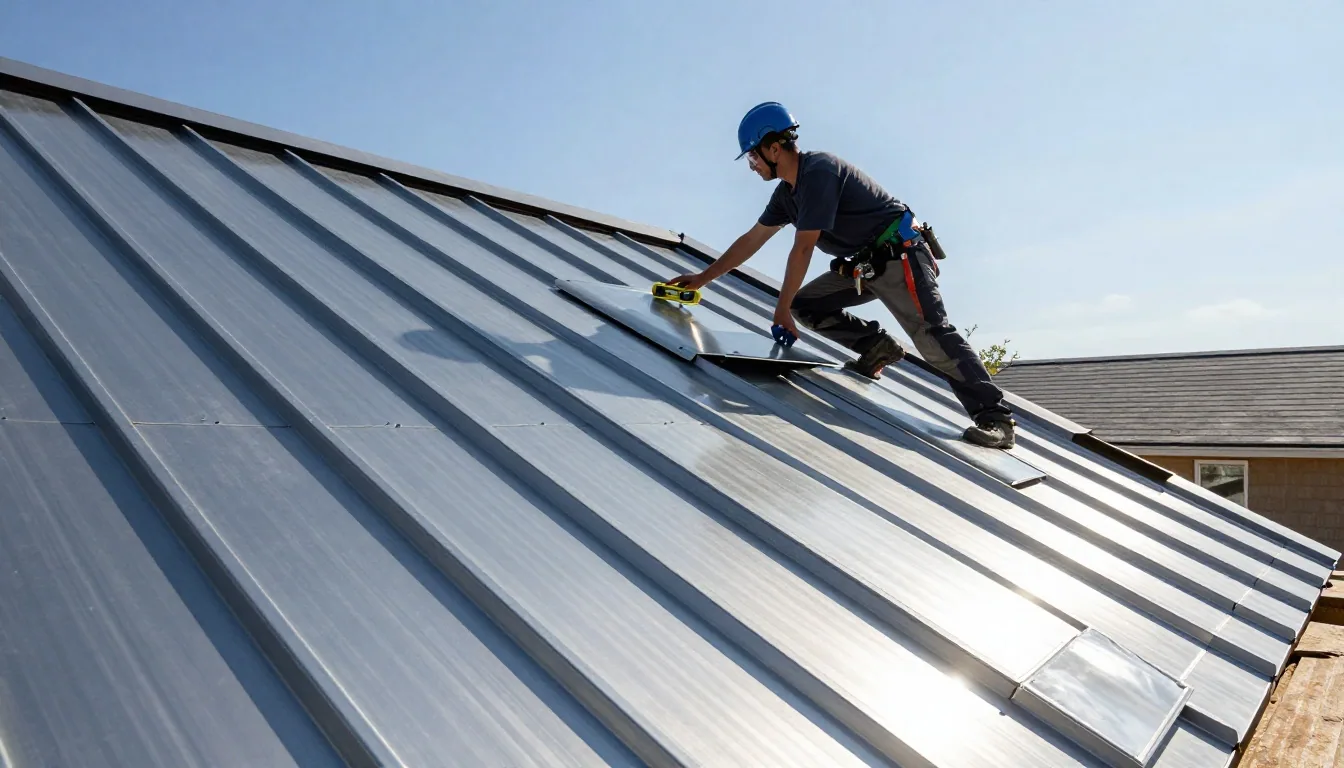
A small puncture, failed flashing and broad membrane separation lead to different work. Photograph the defect, trace the water path and check the substrate where the scope allows. If the damaged area is isolated and the surrounding membrane can accept a tie-in, a commercial repair proposal can define the local work. A puncture repair review or flashing repair assessment can specify the observed condition without pricing an entire roof by default.
When wet insulation, repeated repairs or an unreliable substrate extend beyond the first opening, separate testing and removal from confirmed replacement quantities. The owner can then compare a localized repair with replacement scope using the same plan. List access, protection, disposal, deck work and tie-in as cost drivers. Carry concealed conditions as a decision point after inspection, not as a confirmed quantity before the roof is opened.
Scope notes should distinguish the roof repair from work by the dock, mechanical and electrical trades. Identify who moves rooftop equipment, who controls temporary power and when the area can return to freight use. For a roof with multiple additions, attach quantities to the section name and show the tie-in at each change in assembly. This allows ownership to approve a defined phase and compare it with a broader replacement without combining separate buildings or work windows.
Trade handoff: reopen lanes with a record
Before the roof opening begins, confirm whether HVAC, electrical or fire-protection work crosses the affected area. Agree on shutdowns, temporary lines, lifting points and the order for restoring curbs and penetrations. A drain and scupper check can be added when the water path or a roof opening affects drainage. Keep a running record of what each trade moved and what the roofing crew closed.
At the end of the shift, photograph the temporary protection and confirm the dock or travel lane can return to service. At permanent closeout, record the repaired sections, material, tests and remaining items. For a multi-property owner, a Bryan commercial roof visit can document the next task with the local property team.
Before reopening a lane, walk the roof and the ground-level route together. Confirm that fasteners, cut membrane, packaging and temporary barriers are removed or secured, and that drains remain clear after the repair. If equipment or a curb was disturbed, record the responsible trade and the point at which the roofing tie-in was inspected. The closeout can then tell the facility contact what was completed, which section remains under observation and when a follow-up visit is scheduled.
Frequently Asked Questions
Can roofing work happen during active freight hours?
It can when the access route, dock restrictions and dry-in sequence are agreed before the roof opens. We identify which doors remain active and schedule work by section so freight can keep moving where the site permits.
What if a leak reaches stored goods?
Protect the interior first, then document the roof section, water path and affected assembly. The repair scope should distinguish temporary cover from the permanent work and identify any substrate testing that remains.
How should a 3PL roof be divided for inspection?
Use the roof plan to separate additions, canopies, drains, curbs and distinct membrane areas. Each section gets its own condition notes, photos and repair history so the water path can be traced.
When should a repair become a replacement discussion?
A broader scope is worth comparing when testing shows wet insulation, the deck needs work, or a reliable tie-in cannot be made at the affected boundary. We document those findings before expanding the quantity.
What belongs in the work window?
Include dock hours, access lane, material staging, rooftop equipment coordination, protection and the time needed to restore the opening. The property contact should know who can approve a schedule change.
Plan a Bryan logistics roof walk
Send the roof plan, active dock windows, building use, leak history and preferred work time. We can mark access, define the repair boundary and coordinate the roofing task with the facility contact.