Cold Storage Roofing in Bryan, TX
A temperature-controlled building puts the roof inside the facility's operating envelope. Warm, humid air moving toward a cold interior can create condensation within an assembly, while an opening can affect stored goods and energy control. In Bryan, we inspect deck, insulation, vapor-control layers, membrane, drains and penetrations before recommending repair, recover or replacement. The work plan coordinates refrigeration equipment, access and interior protection, with a defined dry-in boundary for each shift.
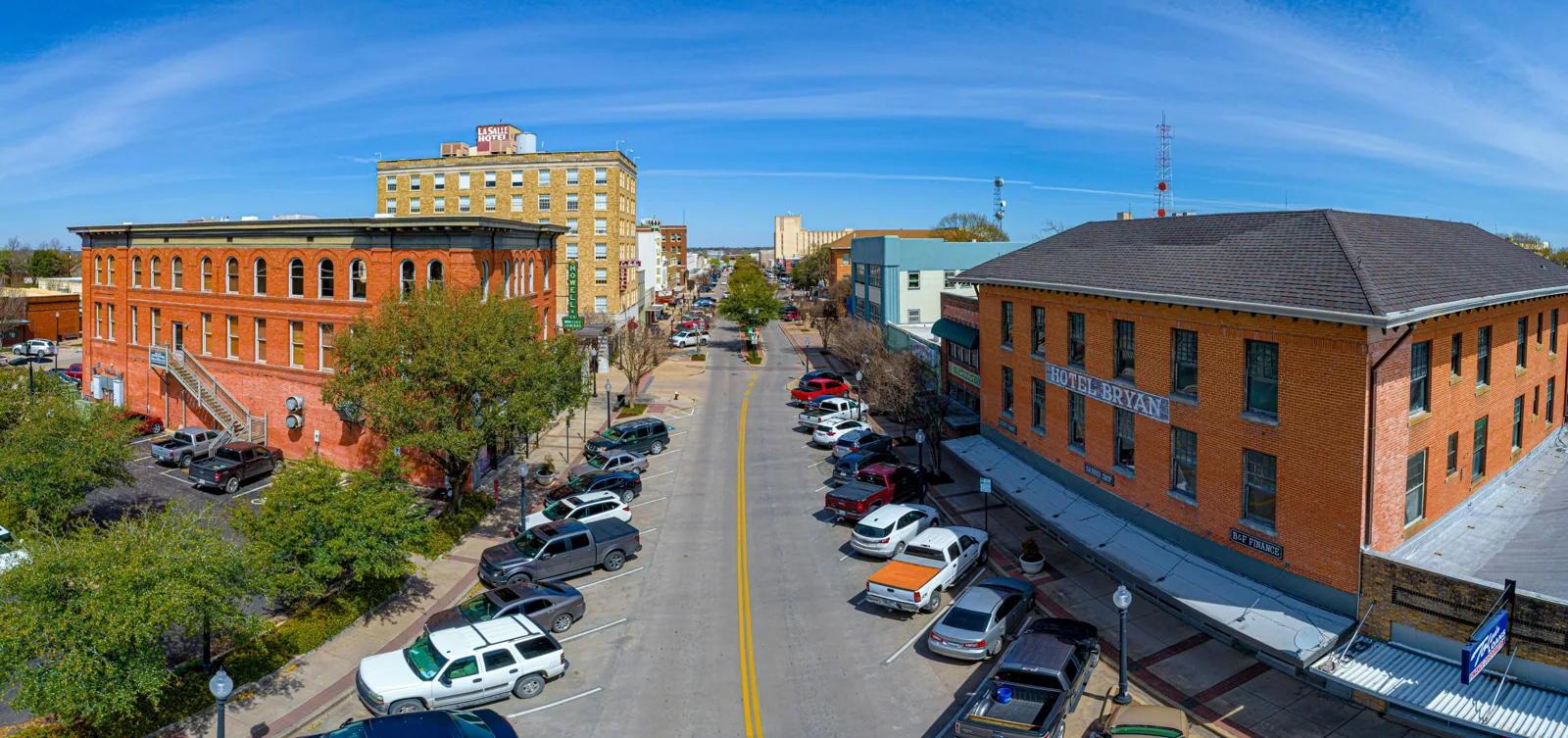
Refrigeration, loading and roof-access requirements vary by property, so we check them before setting a work window. The College Station weather station at Easterwood Field recorded 112 degrees on two dates in August 2023, a regional heat consideration for material handling and work windows. Restaurants, shops and galleries in Downtown Bryan have their own delivery and service patterns; a cold-storage roof needs timing tied to refrigeration and loading. For a roof visit in the Bryan service area, we confirm the equipment, assembly and access at the building.
Moisture control: Read the roof from both sides
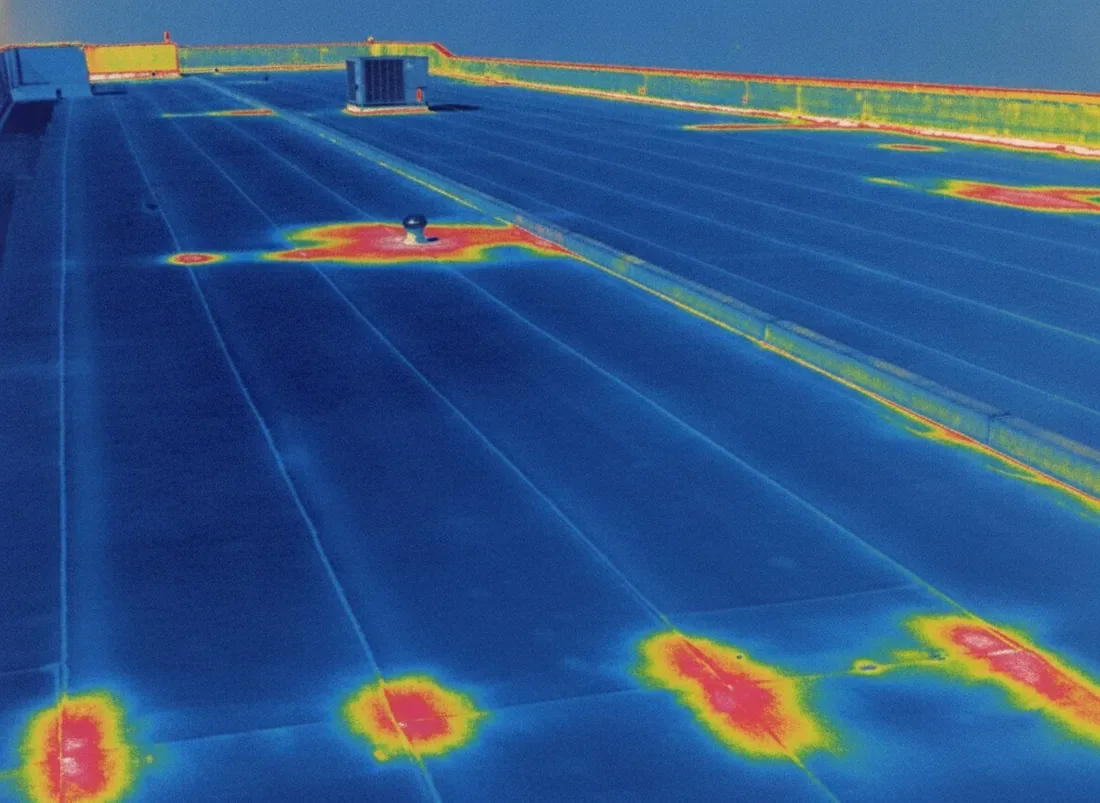
Cold storage assemblies may face a vapor drive different from a conventional conditioned building. The direction and strength depend on interior and outdoor conditions, insulation placement and the existing control layers. We look for condensation evidence, wet insulation, corrosion, membrane separation and interior staining, then distinguish visible symptoms from confirmed assembly conditions. Infrared imaging may help choose follow-up areas when the roof surface and weather support that method. A test cut can verify layers and moisture at a selected point before the scope assumes the entire field is affected.
Where the assembly is wet, placing a new surface over it can preserve a condition that needs correction. The repair boundary may follow a localized penetration, a transition or a broader section requiring removal. We record where further testing is needed and coordinate interior protection before an opening. A moisture survey can inform that decision, while manufacturing plant roof planning addresses related coordination around operating equipment and production needs.
Penetrations: Coordinate refrigeration equipment
Refrigeration lines, exhausts, condensers, drains and electrical routes can pass through or sit above the roof. Each curb or sleeve must keep the membrane continuous and remain serviceable after the roofing crew leaves. We map visible equipment, inspect flashing, note abandoned penetrations and identify which units can stay in place. If equipment needs to move, the mechanical contractor's sequence, lift path and reconnection plan must align with roofing access and the building's operating requirements.
Before cutting a roof opening, we agree on dimensions, temporary protection and who restores each layer. The roofing scope should state whether a new curb is furnished by the mechanical trade, who flashes it and what closeout record is expected. A curb and support detail can be sequenced with the roof work; membrane and metal systems require different connections. We check that access to drains and equipment remains possible once work platforms or new supports are installed.
System selection: Match the membrane to the assembly
System choice is only one part of a cold storage roof decision. Existing layers, deck, attachment, vapor-control design, insulation and drainage all affect whether localized repair, recover or replacement is appropriate. We inspect seams, fasteners, metal edges, walls, drains and transitions, then compare the observed assembly with available records. A recover may be possible when the existing roof and project requirements support it; it is unsuitable if concealed moisture or unsound material remains unresolved.
A TPO membrane, PVC membrane, EPDM or modified bitumen has distinct seams and flashing details. We explain how those details connect at drains, curbs, walls and tie-ins instead of selecting a membrane based only on a product label. Bryan's hot weather also affects installation windows. Easterwood Field in College Station recorded 112 degrees on two dates in August 2023. The property's roof surface and forecast guide staging and preparation.
Operations: Protect temperature and inventory
Material staging, roof access and interior work zones should be planned with the facility operator before mobilization. We identify where lifting equipment can set up, whether dock activity restricts deliveries and how workers enter the roof without crossing a controlled area. The daily plan keeps exposed sections small enough to reach dry-in and sets a response if weather interrupts the shift. If refrigeration work requires a shutdown, the mechanical schedule and roofing sequence need a confirmed handoff so an opening is not left waiting for another trade.
For an occupied cold storage building, temporary protection, dust control and the route for removed roofing deserve special attention. The general contractor and facility lead establish how changes are communicated and which interior locations require protection. A phased reroof plan can separate active work from operating zones. Work windows may vary by roof section and equipment availability, so we agree on each stage rather than promise one sequence for every building.
Drainage: Keep outlets clear through construction
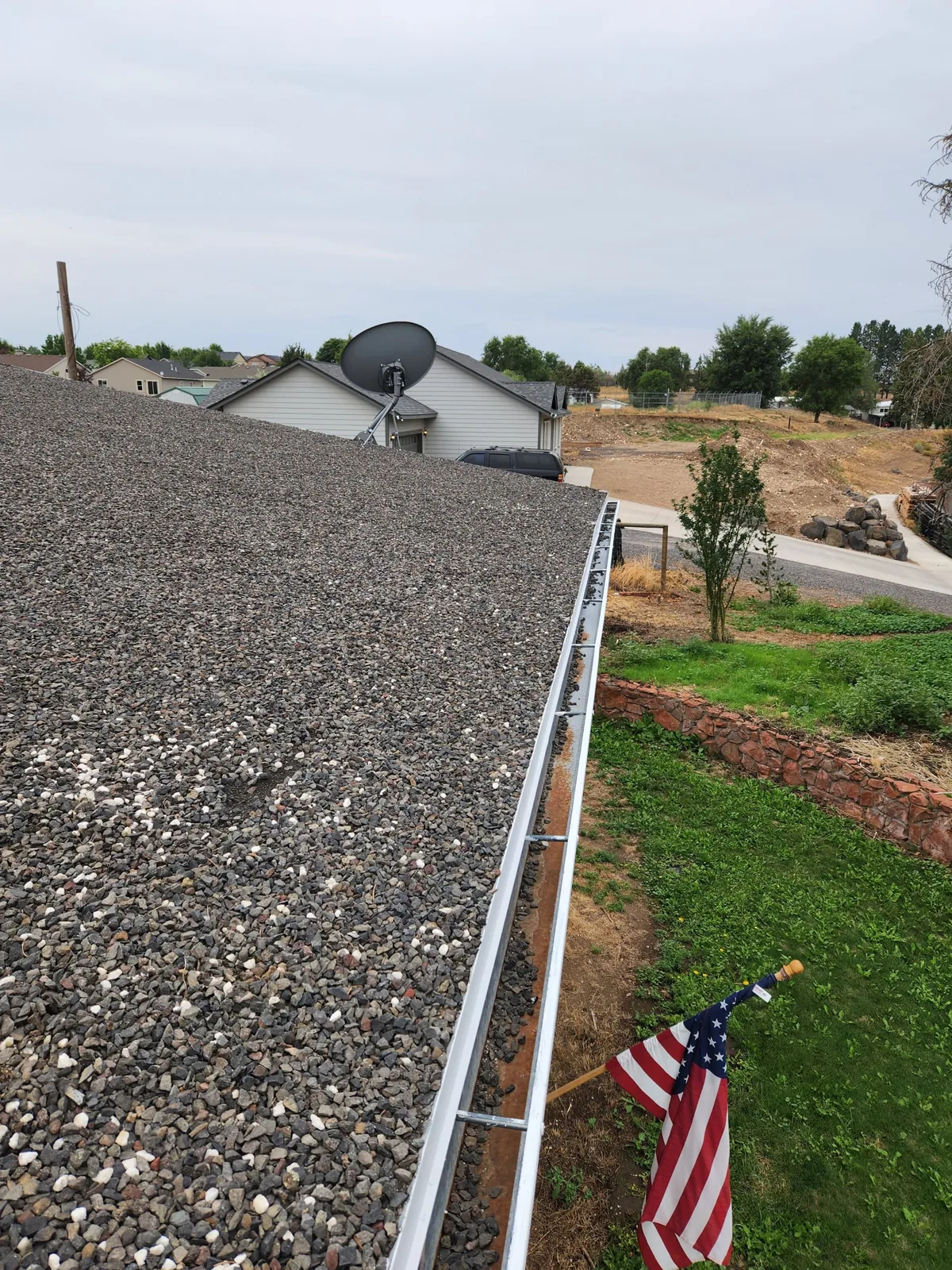
Insulation changes and new roof layers can affect drainage elevations. We inspect slopes, drain bowls, strainers, scuppers and gutters, noting ponding and any path blocked by equipment or previous repairs. A roof that holds water near a penetration may need both a flashing repair and a drainage correction. We trace interior signs toward the roof and check the surrounding membrane before assigning the repair boundary. During construction, drain protection and debris control are part of maintaining the water path.
At a parapet, expansion joint or addition, the transition must connect to a surface that remains sound and dry. We plan the tie-in so the crew can close the day's work and preserve access for later maintenance. A commercial roof inspection records those conditions, and the related distribution center roofing scope addresses roof work where shipping activity and staged access also affect sequence.
Frequently Asked Questions
Can you tell from inside whether the roof is leaking?
Interior condensation, staining or corrosion can guide the inspection, but each sign needs to be compared with the roof assembly and conditions above it. We trace the water path and confirm concealed questions before assigning a repair boundary.
Can a cold storage roof be recovered?
A recover is an option only when the existing layers, moisture, deck and project requirements support it. We inspect the assembly and identify where direct confirmation is needed before covering existing material.
Do refrigeration units have to be removed?
Not always. We inspect curb and flashing conditions, then coordinate with the mechanical trade if lifting or disconnection is needed. The scope establishes how each opening is protected and closed.
How do you protect inventory during reroofing?
We coordinate roof sections, temporary protection, material paths and interior work zones with the facility lead. Each shift has a defined area and dry-in boundary so an exposed section does not extend beyond the planned work window.
Does Bryan's heat affect a cold storage roof project?
Heat affects surface preparation, materials and crew timing. At Easterwood Field in College Station, temperatures reached 112 degrees on August 20 and again on August 27, 2023. The crew still sets its work window from the roof surface and current forecast.
Closeout: Document the assembly and next check
Closeout should identify roof areas replaced or repaired, materials installed, penetrations altered and drains checked. Photographs and written condition notes help the facilities team distinguish a new roof detail from later service work. We include the applicable inspection milestones and access needs in the closeout schedule, then provide the facility team with the project record and any conditions that call for follow-up.
After handoff, maintenance can identify debris, loose flashing, punctures or equipment changes that need attention. A cold storage facility should keep roofing observations alongside mechanical work records so a later moisture concern can be evaluated against known roof changes. Our preventive maintenance visits document visible changes and repair needs; they do not substitute for investigation where concealed moisture or vapor-control questions remain. The next inspection interval and any additional testing should follow the assembly's actual condition and facility access requirements.
Review the cold storage roof assembly
Share the roof concern, refrigeration equipment changes and preferred work window. We can inspect the assembly, define any follow-up testing and coordinate a dry-in plan around facility operations.