Home / Service Areas /
Commercial Roofing in Brazos County Industrial Park, TX
The April 2021 hail across Bryan-College Station puts seams, edges and cover board on the inspection list. At Brazos County Industrial Park, we inspect the affected assembly, trace drainage and agree on roof access before opening any section.
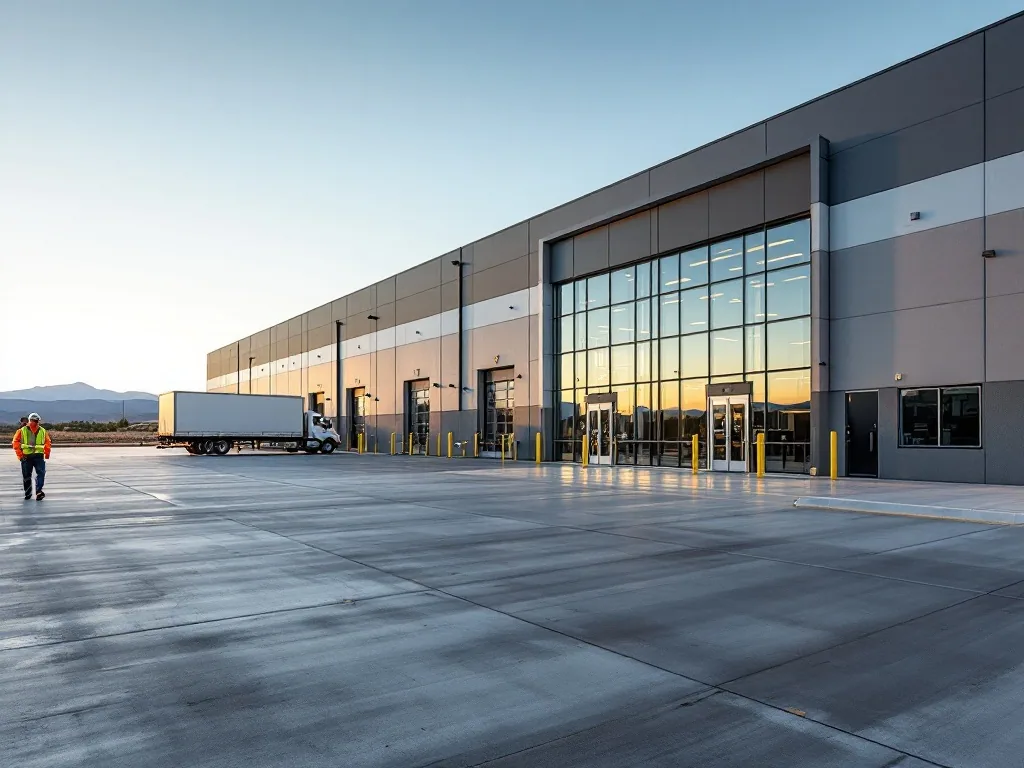
Brazos County Industrial Park lies west of FM 2818 and south of State Highway 21. The park spans multiple business properties, so access, staging and work windows are confirmed with the contact for the affected building. We provide commercial roofing service in Bryan and coordinate the field scope with the owner, property team and general contractor.
Park position: orient the work before mobilization
FM 2818 and State Highway 21 give the project team a useful orientation for delivery planning. Before mobilization, we confirm which entrance serves the work area, where trucks can stage, how a lift can reach the roof and which loading paths must remain clear. Those checks matter when crews, materials and building operations share a workday.
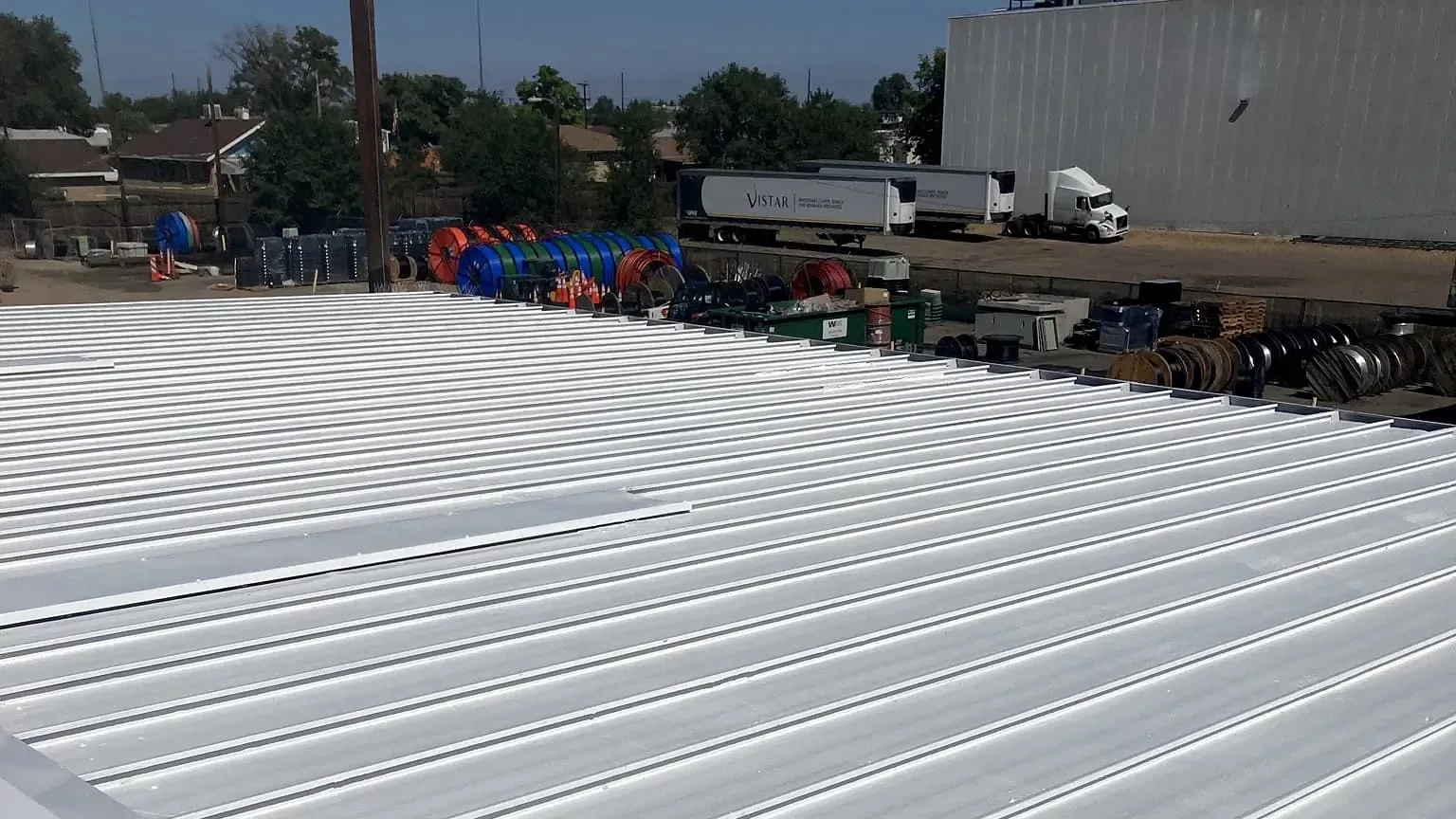
The park covers multiple properties, and each roof needs its own field review. Assemblies can differ from one property to the next, including single-ply membrane, layered bitumen, metal, coatings or a later recover. We inspect the actual surface, note available records and mark any area that cannot be reached safely. A separate roofing work plan for Bryan Business Park follows that area's own building access and roof conditions.
Where the project team has several roofs in the park, give each building and roof zone a working identifier before pricing. A zone map supports photographs, repair notes, daily progress and closeout. It keeps one roof’s condition from being carried into another property’s scope.
Operating space: keep production and roof access in one sequence
Brazos County Industrial Park contains separate business properties with their own access arrangements. An active loading area, production schedule or delivery path can affect where roofing material is staged and when a roof section can be opened. We ask the site contact to identify restricted routes, shift changes, overhead work limits and the person who can release each area. The field plan ties those constraints to roof zones rather than placing every task in one undifferentiated work window.
Before tear-off or repair, confirm where debris will travel, how workers reach the roof and how materials move from staging to the work face. A lift location can affect truck circulation; an equipment route can cross a loading lane; a roof opening can require protection below. We identify those interfaces with the general contractor and set a dry-in point for each shift. If operations change, the crew needs a clear route to pause, secure the roof and hand the area back.
For a building with continuous activity, we can split the scope into manageable zones and define what must be completed before the next trade enters. The general contractor can use a roofing handoff plan to keep access, schedule and closeout responsibilities visible across trades. A phased reroof sequence is useful when work has to move through an active property without leaving an exposed section behind.
Field review: follow drainage, seams and edges
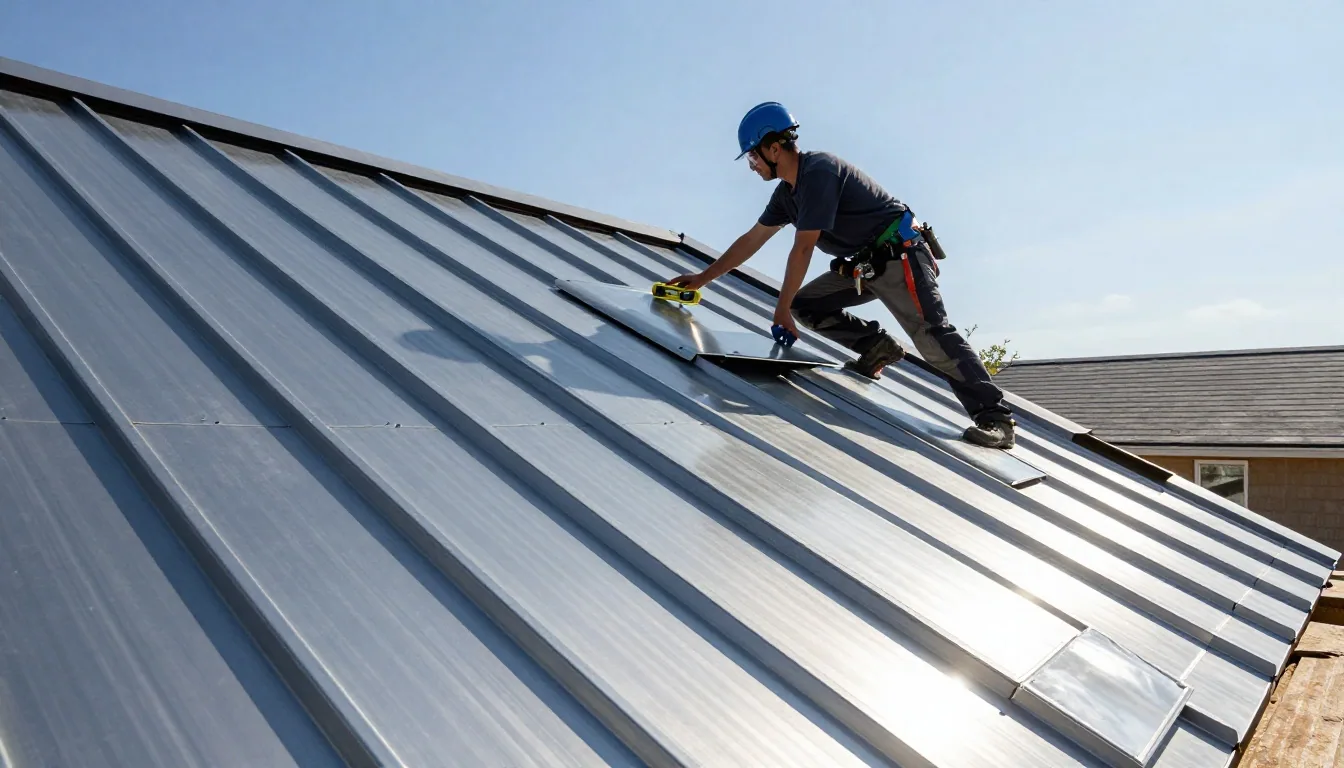
A commercial roof inspection begins with the water path. We mark drains, scuppers, overflow points, low areas and roof sections where equipment interrupts flow. Ponding can increase exposure at laps and flashing, but the visible water mark may sit away from the point that admitted it. We compare interior reports with roof details, follow the path uphill and record where the evidence supports a repair boundary.
At the perimeter, we inspect edge metal, coping, wall terminations and changes in roof height. At penetrations, we check flashing, counterflashing, curb transitions and nearby seams. A roof may have several repair generations, so we note patch material, overlap and attachment rather than assume each layer belongs to the original system. A commercial roof inspection can document the current condition before a repair or replacement scope is set.
Storm history is useful when tied to an inspection date. Hail diameters of 1 to 2.75 inches were reported around Bryan-College Station in the April 8, 2021 storm, whose most significant hail there fell from 9 to 9:30 p.m. We photograph punctures, displaced metal, open seams and interior signs at the property, then connect the observed condition to a defined repair boundary. Where moisture below the surface is a concern, a photo-backed condition report can mark the area checked and any open question.
Repair options: match the scope to the roof in front of us
A localized repair may fit when the surrounding membrane, plies, insulation and deck remain serviceable. We prepare the affected detail as the assembly requires, remove material that cannot support the repair, and tie the correction into sound roofing. The scope identifies preparation, compatible materials, flashing, edge work and repair limits. That gives the owner a boundary to revisit during the next maintenance walk.
When the roof has repeated leaks, widespread wet insulation, failing attachment or multiple incompatible patches, a small repair may not address the underlying condition. We compare the repair area with the broader assembly and identify what testing could change the recommendation. For replacement, the proposal states tear-off or recover assumptions, insulation work, perimeter details, drain corrections, temporary protection and included areas. A commercial replacement plan can show how work is divided to maintain daily dry-in.
A roof system must suit the deck, slope, existing material, rooftop activity and intended sequence. The product label alone does not decide the choice. We review attachment, seams, flashing and drainage together, then document why the proposed assembly fits observed conditions. If drain or scupper correction is part of the work, the scope identifies the outlets, adjacent membrane and test needed for closeout.
Closeout: leave a record the next crew can use
After the work, the owner should receive a record that identifies buildings and zones completed, materials installed, photographs, inspection notes, approved changes and remaining maintenance items. We tie each photograph to a roof location and note where a tie-in meets existing material. A field change should show who approved it and what condition required the adjustment.
When roof-finish replacement falls inside Bryan city limits, the roofing contractor obtains the required permit and the work receives a final inspection. The team confirms jurisdiction and files those records at closeout. For an industrial-park roof, the file also needs the agreed access route, staging limits, temporary dry-in record and handoff to facility staff. Those details help the next inspection team understand what work occurred and where review should begin.
Owners who manage several properties can add the new roof record to a roof asset register and use a scheduled maintenance visit to check repairs, drains and flashings. That follow-through keeps records separate and helps plan the next task.
Frequently Asked Questions
Does the 2019 tornado east of Bryan establish damage within the industrial park?
No. It is a dated Bryan weather event, not a finding about a particular roof. We inspect the actual assembly and document current conditions before setting a repair boundary.
What should the site contact arrange before a roof crew arrives?
Identify the work-zone entrance, approved staging area, loading routes that must stay open, roof access and the person who can release the work area. We align the lift and dry-in sequence with those constraints.
Can one roofing scope cover several buildings in the park?
Yes, if each building and roof zone is identified and inspected. We keep findings and repair boundaries separate so a condition or assembly on one roof is not assumed to apply across the rest.
How do you decide between a repair and replacement?
We compare the defect with surrounding membrane or plies, insulation, deck, attachment, drainage and prior repairs. The proposal explains the repair boundary and notes any testing that could change a broader replacement scope.
What closeout records help with future maintenance?
Keep zone maps, before-and-after photographs, material and scope details, inspection results, approved changes and open items together. A clear handoff lets the next visit compare the same roof areas.
Plan a roof review for the industrial park
Share the roof condition, building use, access limits and proposed work window. We can arrange a walk, document the roof zones and agree on the next roofing task.