Home /
Commercial Roofing in Bryan, TX
About Commercial Roofing Bryan
A roofing handoff can fail when the opening, dry-in responsibility, and next trade are described as separate problems. Commercial Roofing Bryan prepares scopes that connect the roof condition to the work sequence, building access, and closeout record. We work with general contractors, property teams, facility managers, and building owners on commercial roof repairs, replacements, restoration, inspection, and maintenance. The first site review identifies the visible roof conditions, the next check and the work that can proceed.
Field review: identify the roof and the decision
A useful inspection goes beyond a surface glance. We identify the membrane or metal where it can be confirmed, review seams, flashing, drains, curbs, edges, and penetrations, and tie observations to roof zones. A commercial roof inspection can establish a baseline for a repair scope or planned renewal. When temperature patterns may help locate concealed moisture, an infrared survey can identify areas that may need confirmation with another method. The report states access limits and keeps a visible observation separate from a conclusion about hidden layers.
For Bryan-College Station, hail on April 8, 2021 ran from 1 to 2.75 inches, with the most significant fall between 9 and 9:30 p.m. The 2019 EF-2 tornado damaged one house and four commercial buildings or warehouses in Brazos County, with touchdown about four miles east of Bryan. Owners can match those dates against their own repair files; the field walk and roof-zone photos set the current work boundary.
Repair choices: protect the building and close the opening
When water is active, safe dry-in comes first. We coordinate roof access, interior protection, and the work area with the property contact, then record the temporary measure and what needs permanent correction. A wind damage review or hail assessment can help map visible impact, but the repair method follows the installed assembly. On a membrane roof, a tie-in must connect to sound material; on metal, panel and fastener details shape the correction. We define the boundary and identify whether testing or a wider removal is necessary.
Not every roof needs the same project. A localized defect may support repair, a compatible coating may renew a surface that remains suitable, and repeated failure or moisture across separate areas can make replacement a better comparison. We inspect drainage, attachment, insulation, cover board, and deck where accessible. The recommendation describes why the work stops where it does and which condition could change the scope. A commercial repair and a restoration option start with the same requirement: a roof condition the selected work can address.
Materials and details: specify the assembly
Commercial roofs use different materials and seam methods. TPO and PVC membranes are heat-welded; EPDM uses a different seam approach; modified bitumen and built-up roofs rely on layered asphalt details; standing-seam metal depends on panels, clips, fasteners, and perimeter work. We match the repair materials to the installed system rather than assuming two surfaces that look alike are compatible. At curbs, skylights, parapets, drains, and expansion joints, the water path and connection detail need to work together.
A new roof also needs a buildable transition from existing walls, equipment, and roof zones. We coordinate with the general contractor when a mechanical unit, pipe support, or opening affects the roof sequence. The roof system review can connect material selection with attachment, insulation, and edge details. Product names alone do not answer what is on the deck; we use available records and field evidence to identify the assembly before setting a repair or replacement scope.
Coordination: align the roofing sequence and permits
A roof opening affects the trades that work above and below it. We set out dry-in responsibility, tie-in limits, temporary protection, roof access, and the condition needed for the next trade to proceed. The plan names the work window and any area that must remain available to tenants, deliveries, or production. A phased reroof plan can help keep an occupied property usable while work moves from one section to another. Before mobilization, the property contact and contractor should know how a change in substrate or weather will be communicated.
For roof-finish replacement inside Bryan city limits, the roofing contractor obtains a building permit and schedules the final inspection. Bryan's development-services permitting portal handles online applications, inspection scheduling and results. We put both checkpoints in the work sequence and keep the inspection record with the completed roof scope.
Local work: plan around the property setting
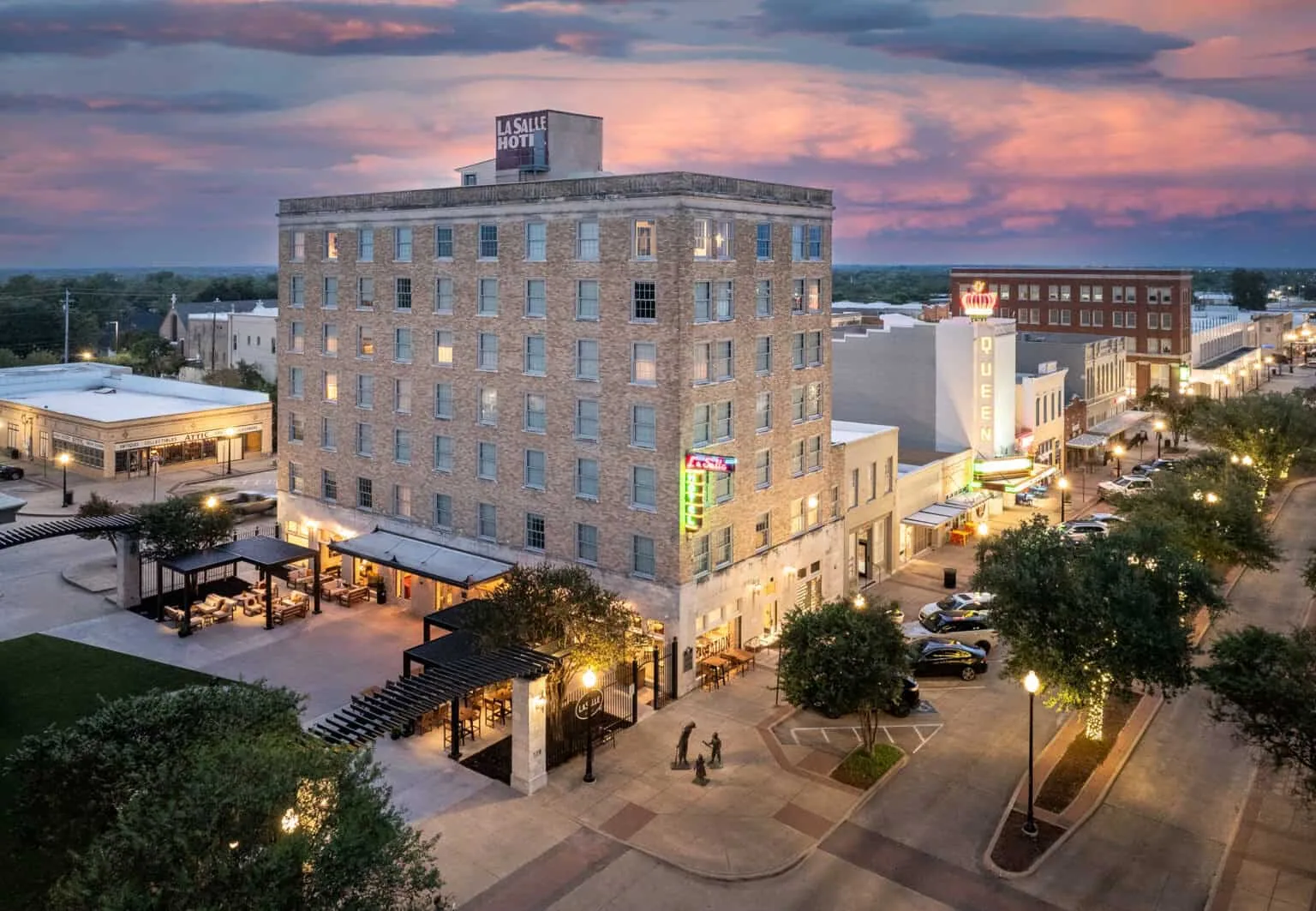
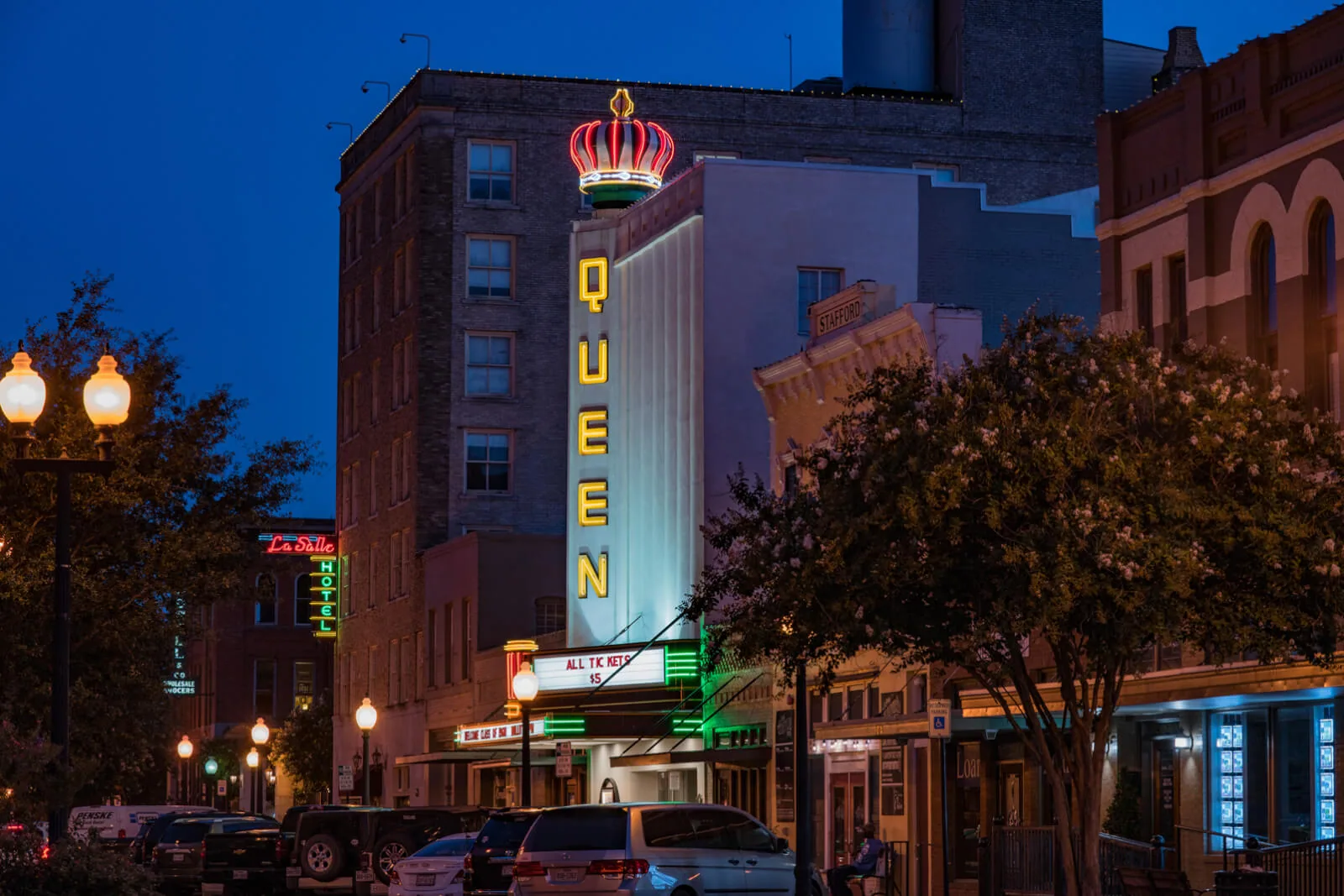
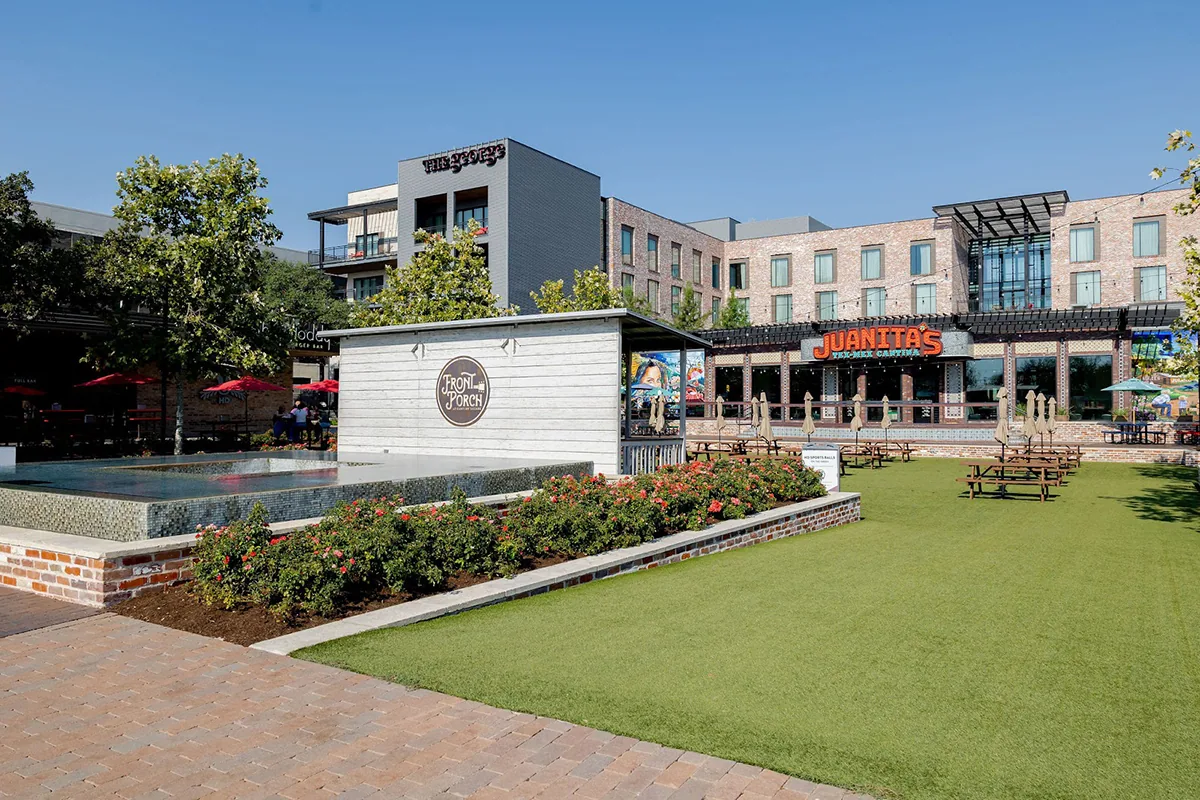
Brazos County Industrial Park and Bryan Business Park are Bryan's two public industrial parks. Downtown Bryan includes restaurants, shops and art galleries, where pedestrian routes can affect staging and the work window. At each property, we confirm roof access, material placement, operating limits and the person who can release the work area.
The building's use determines how deliveries and roof access fit the work window. Along a corridor with storefront entrances, we coordinate lift placement and pedestrian protection with the property contact. A roof visit in Bryan starts with the property location and access contact, while a general-contractor coordination scope sets the roof boundary and following-trade handoff.
Records: carry the decision into future service
Closeout should tell the next reviewer where work occurred, what material was installed, how the tie-in was completed, and what remains open. Photographs should connect to a roof section and show both the detail and enough surrounding surface to find it again. We note test openings, moisture findings, access restrictions, and any area outside the authorized scope. A roof asset management plan can organize the record across properties, while a maintenance visit can check repaired drains, seams, flashing, and edges over time.
Each recommendation names the evidence behind it. We explain whether the field evidence supports repair, restoration, replacement, or further testing, and we identify what the owner or contractor needs to decide. If a future visit finds a different condition, that finding is recorded as new information rather than folded into an earlier assumption. The closeout leaves the building team with a roof record and a defined next task.
Questions from Bryan Building Owners
What should be in hand before the first walk on a Bryan building?
Roof plans, prior repair notes, the reported condition, access instructions, operating hours, and the decision date help define the field review. We can identify what is missing before the visit.
Can you help a general contractor sequence roofing with other trades?
Yes. We define the opening, dry-in responsibility, substrate handoff, tie-in, access path, and closeout. When a mechanical or other trade detail affects the roof, we state the required sequence in the scope.
How do you decide between repair and replacement?
The recommendation follows the observed extent, moisture, attachment, deck condition, and repeated failure history. We explain the repair boundary and compare broader work when the roof evidence supports it.
What happens after roof work is complete?
The closeout records the work area, material, photographs, completed detail, and any remaining item. For city-limit roof-finish replacements, the closeout should include Bryan's required permit and final inspection record.