Home / Service Areas /
Commercial Roofing Along Texas Avenue in Bryan, TX
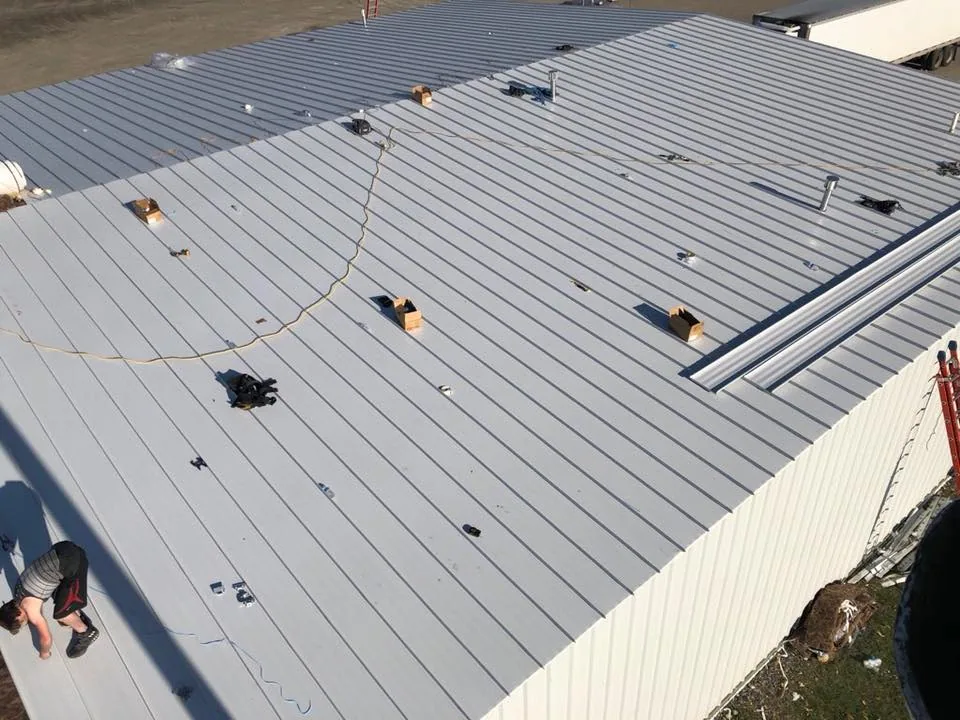
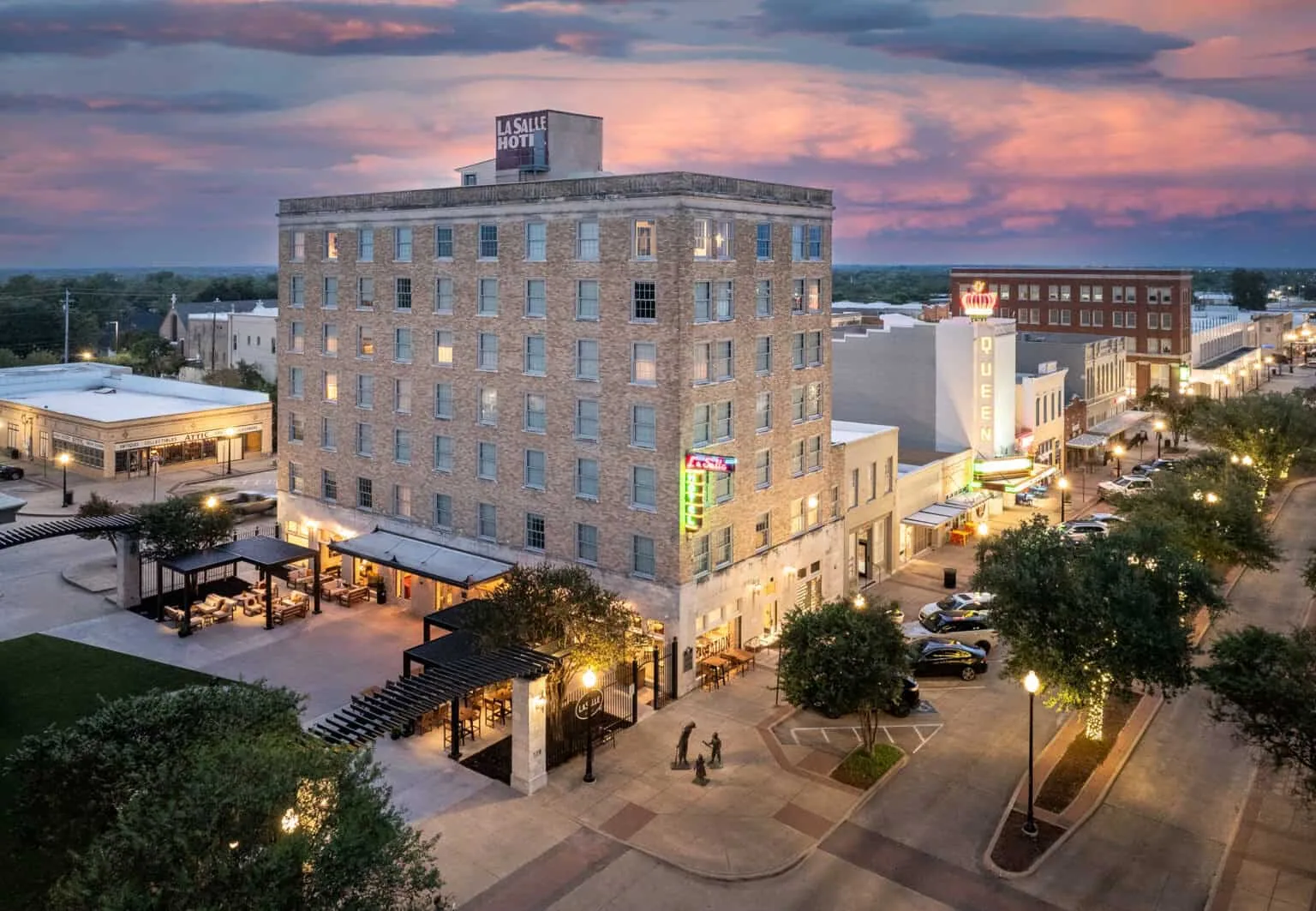
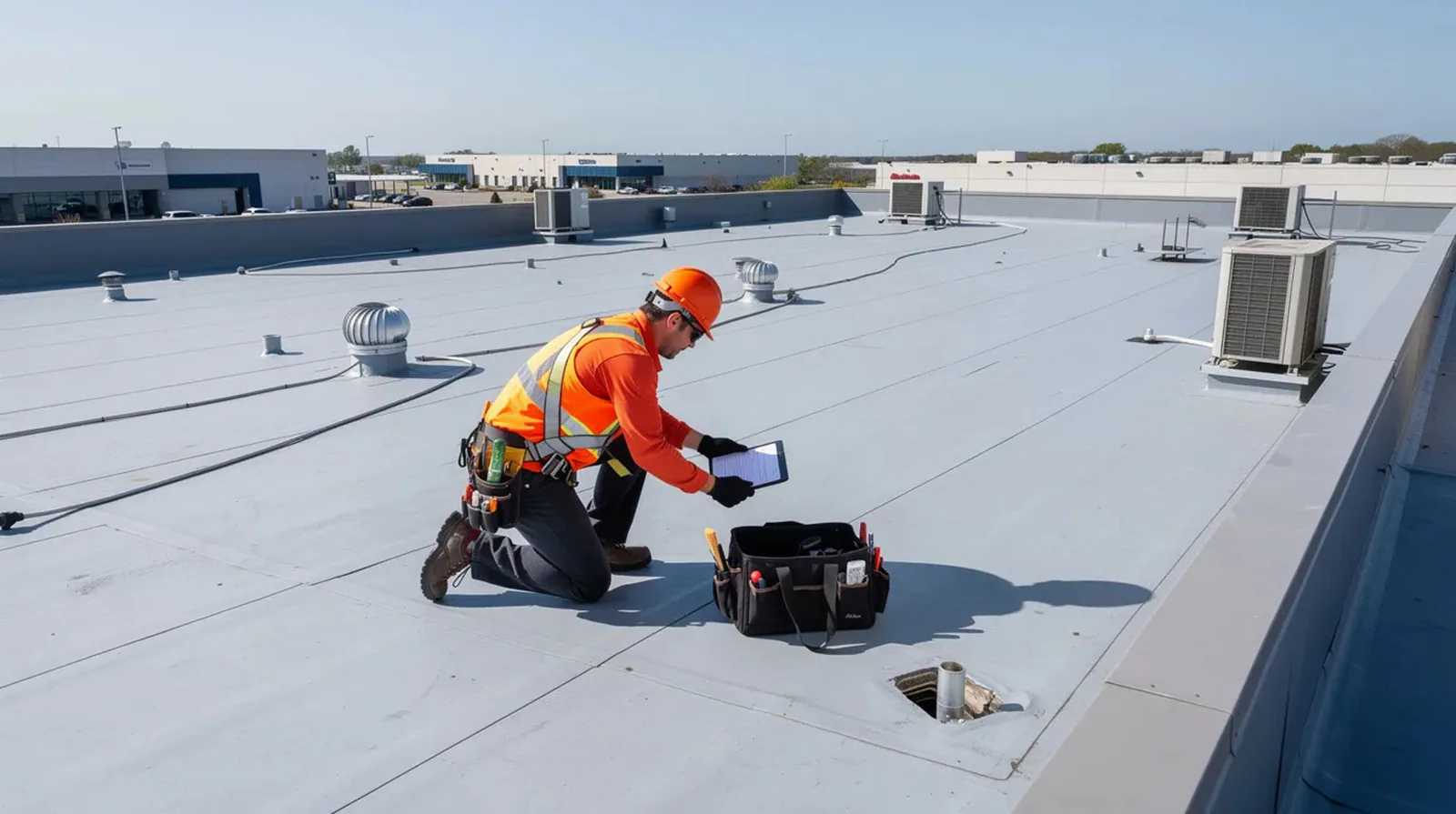
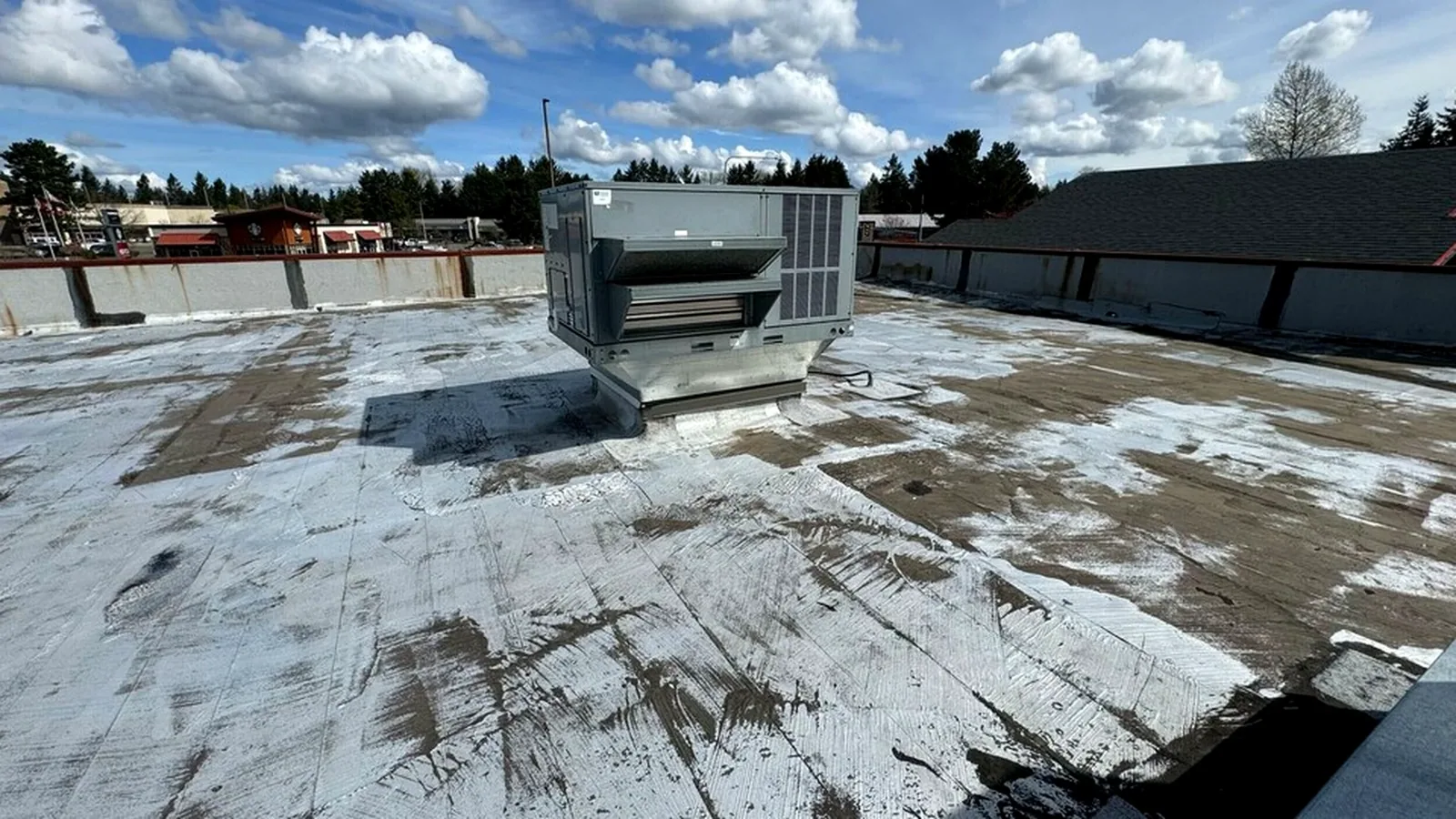
A Texas Avenue roof project needs agreement on storefront access, the work area overhead and any wall or sign connection affected by the proposed flashing or membrane repair. Texas Avenue is a Bryan corridor for retail and commercial property improvements. At each address, the roof walk records membrane condition, edges, drainage and interior reports. The corridor's storefront and site improvements can shape staging, so we confirm the roof assembly, water path and access at the specific property. We map visible distress, distinguish verified conditions from open questions, and agree on a work boundary and access window with the property decision-maker. A commercial roof inspection documents conditions and helps compare repair, recovery or replacement options.
Corridor context: Separate roof scope from streetscape work
The Texas Avenue corridor beautification program supports exterior facade work and also addresses business signage and site improvements. Coordinate storefront, signage and roof transitions with each contractor so the facade work and roofing scope remain distinct. We identify where the membrane meets a parapet, counterflashing or sign support, then note which trade owns each connection. If a lift or scaffold is needed for facade work, the project team can compare that access plan with material delivery and roof-edge installation. Along South College Avenue the field conditions differ, but the rule is the same: each building gets a separate roof map and work sequence.
Hail review: Put photos beside the roof-zone record
For a Texas Avenue roof file, April 8, 2021 is a useful hail comparison date; reports in Bryan-College Station reached 2.75 inches. After a hail report, we inspect seams, curbs and metal edges across each accessible roof section. Photographs and a marked roof-zone sketch connect visible conditions to the affected area and identify what needs repair or a closer check. A dented flashing, displaced edge or puncture can call for a different task than broad surface wear. When active water entry needs protection, the first visit records the exposed area, identifies a sound temporary tie-in and establishes which underlying layers need inspection before permanent repair. Our emergency roof response keeps temporary dry-in separate from the lasting work order. That distinction supports a clear handoff to the property manager and the next trade.
Edge detail: Connect the roof to the wall work
At the perimeter, membrane termination, metal edge, coping and wall flashing need to work as one water-shedding detail. When facade or sign work meets a roof edge, agree on the transition and repair boundary with both trades before staging. We check the attachment and flashing, note the adjacent wall condition and identify whether the roofing crew or another trade completes the final tie-in. Our edge metal and coping work includes the parts that keep water from entering at the roof line, while storefront improvements remain their own scope. Photos before and after work help the owner see what changed and whether a later visit is still required at that edge.
Water path: Trace the stain to its entry point
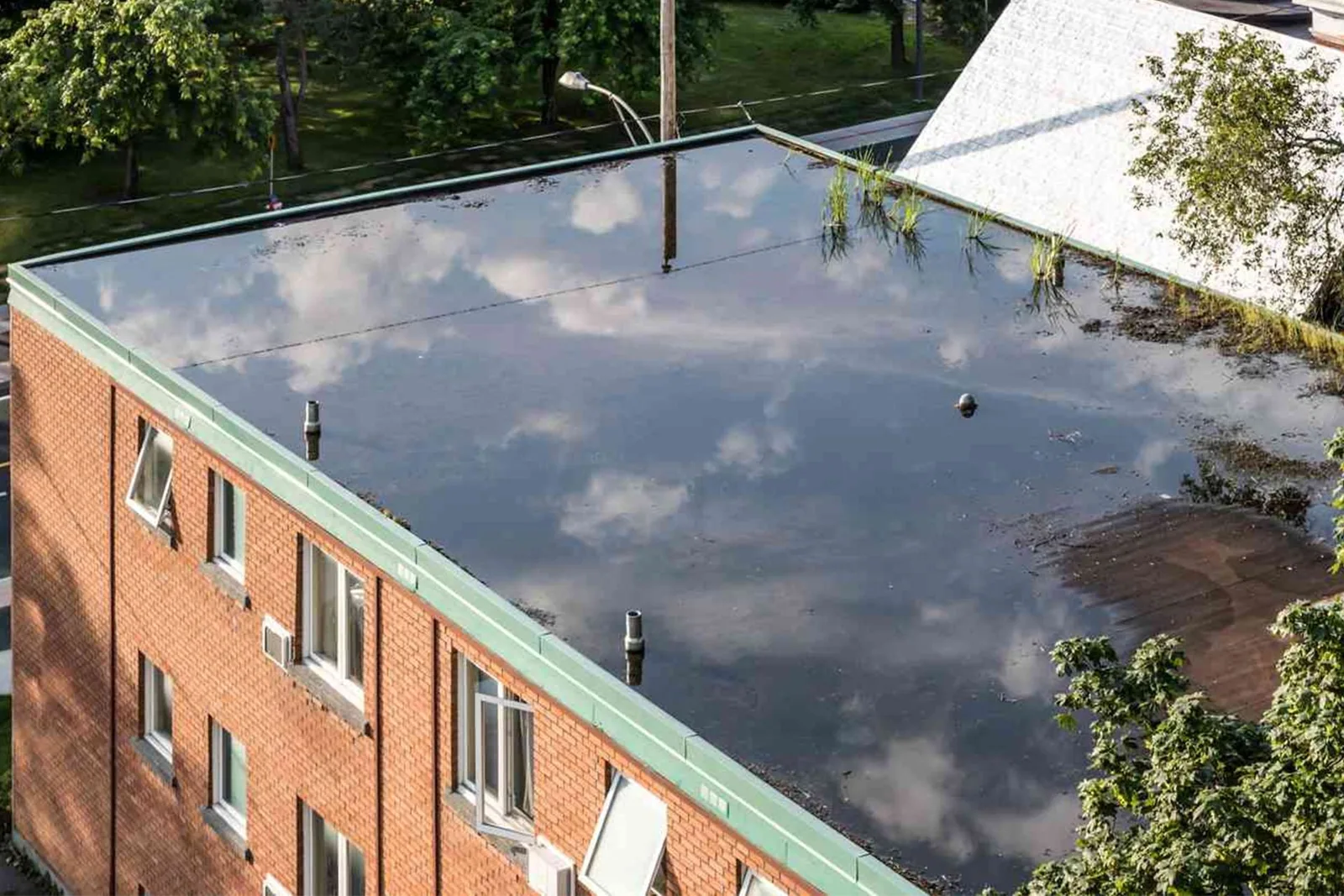
A ceiling mark may sit far from a failed seam, curb or drain, so the roof review connects the interior location to the details above it. We follow the membrane laps and flashing, check outlets and note insulation or substrate conditions where accessible. If water extends beyond a visible repair, the work boundary may need more investigation before installation begins. A drain that holds water can add exposure next to a seam, while a curb corner can admit water through a separate opening. We document those distinctions instead of pricing only the area over the stain. For a store or office along Downtown Bryan, we coordinate access with the site contact, then set the roof scope from the inspection rather than the street name.
Work window: Protect entrances and deliveries
Roof work along an active commercial corridor requires a delivery route, staging location and daily opening limit that fit the property. We confirm entrances and service paths with the site lead, then coordinate the crew's access with any facade, sign or mechanical work. A roof section is opened only when the crew can finish the planned task and close it against weather during that shift. If a rooftop unit needs service, the mechanical tie-in and flashing handoff are placed in the sequence before membrane is removed. The occupied-building work plan ties roof access, interior protection and return-to-use together. For an owner comparing multiple Bryan addresses, one set of calls across Bryan can be organized together while each roof decision stays tied to its own condition.
Frequently Asked Questions
Does the April 2021 hail event set replacement scope for a Texas Avenue roof?
We inspect the roof's membrane, edges, curbs and drainage, photograph observed conditions and set the repair boundary from the roof itself.
Can facade improvements and roofing happen in the same project?
They can share a schedule when the contractor assigns access, wall transitions and final tie-ins. We identify the roof edge and flashing work, then coordinate the handoff with the facade or signage crew so neither trade leaves an unfinished water path.
What should be included in a Texas Avenue roof inspection?
We record the roof assembly, seams, perimeter details, penetrations, drainage, interior reports and any area that needs closer investigation. The notes connect photos to roof zones and identify the repair boundary and proposed next task.
How do you protect a storefront during a roof repair?
We agree on the customer and delivery paths, staging area, interior protection and daily opening limit before work starts. The crew closes and dries in the section planned for that shift, then returns the area for normal use.
What changes the cost of corridor roof work?
The estimate changes with lift access, tear-off, wet materials, deck condition, drainage work, edge metal, equipment moves and dry-in. We identify visible conditions and note what needs confirmation before the estimate is treated as complete.
Repair boundary: Choose work that fits the assembly
A seam or flashing defect can stay within a repair scope if nearby membrane and insulation remain sound. Repeated leakage, wet insulation, weak attachment or broad wear can prompt a recovery or replacement review. A coating scope requires a compatible roof, sound preparation and a dry surface suited to that product. Cost and duration shift with removal, deck condition, edge details, insulation design, equipment moves and staging. Our commercial roof repair scope states the detail being corrected and what stays outside that boundary. If the roof requires a larger project, the estimate describes removal, dry-in, tie-ins and closeout so the owner can compare a defined assembly plan rather than a generic corridor allowance. Before mobilization, we map where equipment, sign supports and drains interrupt the roof field. That defines each work zone and the tie-ins to finish before the next trade arrives. If removal exposes a changed condition, photos record the new boundary so the owner can review the additional task before the crew continues.
At closeout, we record the completed roof zones, photos, repair notes and any open task for the property file. Where facade or signage work continues, the general contractor can align the final wall and roof transitions before access equipment moves. We confirm flashings, penetrations and drainage at the repaired section and note any follow-up inspection that remains. That record keeps the next trade from guessing at the roofing boundary. For storefront teams, a short closeout note can also identify when entrances, signs and staging areas return to regular use. If the project continues toward Bryan Business Park or another Bryan commercial location, its roof gets an independent inspection and handoff. For an active leak, the handoff records the temporary closure and remaining repair; planned maintenance can then revisit exposed joints, drainage paths and previously patched transitions.
Schedule a Texas Avenue roof walk
Send the property use, reported roof problem and preferred work window. We can inspect the surface, document the repair boundary and coordinate the next roofing task with your site lead and general contractor.