Home / Roof Systems /
EPDM Commercial Roofing in Bryan, TX
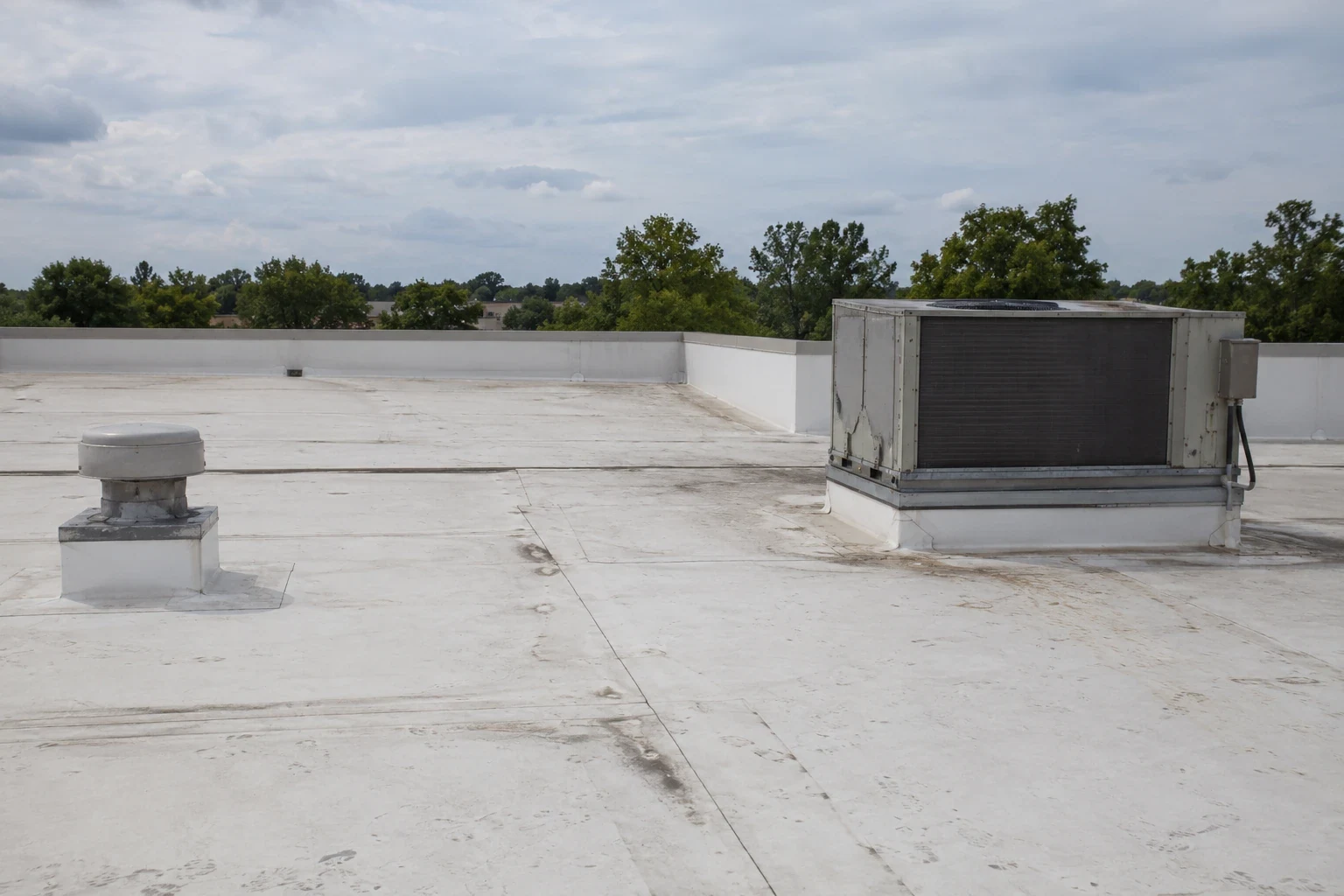
An EPDM repair needs a sound bonding surface and a clear tie-in to the existing membrane, while replacement calls for an examination of the supporting layers and a closure sequence that fits the building’s available work window. In Bryan, we inspect the rubber membrane, seams, edge conditions, insulation and drain details, then connect the observed condition to the decision the general contractor needs to make. A black EPDM surface absorbs heat, but color alone does not determine the right scope; assembly age, attachment, moisture and transitions shape the options.
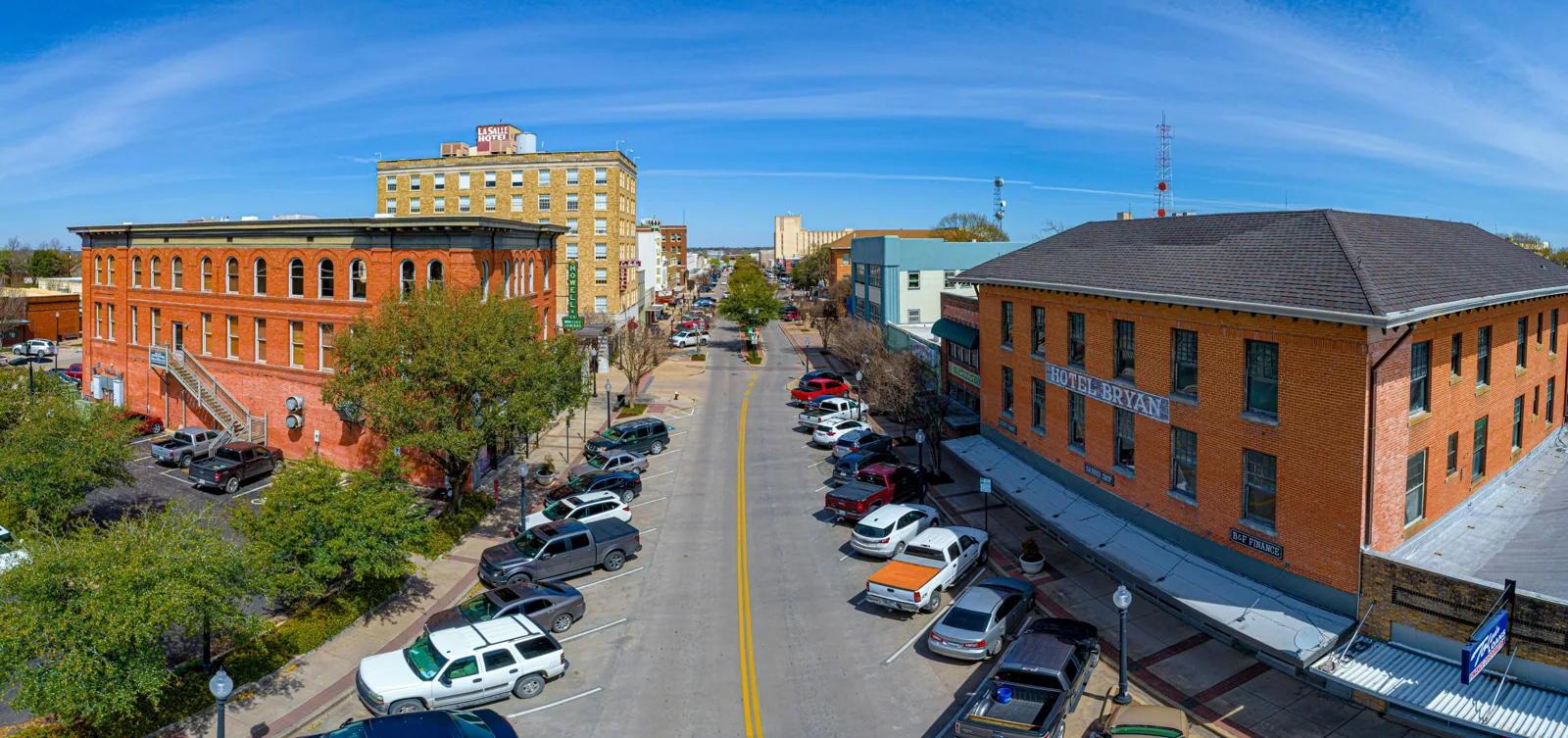
Brazos County saw a 2019 tornado east of Bryan; an EPDM inspection can compare earlier repair dates with that regional storm history. For a Bryan Business Park building, membrane work is planned after confirming access restrictions, interior protection needs, and the agreed work window with its contact. The roof walk connects these access arrangements to the seam repairs, substrate checks and temporary protection required by the proposed scope. We look at the membrane and the work area together, set repair boundaries and identify what must be protected before a section is opened.
Condition review: Separate wear from assembly failure
EPDM can develop punctures, open laps, shrinkage at perimeters, failed patches or aging around penetrations. A surface mark may be a local repair, while repeated separation or moisture beneath the sheet may change the project from patching to broader recovery or replacement. We document locations and conditions rather than treating all deterioration as equal. A thermoplastic membrane comparison and a modified bitumen assembly offer different approaches to single-ply and multi-ply construction. A roof inspection can map visible findings and identify where an opening, moisture investigation or other follow-up is needed.
Records of prior repairs, leak reports and roof sections help place those observations in context. If the building has more than one assembly or a phased addition, the same EPDM label may cover different ages and details. We check the transitions and tie-ins before setting a uniform recommendation across the entire roof. Where water entry has reached interior finishes, we coordinate the affected area with the facility team so that the roofing investigation follows the reported path and the immediate protection needs.
Seams and adhesives: Inspect each lap and repair
EPDM seams may be formed with tape or adhesive systems, depending on the assembly and installation details. We look for open edges, contamination, wrinkles and repairs that have lifted or hardened, then check nearby flashing and substrate conditions. A repair that bonds to dirty or weathered material can fail again at its edge. The correct seam repair begins with sound preparation and a defined boundary, not another layer placed over a moving or wet connection.
Field seams are only part of the inspection. At walls, curbs and perimeter edges, the membrane must terminate in a way that accommodates movement while keeping water out. EPDM may be mechanically attached, adhered or ballasted, and the existing attachment changes how repair or replacement can proceed. We review available drawings and visible conditions, then record where the assembly needs further confirmation. A proposed recover also requires review of added weight, deck condition, existing layers and moisture before any new system is placed above the old one.
Drainage and penetrations: Protect the assembly breaks
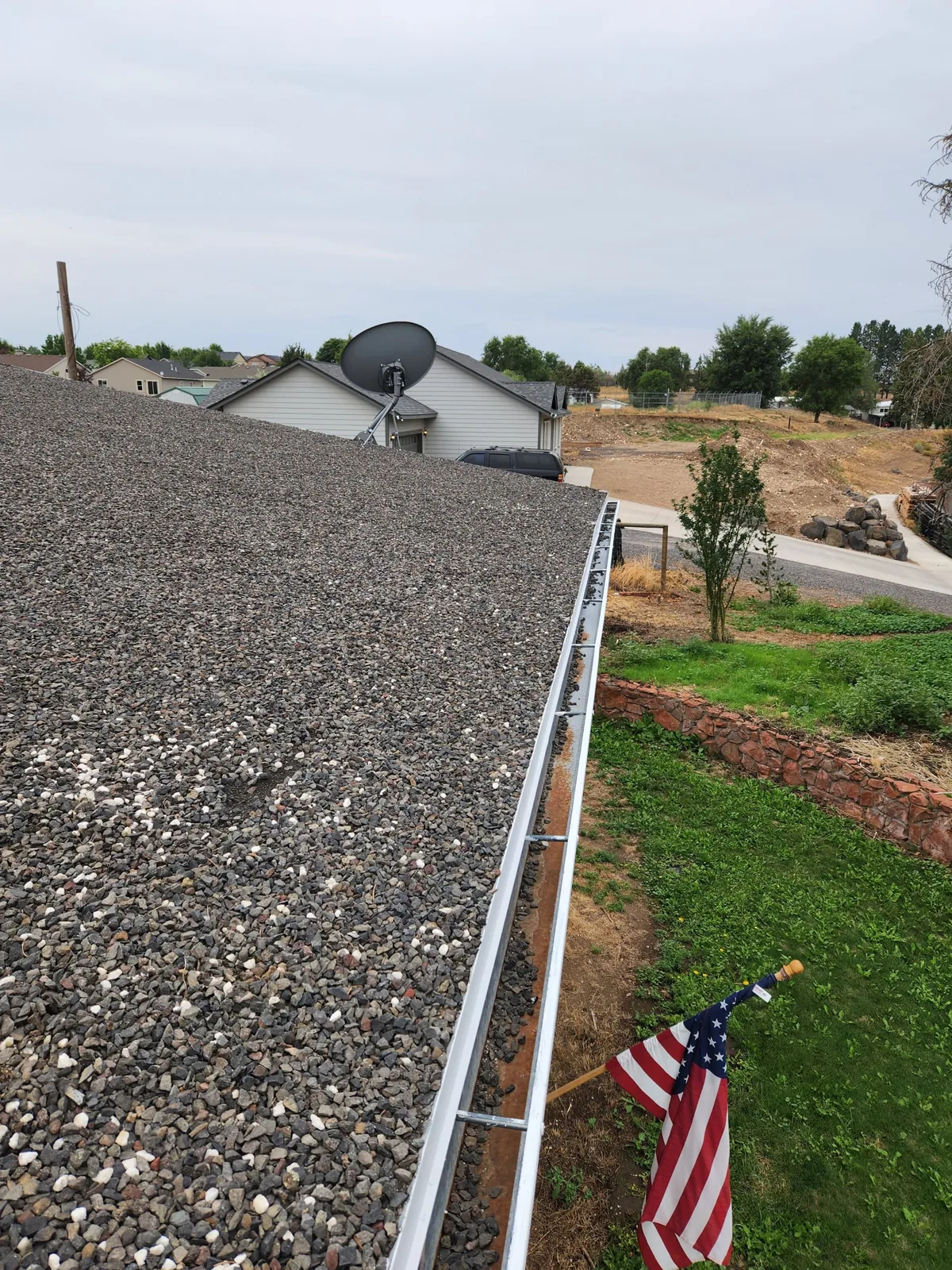
A drain is a roof opening, not just a point where water disappears. We examine the membrane termination at drain bowls, strainers and nearby seams, along with scuppers and overflow paths. Debris, loose clamping details or a low roof area can direct water toward a weak transition. A drain and scupper repair addresses the connection and water path, while a separate drainage or structural scope may be needed when slope is the underlying issue.
Equipment supports, vent pipes and skylights create additional junctions. We identify whether the flashing is secure, whether the membrane is split or stretched, and whether another trade has added or moved an opening. An equipment curb detail should be coordinated before the mechanical unit arrives so the curb, flashing and working sequence match. If roof work follows hail or wind concerns, a wind damage assessment can help separate membrane damage from unrelated wear on the same roof section.
Repair boundary: Choose a durable next step
A localized EPDM repair can make sense when the surrounding sheet, substrate and details remain serviceable. When seams, flashing and field membrane show repeated failure, treating each spot separately can leave the underlying problem in place. We compare the proposed repair area with the full roof condition, existing layers and project schedule. The scope states what is included, what remains outside the boundary and which hidden conditions could change the work after the surface is opened.
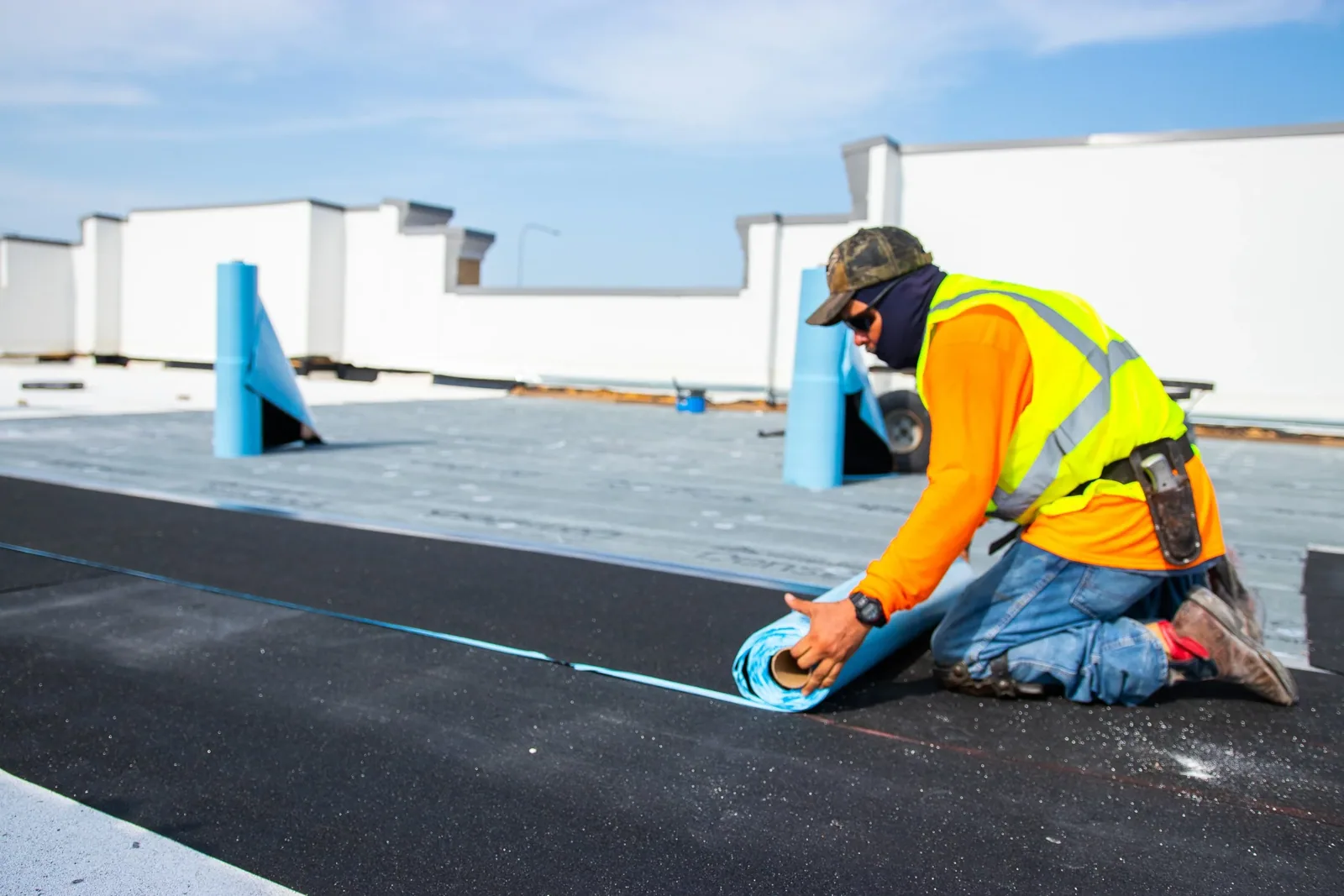
A replacement or recover also changes access, deliveries, debris movement and daily dry-in. We coordinate those steps with building operations and the general contractor, particularly when a roof area is above occupied space. We put municipal closeout access on the work schedule before the final membrane section is closed, then attach the inspection record to the roof photographs.
Maintenance record: Keep future roof decisions grounded
After repair or replacement, a useful record identifies the EPDM area addressed, adjoining details, drain locations and any remaining conditions that should be watched. A roof condition report can preserve photographs and written observations for the next maintenance decision. It should distinguish the membrane findings from questions that call for structural review or testing, so future work starts with a clear account of what was actually inspected. Record the date, accessible roof areas and weather conditions as well, because those details help interpret a later comparison after another season of service.
Routine attention focuses on debris, punctures, lifted edges, open laps and changes around later equipment work. A maintenance visit records those conditions and helps distinguish a small repair from a larger evaluation. For an active leak, the repair record identifies the affected seam or opening, surface preparation and compatible patch materials, with temporary protection distinguished from the completed membrane detail.
Before the walk, share the leak location, roof history, access limits, building use and any planned work above the affected area. We can compare the reported symptom with exterior details and agree on what the inspection can establish. For a Bryan roof, the next step might be a seam repair, testing at one suspected area, or a larger assembly review. Keeping those choices tied to observed conditions helps the contractor set a workable scope and gives following trades a clear handoff.
Frequently Asked Questions
Can an EPDM roof be repaired instead of replaced?
Often the decision turns on the condition around the defect. We inspect the membrane, seams, flashing, substrate and repair history, then define whether a local repair is supportable or broader work needs consideration.
What causes EPDM seams to open?
Preparation, bond condition, movement, weathering or an earlier repair can contribute. We inspect the lap and surrounding assembly to determine the physical cause and establish a repair boundary that can be prepared properly.
Does black EPDM make a building too hot?
Roof color affects solar absorption, but indoor conditions also depend on insulation, ventilation, building use and mechanical systems. We can document the roof assembly; an energy or HVAC analysis is a separate project decision.
Can a new roof go over existing EPDM?
A recover depends on the existing layers, moisture, attachment, deck, added load and project requirements. We review those conditions and identify whether openings or structural input are needed before proposing another layer.
What does a Bryan tornado review include?
We inspect the roof field, edge details, flashings, equipment connections and reported interior areas, then photograph findings and note follow-up needs. Check any older storm repairs for compatible materials, sound edges and a secure connection to the surrounding rubber membrane.
Review the EPDM roof condition
Share the roof history, building use, reported leak or storm concern, seam or flashing concern, current access limits and proposed work window. We can compare the symptom with the exterior details and agree on what the inspection can establish.