
Home /
Roof Systems in Bryan, TX
A roof assembly must be identified before an impact mark can be assigned a repair detail. Bryan-College Station saw significant hail on April 8, 2021, so we check actual impacts at seams, edges and flashing rather than assuming weather history proves roof damage. A roof review checks seams, edges, penetrations and drainage because the same mark can mean different things on a welded membrane and a metal panel. In Bryan, TX, the system choice also has to fit the building use, access route, permit scope, and work window.
Browse Our Roof Systems
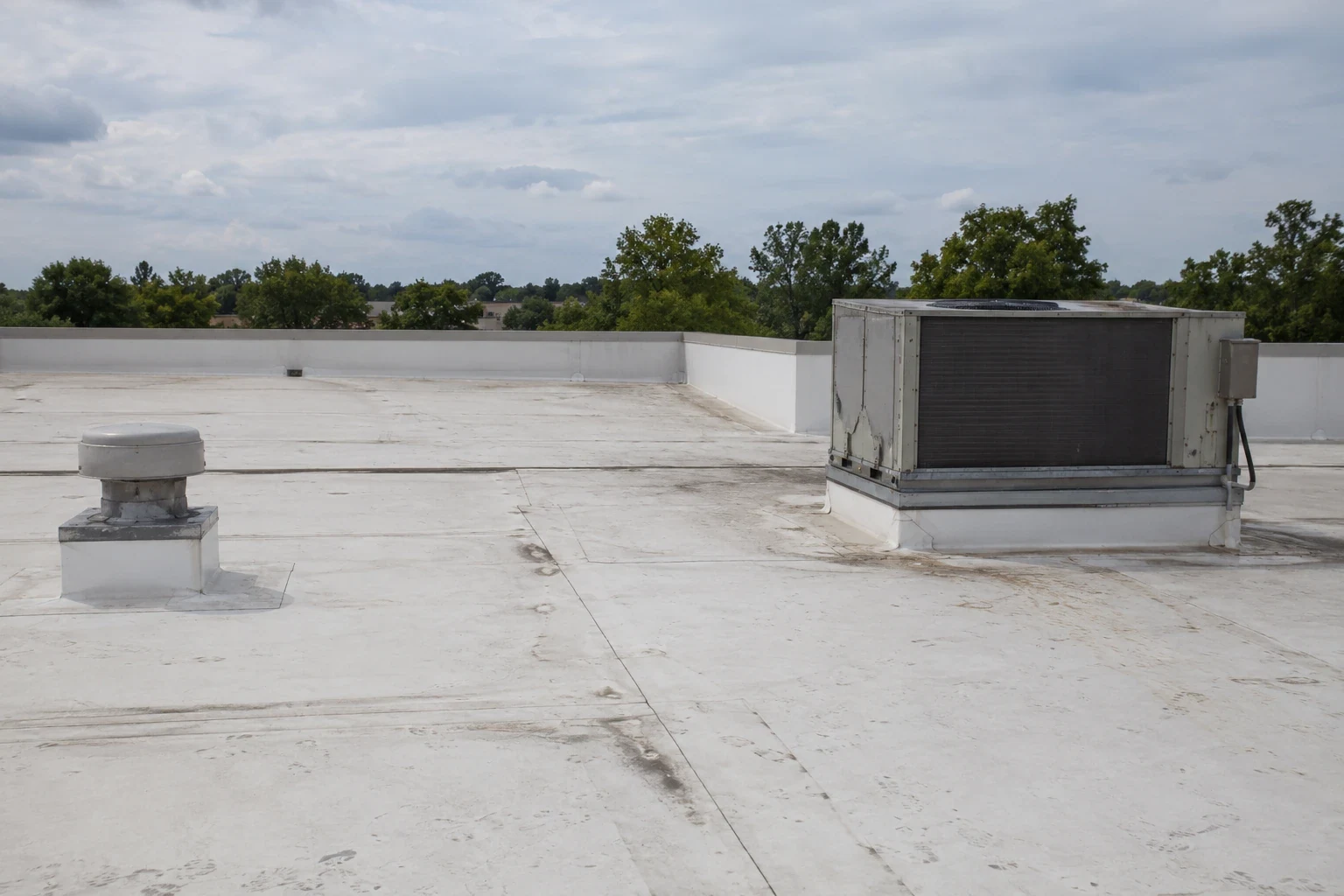
TPO Commercial Roofing
Plan TPO installation, repair or replacement in Bryan with attention to seams, drainage, insulation and trade access across an operating commercial roof.
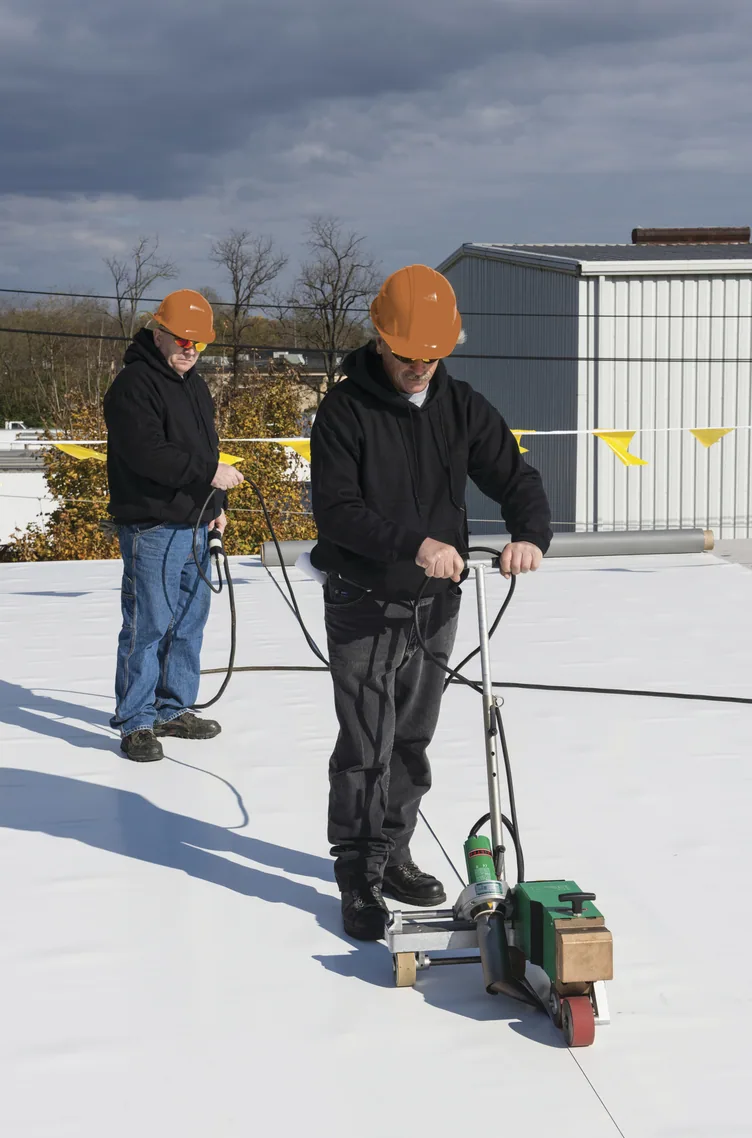
PVC Commercial Roofing
Evaluate PVC roofing for a Bryan commercial building by checking chemical exposure, welds, drainage, penetrations and the work sequence around operations.
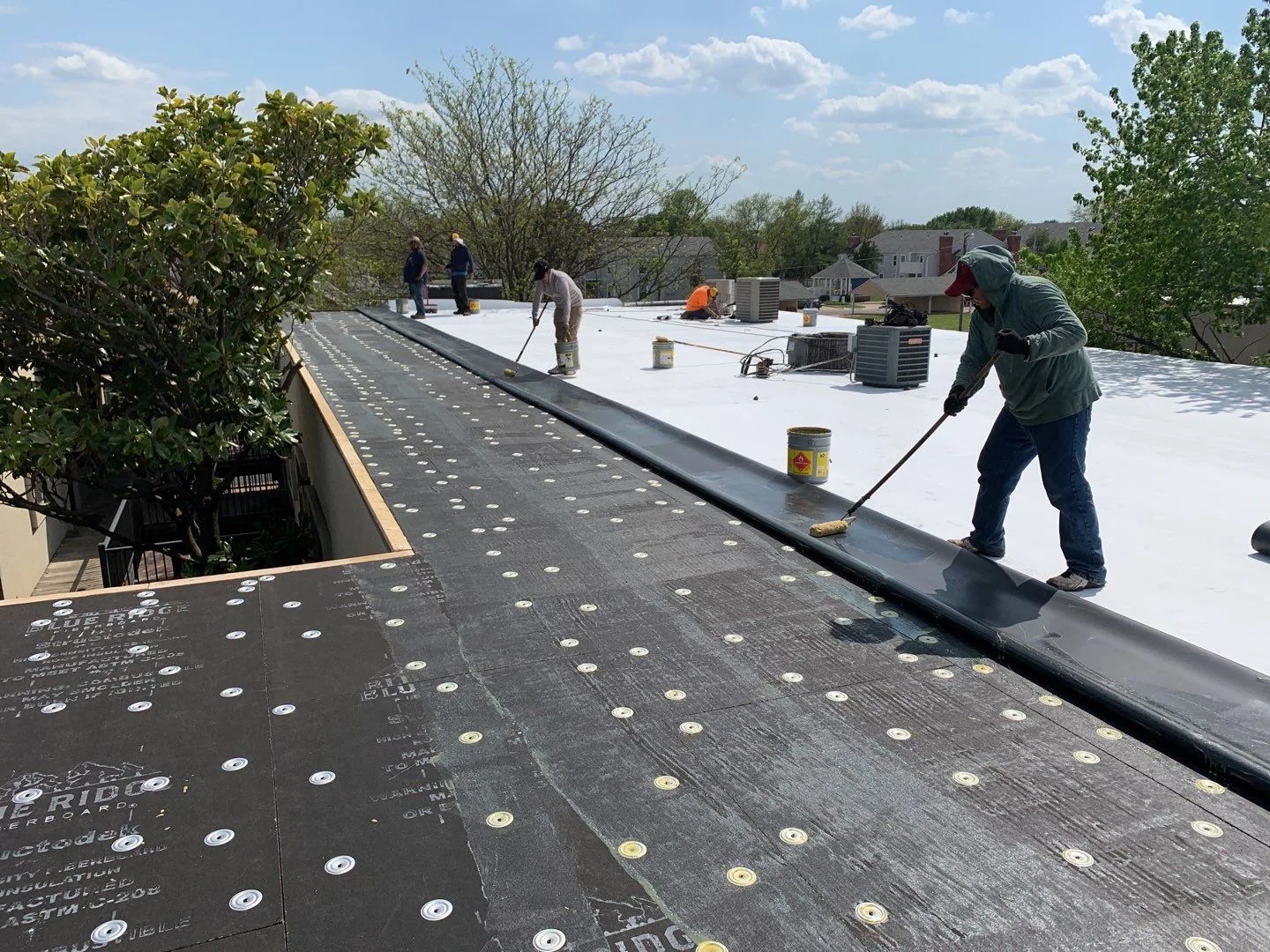
EPDM Commercial Roofing
Assess EPDM roofing in Bryan by reviewing membrane age, seams, flashing, drainage and repair history before choosing maintenance, recovery or replacement.
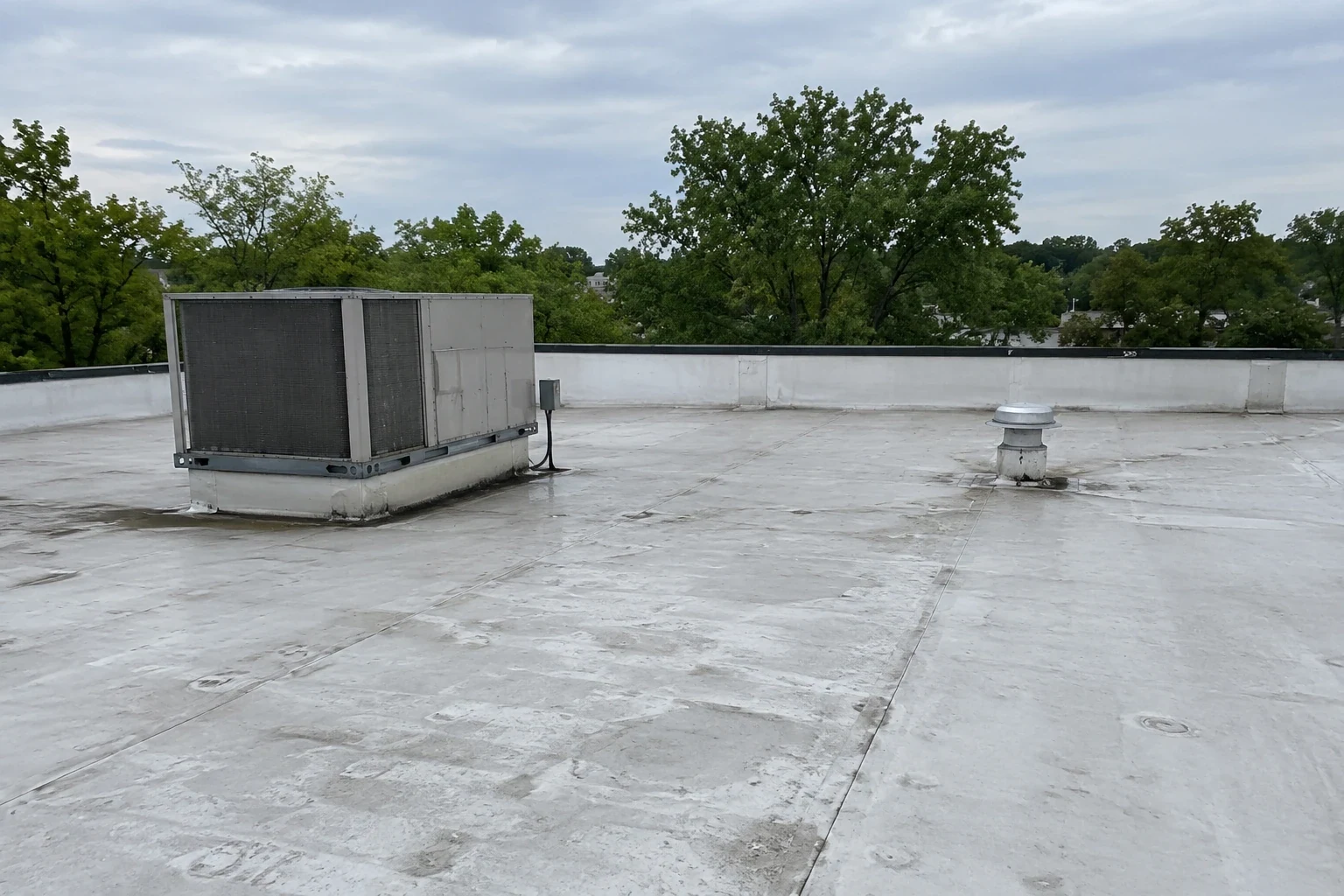
KEE Commercial Roofing
Compare KEE roofing for Bryan commercial properties by reviewing membrane chemistry, seams, existing layers, drainage and the details each trade will touch.
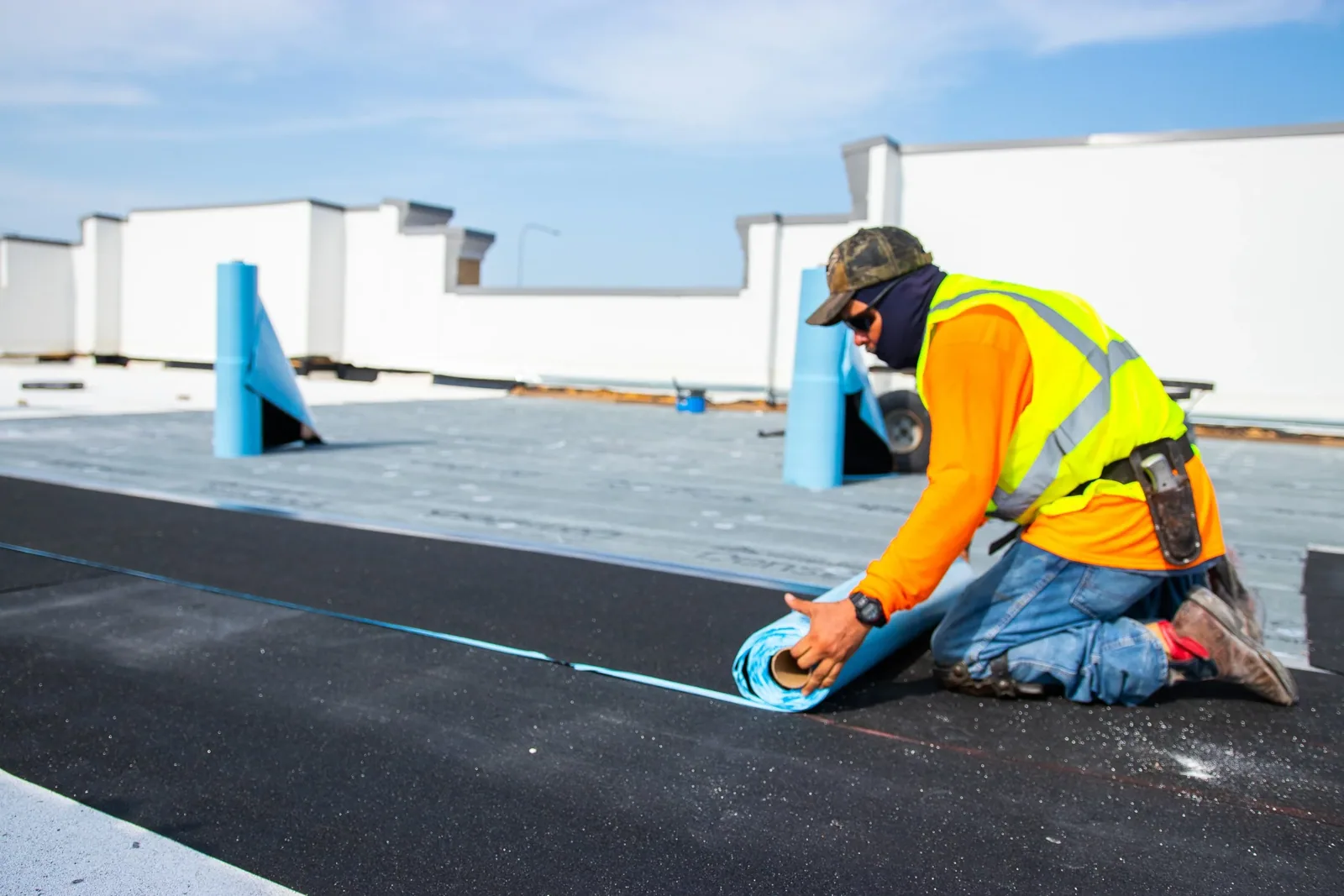
Modified Bitumen Commercial Roofing
Plan modified bitumen roofing in Bryan with attention to ply transitions, flashing, drainage, hot-work controls and the condition of the existing assembly.
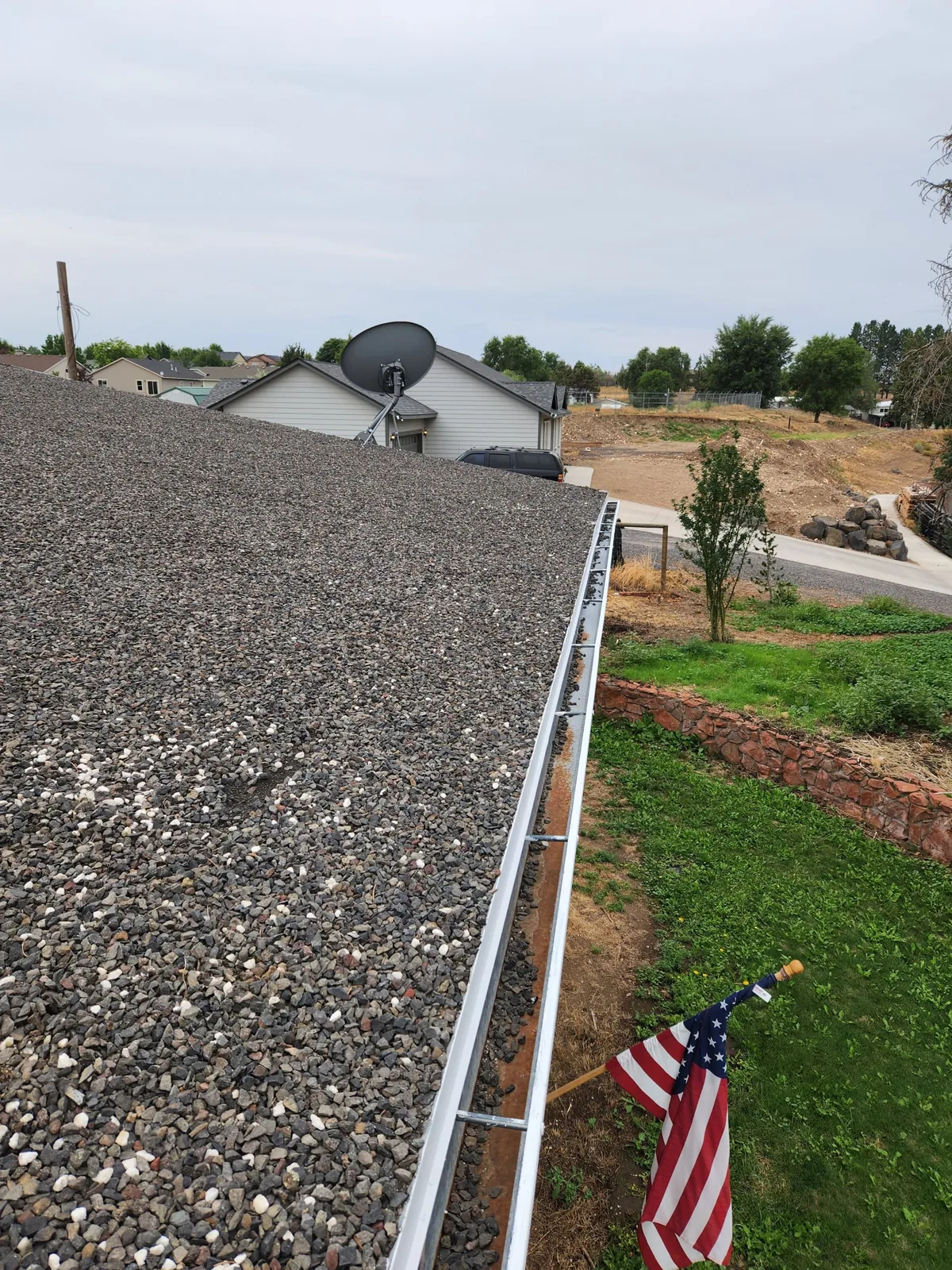
Built-Up Commercial Roofing
Assess built-up roofing in Bryan by examining ply condition, surfacing, drainage, flashing and the layers that a repair or recover would leave in place.
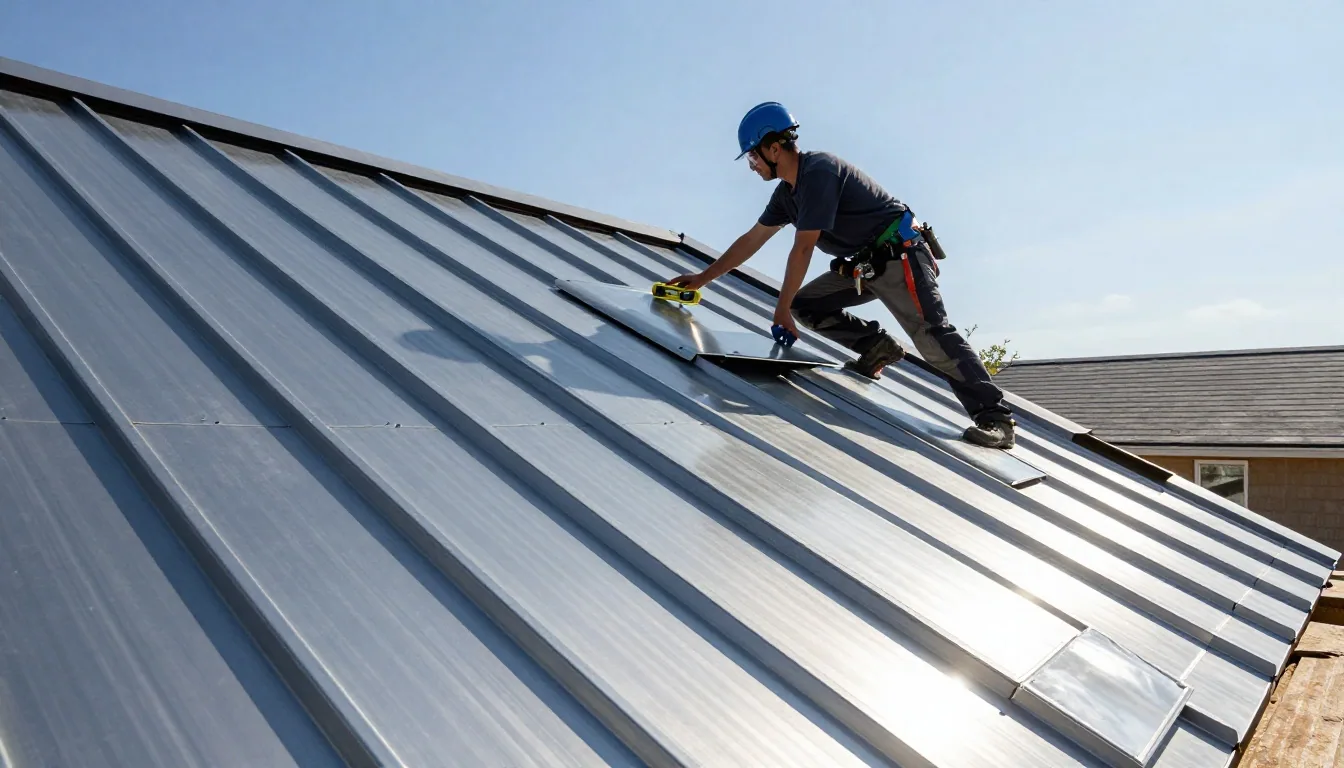
Standing Seam Metal Roofing
Plan standing seam metal roofing in Bryan by checking slope, panel movement, clips, penetrations and the handoff between roofing and other trades.
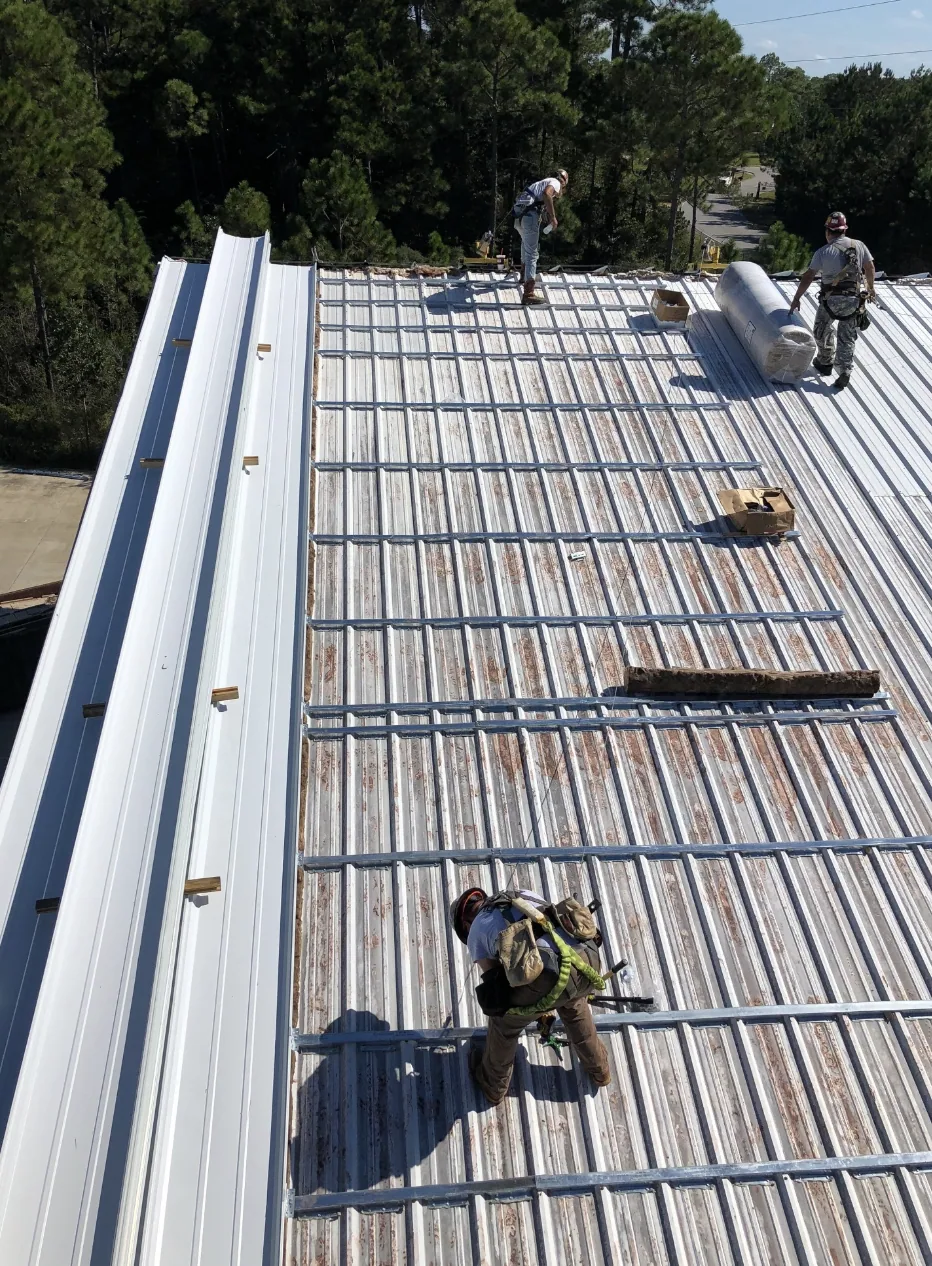
Commercial Metal Roof Retrofit
Evaluate a metal roof retrofit in Bryan by checking panel attachment, corrosion, leaks, insulation, drainage and the structure before selecting an overlay.
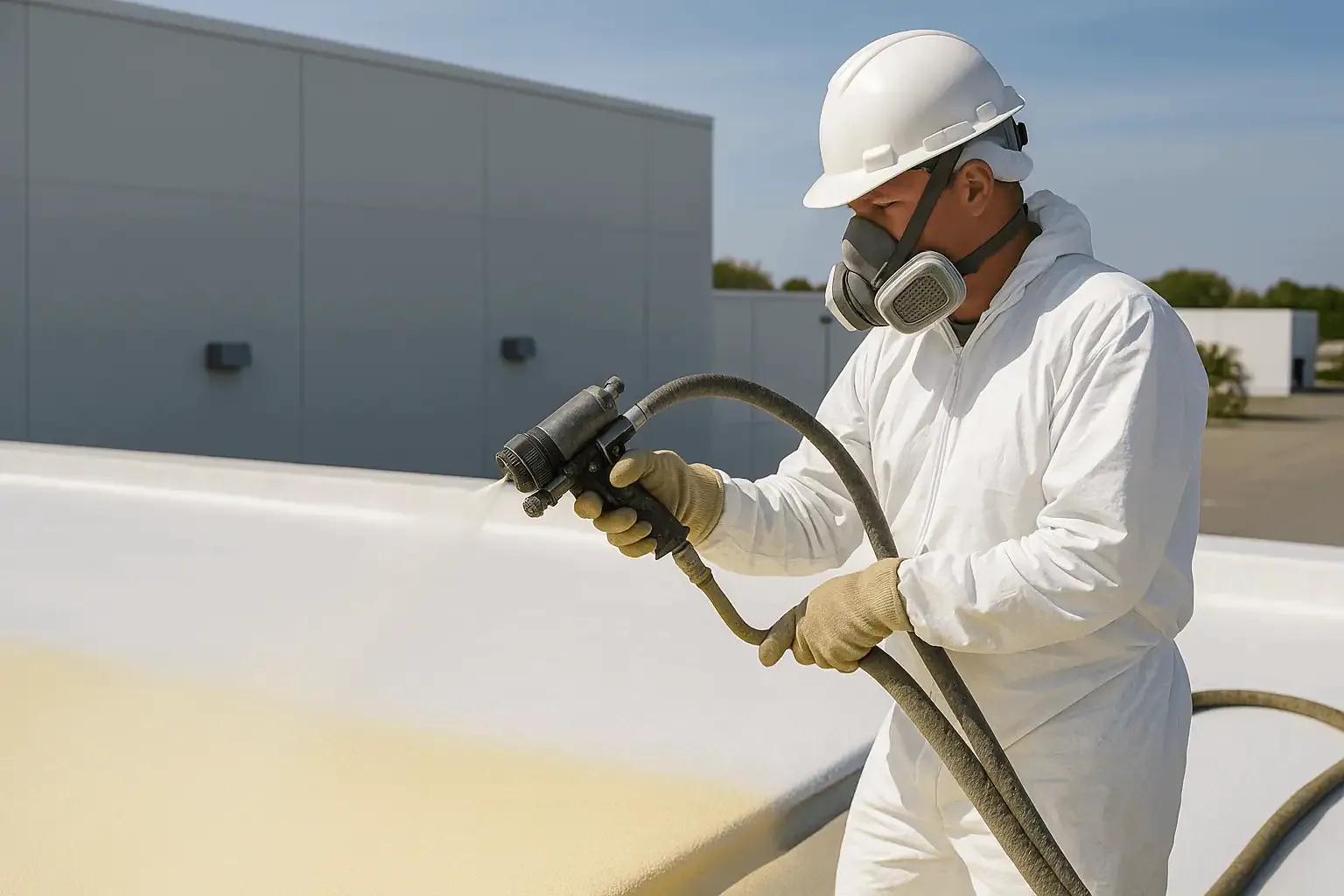
Spray Polyurethane Foam Roofing
Assess spray polyurethane foam roofing in Bryan by checking substrate, drainage, foam condition, protective coating and the repair plan for exposed areas.
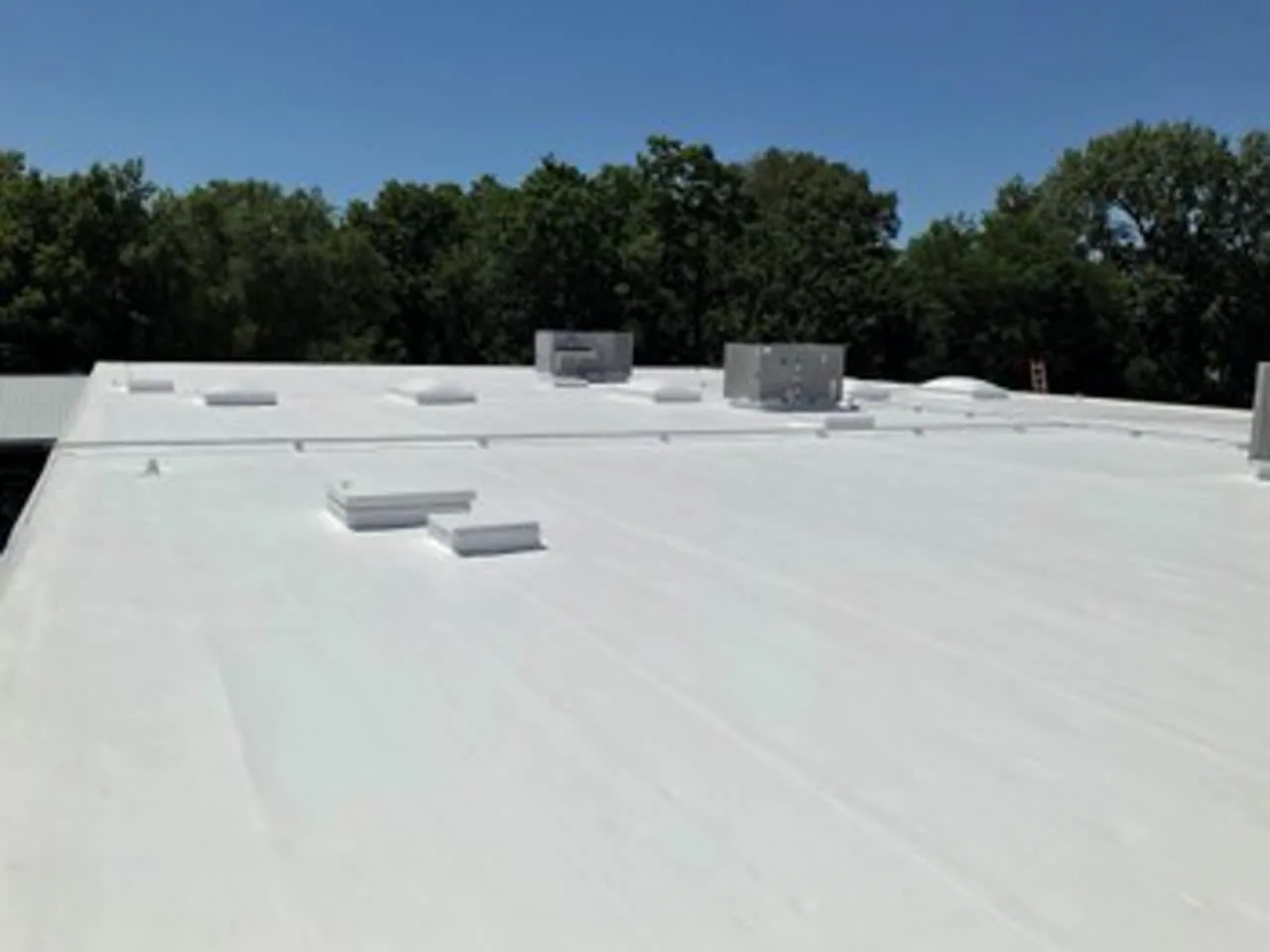
Silicone Roof Coatings for Commercial Buildings
Evaluate a silicone roof coating in Bryan by checking adhesion, drainage, wet areas, flashing and the preparation needed before application.
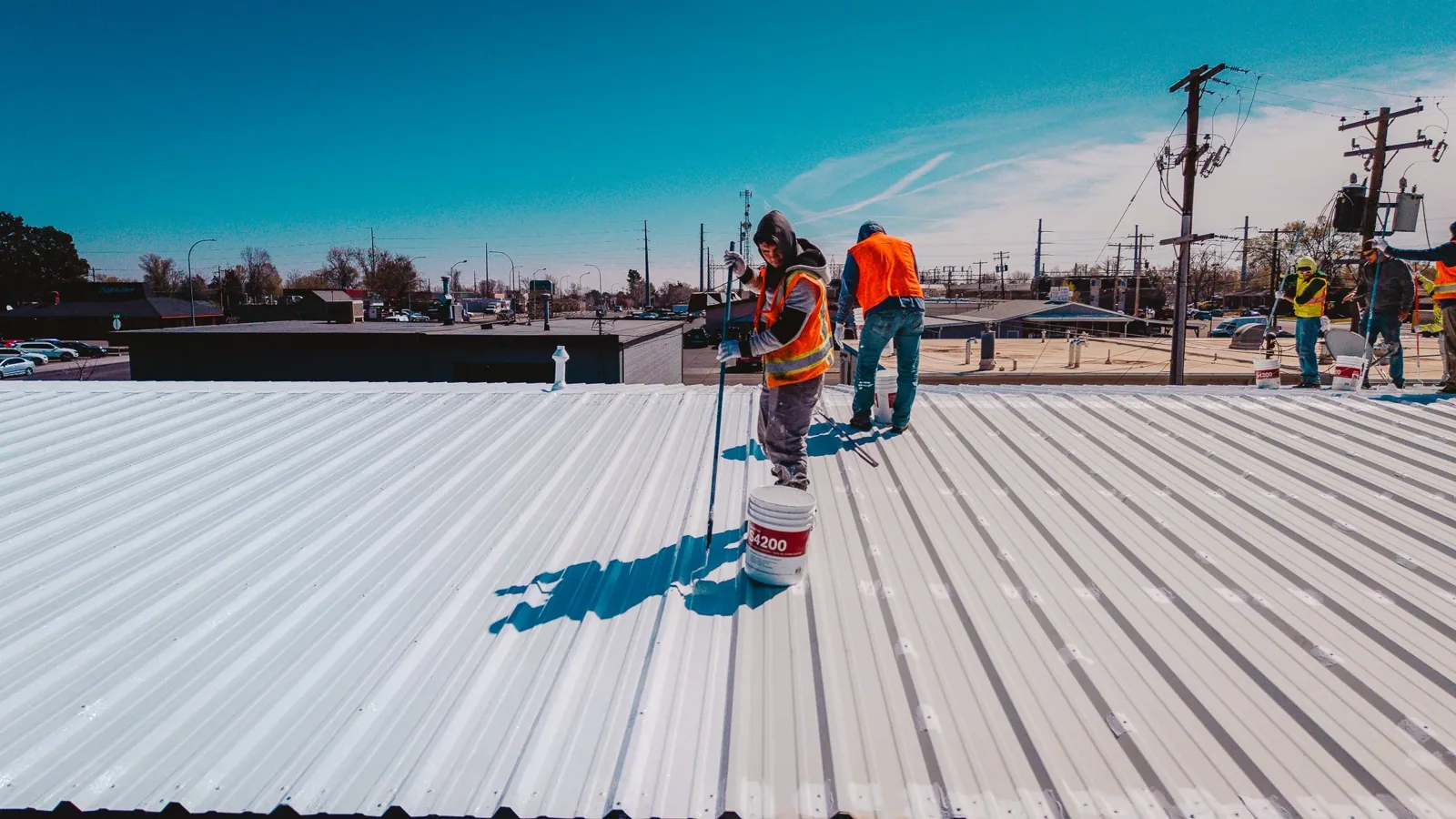
Acrylic Roof Coatings for Commercial Buildings
Assess acrylic roof coating in Bryan by checking roof slope, drainage, substrate adhesion, weather windows and the preparation required for restoration.
More About Roof Systems
Assembly: identify what is on the deck
A low-slope membrane is a layered assembly, not a color or product label. We check the field membrane, laps, attachment, insulation, cover board, and transitions to walls or rooftop equipment. A TPO assembly uses heat-welded seams; a PVC roof has a different formulation and detailing requirements. Where a roof has EPDM, the rubber membrane system needs its seams and adhesives reviewed on their own terms.
Older assemblies may include layered asphalt systems or a coating over an existing surface. We locate the layers that can be confirmed, record where access stops, and avoid choosing a repair method until the compatible tie-in is clear. A modified-bitumen roof and a built-up assembly each require attention to laps, surfacing, and transitions rather than a generic patch detail.
Metal and coatings: treat each transition separately
On standing-seam metal, panel joints, clips, fasteners, and perimeter conditions carry the system through movement and weather. A standing-seam assembly and a retrofit metal roof do not use identical details. Around a curb, wall, drain, or skylight, we check how metal meets membrane or flashing and whether the connection sheds water as intended.
A coating is a restoration approach for a roof whose substrate remains suitable. It does not correct wet insulation, unstable attachment, poor drainage, or a failing deck. We inspect adhesion, surface preparation, repair needs, and water paths before evaluating a silicone coating system or another compatible finish. The scope describes the preparation and boundaries that make the selected layer workable.
Permit and sequence: close the work correctly
When a Bryan roof project replaces finish material, the roofing contractor submits the permit request and city staff inspect the completed installation. That requirement can affect submittal timing, tear-off sequence, material selection, and closeout. We identify whether the planned scope is a finish replacement, a repair, or another project type, then coordinate the appropriate details before ordering. A replacement scope should describe the assembly, tie-ins, protection below, and sequence for closing each opening.
The 2019 EF-2 tornado touched down about four miles east of Bryan and damaged one house and four commercial buildings or warehouses in Brazos County. A clear record of observed damage and completed work lets a future inspection compare the same roof areas. A storm review begins with the surface and interior conditions at the property, while a Bryan roof visit can align access and scheduling with the building contact.
Drainage: protect the water path at every transition
Roof choice is only part of performance; the assembly also needs a dependable route for water to leave the building. We inspect drain bowls, sumps, scuppers, gutters, and nearby seams for debris, standing water, and signs of movement. Where a roof change affects an existing outlet, the detail should preserve drainage capacity and keep the connection inspectable. The work plan identifies who clears the area, how the opening stays dry, and what the closeout record should show.
Commercial Roofing Questions
Which details determine whether a membrane can be repaired?
We inspect the membrane, seam, substrate, and surrounding water path. A local opening over sound material may support a focused repair; wet layers or repeated separation can change the boundary.
Can a coating correct drainage problems?
No. A coating can renew a compatible surface, but it does not change a low slope or restore a blocked outlet. We check the route water follows before writing a restoration scope.
What should a Bryan roof replacement include?
The scope should identify the assembly, insulation, edge and penetration details, temporary protection, and closeout steps. Within city limits, finish replacement also requires contractor permitting and final inspection.
How do hail findings affect system selection?
Hail history helps set the inspection questions. We document actual impact, seam, flashing, and attachment conditions at the roof before comparing repair, restoration, or replacement.
Discuss the roof assembly
Share the system if known, the reported condition, the property use, and the planned work window so the roof details and sequence can be reviewed together.