Commercial Roof Inspections in Bryan, TX
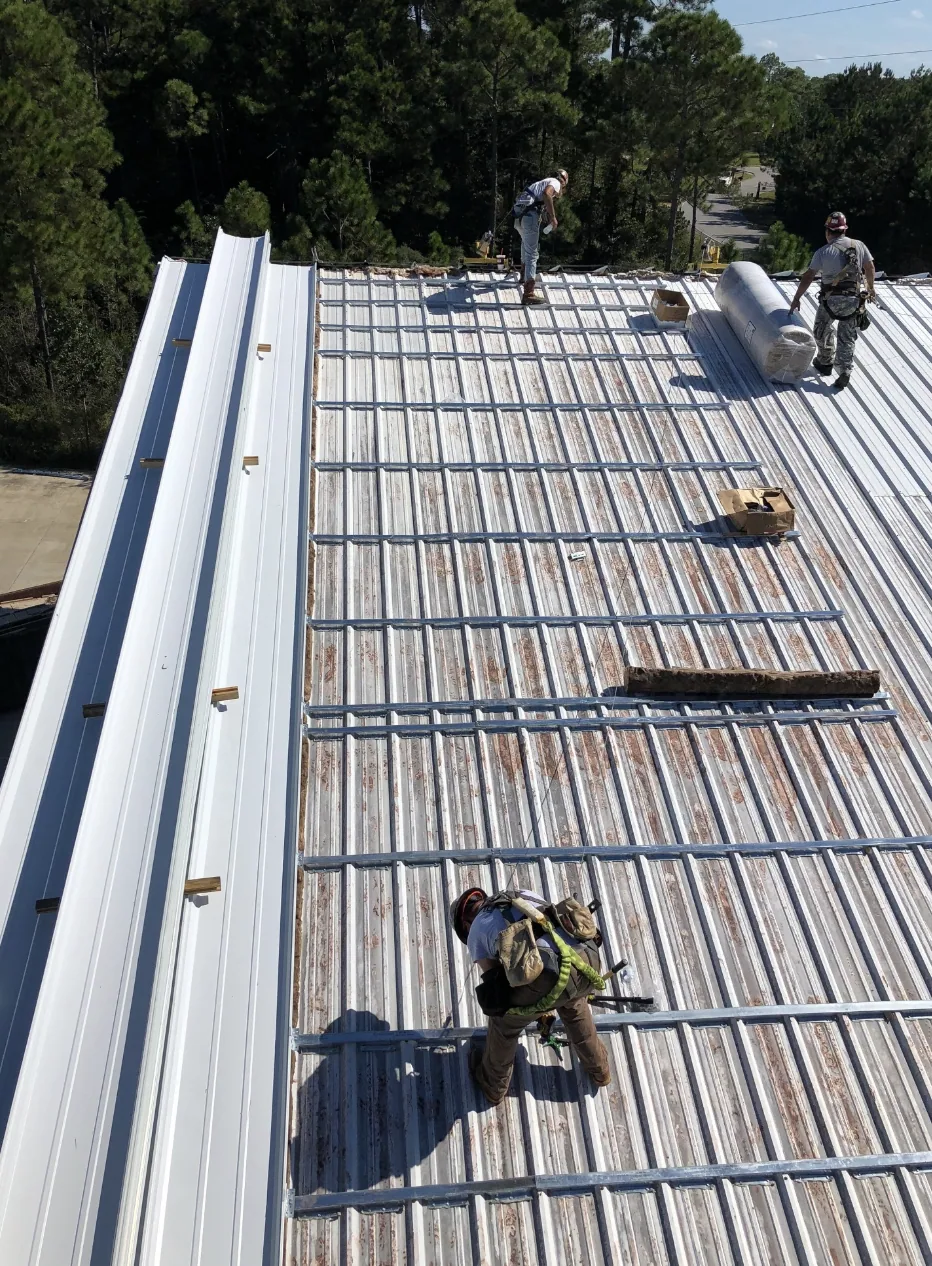
After rain, a roof walk must separate water still on the surface from moisture that may have moved beneath seams or flashing. The visit should settle the roofing decision it must support. In Bryan, TX, we set the walk route for a reported leak, planned alteration, storm review or approaching reroof scope. That purpose determines where hands-on checks and assembly investigation add useful detail.
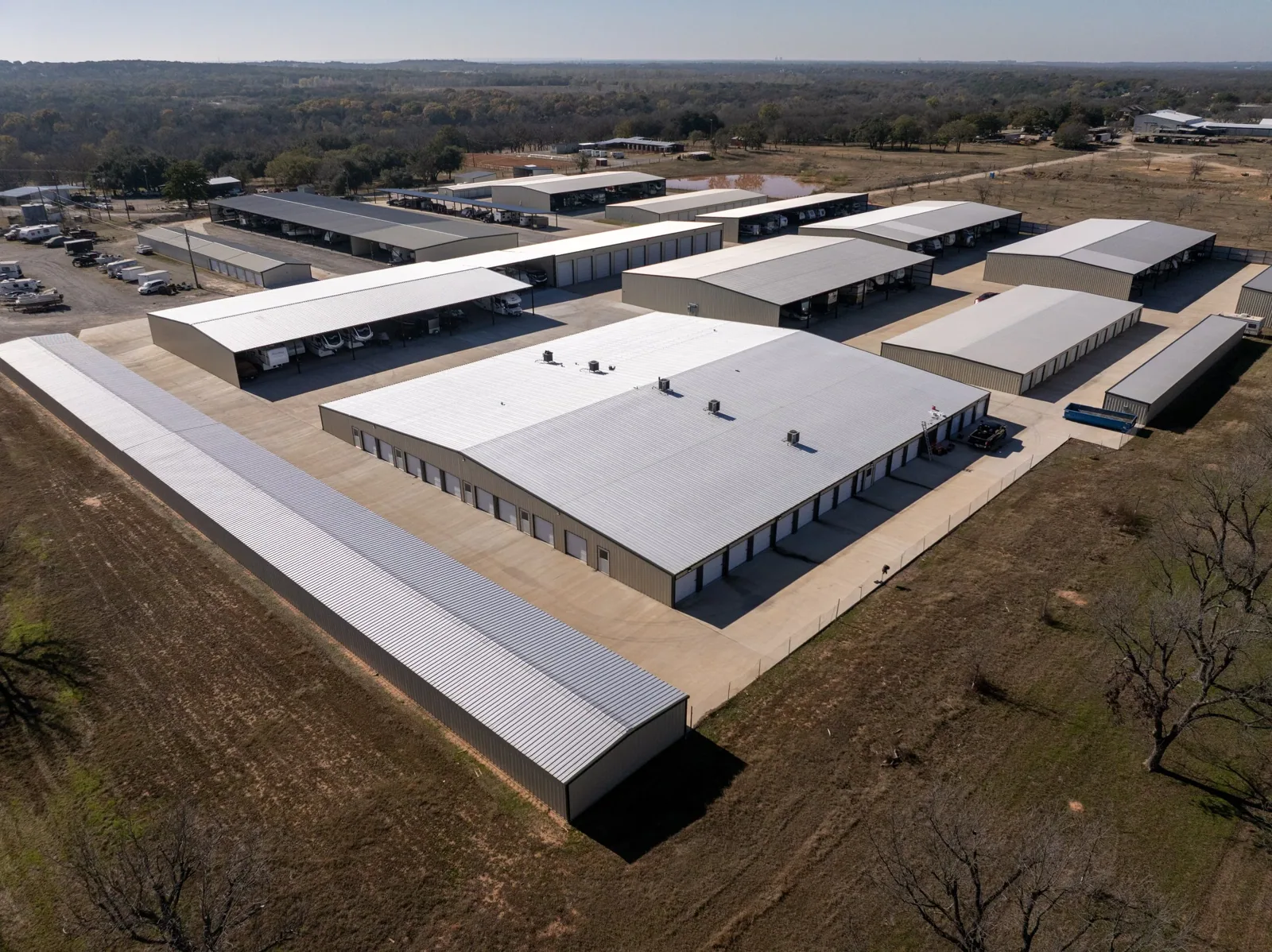
For a Bryan Business Park building, equipment access and operating space are checked with the property contact before inspection. We establish the building's access, known roof problems and upcoming trade work before setting the walk route. A drone overview can assist the examination of broad or difficult areas, while close detail checks address the connections that images alone cannot settle for the general contractor's next roofing task.
Visit purpose: Establish what the decision requires
A replacement estimate requires different assembly information from a maintenance visit after a drain overflow. We review available roof records, reported symptoms and planned alterations, then identify the areas to examine and any investigation requiring separate permission. Existing drawings can help locate roof sections and equipment, but the walk checks how those features appear on the building today. The inspection scope states its accessible boundaries and the tests included in the visit.
Interior observations are useful when they can be connected to roof zones. We arrange access to affected spaces, record the circumstances of water entry and compare them with exterior details. For an occupied manufacturing building, that arrangement may need to fit a production interval or a controlled work area. The general contractor can then coordinate the investigation without assuming the roofing crew needs unrestricted access to every occupied room.
Membrane field: Inspect beyond the obvious mark
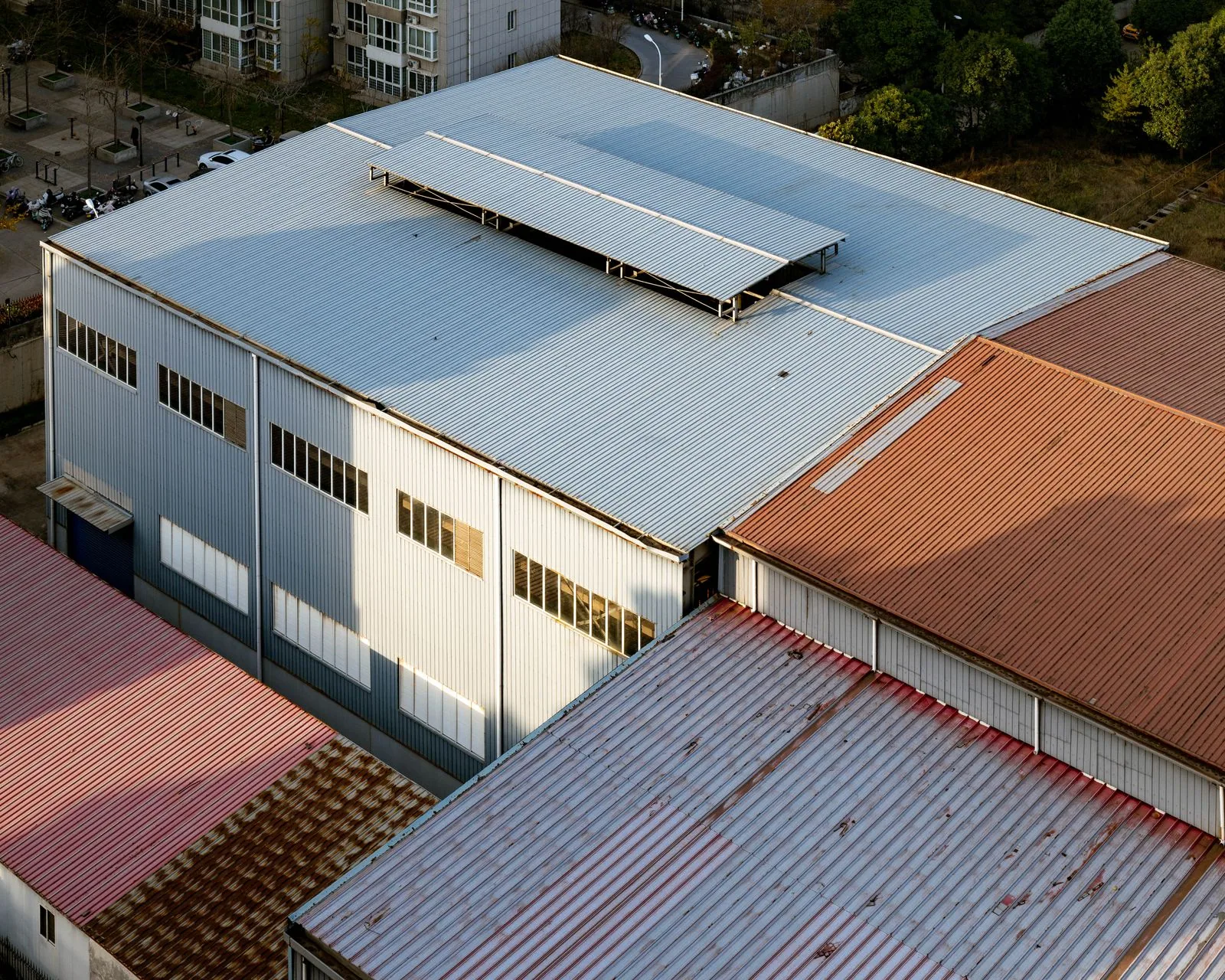
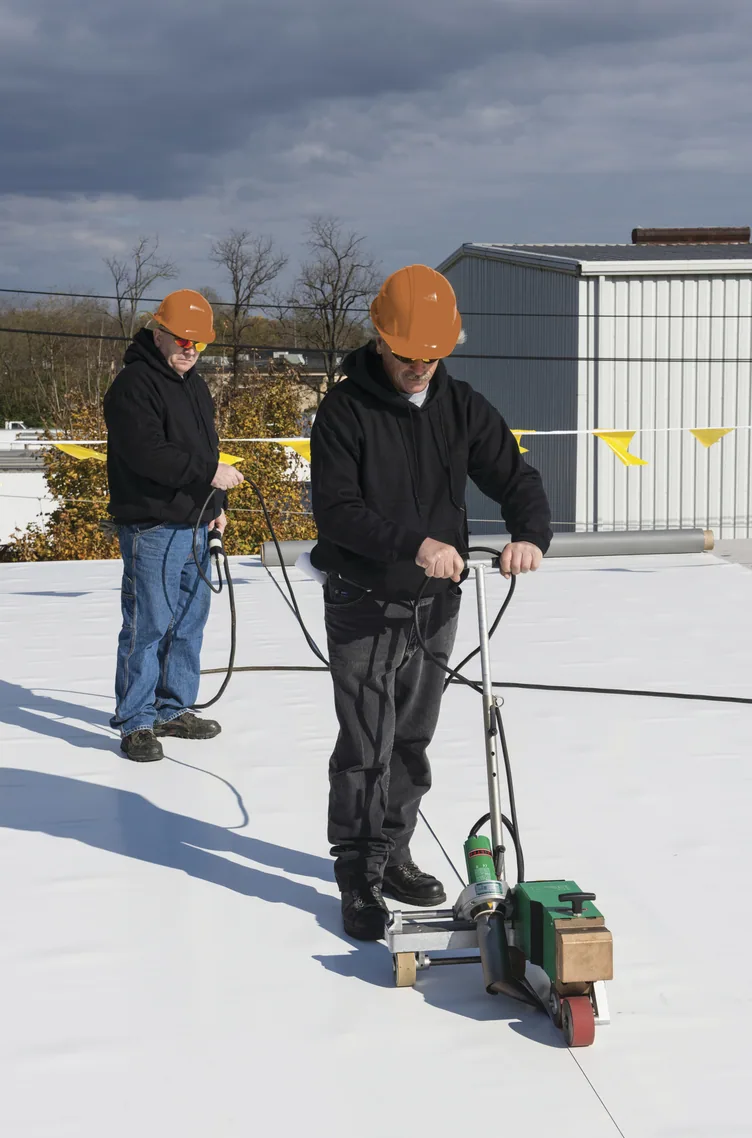
A weathered surface, displaced patch or soft area underfoot creates a specific inspection task. We examine the field for tears, cracking, open repairs and conditions that suggest movement or moisture below the membrane. Seams are checked using methods suitable for the installed material, with attention to changes beside penetrations and roof levels. A PVC roof presents different seam and surface considerations from a bituminous assembly, so identification precedes the detailed examination.
Surface observations are recorded by location and condition rather than converted immediately into a replacement recommendation. A local defect may have a practical repair boundary; repeated deterioration across the field may warrant wider investigation. We distinguish those situations and identify which concealed questions remain. Where the supporting layers are uncertain, selected openings or moisture testing can inform the next scope instead of treating the visible sheet as a complete account of the roof.
Detail junctions: Follow the roof into its surroundings
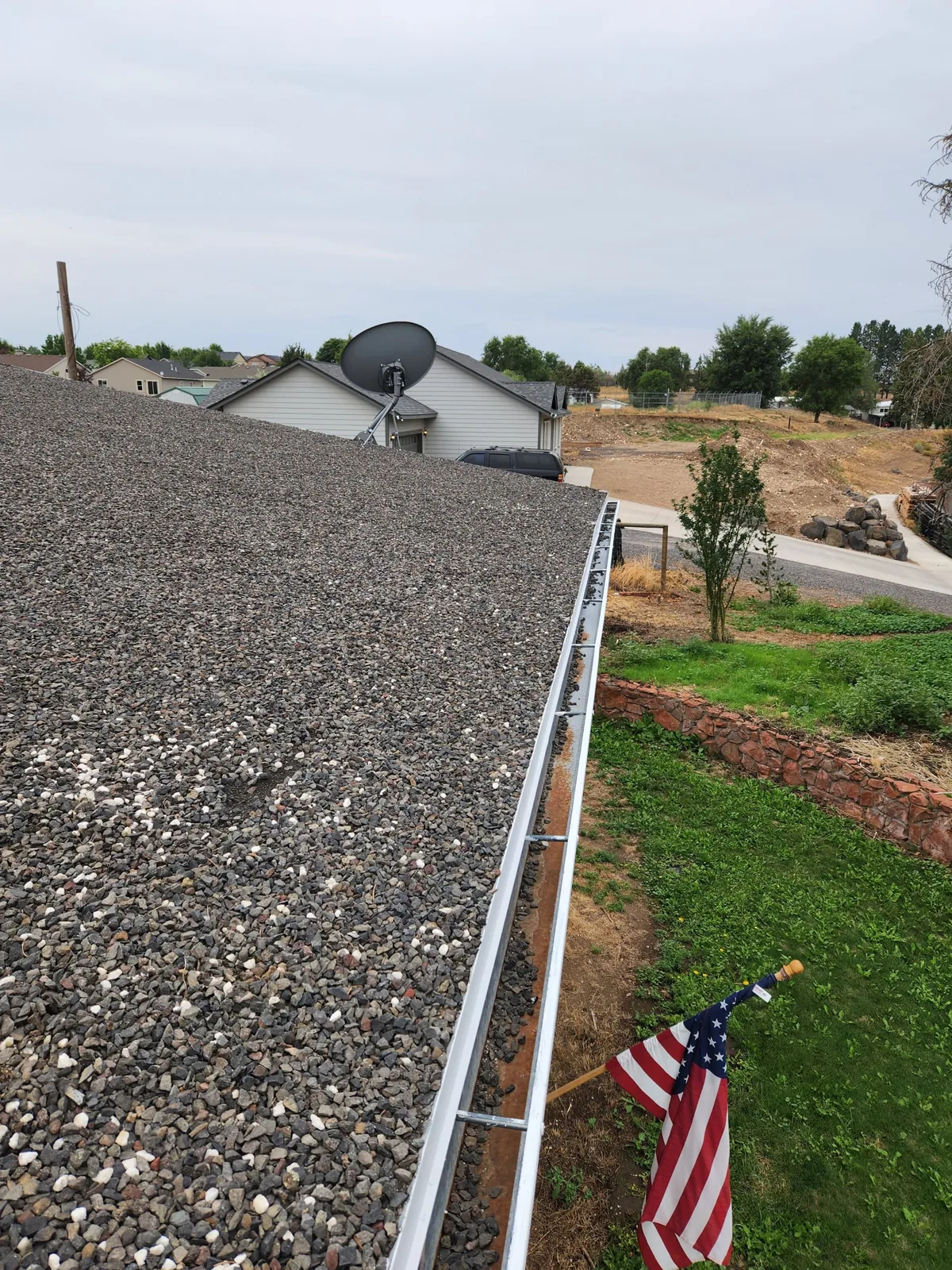
A curb with loose counterflashing or an edge with displaced metal can affect the weather closure even when the membrane field remains intact. We examine walls, penetrations, equipment supports and perimeter details, looking at both roofing material and the adjoining component. The finding identifies the physical connection requiring attention. A flashing repair may need a corrected termination or support condition rather than a surface application over the same moving gap.
Drain connections receive a similar examination, including debris, clamping components and visible water paths. We look for low areas or obstructions that keep water on vulnerable details, then separate roofing corrections from downstream plumbing concerns. The inspection also records equipment service routes and signs of traffic damage. That combination helps the general contractor coordinate repair with the trade activity that affects the roof, without assigning every observed defect to the membrane installer.
Building activity: Relate findings to the occupied floor
Downtown Bryan brings restaurants, shops and galleries together, making the consequences of a roof defect dependent on the space below it. A drain connection above storage has a different operating exposure from a penetration above a gallery display area. We establish the actual interior use before ranking the observation, then define the protection and access needed for investigation or repair. The downtown building remains the focus, with its condition and operations considered together.
An equipment change planned for the same roof can raise a repair priority even where no water has reached the interior. We examine the proposed work area, identify fragile surfaces or deficient connections and discuss whether roofing should precede the mechanical task. The inspection findings can also flag access conflicts, such as a needed lifting zone beside an active drain. Those physical interfaces become coordination items because they alter the next construction task.
Concealed layers: Choose a test for the unresolved question
A suspected wet area requires evidence below the surface if it will change removal quantities or the feasibility of a recover. We identify where an infrared and sample investigation can add useful information, considering the assembly and survey conditions. Thermal patterns are evaluated with physical confirmation, while sample openings are selected and restored as a planned roofing task. The test is directed at a decision, rather than added without a clear use for its results.
Attachment concerns or a damaged deck may require a different assessment by the appropriate design professional or trade. We identify the observed condition and the additional examination needed before a repair method is selected. Concealed investigations also need interior coordination, especially where an opening sits above sensitive operations. We agree on those limits and restoration arrangements in advance, giving the general contractor a realistic scope for the next visit rather than an unexplained testing allowance.
Frequently Asked Questions
Can an inspection support a mechanical replacement scope?
We examine the equipment area, roof condition and proposed interface. Findings can identify curb changes, protection and repair tasks that should be coordinated before lifting or connecting new equipment.
Do surface observations tell us how much insulation is wet?
A visible defect can suggest where to investigate, but concealed moisture needs suitable testing and physical confirmation. We recommend that work when it affects the repair boundary or the proposed assembly decision.
What is recorded when a roof section cannot be reached?
The report identifies the inaccessible area and the reason its examination remains incomplete. We discuss a suitable access method and return task so the owner can finish the review before relying on it for a broader construction scope.
How are repairs prioritized when the roof has no active leak?
Condition, exposure and upcoming work shape the priority. A loose detail beside a planned trade opening may need attention before a less exposed field defect, with the reasons tied to the building's actual operations.
Can the inspection include small maintenance tasks during the walk?
Accessible tasks can be coordinated when they are included in the visit scope and conditions permit. Repairs needing material preparation, an opening or another trade are identified separately for an appropriate work window.
Finding handoff: Turn observations into roofing tasks
A photograph becomes useful when its roof location and the condition shown are clear. We assemble photographed condition findings that identify repair candidates, issues needing investigation and operating concerns affecting the sequence. Immediate water entry is separated from planned maintenance and larger assembly decisions. Each recommendation follows the observed condition, with the next task and any adjoining trade interface stated so the owner can arrange the work.
A maintenance review may lead to drain clearing, a seam repair or protection of an equipment access route, while a construction review may require detail changes before another trade starts. We explain those distinctions and the conditions that drive timing. The handoff also records inaccessible areas and the practical route for completing their examination. That information keeps a partial walk from being treated as a complete evaluation and gives the building contact a defined path to the remaining roof decision.
Set the inspection purpose
Tell us the roof concern, building use and proposed work window. We can arrange access and examine the details needed for the next roofing decision.