Commercial Hail Damage Roof Repair in Bryan, TX
After a hail concern, property owners need a clear account of present roof conditions and an orderly way to decide what happens next. A hail mark, puncture, displaced edge or open seam can each call for a different repair boundary. We compare the observed detail with the installed assembly, prior maintenance and interior reports before setting the scope. In Bryan, begin by identifying the service address, roof type, date of concern, and areas that were affected or could not be inspected.
A commercial roof inspection can document the roof by section, show relevant details in context, and separate visible findings from questions that need additional testing. The report should be usable by a facilities contact who was not on the roof. It should describe the evidence, its limits, and what action is appropriate based on the condition observed.
Event history: capture it without guessing at damage
Record the date, approximate time, reported weather, first interior symptom, and any follow-up visit. Collect dated roof photographs, invoices, maintenance logs, and staff notes before they are lost in email. Mark where water appeared and whether the report followed rain, wind, or equipment operation. The timeline lets the inspector compare current roof conditions with the building's maintenance history and the reported event.
For the April 8, 2021 event, the Bryan-College Station hail peak came during a half-hour evening window; reports reached 2.75 inches. The 2019 Brazos County storm record adds a second date for owners reviewing older files: an EF-2 track passed about four miles east of Bryan, with damage to one house and four commercial buildings or warehouses. Compare any property-held photos with the roof zones now under review before setting the next task.
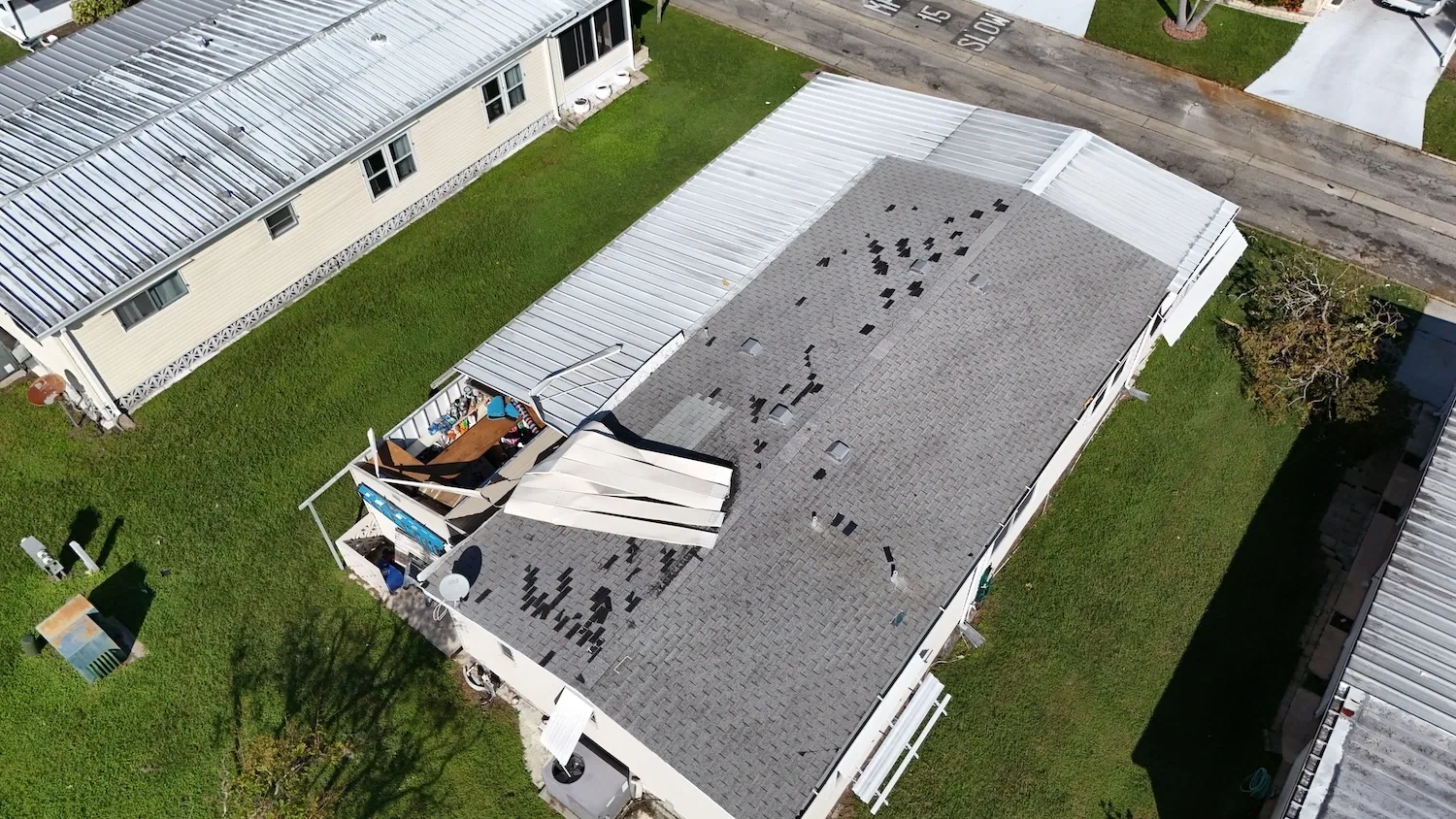
For an exposed opening, consider temporary protection and record what was covered, when, and by whom. An emergency roof response should separate stabilization from permanent work still awaiting inspection or materials. If the walk also turns up lifted edges or displaced metal, the wind-related repair is scoped apart from the hail findings, and a storm with a tornado track gets its own tornado-related assessment.
Assembly: inspect it and record representative evidence
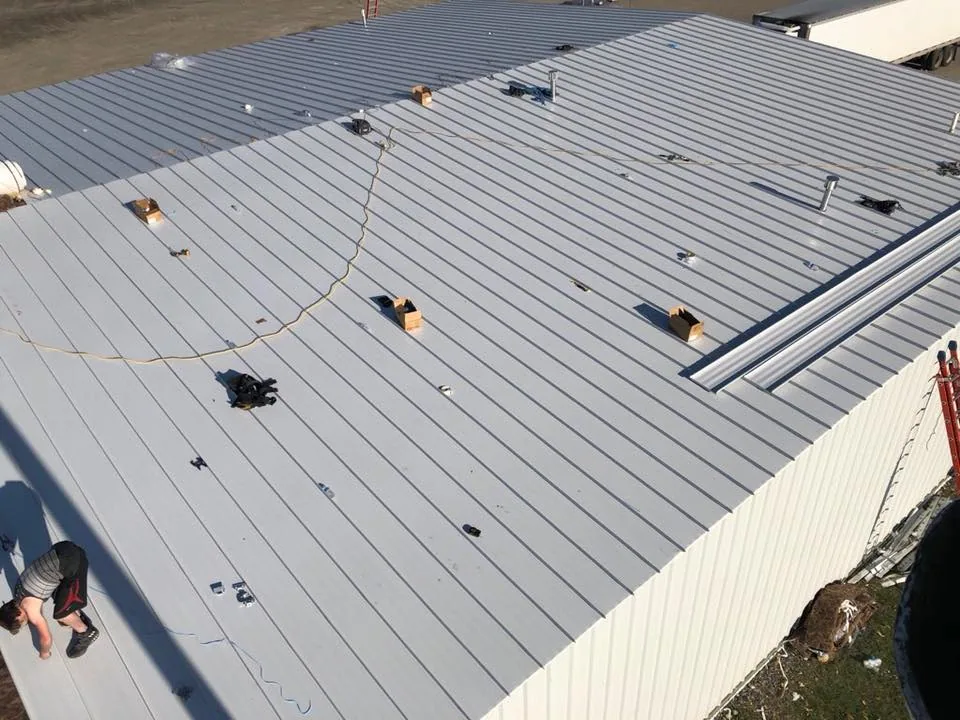
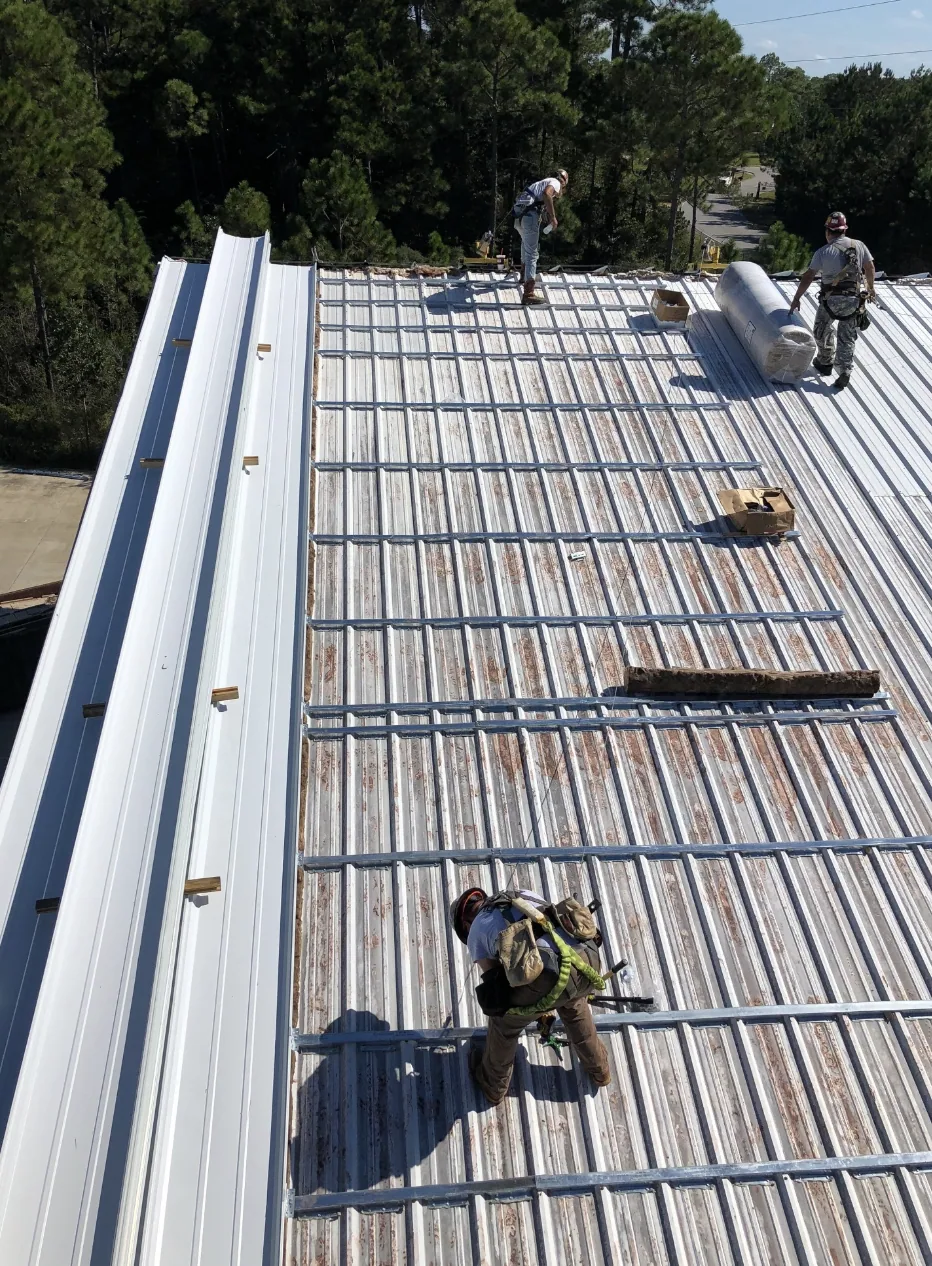
Identify membrane, metal, built-up, or mixed roof sections before interpreting marks. Hail can leave different visible evidence on different materials, and age, prior repairs, traffic, and manufacturing details can also affect appearance. Photograph representative areas, roof edges, seams, flashings, curbs, skylights, and penetrations. Use a roof plan or consistent zone labels so the owner can locate each image and revisit it later.
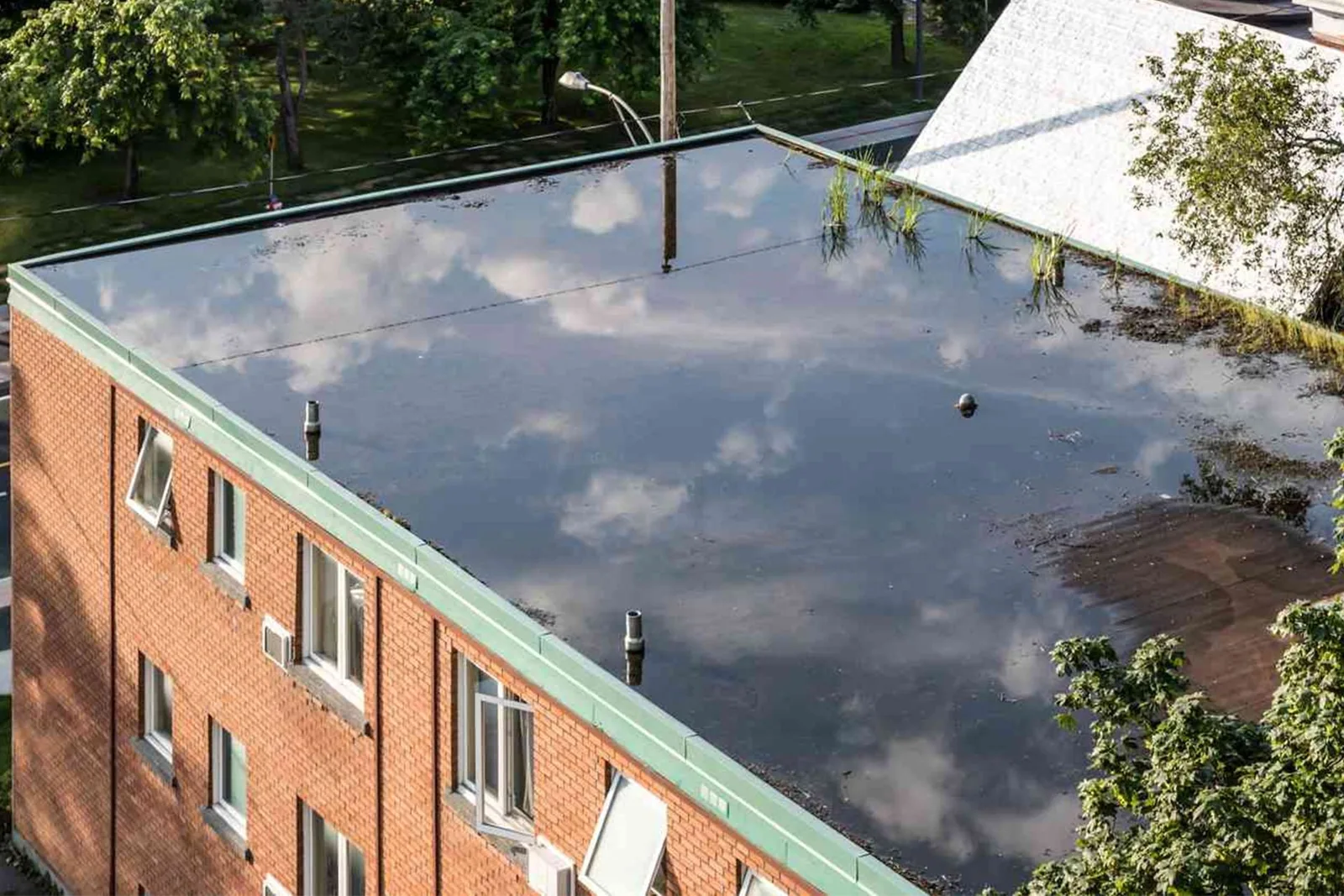
Look at interior reports and roof conditions together. Check plausible water paths at seams, drains, transitions, walls, and equipment supports rather than assuming the nearest visible mark is the entry point. Note standing water, displaced components, open joints, or damaged flashing as separate observations. A commercial roof repair scope should identify the detail it addresses and the observation that supports the work.
If the roof is not safely accessible, we identify the area that could not be reached and the records or observations available for review. Testing can answer a specific question when its location, method and limits are clear. We connect each result to the roof assembly and visible conditions before using it to set a repair boundary.
Repair choice: match it to the confirmed condition
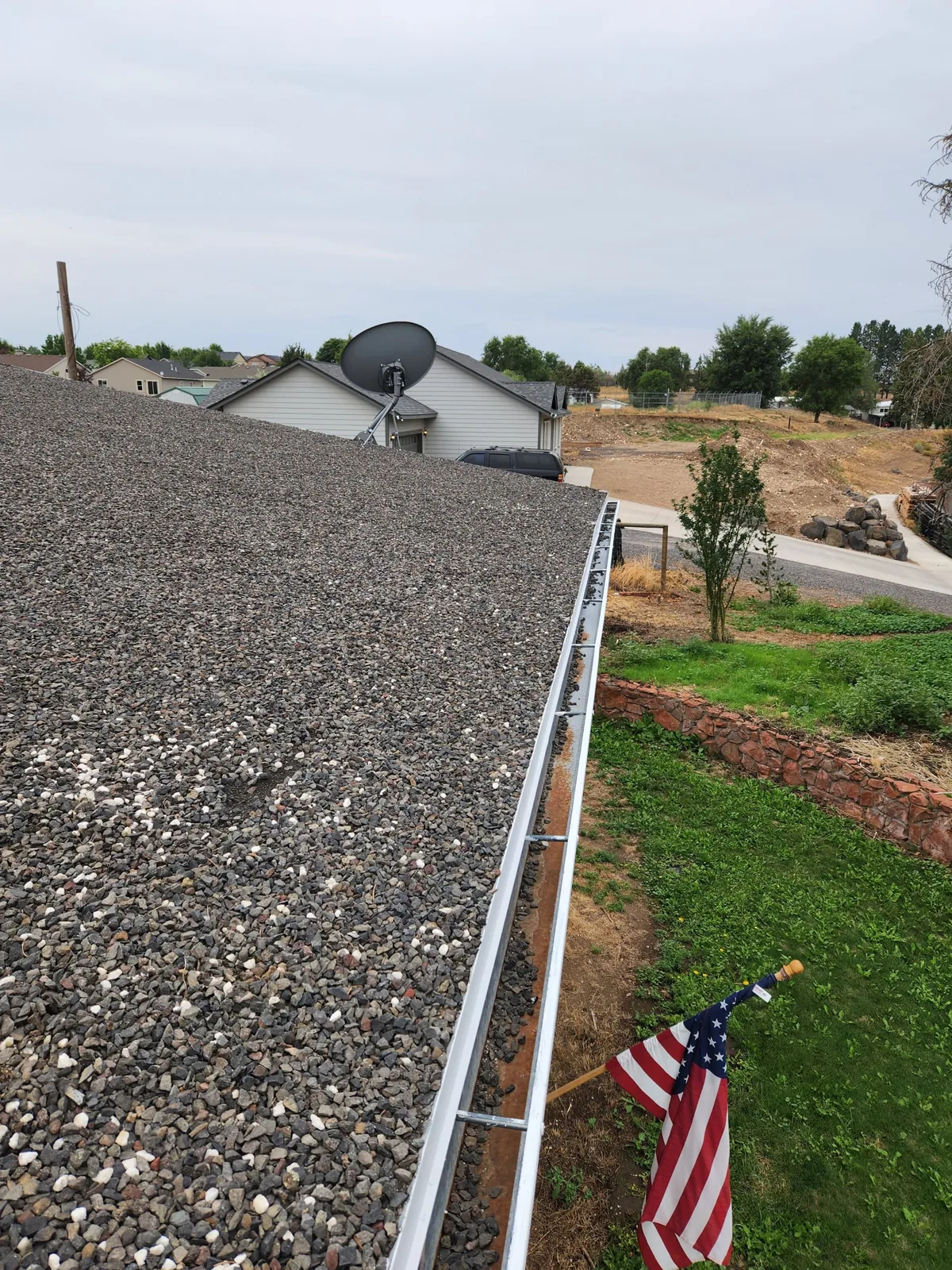
A localized seam, flashing, or penetration issue may be a repair candidate if adjacent material remains serviceable. More widespread deterioration, recurring water reports, saturated insulation, or deck concerns can change the scope. We lay out alternatives that separate immediate protection, targeted repair, and longer-term work. Each option should identify included areas, preparation, materials, access, exclusions, and the conditions that could alter price or timing.
For a recoverable assembly, a restoration option must address surface preparation, adhesion, details, drainage, and existing condition. If the roof is beyond a suitable repair or restoration, a replacement proposal should explain removal, insulation, edge conditions, drainage, protection, and the sequence of work. No single approach fits every system or every reported event.
Our roof findings stay separate from decisions made by an insurer or other reviewer. If the owner requests claim-related assistance, a claim documentation service can organize project records, but it does not determine coverage. Keep the scope focused on observed conditions and the work needed to address them.
Occupied areas: keep commercial operations working safely
Before mobilization, confirm access points, roof ladders, work hours, delivery paths, and any areas that must remain open. Identify who can approve a temporary closure and who should receive updates if the work boundary changes. Plan debris collection and material staging so they do not obstruct customer or employee routes. The owner and contractor should assign protection duties clearly rather than assuming one party will cover every item.
Downtown Bryan's shops, restaurants and galleries make pedestrian protection and delivery access part of some roof work windows. Texas Avenue and South College are Bryan revitalization corridors; where roof-edge work meets a separate facade project, the general contractor can assign each trade a clear tie-in. We confirm the service address and property contact before setting the schedule.
When only part of a roof can be addressed at once, phase the work by roof zone and state how exposed areas will be secured if weather interrupts a shift. Record any temporary repairs and the date they should be reinspected. A clear sequence helps the owner distinguish a stopgap from completed permanent work.
Bryan records: organize the project file and next steps
A change to roof finishes on property inside Bryan calls for a contractor-led permit submission and final inspection. Confirm the address authority and current filing steps with development services before work dates are set. Bryan's online development-services portal allows applicants to file materials, request inspection times, and review results. Keep approval records with the scope, site photos, and product details.
A Bryan roof review starts when you share the service address, roof type if known, reported date, available photographs, and access limits. A site visit can then define which sections need closer review and what documentation supports the next decision.
Frequently Asked Questions
Can the April 2021 hail event set this building's repair scope?
The event date helps organize maintenance records. We inspect this roof's membrane, edges, flashings and interior reports, then define the repair boundary from the conditions observed at the property.
What should a commercial hail inspection include?
It should identify the roof assembly and zones, record representative details with dated photographs, relate interior reports to plausible water paths, and distinguish visible conditions from conclusions that need further evaluation.
Should the owner repair or replace the roof after hail?
Review the assembly, present condition, affected area, and repairability when comparing the options. Ask each proposal to state scope assumptions, access needs, and exclusions so the alternatives can be assessed on the same basis.
Can a contractor decide insurance coverage?
Coverage belongs to the insurer or its authorized reviewer. Contractor records can explain observed roof conditions and the proposed work; they do not establish the claim outcome.
Closeout: leave a dated record of the roof condition
After work, request a marked plan of completed areas, before-and-after photographs, materials used, inspection notes, and any item deferred. The contractor should note whether the reported symptom was present during the return check and what conditions limited that check. Remove temporary protections and debris, and confirm that drains and access routes are clear.
Keep the closeout beside prior maintenance records. Consistent roof-zone labels make it easier to determine whether a later leak report is new, recurring, or in another section. The record should list owner maintenance steps and a date for the next review. Clear documentation helps a future manager understand how the roof was left and what to monitor.
Request a commercial hail roof review in Bryan
Provide the property address, reported date, roof information, and any available photos to start a focused inspection discussion.