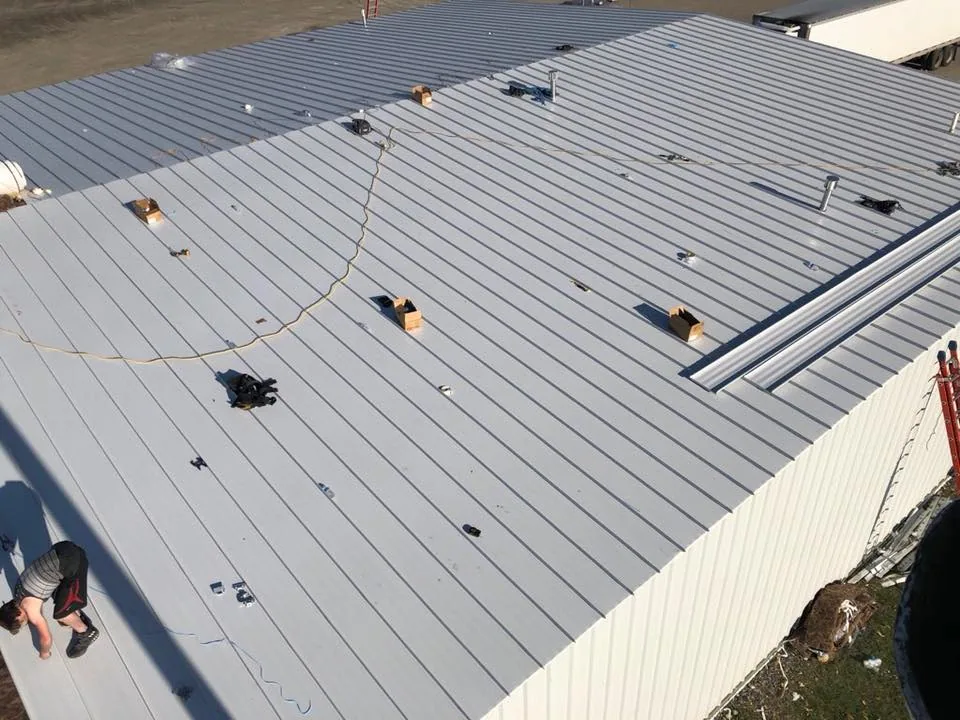
Commercial Roofing for Real Estate Investors in Bryan, TX
A portfolio roof decision starts with each asset's assembly, current condition and repair history, not a citywide assumption. A 2019 EF-2 touchdown approximately four miles to Bryan’s east damaged a house and four commercial buildings or warehouses in Brazos County. For the April 8, 2021 storm, hail reports around Bryan-College Station measured 1-2.75 inches, with the most significant hail there occurring from 9 to 9:30 p.m. For an investor, the next step is to connect those dated records to a current roof walk and the decision deadline. A roof condition report can separate observed defects from items that still need access or testing.
We document commercial roofs for owners, asset managers and general contractors who need a clear repair boundary before acquisition, refinancing or planned work. Send the roof plan, property use and timing question. An inspection visit can build the field record around the decision in front of the ownership team.
Roof register: compare evidence by asset
A useful register identifies each property, roof section, assembly, access point, drain, curb, edge and known repair. Attach dated photographs to locations on the plan, then separate what was seen from what was tested. List membrane type only when field evidence or records support it. A roof asset record is easier to update when the inspection follows the same section names used by the property team.
Record current leaks, previous patches, ponding, open seams and areas where moisture testing is still needed. These items have different consequences for continued occupancy and future scope. If water entry has a defined path, a commercial roof leak repair review can locate the entry point before a broader replacement is considered. If a field seam has separated, document the joint and tie-in through a seam repair assessment.
Portfolio review: group work by condition
Put each roof in a practical condition group: serviceable with routine upkeep, needing a defined repair, requiring additional testing, or approaching a larger replacement discussion. The label is a planning aid, not a warranty or forecast. Pair it with the evidence, unknowns, access limits and the date when the owner should revisit the decision.
Keep life-safety issues, active leaks and open roof sections visible above cosmetic concerns. A property with a small, confirmed flashing defect may need a different work window from an assembly with wet insulation across a broad area. For repeated sites, a property management roofing program can standardize records while retaining each asset’s own scope.
When a roof is stable enough for restoration, describe preparation, adhesion checks and tie-in details. A coating restoration review should state where the existing surface is compatible and where repair or removal remains necessary. If the assembly cannot support that approach, compare it with replacement scope options using the same roof plan and condition record.

Local setting: plan around property use
Texas Avenue and South College appear in Bryan’s revitalization plans. A roof decision near active commercial uses can touch deliveries, customer routes, tenant access and interior protection. Put those constraints in the work plan by property rather than applying one schedule to every asset in the portfolio.
Rail service reaches the industrial park named Texas Triangle Park in northeast Bryan. For an investor reviewing a mix of commercial properties, that industrial context and the corridor locations point to different operating questions: who controls roof access, where materials can stage, and when a roof opening can be dried in. A field review records the assembly, access limits and roof condition for each asset before the owner compares it with the portfolio.
For an investor comparing a current inspection with older property records, mark every difference that could change the repair boundary. A plan may show a prior overlay, while a roof walk may reveal exposed edges, changed drains or a tie-in made during later work. Record the observed condition, date and section separately from the record history. That distinction helps ownership teams decide which items need a test opening before they set a funding window.
Work window: connect scope to timing
Timing depends on more than the visible defect. Weather exposure, material lead time, deck repair, occupied space, mechanical coordination and access can change the sequence. Put urgent protection first, then schedule testing, permanent repair and follow-up as separate actions. If a roof opening exposes interior space, contact the service team to confirm current response availability, safe access and temporary protection. Permanent repair follows once an inspection establishes the boundary.
For a multi-property owner, keep the work window and cost drivers beside the affected roof section. State what the price includes, what remains concealed and what approval is needed before the crew expands the opening. If a property has a defined repair need, a commercial repair proposal can distinguish immediate work from optional follow-up. A maintenance visit can then check the repaired boundary and drainage after weather exposure.
When several acquisitions are under review, place roof evidence beside the transaction schedule without presenting an estimated service life as a fixed end date. Identify roofs that need immediate protection, roofs that can remain under monitoring and roofs that need more investigation. The general contractor can then coordinate access, bids and tenant notices with the actual review date. If the close date changes, refresh the work window and confirm that temporary protection or open repair items still have an owner.
Decision file: preserve the reason for the work
Retain the inspection date, roof plan, photographs, test locations, repair notes, access limits and open questions together. If ownership changes, the next manager should be able to see why a patch was selected, what area was excluded and which item needs another look. A roof insurance documentation review can organize repair evidence when the owner is assembling a claim file, without promising an insurer’s decision.
Use a plain-language summary for the investment committee: the confirmed condition, the proposed action, alternatives considered and the consequence of waiting. Keep the technical appendix available for the project manager who will coordinate work. A portfolio note is useful only when a reader can trace it back to the individual roof section and the evidence collected there.
Frequently Asked Questions
Can one roof rating be used across a portfolio?
No. Each roof needs its own assembly, condition evidence, repair history and access notes. A shared register can make records consistent without treating unlike properties as the same asset.
What should an acquisition inspection include?
Start with the roof plan, visible conditions, moisture indicators, prior work and any area that could not be accessed. We tie photographs and tests to roof sections so the buyer can distinguish confirmed scope from follow-up.
How can repairs be compared with replacement?
We map the affected boundary, substrate condition and tie-in details, then describe the work needed for each viable option. The owner can compare scope, access and timing using the same field evidence.
Can work be planned across several properties?
Yes. We can group visits by geography and operating window while maintaining a separate condition record and proposal for every roof. Emergency openings still receive immediate attention.
What belongs in the capital planning record?
Keep the inspection date, roof sections, photographs, confirmed defects, unknowns, repair alternatives and next review date together. That file helps the next decision maker trace the recommendation to the roof.
Handoff: keep the next inspection useful
At the final walk, compare the installed work with the marked roof plan and confirm temporary cover is removed. Record the verified assembly, test results, repaired locations and any owner items still open. Attach that summary to the specific asset file so a later review does not treat one inspected section as a finding about the entire roof. For property teams operating in Bryan, the Bryan service area walk can document the next roof decision with the asset manager and general contractor.
Send the roof plan, building use, leak history, repair record and decision timing. We can walk the assembly, mark the condition by section and prepare a practical next task for the ownership team.
Review a Bryan roof portfolio
Send the property list, roof plans, repair history and decision timing. We can organize a field review around the properties, operating windows and next roofing tasks.