Commercial Roof Condition Reports in Bryan, TX
A Bryan, TX roof walk needs a record that ties each observation to the roof area where it was found. The April 8, 2021 storm generated hail reports of 1-2.75 inches around Bryan-College Station, whose most significant hail fell between 9 and 9:30 p.m. An earlier Brazos County EF-2 tornado, in 2019, damaged a house and four commercial buildings or warehouses following touchdown roughly four miles to Bryan’s east. We inspect accessible areas, photograph seams and transitions, and mark conditions that call for repair, testing or follow-up. That gives the owner and general contractor a field account of the roof in front of them. A commercial roof inspection in Bryan starts with the building use and a safe access plan.
Field observations: record what the roof shows
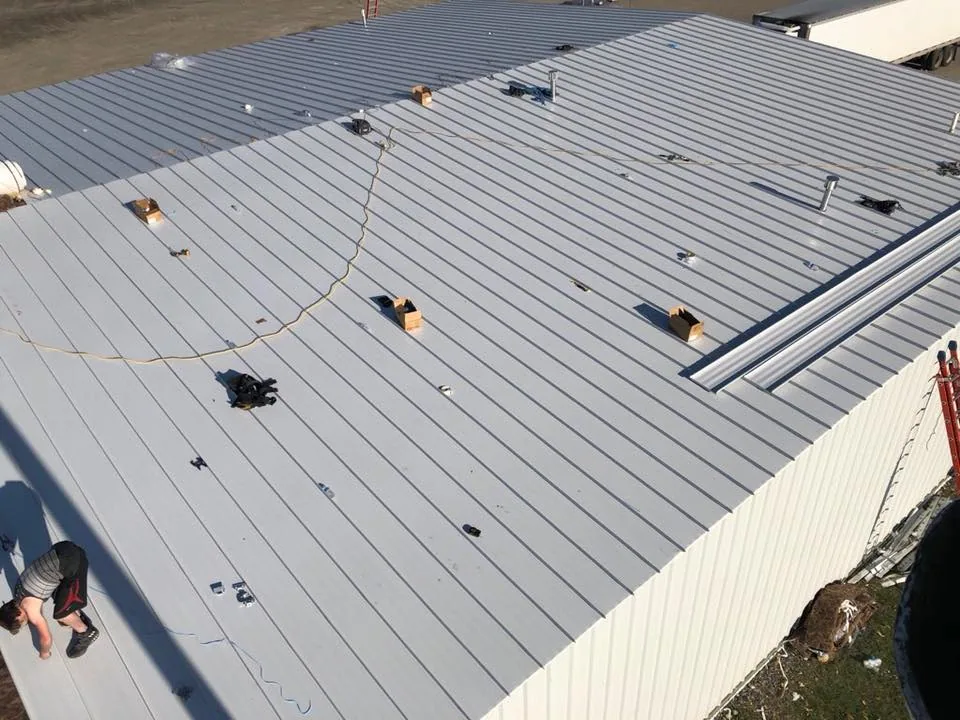
A condition report begins with observable details: membrane type when identifiable, seam condition, flashing at curbs and walls, edge securement, drainage, rooftop equipment and visible prior repairs. We note where the surface changes, where water is collecting, and whether a detail appears open, patched or disturbed. The observation stays separate from the repair recommendation so the reader can see what was present before work begins. If access was limited or a layer remains concealed, the report says which area was not confirmed and what examination would answer the question.
We do not turn a photograph into a diagnosis it cannot support. A blister, puncture or loose metal edge is tied to its roof zone and surrounding conditions, then the next check is named. When the findings point to a leak, our leak investigation can trace the water path beyond the interior mark. If the roof requires a wider review, a hands-on inspection can add measurements, condition notes and photo coverage that support the work scope.
Zone photography: make each image usable
A photo without a location label can be difficult to use after the crew leaves the roof. We divide the roof into practical sections using the building plan, visible edges or another reference the property team recognizes. Each image is tied to a zone and detail: drain, parapet, curb, seam, equipment support or field membrane. When a close view shows a puncture or open weld, a wider frame places it in context so the manager can find the same point during a follow-up walk.
We use separate images for the condition and for the surrounding assembly when both views change the decision. The caption states what is visible and what still needs confirmation; it does not imply that hidden insulation or deck has been checked. If a test cut or moisture scan is warranted, the report names the proposed location and closure detail before anyone opens the roof. A moisture survey can help investigate suspected wet areas, while the image record remains linked to the original roof zone.
Water-path review: connect the mark to roof details
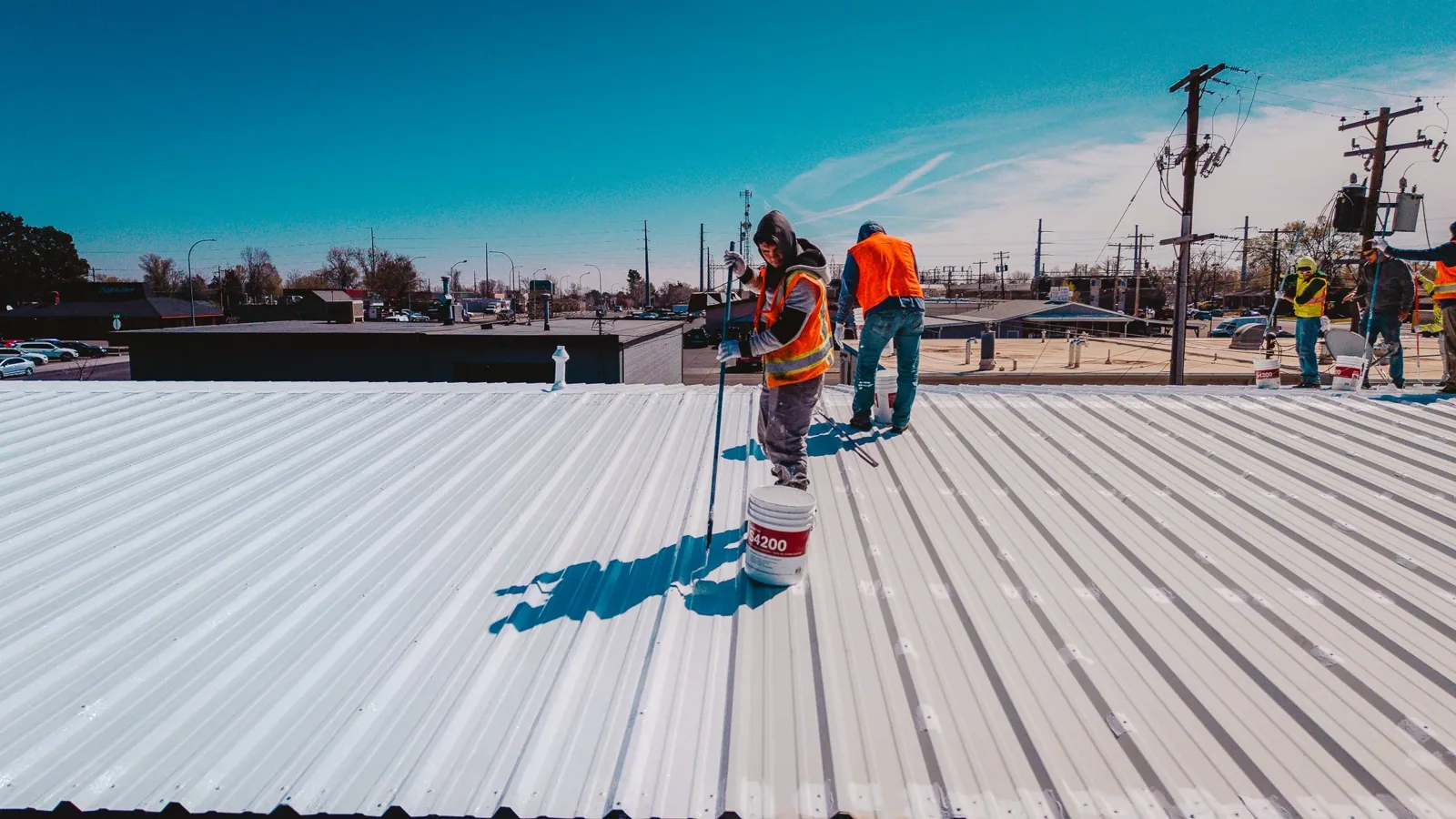
Water seen inside a building may enter at a seam, curb, wall termination, drain or another detail some distance away. We note the interior location provided by the building contact, then inspect roof surfaces and transitions that could contribute to the path. The report distinguishes the starting point of the complaint from the roof conditions observed during the walk. If the source cannot be confirmed visually, it lists the next test or opening that would help narrow the cause rather than assigning certainty to one detail.
That distinction helps the owner decide whether a small repair can proceed or whether a wider investigation is needed first. The report can mark temporary protection separately from permanent work, identify whether adjacent seams or penetrations were checked, and show where the water path remains unresolved. A repair scope can then name the material, preparation and tie-in boundary. If the report identifies ponding, blocked drainage or a raised transition, those conditions receive their own note instead of being bundled into a generic leak description.
Bryan context: relate roof notes to building use
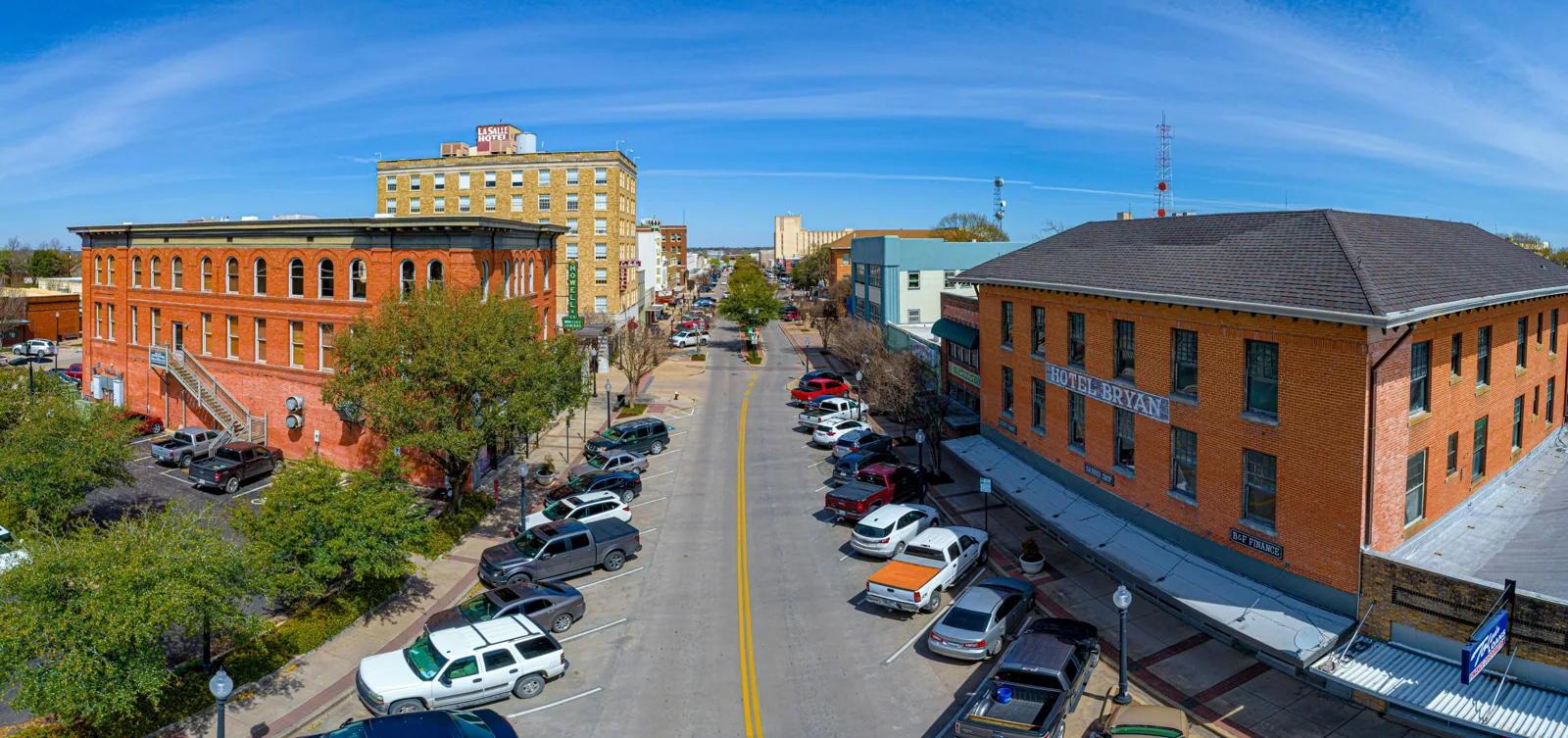
A roof at Bryan Business Park and one in Downtown Bryan may have different access rules. The site contact confirms delivery routes, customer entrances and work-hour limits; the report ties those details to roof zones and photographs so the repair sequence fits the property.
For a roof walk near Bryan Business Park, we confirm the property contact's delivery path and roof access rules before documenting conditions. We attach each observation to a photo and roof-zone label, then identify the next inspection or repair decision the evidence supports.
Repair boundaries: separate findings from proposed work
A usable report states where a repair begins and ends. We mark whether the scope covers a field-sheet patch, flashing detail, perimeter section, drain area or a larger roof zone, then note preparation and adjacent conditions that could change the work. If wet insulation, attachment or deck remains unknown, we identify that as an investigation item rather than price it as confirmed damage. This lets a contractor review the same boundary as the owner and keeps an approved repair from expanding without a documented reason.
Where replacement may be considered, the report records visible layers and details but does not assign an unsupported service life or promise a future result. The owner can request a separate proposal that describes removal, insulation, membrane, edge metal and tie-ins as distinct scope items. For a scheduled repair, our roof work planning can place findings into a sequence, while a roof asset record can retain the date, photos and open items for a later walk. The condition report itself remains a snapshot of what the inspection observed.
Frequently Asked Questions
What should a commercial roof condition report include?
It should identify roof zones, show photographs of observed conditions, describe water paths where they can be traced, and define proposed repair or investigation boundaries. We also note access limits and items that remain unconfirmed.
Can a ceiling stain identify where the roof is leaking?
Not by itself. We use the interior report to guide the roof walk, then inspect the nearby membrane, seams, flashings, drains and penetrations. If the source remains unclear, the report names a useful next test.
How do you organize roof photographs for a large building?
We use roof zones and recognizable details so each image can be located again. A close view shows the condition; a wider view shows its position relative to an edge, curb, drain or other reference.
Does the report confirm hidden insulation damage?
Only an opening or suitable investigation can confirm concealed layers. We separate visible evidence from suspected conditions and specify where a test opening or moisture survey would clarify the scope.
How does a report help the general contractor schedule roofing?
The report identifies the roof zone, work boundary, access limit and trade handoff tied to each finding. The GC can use those details to align the opening, dry-in and next trade without relying on a verbal roof description.
Owner and GC handoff: close the inspection loop
At handoff, the owner should be able to tell what was inspected, what needs action and who has the next step. We organize the report by roof zone, place photo references beside the finding, and separate urgent protection from repair, testing and monitoring recommendations. If another trade must move equipment or finish a curb connection, the notes identify the tie-in that depends on that work. The general contractor can then schedule the roofing task against the actual opening and dry-in sequence instead of relying on a verbal description.
For roof-finish replacement within Bryan city limits, a building permit is obtained by the roofing contractor and the work receives a final inspection. We can record that requirement with the replacement recommendation and show where inspection or closeout remains pending. The city portal supports applications, inspection scheduling and results, which helps the project contact follow the approval steps. A roofing handoff with the GC includes the field observations, repair boundary and any open coordination item in one report.
Request a roof condition walk
Share the reported roof issue, building use and available access window. We can inspect the roof zones, photograph findings and provide a clear handoff for the owner and project team.