Commercial Roofing for Property Managers in Bryan, TX
A property manager's first storm-related call is a triage decision: which roof needs a prompt inspection, what access is required, and whether water is entering occupied space. For April 8, 2021, reported hail diameters around Bryan-College Station reached 1-2.75 inches; the most significant hail there fell during 9-9:30 p.m. A manager can use a dated maintenance record to identify which roof was examined and who received the findings. We inspect the roof surface, seams, penetrations and drainage, then define a repair boundary and a work window that fits the building's use. A commercial roof visit in Bryan gives the manager a condition record and next task to review with maintenance staff.
Weather review: sort urgent leaks from storm evidence
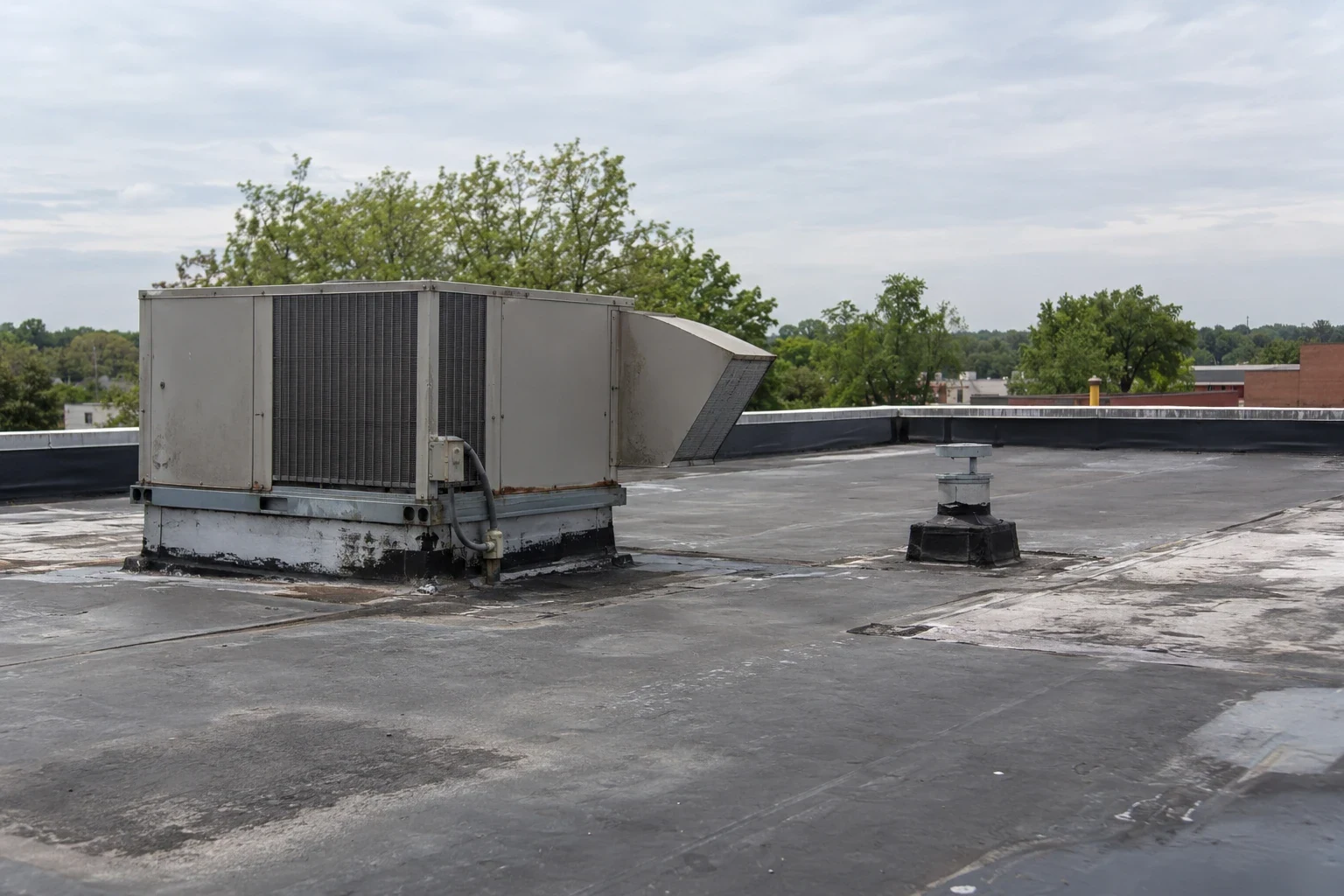
When tenants report a ceiling stain after severe weather, we inspect the reported area and nearby transitions, checking membrane seams, flashing, edge metal, drains and rooftop equipment. A Brazos County EF-2 tornado in 2019 damaged one house along with four commercial buildings or warehouses, after a touchdown roughly four miles eastward from Bryan. In the April 8, 2021 storm, 1-2.75-inch hail was reported around Bryan-College Station, and its most significant hail there fell in the 9-9:30 p.m. interval. The field walk ties any current opening or water path to a roof zone and an immediate protection step.
For a manager overseeing multiple buildings, we separate active water entry from conditions that can be monitored or investigated further. The inspection scope can identify immediate stabilization, likely repair areas and questions that need a second look. We photograph the locations and note how access was reached, so maintenance can send the right person to the right roof zone. If a leak needs urgent attention, contact the project lead to confirm current response availability, safe access and the section needing immediate protection; agree on the work area and dry-in point before opening the roof.
Tenant coordination: set a workable access window
A roof repair can affect a tenant even when the work stays above the ceiling. Noise near offices, blocked loading paths, equipment shutdowns and rooftop access all change the notice a manager should send. We confirm which entrances and service routes must remain open, where materials can be staged, and which unit or suite needs an update before work begins. For an occupied property, the daily plan marks the roof zone, start time and dry-in point rather than promising that every task will be invisible below.
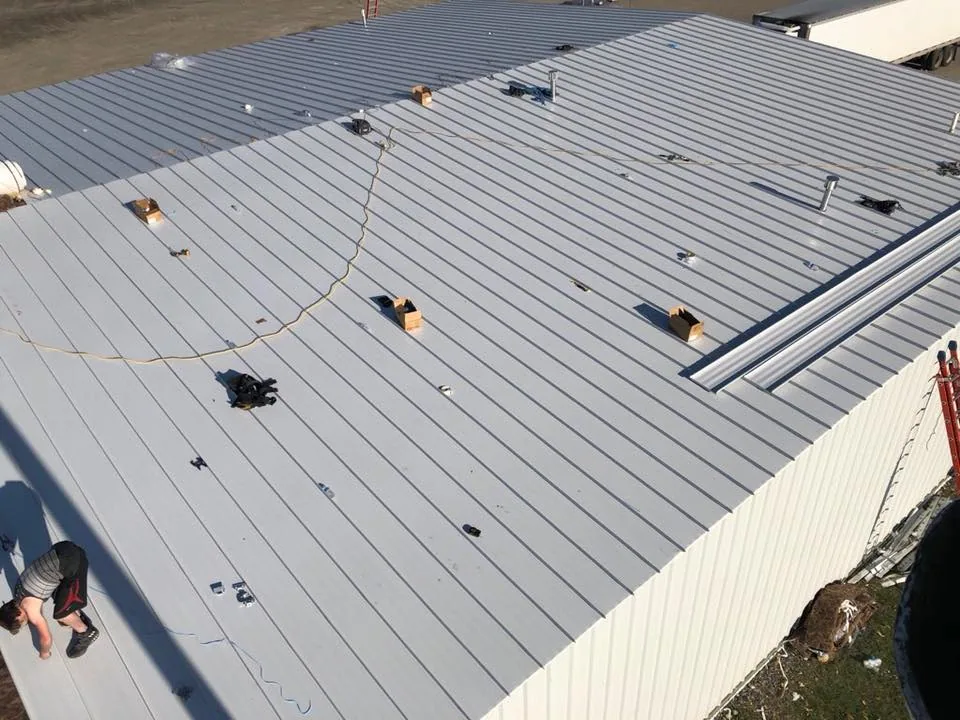
For larger properties, the manager can group work by roof section or tenant access needs. A leaking detail above one unit may be isolated and repaired first, while a scheduled replacement can proceed across a defined area after tenants and building staff receive the work window. Our occupied-building sequence accounts for pedestrian routes, interior protection and trade handoffs. When a contractor or another maintenance trade shares the schedule, a clear roofing coordination plan records who controls the opening and who confirms the tie-in is complete. A concise tenant notice can identify the dates, affected entrance and expected work hours without asking occupants to interpret roofing terms. The manager keeps the building contact list current; we report changes to the daily work area before they alter access or noise near a tenant space.

Local property mix: match the notice to the site
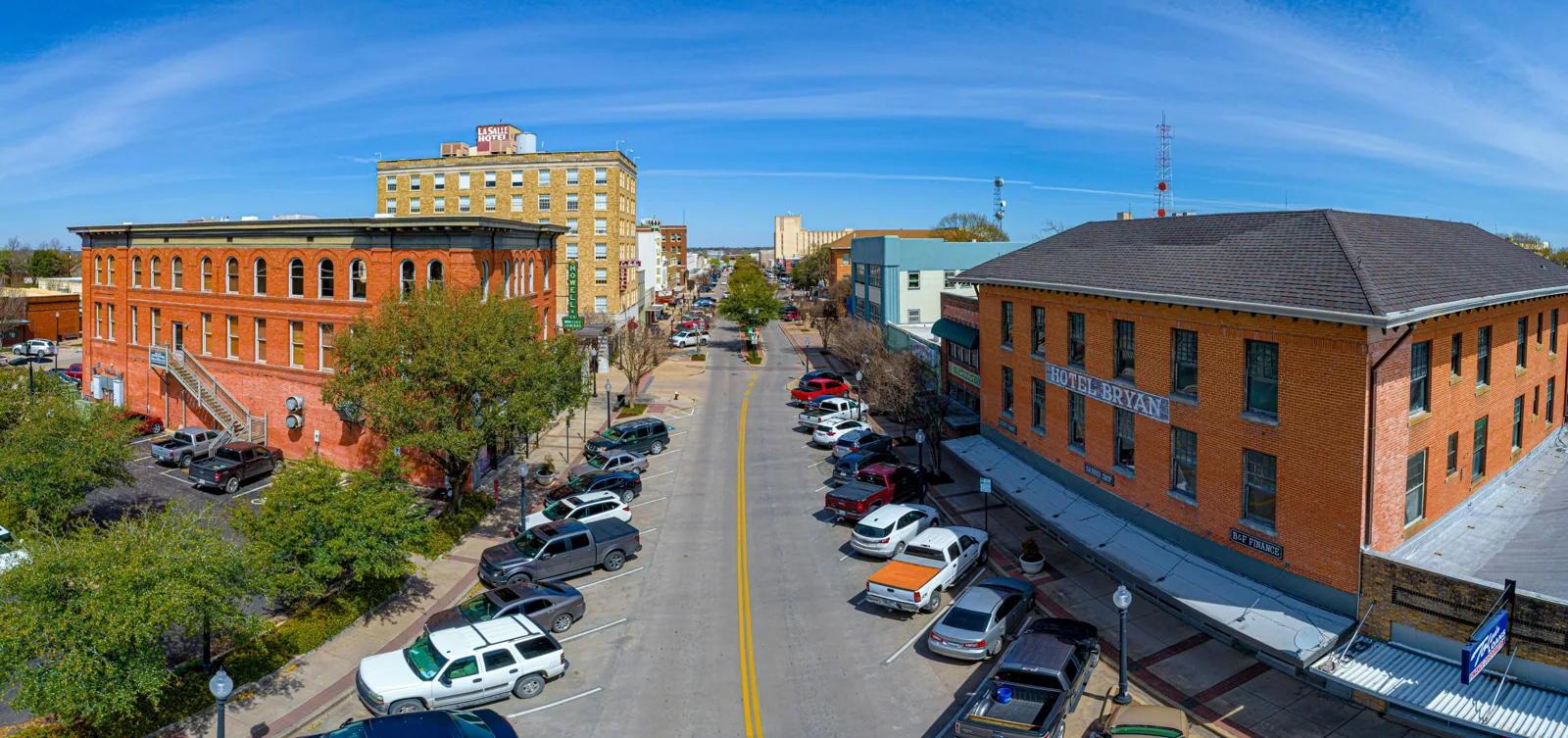
Bryan Business Park and Brazos County Industrial Park, the city's two public industrial parks, list occupants such as Honeywell, Toyo Ink, Kent Moore Cabinets and Pepsi-Cola. For managers serving industrial property, roof access may need to stay clear of freight movement or shift activity. The downtown district presents another pattern: its commercial mix includes restaurants, shops and art galleries, where notice can account for storefront hours and customer entry. We confirm the actual building rules with the property contact before setting access, staging or tenant communication.
Downtown Bryan, Texas Avenue and South College are part of local revitalization work. When exterior improvements overlap with roofing, coordinate delivery timing, customer routes and roof access with the property contact. For a roof visit near Bryan Business Park, we confirm the freight path and access limits before the crew arrives. The scope then identifies its own roof zones, work limits and handoff points.
Records and priorities: make each recommendation usable
A property file is more useful when it distinguishes observation from proposed work. We record the roof zone, visible condition, photographs, repair boundary and next action, then identify whether the recommendation is a patch, further investigation, maintenance item or replacement discussion. This lets a manager compare buildings without treating a stain, loose edge or aging coating as the same problem. Our photo-backed condition report can support that handoff, while a roof asset register can keep inspection dates and follow-up items together across a managed portfolio.
When several scopes are under review, we show the work area and assumptions separately: preparation, insulation, membrane, flashing and equipment tie-ins. A multi-property roof review can then use the same condition fields while leaving each property's repair choice tied to its own inspection. That record helps the manager schedule a leak repair without losing the longer-term question about drainage, repeated patching or the condition of other sections. It also gives the next vendor or internal maintenance lead a consistent handoff.
Permit and closeout: finish with a documented handoff
For a Bryan project that replaces the roof finish inside municipal boundaries, city procedure assigns the permit application to the roofing contractor and calls for a final inspection after installation. Managers can include those checkpoints in tenant communication and access planning before work begins. We coordinate the work window and inspection timing so a completed section is ready for review, while open items remain visible in the closeout record. A repair-only scope may follow a different path, so we describe the work actually priced instead of applying replacement steps to every roof visit.
At completion, the manager should have a concise record of the roof area addressed, details reset, photos taken and any follow-up condition that remains. If another trade still has equipment work to finish, the closeout names that handoff and the roofing tie-in that depends on it. Our preventive maintenance visits can help keep drains, seams and flashings in the inspection cycle, while a marked report preserves what changed. That gives the property team a usable field record for the next service window.
Frequently Asked Questions
What does the first visit tell a property manager?
We identify the reported roof area, inspect related seams and transitions, and document any active water entry. The manager receives a repair boundary, photographs and the next action, including any area that needs further investigation.
Can tenants remain open during roof work?
In many cases, yes. We set the work zone, access route, noisy tasks and dry-in point with the manager, then divide the roof into sections when that better fits tenant hours or loading activity.
How should we handle reports after hail?
We prioritize active leaks and exposed details, then inspect the surrounding roof areas for damage that could affect repair scope. We use the event date to focus the walk on relevant roof zones, then set repair scope from the seams, flashing, edges and interior conditions found at the property.
What belongs in a roof report for a managed portfolio?
The useful record names each roof zone, shows the observed condition in photos, defines the repair boundary and lists the next action. We can also note access limits or trade handoffs that affect when the work can proceed.
What approvals should we schedule for a roof-finish project?
For replacement work inside Bryan's municipal boundary, the roofing contractor secures the building permit and the city completes a final inspection. We put those checkpoints into the work sequence and closeout record.
Plan the next roof visit
Send the property use, roof concern and practical access hours. We can arrange an inspection, mark the work area and agree on tenant notices before the crew is scheduled.