Home / Service Areas /
Commercial Roofing in Downtown Bryan, TX
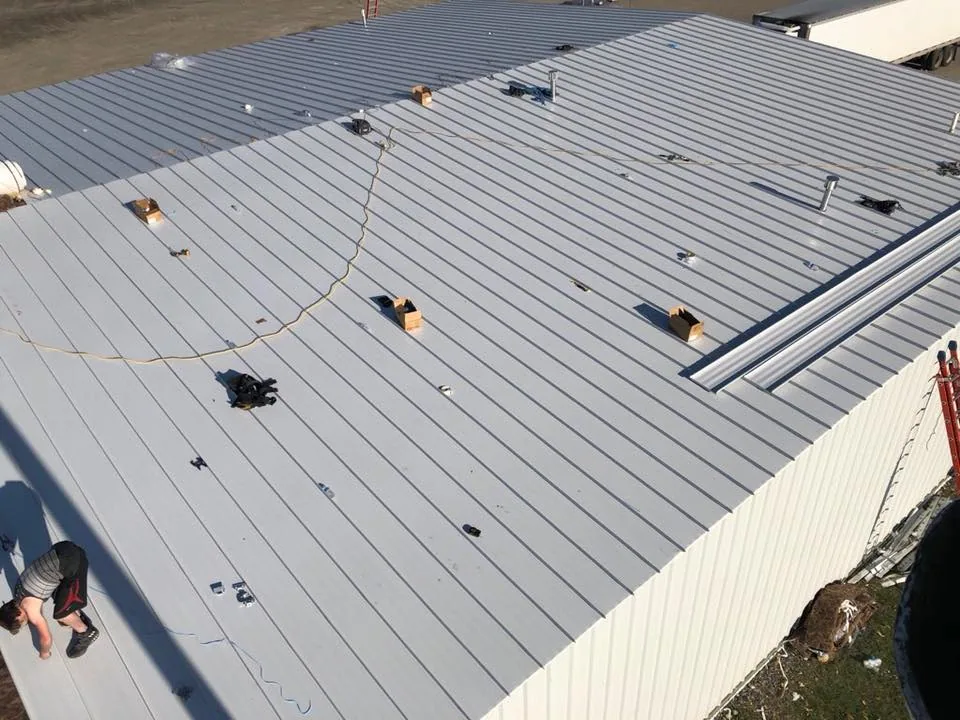
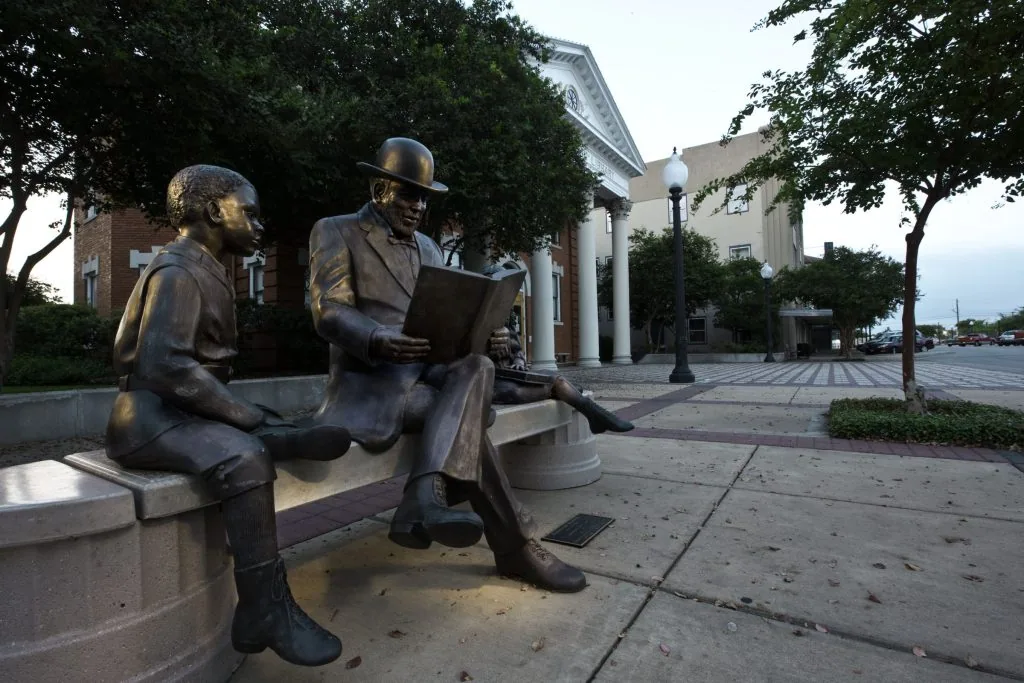
A Downtown Bryan roof repair can affect a storefront, dining room or neighboring entrance, so the work zone and the protected route below need agreement before roofing material is removed. Downtown Bryan is a designated Texas Cultural District with restaurants, shops and art galleries, so a roof work window may need to protect active storefront access and interior use. We inspect the actual membrane, flashing, curbs, drains and edges, then connect any interior report to a roof zone before setting the repair boundary. A commercial roof inspection records the conditions and gives the general contractor a practical sequence for access, dry-in and handoff.
Storm review: Check the edge before pricing the field
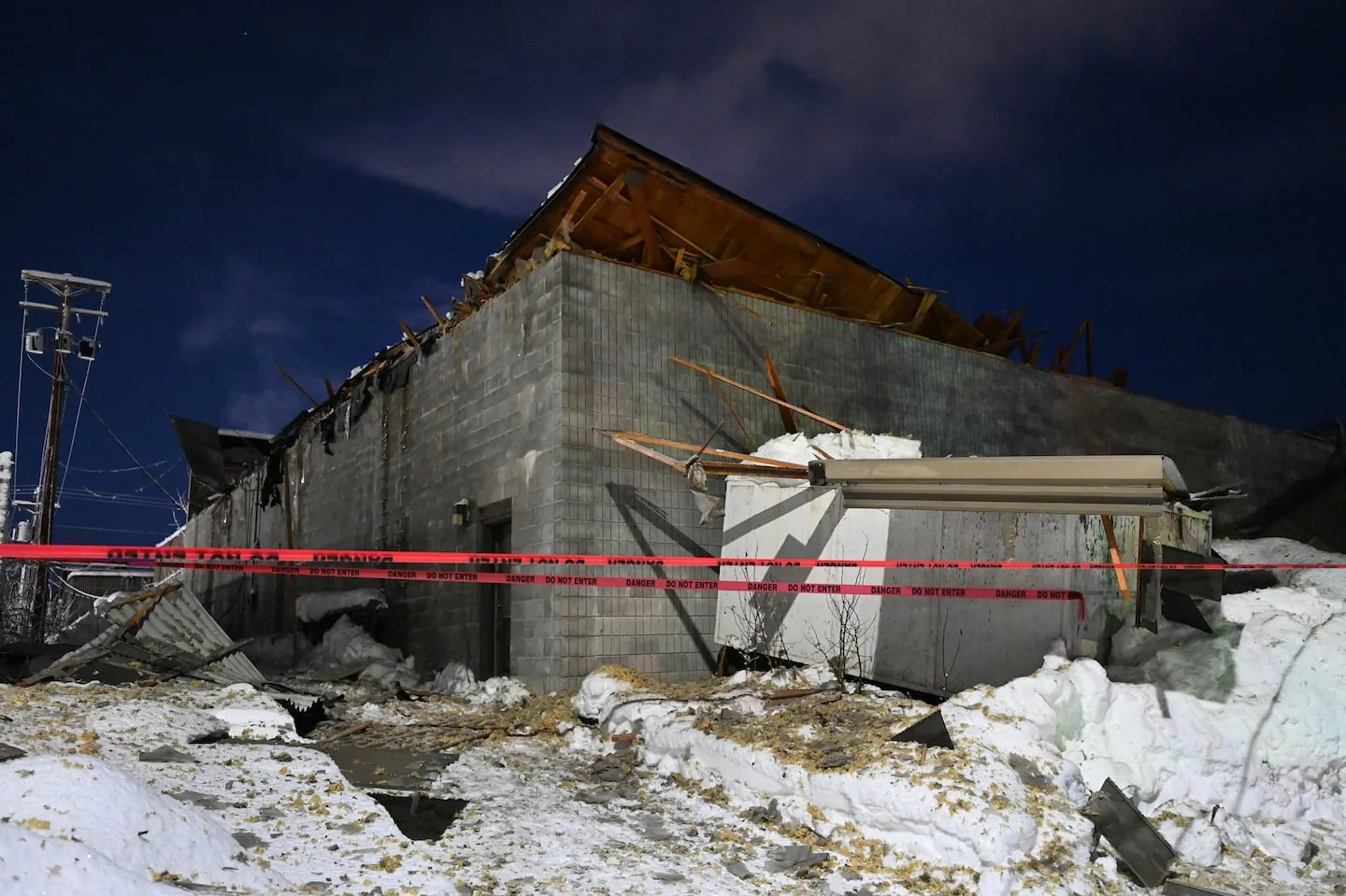
Wind can move metal or disturb a membrane tie-in at a corner while leaving the main roof field looking continuous. We check perimeter details, seams, penetrations and rooftop equipment, then photograph any change that needs a repair or further investigation. An interior leak report can help locate a roof zone, but water may travel from the point where it entered. When a storm leaves an active opening, temporary protection needs a secure attachment, a route for shedding water and a record of the permanent repair still required. Our storm damage roof repair separates temporary protection, observed conditions and lasting repair work, which helps the owner and project team track what is complete.
For a claim file, we can organize dated photos, the affected roof zone, the observed detail and any temporary protection as separate pieces of the record. The owner can share those observations with the project team or insurer, while the insurer determines coverage. A field report does not substitute for the repair scope: it shows what was visible, what was secured and what needs permanent work. Keeping those items distinct helps the general contractor schedule the next trade without treating a temporary patch as the final roof connection.
Storefront operations: Keep the work path open
Downtown Bryan includes restaurants, shops and art galleries, and each operator can have a different delivery route, customer entrance and service schedule. Before mobilization, we confirm where material can be staged, how rooftop access will work and which ground-level areas need protection. Bryan also promotes commercial and multifamily exterior work through its Downtown Improvements Matching Grant Program. That program is separate from the roof condition; it does not determine membrane repair, flashing scope or drainage work. If a storefront project includes exterior trades, the general contractor can align scaffold, signage and roof-edge work so one crew does not block another. On the Texas Avenue corridor, where Bryan supports retail and commercial exterior improvements, access planning follows the same rule: each roof is specific to its building.

Water trace: Locate the roof detail above the stain
A stain in a ceiling can sit away from a failed seam, curb or wall transition, so we compare the interior report with roof-zone observations. The walk follows membrane laps, penetration flashing and the drainage path, checking insulation and substrate when the assembly permits. We note whether the condition is isolated or extends into an adjacent area and identify any opening needed to confirm it. A drain or scupper that holds water can add exposure beside a weak detail, while a curb corner may need its own flashing repair. Our drain and scupper work addresses the outlet and nearby membrane together. Photos and a clear repair boundary help the owner understand which roof area is being returned to service.
Occupied sequence: Limit each roof opening
A downtown roof repair may sit above a working business, so the exposed section should match what the crew can close and dry in during the agreed shift. We coordinate the delivery path, lift or ladder access, interior protection and any equipment tie-in before removal begins. If a mechanical or electrical trade needs to cross the same roof zone, we mark the handoff and who completes the flashing around the connection. The daily boundary changes with weather and the condition uncovered at the first opening. A planned occupied-building reroofing sequence keeps customer areas below and the membrane above within the same schedule. The site contact confirms access restrictions; the roofer confirms the physical limit of the work.
Assembly review: Choose repair or replacement from evidence
A flashing defect can stay within a repair scope when the membrane and insulation around it remain sound. Repeated seam distress, widespread wet insulation or weak attachment can call for a broader recover or replacement review. Before coating, we check compatibility, surface preparation and whether the roof is dry enough for application. We compare drainage, perimeter metal, tie-ins and roof layers before pricing an option. Tear-off, deck repairs, tapered insulation, equipment moves, disposal and access can affect timing and cost. A commercial roof replacement needs a removal, dry-in and closeout sequence, while recover work depends on the existing substrate. The choice follows the conditions found at the building, not a district-wide assumption or a storm date.
A roof with several repair generations needs the field membrane, insulation, drains and perimeter transitions checked before a recover is priced. We mark where layers end and where equipment or wall details interrupt the working surface. If moisture or attachment remains uncertain, we identify the area that needs further investigation rather than treating an unseen condition as settled. The findings can change the removal boundary and how much material stays exposed in each work window. That level of detail gives the owner a reasoned choice between continued repair and a larger roof project.
Frequently Asked Questions
Does the tornado east of Bryan in 2019 establish damage to a downtown roof?
No. That tornado touched down in Brazos County east of Bryan, while an inspection documents a particular roof. We check edges, membrane seams, flashing, equipment and interior reports, then distinguish emergency protection from permanent work at that building.
Can a Downtown Bryan business remain open during roof work?
Often, with a defined access route, interior protection and a roof opening limited to the work the crew can close that day. We coordinate the schedule with the site contact and general contractor before removing membrane.
Does a city exterior-improvement program cover roof replacement?
The program context does not establish roof eligibility or the condition of an assembly. We inspect the roof and price its actual membrane, flashing, drainage and substrate work separately from storefront or facade improvements.
Why can water show up away from the roof opening?
Water can travel along insulation or structural surfaces before it reaches a ceiling. We compare the interior report with seams, curbs, drains and wall transitions, then photograph the likely path and define the area needing repair or further investigation.
What changes the cost of a downtown commercial reroof?
Tear-off, deck repairs, wet insulation, drainage, edge metal, equipment moves and occupied access shape the work sequence and price. We identify visible conditions and note what requires confirmation so the owner can compare a defined scope with any unresolved items.
Closeout: Leave the next task clear
At closeout, we record repaired zones, completed flashing and drainage details, photos and remaining questions for the property team. Downtown Bryan's storefront setting can make pedestrian access and deliveries part of the next visit, but those logistics do not change what the roof needs. The project record identifies the actual assembly and the repair boundary so a later service call starts with useful information. Where a building sits near the South College Avenue corridor, that broader commercial context can inform access planning without turning a corridor program into a roofing claim. A clear handoff lets the general contractor coordinate the next trade and gives the owner a concrete follow-up list for maintenance or further inspection.
Arrange a Downtown Bryan roof walk
Tell us which occupied use, roof concern and access window need coordination. We can inspect the roof, document the repair boundary and coordinate access, dry-in and the next task with your general contractor.