Commercial Rooftop Equipment Curbs and Supports in Bryan, TX
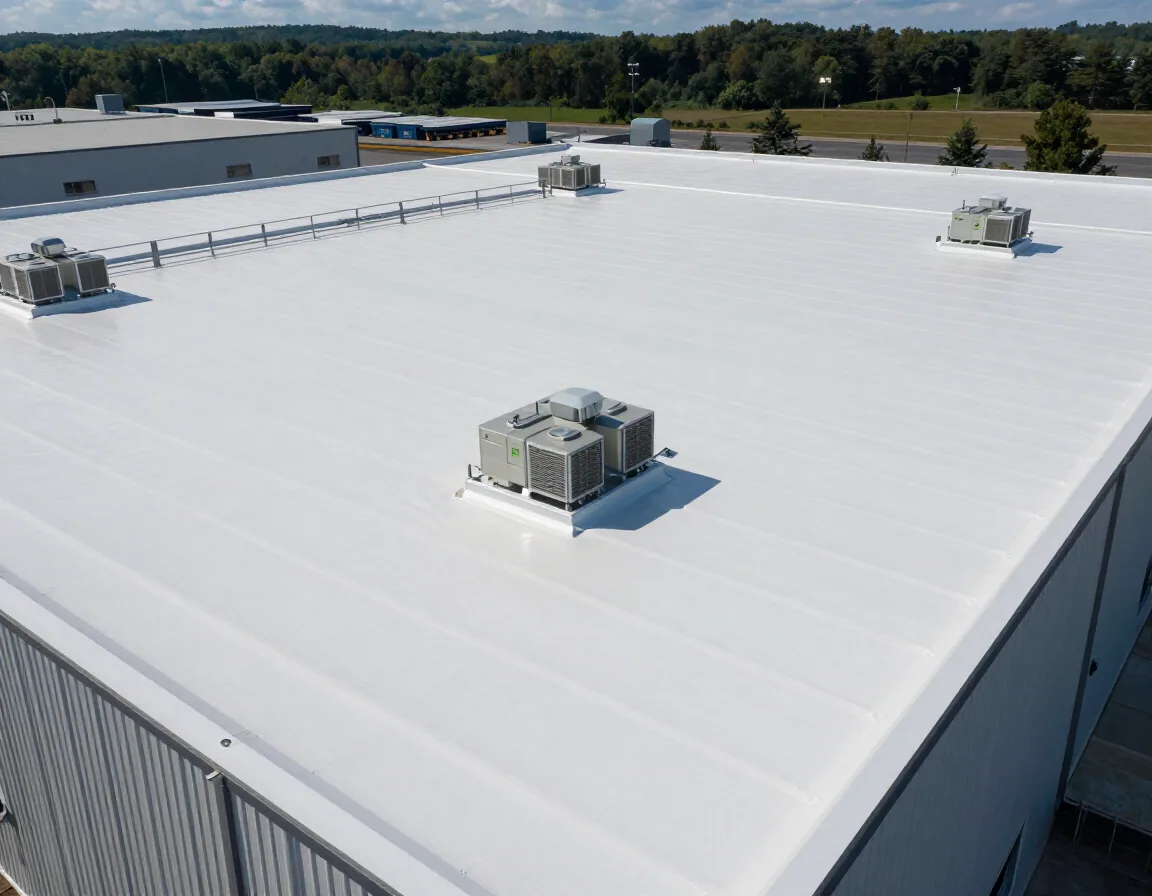
A new rooftop unit changes the load, opening and weather detail in the same work area. In Bryan, we inspect the existing roof assembly and curb interface before equipment is set or moved, then define the roofing tasks that belong in the sequence. The mechanical contractor remains responsible for the unit and its connections; our scope addresses roof openings, curb flashing, membrane tie-ins and the work surface affected by that installation.
At Bryan Business Park, the curb-installation plan identifies the individual property’s equipment access and the work area beneath each opening. We coordinate the roof opening, temporary closure and tie-in with the general contractor so an unfinished curb does not sit exposed between trades. The 2019 Brazos County tornado and April 2021 Bryan-College Station hail are dated reasons to include exposed transitions in a post-installation roof check. Before lifting equipment, the roofing and mechanical contacts confirm the curb dimensions, opening protection and order of work needed to maintain a weather-tight transition.
Existing assembly: Identify what supports the curb
Before a curb is altered, we identify the roof system, membrane attachment, insulation layers and visible deck condition around it. We review drawings and service notes, then use an agreed test opening when concealed layers could change the roofing scope. We note access limits and identify where an opening or design review is needed. A commercial roof inspection can establish the roof conditions around the proposed work before the mechanical change is scheduled.
A curb transfers load into its supporting assembly. The structural designer or engineer reviews equipment weight, vibration, support spacing and deck capacity; we document surrounding roof conditions and coordinate flashing after the support arrangement is set. If existing insulation is damaged or wet around the curb, removal limits are recorded before rebuilding the field membrane.
The project file should also identify roof access, existing equipment spacing and any lifting restriction that affects where the new curb can sit. We record the roofing boundary and share it with the general contractor before work starts. A roof condition record can retain photographs and observations for the next service visit, while structural and mechanical approvals remain with their design professionals.
Curb height: Coordinate the finished roof elevation
New insulation or cover board can raise the roof surface and leave a curb with less flashing height than the system requires. We compare the proposed roof build-up with curb dimensions and identify any height change before membrane installation. A roof insulation and cover-board scope should be coordinated with equipment support and flashing elevations. The mechanical trade adjusts equipment and connections; the roofing sequence closes the weather boundary around that work.
At the curb corners, we check that membrane flashing can turn up and terminate without obstructing service access. The exact detail depends on the installed roof system, curb material and manufacturer requirements. We document the interface and clarify whether existing metal can remain or needs replacement. Where a unit must be removed or lifted, the lift window and temporary weather closure are agreed before the opening is exposed.
Opening: Keep the weather boundary controlled
An equipment opening needs a planned start, a defined roof cut and material ready for the same work window. We confirm who is authorized to remove the unit, how the deck opening is protected and what happens if weather delays the replacement. A temporary dry-in is a separate step, not a finished curb detail. If the schedule changes, the building contact receives the exposed area and next closure task before crews leave the roof.
The roof opening also affects the occupied area and any equipment below. We coordinate debris containment and interior access with the site contact, then keep the work boundary small enough for the agreed weather protection. A emergency roof response is available if unexpected water entry requires immediate stabilization, but planned equipment work should have its dry-in materials and trade handoff arranged before demolition begins.
Trade sequence: Keep mechanical and roofing tasks aligned
The mechanical contractor provides the unit dimensions, support plan and connection requirements; the roofing crew needs those inputs to detail the curb and membrane. We identify which party disconnects or reconnects equipment, who controls the lift and when the roof can be closed. At a Bryan Business Park building, the property contact identifies any occupied space requiring protection while the curb work proceeds above. We coordinate those conditions with the general contractor and use the access hours approved by the site contact.
A curb should not be flashed until its final position and support are confirmed. If equipment is shifted after roofing work, the new movement can disturb the membrane tie-in and require another inspection. We check the finished curb perimeter, termination and adjacent field for the agreed work scope, then record any mechanical item still open. That handoff keeps responsibility for equipment service separate from the roof weather barrier.
After weather: Recheck exposed equipment details
Wind can move rooftop components or stress a curb transition, while hail can mark exposed metal and equipment covers. The 2019 tornado east of Bryan in Brazos County and significant 2021 hail in the Bryan-College Station area provide regional storm context. After reported damage, we inspect the curb, membrane and attachment, then document visible conditions and areas needing closer review.
A maintenance walk can include curb corners, pitch pans, conduit boots and service paths. We look for loose flashing, open sealant joints, damaged membrane and debris that redirects water. A roof maintenance visit can record those items with photographs and identify which belong to mechanical service. If an active leak is traced to the roof transition, a defined repair scope can restore the flashing after the equipment trade has completed its work.
Frequently Asked Questions
Who is responsible for the HVAC unit and its curb?
The mechanical contractor handles the unit, its connections and support design. We coordinate the roofing interface, including the membrane opening, flashing and tie-in around the approved curb.
Can a new unit be installed on an existing curb?
That decision depends on the equipment dimensions, support and design requirements. We inspect the roof and curb condition, while the mechanical and structural teams confirm equipment compatibility and capacity.
What if new insulation raises the finished roof surface?
We compare the proposed build-up with curb height and flashing needs before installation. The project team may need to adjust the curb or equipment supports before the roof can be closed.
How is the roof protected if the lift is delayed?
The opening is covered with a planned temporary dry-in suited to the assembly and weather. The building contact receives the remaining exposure and next closure task if the work window changes.
Can roofing proceed while the building operates?
We coordinate the roof access, lift path, interior protection and schedule with the building contact. The operating arrangement depends on the specific unit and work zone.
Closeout: Record the curb and the remaining handoff
At completion, we identify the unit or curb area worked on, roof materials used, opening status and any uncompleted mechanical connection. Photographs capture the curb corners, membrane termination and nearby field. The record notes whether the assembly was opened and what was visible beneath the surface. That information helps the facility contact distinguish roofing work from equipment start-up or electrical testing assigned to other trades.
If curb work accompanies roof-finish replacement within Bryan, the roofing contractor handles the City permit application and final inspection. We confirm the project classification with the general contractor before mobilization. A Bryan Business Park roof project also needs an access plan based on its specific property and production schedule. The next inspection or repair task is left with a clear owner and date.
Coordinate the curb before the unit moves
Share the roof system, proposed equipment change and building schedule. We can review the curb interface and agree on the roofing handoff.