Home / Roof Systems /
Built-Up Commercial Roofing in Bryan, TX
Loose surfacing, an open lap or a soft spot can involve different layers of a built-up roof, so the inspection has to connect the visible defect to the assembly beneath. In Bryan, we assess a built-up roof by tracing the condition through the surfacing, plies, flashing, drains and supporting layers. Built-up roofing uses multiple asphalt-based plies, with a surface finish selected for the assembly. The work decision depends on what those layers are doing together, not just on what can be seen from the access hatch.
At Bryan Business Park, access for a layered-roof investigation is confirmed with the building contact before the work sequence. We inspect each roof's assembly and plan staging around the actual facility's access and operations. Brazos County's 2019 EF-2 track passed roughly four miles east of Bryan and damaged one home plus four commercial buildings or warehouses. When a property has storm-related roof records, we compare them with current conditions before setting a repair boundary. We review repair history, visible wear and reported leaks, then define whether the need is a local repair, broader investigation, recover or replacement before the roof is disturbed.
Assembly review: Read the layers as a system
A built-up roof has a sequence of reinforcing felts and asphalt, sometimes with multiple plies and a protective surfacing. We inspect for exposed or displaced reinforcement, alligatoring, blisters, open seams, soft areas and prior patches. The visible condition can point toward further investigation, but it does not show every layer. A modified bitumen system also uses multiple asphalt-based plies, though its sheets and application differ; a single-ply membrane presents different seam and repair details.
Before pricing a new layer, we determine what can be confirmed from records and the roof surface. A recover can be unsuitable where moisture, compromised attachment or deck concerns remain unresolved. We identify where test openings may be needed and whether the building's structure should be reviewed for added load. A roof condition inspection documents the accessible areas, details and limitations so the proposal can state what the roofing scope covers and what still requires confirmation.
Surface and moisture: Investigate before covering
Gravel or another specified surfacing can shield the plies, but displaced material, bare areas or embedded debris may leave asphalt exposed or hide a defect. We inspect around roof traffic routes, equipment and drains, noting soft or uneven areas and the condition of patches. Suspected wet insulation needs evidence before it is removed or covered. An infrared moisture survey may help locate areas for closer investigation when conditions support that method; selected openings may still be needed to confirm the assembly.
A built-up roof can have several past repair campaigns, each with a different material or boundary. We compare those areas with leak locations, seams and interior reports to determine whether water is entering at the visible defect or traveling from a nearby detail. The ponding-water review can examine the roof's drainage path where low areas hold water. The findings distinguish surface maintenance from conditions that call for a larger repair plan or replacement discussion.
Details: Rebuild edges and roof openings
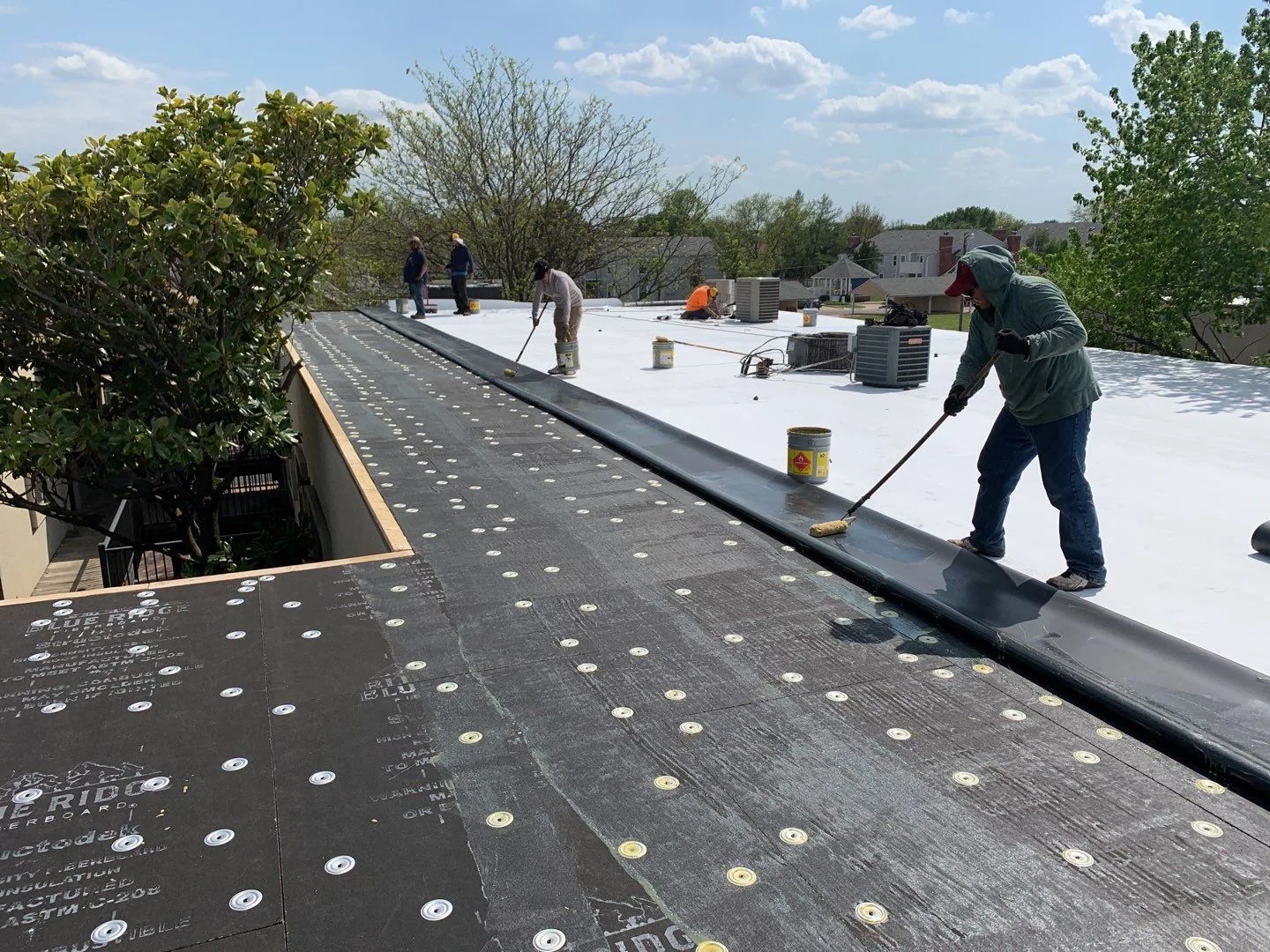
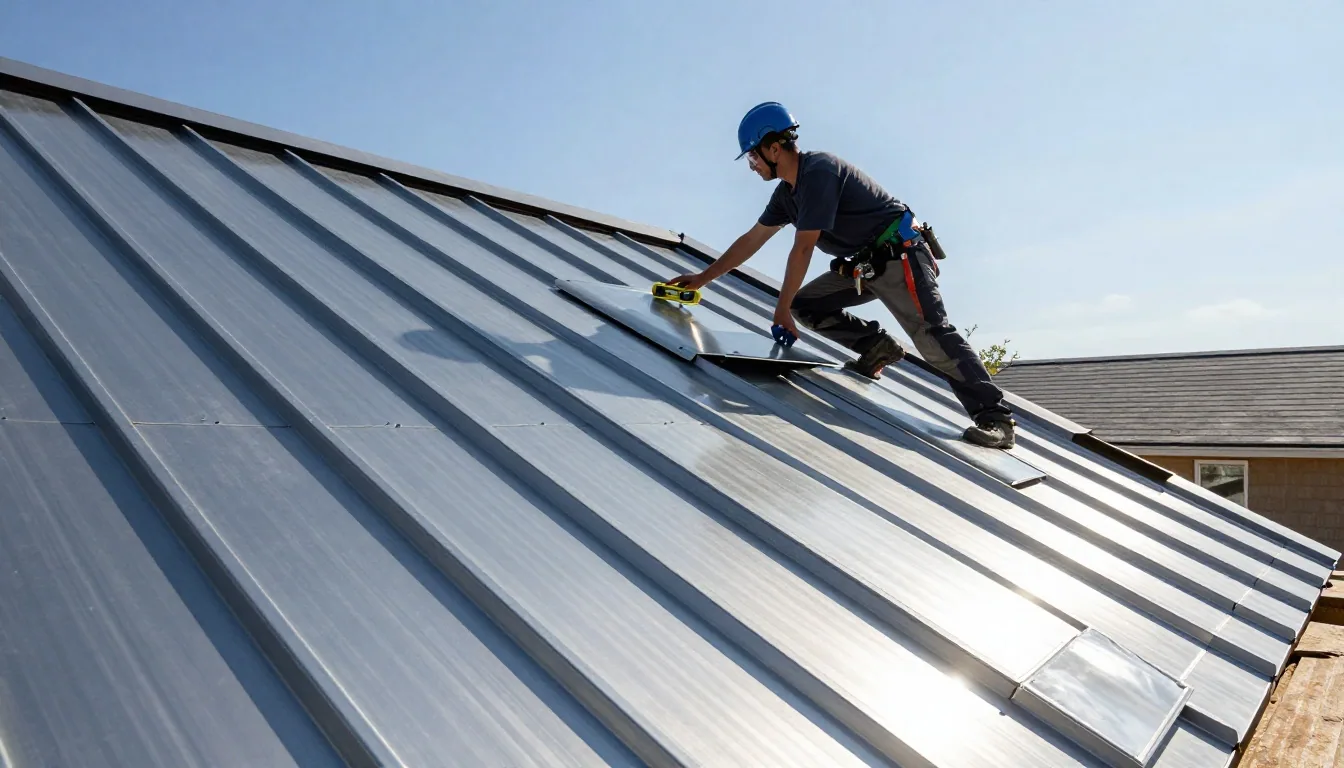
Built-up plies turn up at walls and curbs, terminate at edges and connect to roof drains. Those transitions need compatible flashing and a stable termination. We check where surfacing obscures a membrane edge, whether a curb connection has separated and how the assembly closes at a wall. A flashing repair may require removing material to reach a sound tie-in rather than spreading a surface coating over the same gap.
Equipment installations and later trade work can disturb the plies around a curb or pipe. We coordinate dimensions, access and responsibility with the general contractor before a roof opening is made. A curb and support detail should be complete before the unit is set, with a clear sequence for the roofer's flashing and the next trade's connection. At drains and scuppers, we keep the water path open and document the interface after the repair.
Work sequence: Protect the roof at each stop
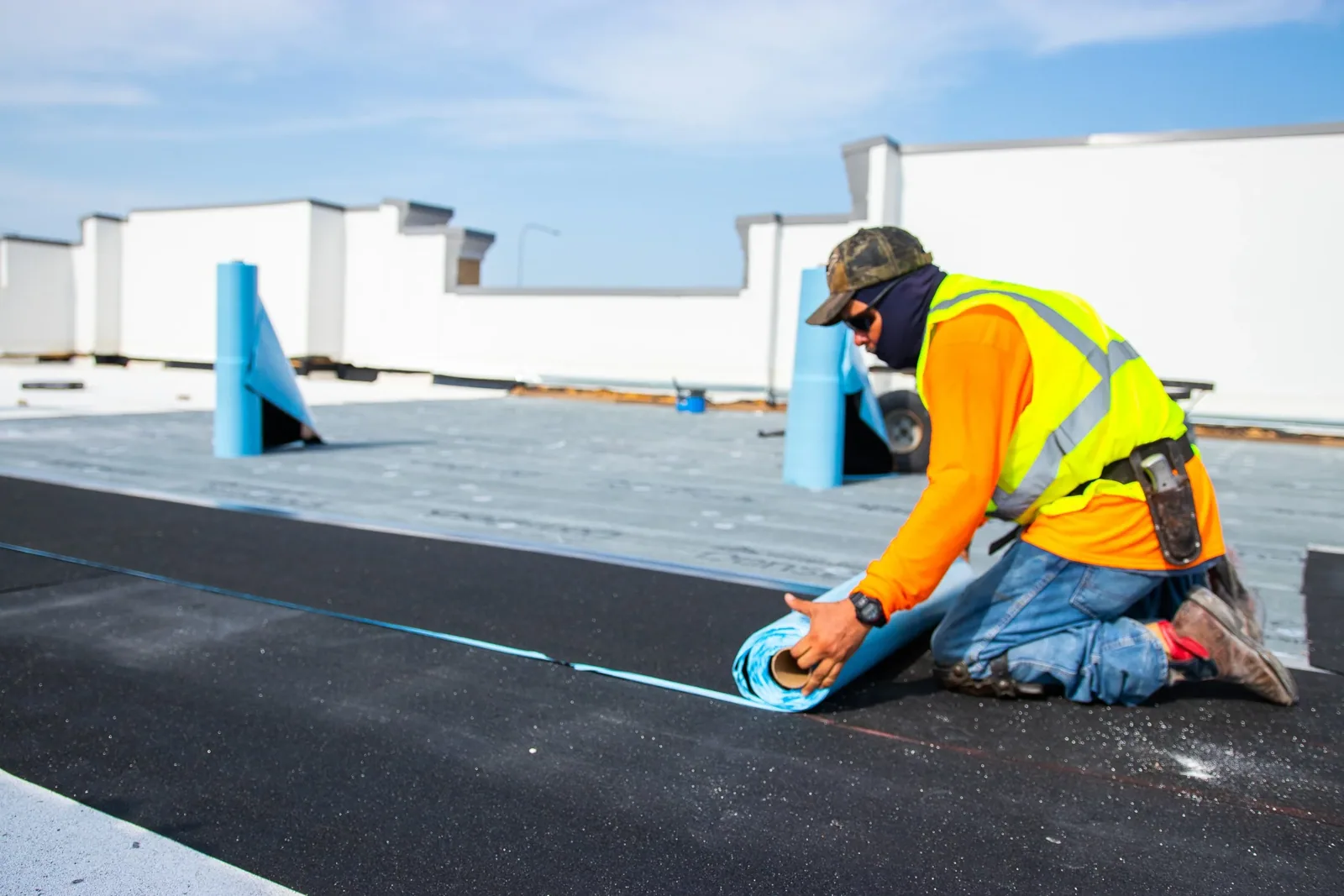
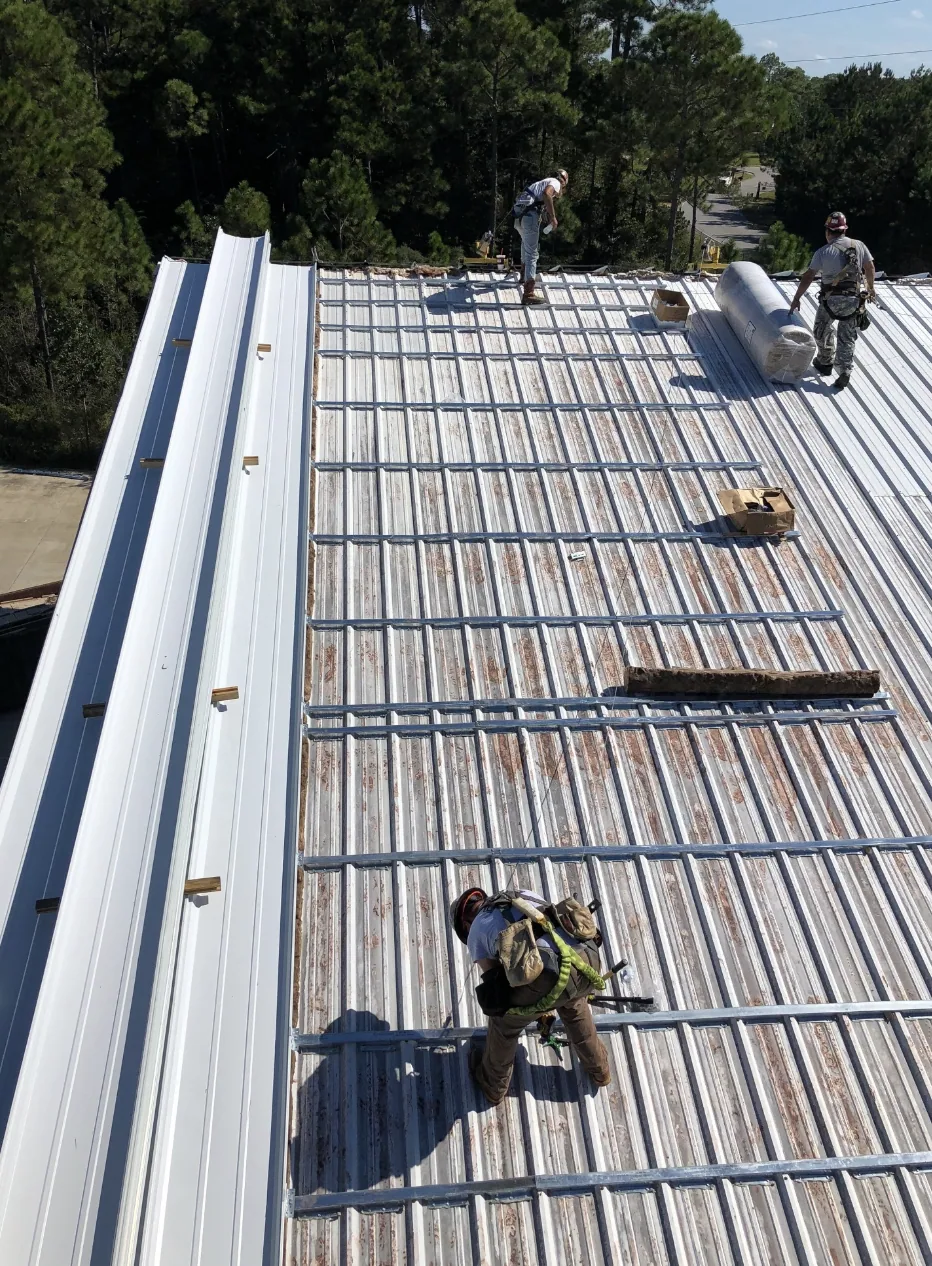
Repairs to built-up roofing may involve removing surfacing and rebuilding one or more plies, which affects staging, dust control, hot-work planning and the time an area remains open. The crew needs a boundary that can be secured each day, with materials ready to complete the selected section. We coordinate forecast conditions, access and any building operations below the work area. A repair plan should identify how the roof will be protected if the substrate differs from what was visible before removal.
For recover or replacement, we sequence demolition, deck review, insulation, plies, surfacing and tie-ins with other trades. Before tear-off, we identify the city inspection checkpoint, the roof sections that must remain accessible and the closeout record for completed plies. An occupied-building reroof plan can identify access, noise and temporary protection needs around the facility's use.
Maintenance record: Preserve the roof history
For a built-up assembly, a useful closeout record identifies the repaired plies, surfacing, edges, drains and areas left for monitoring. Photographs tied to roof zones help later staff compare a new observation with the work already done. A roof condition report can organize that information for a repair or capital planning decision, while keeping structural questions or concealed conditions clearly separated from what was directly observed.
Maintenance includes clearing debris, checking drainage, watching for new bare surfacing or blisters and reviewing penetrations altered by other trades. A maintenance visit records the changes and helps identify whether a small repair is needed. Water entering through a built-up roof can be reported for emergency service any time of day, every day of the week; the visit secures the opening and sets a durable repair boundary.
When arranging a roof walk, share the roof records, reported leak areas, access requirements and planned equipment work. We can inspect the built-up assembly, mark the conditions that can be repaired and identify concealed questions requiring an opening or other test. For a Bryan industrial roof, setting a daily work boundary around active operations also matters: staging, debris removal and tie-in work should leave the following trade a known surface and a clear handoff, rather than an open question about what the roofer completed. We also review edge metal and coping where they meet the completed plies, since those terminations are part of the closure.
Frequently Asked Questions
How can I tell if a built-up roof needs repair or replacement?
We assess the condition across the field, plies, surfacing, flashing and drains, then compare findings with repair history and leak reports. Widespread deterioration or unresolved moisture may change the decision from a local repair to broader work.
Can built-up roofing be recovered with another layer?
A recover is appropriate only after reviewing moisture, existing layers, attachment, deck condition and added load. We identify any openings or structural review needed before a proposal includes another layer.
Does gravel surfacing need to be removed for a repair?
Surface preparation follows the selected repair method and the condition at the work area. We identify whether surfacing must be cleared to reach sound plies, then specify how that layer will be restored after the repair.
What happens if water appears away from a roof defect?
We compare the reported interior location with the roof's drainage, seams and details. Water can travel within an assembly, so the investigation records the likely path and any areas needing closer examination.
What does a tornado-related inspection cover in Bryan?
We inspect accessible roof areas, edges, flashings, openings and reported interior conditions, then photograph what is visible and note follow-up questions. The 2019 event is context; the property walk establishes its condition.
Plan the next built-up roof decision
Share the roof history, BUR surfacing, reported leaks, drainage concern, any known wet-insulation findings and the planned work window. We can inspect the assembly and mark what a repair can reach.