Army Installation Roofing in Bryan, TX
Brazos County recorded an EF-2 tornado in 2019 about four miles east of Bryan; one house and four commercial buildings or warehouses were damaged. Bryan is also the base city of the Army Reserve 420th Engineer Brigade, and training and headquarters motorpool activity have been documented at the Bryan Armed Forces Reserve Center, so mission schedules shape when a crew can reach a roof. For a reserve-facility scope, use dated site records and a current roof inspection to establish conditions rather than infer damage from a nearby event. We map the roof area, check the edge and curb details, then set a work window and dry-in plan that fits the project’s operating requirements.
Weather exposure: walk the roof in sequence
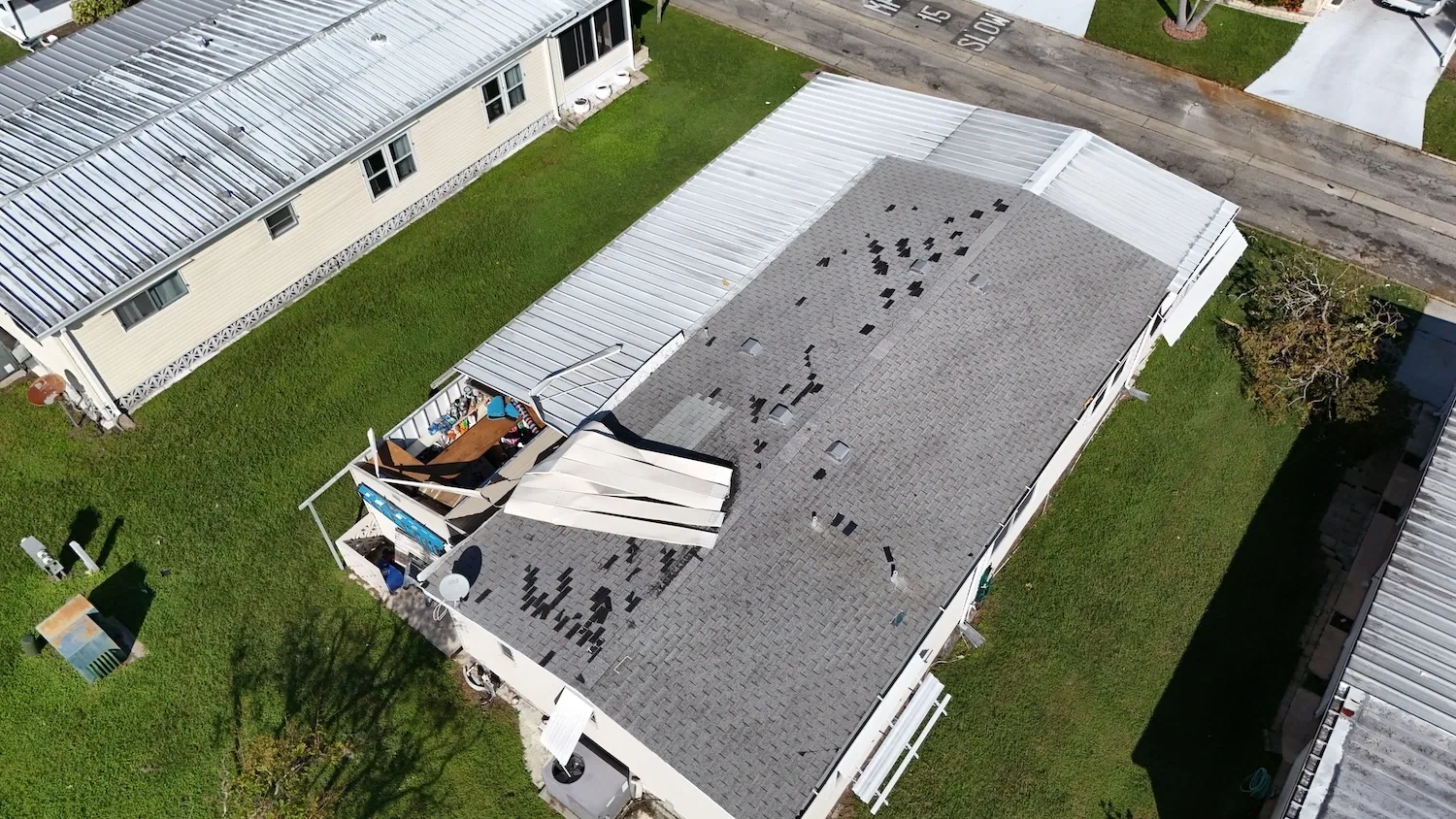
After reported wind or hail, we walk the roof in a defined sequence, starting with edge metal, corners, seams, penetrations, and roof openings. We compare those details with interior reports, photographs, and the date of the event. A wind damage review distinguishes a loose termination from a puncture or displaced flashing; a documented inspection records the accessible area and the next test if the condition remains uncertain.
An installation roof can cover several uses and construction phases, but the property category alone does not identify its membrane, deck, or structural design. We confirm the roof plan against visible transitions and mark any area that could not be reached. If weather interrupts access, the Diligence Notes identifies the incomplete zone and the protection needed before the crew leaves. That makes the next visit purposeful instead of repeating a general walk.
For the general contractor, the inspection also needs a handoff point: which roof zone is cleared for the next trade and which remains under review. We mark temporary protection separately from permanent work, then photograph both the initial condition and the secured end-of-shift state. If a weather alert shortens the window, the Diligence Notes identifies the open item and the person who will confirm the return sequence.
Assembly: confirm it before defining work
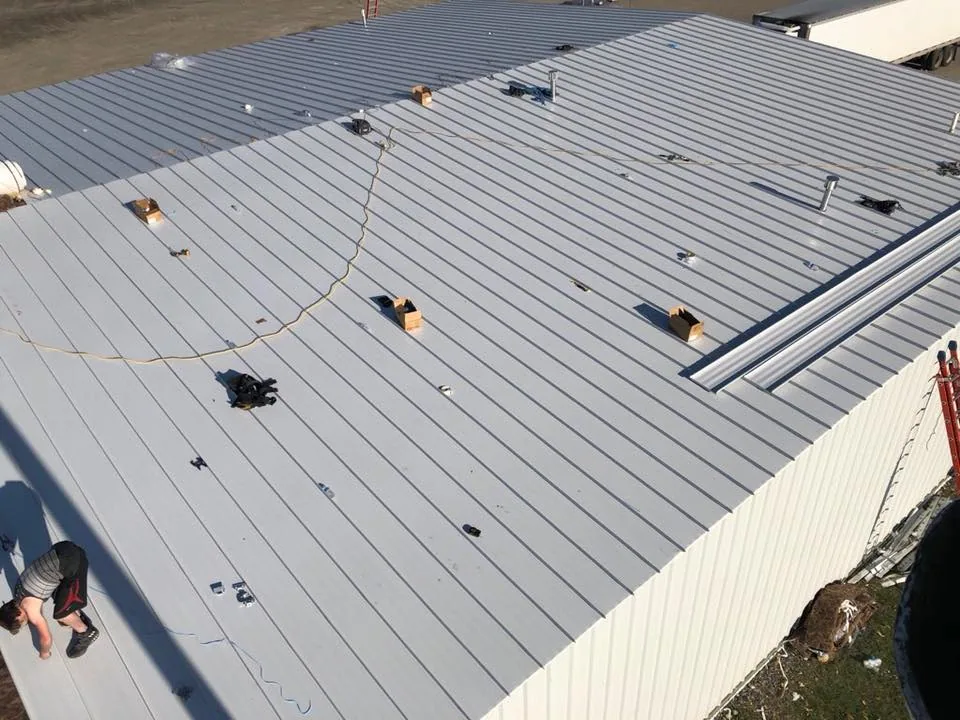
We identify the roof system, attachment, insulation, deck where visible, slope, drainage route, and edge condition. A repair at one seam may be suitable when the adjoining materials remain stable; repeated moisture or an altered curb can point to a wider scope. The boundary is drawn around the observed condition, with exclusions named. A related armory roof scope may share coordination needs, but its assembly and access requirements still need their own review.
Bryan’s public industrial-park pair is Bryan Business Park and Brazos County Industrial Park. Coordinate the delivery approach and roof access with the facility contact, then record approved staging before setting the work sequence. Those parks show how freight and staging shape roof access in Bryan. The general contractor confirms the roof plan, route, and requested work area before selecting material. Existing layers, moisture, and added height at curbs are checked before an overlay is considered.
Openings: coordinate equipment and tie-ins
A roof opening can expose occupied space and interrupt the mechanical or electrical sequence. Before cutting, confirm the approved location, support detail, curb size, temporary cover, and trade responsible for each connection. We agree where the crew stops at the end of a shift and how the opening is protected. A curb and support scope should include the roof tie-in, not only the equipment base; a metal roof detail needs compatible fastening and movement allowance.
Where an installation has controlled access, the general contractor and facility contact establish badging, escort, delivery, and work-area rules before mobilization. We do not presume entry or approval. Those requirements affect crew timing, inspection sequence, and material handling, so they belong in the project schedule alongside shutdowns or overhead work. If a raised curb, exhaust, or communication line remains unfinished, the roofing scope records who completes it and who accepts the weather-tight tie-in.
Work window: protect the dry-in boundary
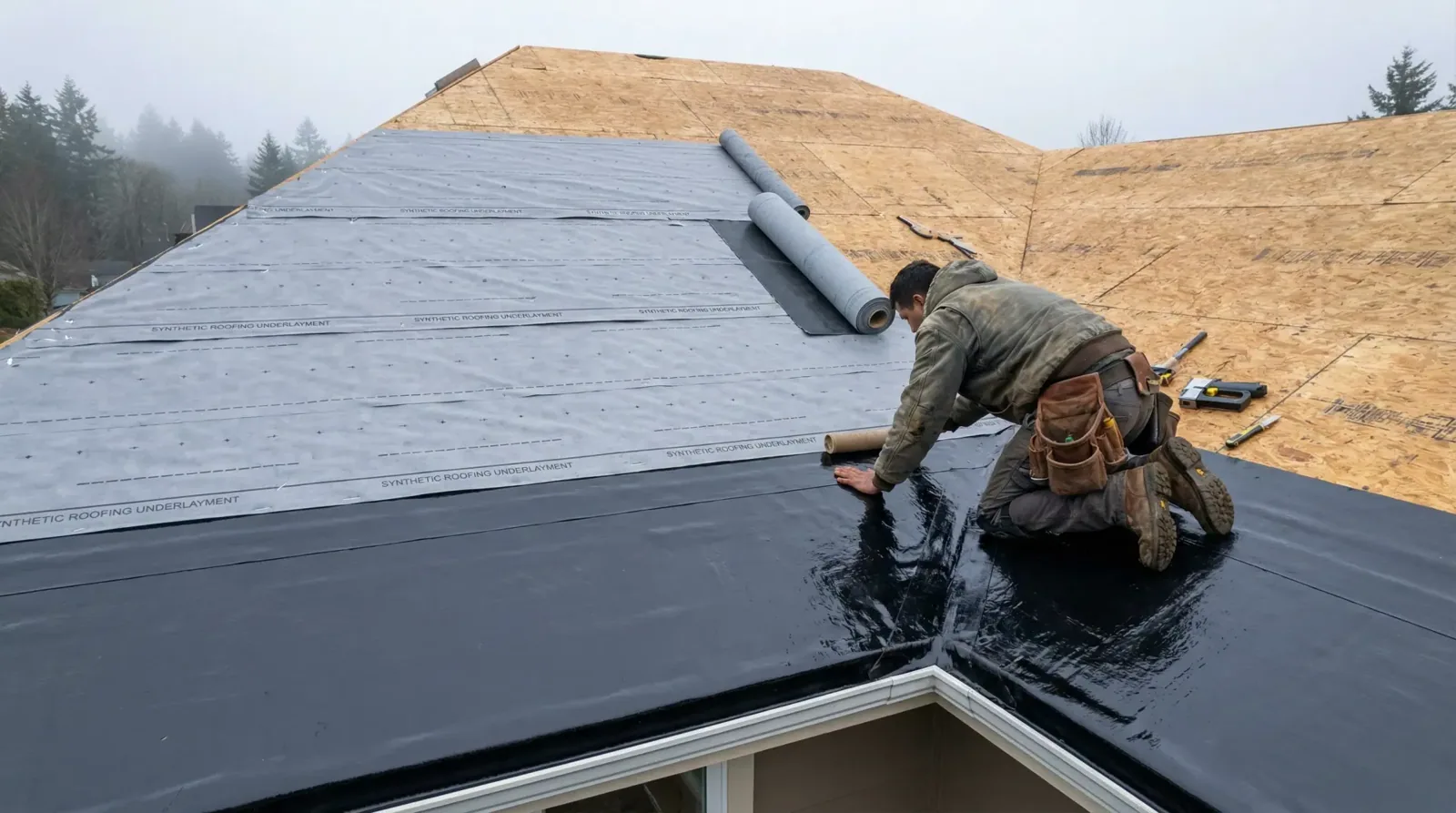
A phased reroof should leave each released zone secure at the end of the shift. We sequence tear-off, insulation placement, membrane attachment, flashing, and inspection so the dry-in boundary remains manageable. The crew and following trade need one agreed handoff point. In a controlled operating environment, the window can be limited by access approval or mission activity; the schedule should reserve time for protected closeout, not only for installation.
During hot weather, we follow the selected membrane's surface-temperature and handling limits, then confirm the day's working area before removal begins. If an interruption or concealed condition changes the sequence, the contractor records the open area, temporary protection, and approval needed to resume. A phased occupied-building plan can help define daily limits and interior coordination without assuming that every structure operates the same way.
Before removal, confirm material delivery, roof access, debris handling, and the route from staging to the work zone. A change in any of these can shorten the effective installation period. We sequence smaller released areas when a continuous tear-off would expose more roof than the site team can protect. The daily report names the area completed and the dry-in method left in place.
Permit and closeout: carry the record forward
For a Bryan roof-finish renewal under municipal jurisdiction, the roofing contractor files for the required building permit and the completed work receives a final inspection. The project lead confirms which authority governs the installation and identifies the person who accepts the finished scope. The field report records observed roofing conditions for the structural and project teams to use in their decisions. A condition record can tie the observed areas to photographs and keep open design questions separate from completed roofing work.
At closeout, record the approved roof system, repaired areas, materials, field changes, photographs, and remaining items. Keep submittals and inspection results with the roof plan, then identify who owns maintenance and future access. For a broader scope, replacement planning should preserve tie-in, edge, drainage, and equipment details in the handoff. Share the affected area, proposed work window, known assembly, and access contact so we can agree on the next roofing task.
Keep the approval record, completed inspection, approved system submittal, test results, and field photographs together. A medical-center roof scope has separate coordination needs; any work in Bryan should name the responsible project contact before mobilization.
A final walk compares the installed edge, drains, penetrations, and roof openings with the approved scope. If a detail changed in the field, include the revised direction and photograph. That gives the owner a reliable handoff for maintenance and a clear record if later inspection identifies movement at the same transition.

Frequently Asked Questions
What changes after a reported tornado or hail event?
We document the reported date and affected areas, then inspect accessible edges, seams, flashings, penetrations, and interior signs. A roof inspection identifies the affected zones and visible damage before repair is scoped. The field report records what we observed and whether another test or safe access method is needed.
How should a new roof opening be sequenced?
Confirm the approved location, curb or support detail, responsible trade, and temporary cover before cutting. We agree on the dry-in boundary and who accepts the tie-in. If the equipment or support detail is incomplete, the opening stays a coordination item until the project team resolves it.
Can the work fit a restricted access window?
The general contractor and site contact should establish entry, escort, delivery, and work-area rules before the crew is scheduled. We can sequence the approved roof area and define an end-of-shift protection point. The schedule needs to include the time required to secure the roof.
What records belong in closeout?
Keep the approved scope, product submittals, photographs, field changes, permit record, inspection result, and maintenance instructions together. Identify any open item and its owner. That gives the next project team a traceable handoff for later repair or renewal.
Set the roofing work window
Share the installation, building use, roof condition and access contact for a planned visit. We will document the installation roof, identify the repair boundary and plan the next roofing phase.