National Guard Armory Roofing in Bryan, TX
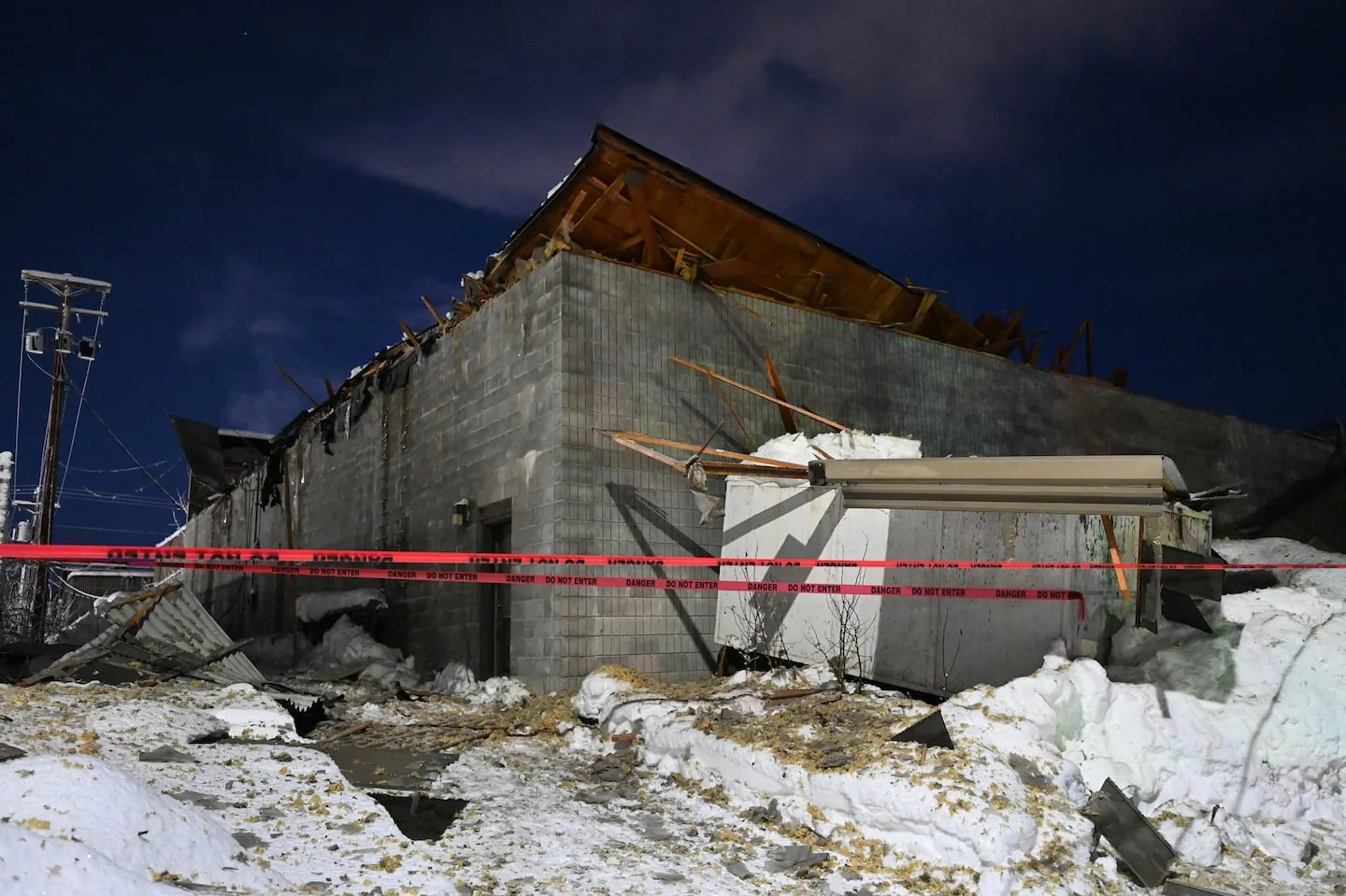
Bryan-College Station hail reached 1 to 2.75 inches during the significant April 8, 2021 storm; exposed seams, edges and curbs deserve direct inspection before interior or trade work resumes. We start with the reported zone, inspect seams, edges, curbs, and drains, and separate visible impact from conditions that need testing. The work plan then defines a safe roof area, temporary protection, and the next handoff for the general contractor.
Inspection findings: separate the mark from the breach
Hail can mark a membrane or flashing without establishing whether the roof assembly has lost its watertight function. We document the surface, seams, penetrations, metal edge, and drainage route, then compare those observations with interior reports and prior repairs. A hail review can identify visible impact and repair needs; a moisture survey may guide further checks when the roof construction and conditions are suitable.
A drill, office, storage or support area below the roof changes the protection and access sequence. The project team identifies occupied spaces, equipment below and the roof zone available for inspection. A roof inspection maps the released route and identifies any zone needing a return walk with the facility contact.
A drill schedule can change which roof zones are available during a work window. The project contact should identify occupied periods, vehicle movement, stored equipment, and any zone that cannot be released. We map the accessible route and ask who can approve a return visit if the first inspection cannot reach a transition. Mark each blocked section on the roof plan and schedule a return when access is available.
The first report should give the owner enough detail to decide whether a localized repair, a moisture check, or a broader review is warranted. We mark the roof plan with the inspected path, note the weather exposure and work date, and link each image to a detail. If a surface mark is not a confirmed opening, we say so and identify the method needed to resolve it. That keeps an urgent decision tied to the condition instead of a broad assumption.
Repair boundary: set it from the assembly
A puncture, seam separation, loose edge, or failed flashing should be matched to the actual membrane or panel. We check the adjoining substrate and prior patch before pricing a local repair. If moisture testing or repeated failure points beyond the visible defect, we mark that uncertainty and propose a separate test or replacement review. The scope states what is included, what remains inaccessible, and what condition would change the work quantity.
The Bryan Armory property in central Bryan has six buildings and asphalt parking, and Texas Army National Guard soldiers have been assigned there, so a roof scope can span more than one building, each with its own assembly and access review. Before mobilization, we confirm the authorized entry, vehicle route, staging area, equipment limits and released work zone with the project contact. A localized repair may be appropriate when surrounding materials support it; a broader renewal scope needs a separate assembly review.

Trade sequence: name the owner of each opening
Armory work can involve roofers, mechanical trades, electricians, and other contractors working near the same openings. Identify who owns each curb, support, flashing, and temporary cover before materials are removed. We establish the tie-in point, order of work, and end-of-shift weather protection with the general contractor. Where equipment needs isolation or a shutdown, that step belongs in the sequence before the roof is opened.
Controlled facilities often require advance badging, escorts, delivery checks, and a defined work zone. The authorized contact confirms those procedures before the crew date is set. Those limits affect crew arrival, material staging, and inspection time. If the scheduled window closes before permanent flashing is complete, the plan needs an approved temporary detail and a return time rather than an exposed edge left for the next trade.
Plan the work so that the roof crew does not overlap a lift, antenna task, electrical repair, or mechanical reset without a clear boundary. The authorized site contact identifies any escort, badge, tool, or photography restriction. We confirm the drop zone and delivery order, then check whether the planned shift leaves enough time to install the permanent tie-in or an approved temporary cover. The next trade receives a clear roof condition at handoff.
A military installation roof scope can carry added access and review steps; confirm them with the project contact before setting the armory work sequence.
Materials: match the assembly
The repair material needs to be compatible with the existing roof and detail. We identify whether the surface is single-ply, built-up, modified bitumen, or metal, then check attachment, seam style, insulation, drainage, and prior coatings. A coating or overlay is not a default response to hail. Existing moisture, adhesion, drainage, curb height, and perimeter conditions determine whether that option can be evaluated.
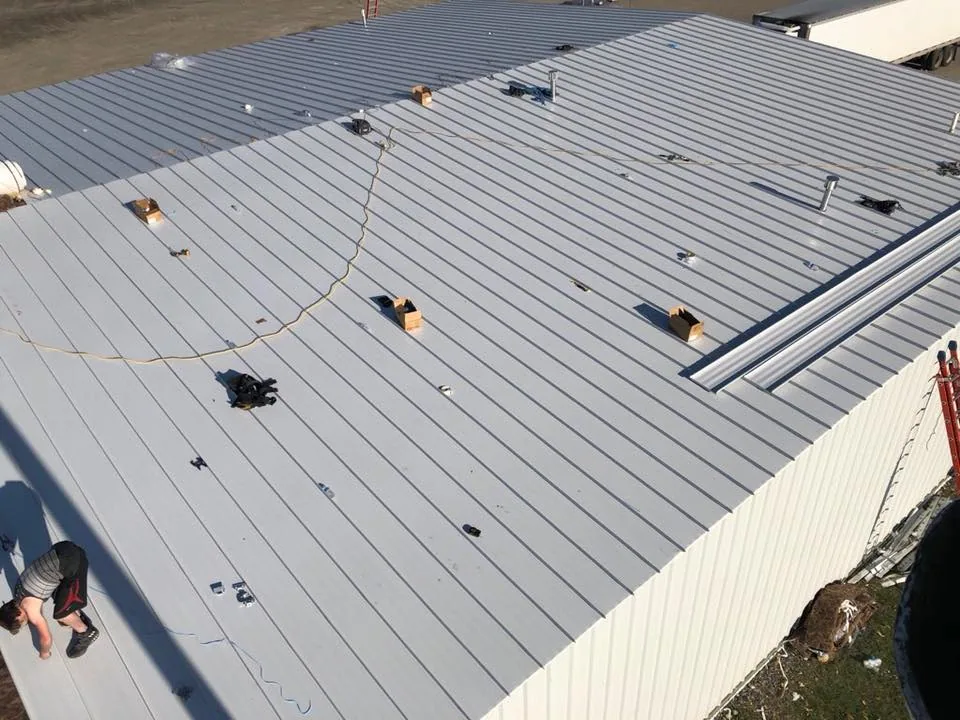
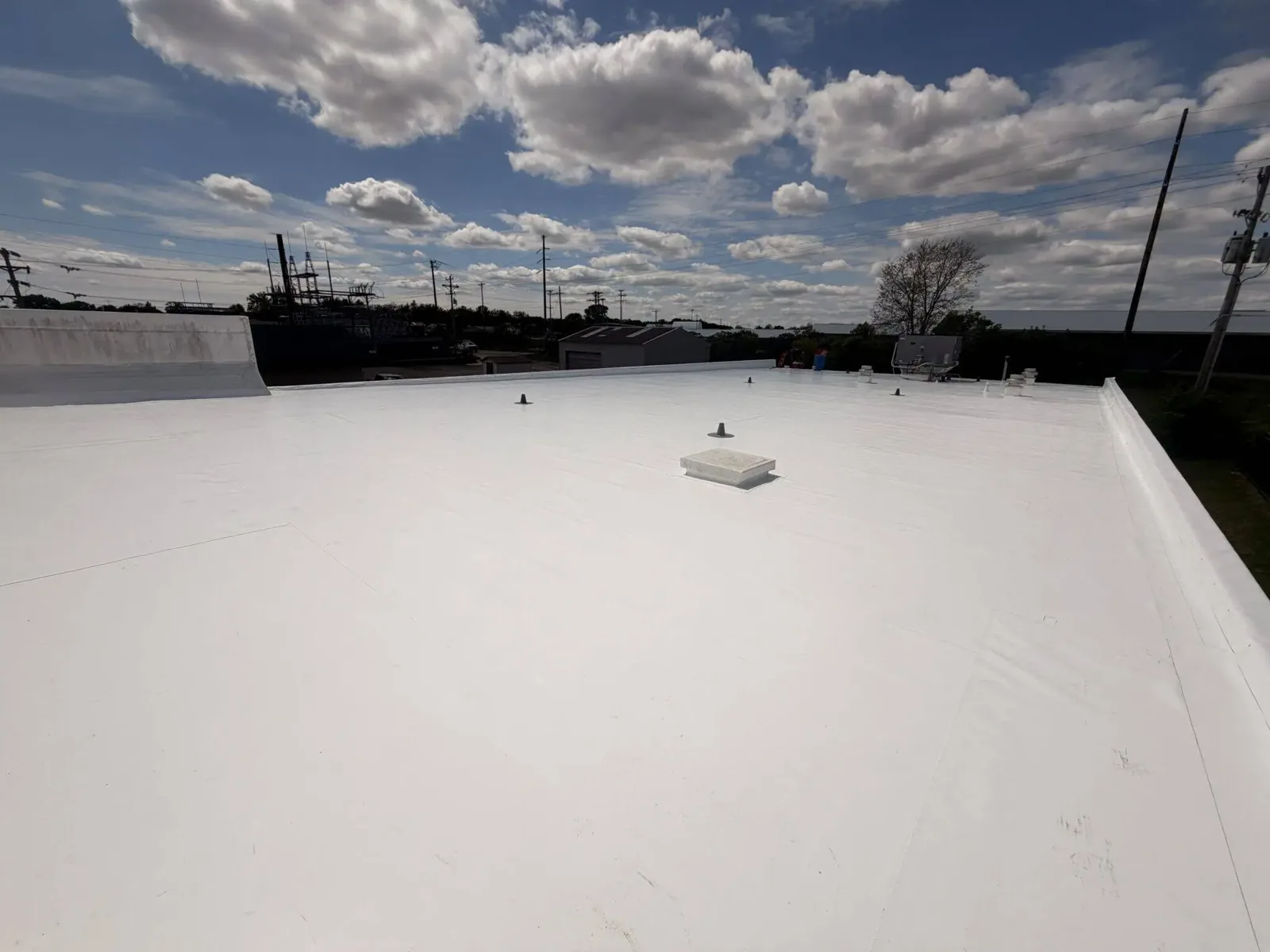
For a phased reroof, the selected assembly must connect cleanly to remaining sections at drains, walls, curbs, and expansion joints. We define those transitions before ordering material. A TPO roof detail or an exposed metal seam calls for a different repair approach. The submittal should record the product, attachment, flashings, and edge conditions so the next trade can work from the approved roof scope.
For an armory with vehicle or storage areas below, verify whether roof noise, debris, or falling fasteners could affect the interior use during the work window. The project team identifies the actual space and protection requirements. We can phase the repair so only the approved bay or roof section is open, then document the area before removing temporary protection. A medical-center roofing scope carries different occupancy controls, but each property needs this same site-specific review.
Permit and closeout: confirm the authority
Before a roof-finish replacement, the project team identifies the governing authority, required design documents, inspection path, and person who accepts the completed work. Military or federal ownership may add review steps, and the crew schedule should include them before material is delivered. The field report records roof observations, while design decisions and approvals remain with the responsible project reviewers.
The closeout package should show the released zones, completed repairs, photographs, material information, permit record, inspection result, and remaining maintenance item. Identify who accepts the roof and who will receive any follow-up report. If the next task is not installation, a maintenance visit can check drainage, seams, and previously repaired details. Share the affected roof zone, the access constraint, and the date the facility can release the work area. We can then agree on a defined inspection or repair task with the authorized project contact.
For a project in Bryan, identify the authorized contact who releases the roof zone and receives the closeout. Keep the decision with the project record so the next trade does not rely on an incomplete handoff.
Frequently Asked Questions
Does hail automatically mean the roof needs replacement?
No. We inspect the affected details, assembly, and any related interior report. A localized repair may be enough when surrounding materials remain sound. If the inspection or testing points to broader moisture, we document the boundary and compare a larger scope.
What access information should be ready?
Confirm who can approve entry, whether an escort or badge is required, delivery rules, restricted areas, and the work window. We use that information to set the inspection route and the end-of-shift protection point. Access approval remains with the facility team.
How do multiple trades avoid leaving an open roof?
Name the trade responsible for each curb, support, opening, and tie-in. Agree on the sequence, temporary cover, and final inspection point before removal begins. The daily handoff records the area completed and any item that remains open.
When does an armory roof need a permit?
Within Bryan city limits, replacing roof finishes requires a roofing-contractor-obtained building permit and final inspection. The project team should confirm the governing jurisdiction and any additional structural or federal requirements before setting the work sequence.
Set the roofing work window
Provide the armory work area, badging or escort instructions and desired work window. We will check the armory assembly, record repair limits and coordinate access with the site contact.