Wind Damage Roof Repair for Commercial Buildings in Bryan, TX
Wind can change a commercial roof schedule when a loose edge, displaced panel or ceiling mark interrupts another trade. First separate an opening that needs protection from areas requiring inspection. In 2019, an EF-2 tornado damaged a house along with four commercial buildings or warehouses in Brazos County. Its touchdown was roughly four miles eastward of Bryan. A wind-repair visit identifies the current opening, any unstable metal and the sound connection available for temporary protection. That event gives a date for reviewing repair history; the property’s roof, interior observations and maintenance records define the scope.
We start with the building address, roof assembly, reported time of the event and any active water entry. A commercial roof inspection records the condition by roof section, with photographs and notes that a general contractor can use when planning the next trade. If water is entering now, emergency roof protection can address the exposed area while the permanent repair boundary is documented.
Event record: build a usable one
Record when the roof was last observed in normal condition, when the concern was reported and when interior symptoms began. Keep dated photographs, work orders, maintenance logs and tenant reports together. Note affected rooms, rain timing and temporary coverings. A timeline can distinguish a new condition from an older repair or recurring drainage issue before assigning cause.
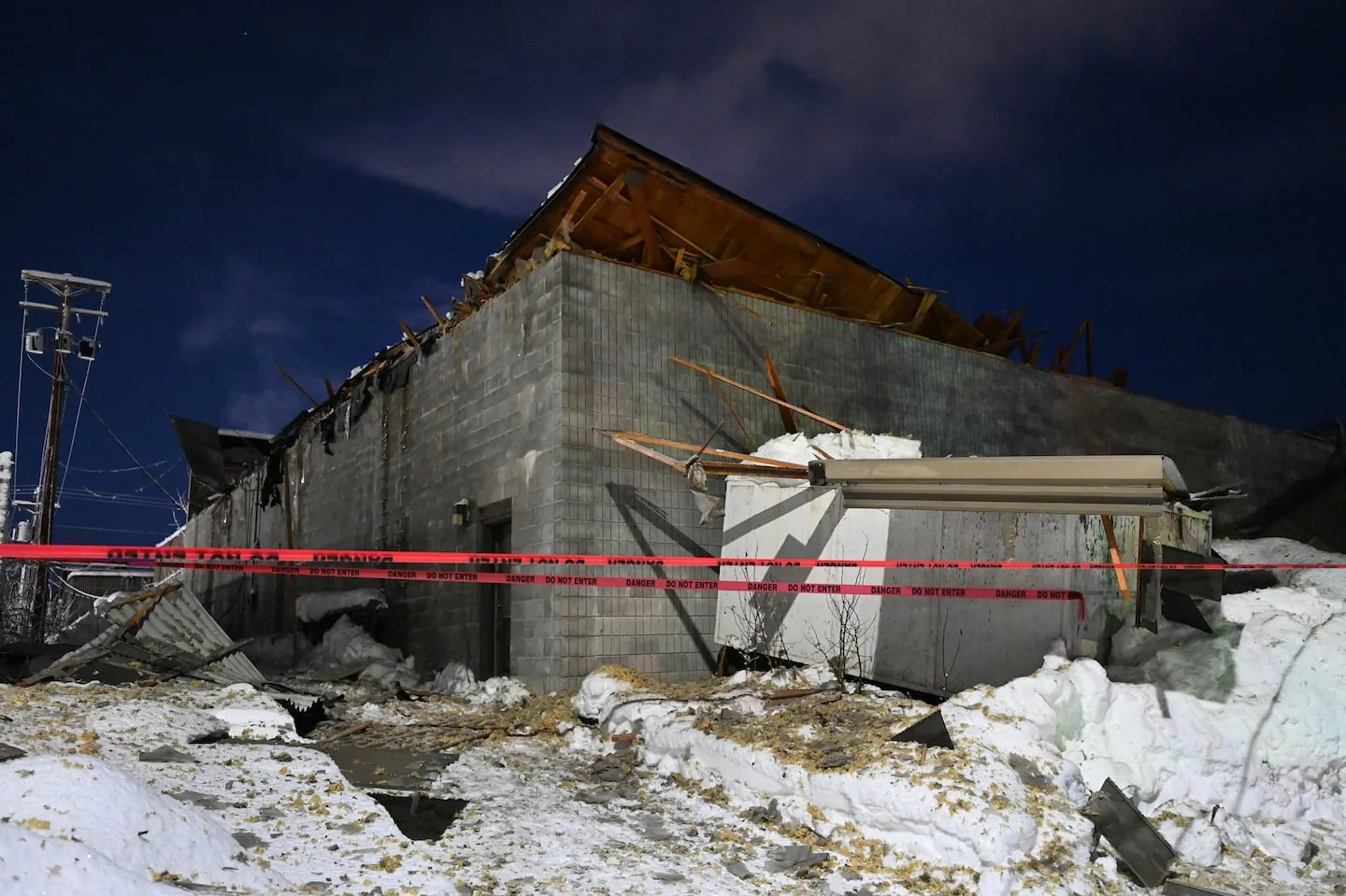
Keep the weather notice separate from roof findings. The 2019 tornado touchdown was roughly four miles to Bryan’s east, within Brazos County; the EF-2 event damaged four commercial buildings or warehouses plus a house. Use the date to locate maintenance records, not to assign damage to a specific seam or membrane. Where impact marks are also reported, record hail-related roof observations separately; wind and impact conditions call for different checks. A broader tornado-related roof repair review can document other event-related conditions.
Mark exposed areas and identify who can authorize temporary work. Protect an active opening, then record the material and location used. Keep stabilization separate from permanent repairs that require dry conditions, compatible materials or added access.
Water path: trace it before choosing a repair
Wind-related conditions can occur at perimeter details, metal transitions, seams, penetrations and equipment supports. Water may enter at one point and appear several bays away. We map sections, photograph laps and terminations, and compare them with interior reports. The record states what was accessible, what remained concealed and whether a separate test is needed.
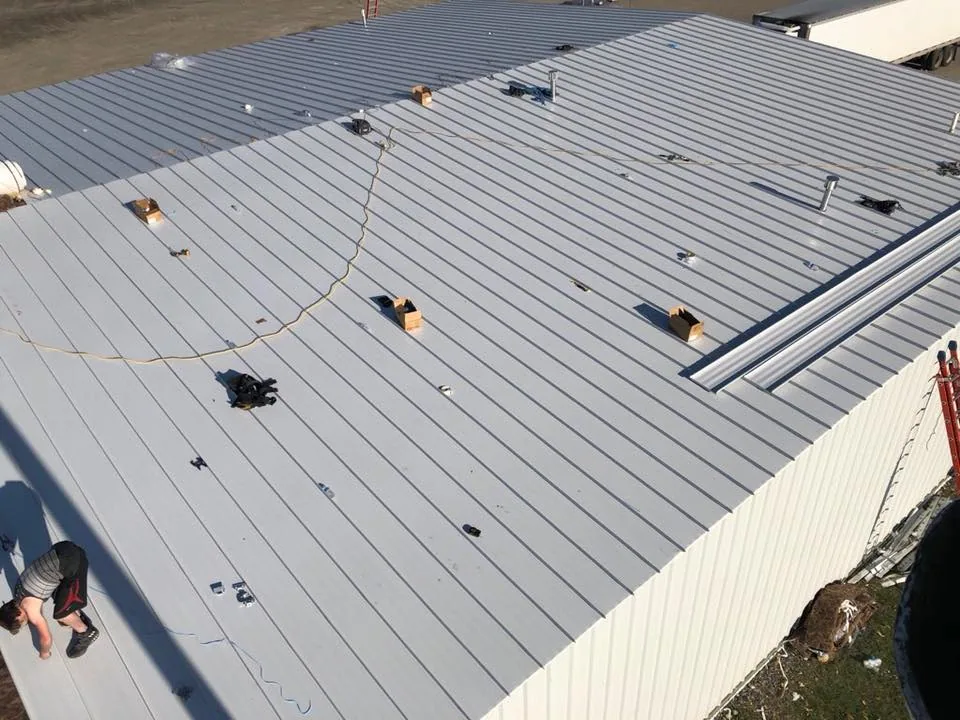
On membrane, inspect open seams, split flashing, punctures and separated patches. On metal, check panel engagement, fasteners, closures, ridge and eave details, and wall or curb transitions. Record each condition separately. A commercial roof repair scope should connect each task to a photographed condition and define its boundary.
At the perimeter, follow the load path from deck to edge metal, cleat and attachment points rather than treating a bent trim piece as the whole repair. On a membrane assembly, check whether securement, termination bar and flashing remain engaged at corners and transitions. On metal, note panel movement, fastener pull-through and displaced closures separately. Match the repair detail to the roof system and its published installation requirements. If a component is wet or inaccessible, record that limit and hold the area outside confirmed quantities until it can be inspected. This makes the repair boundary legible to the estimator and the trade that closes the opening.
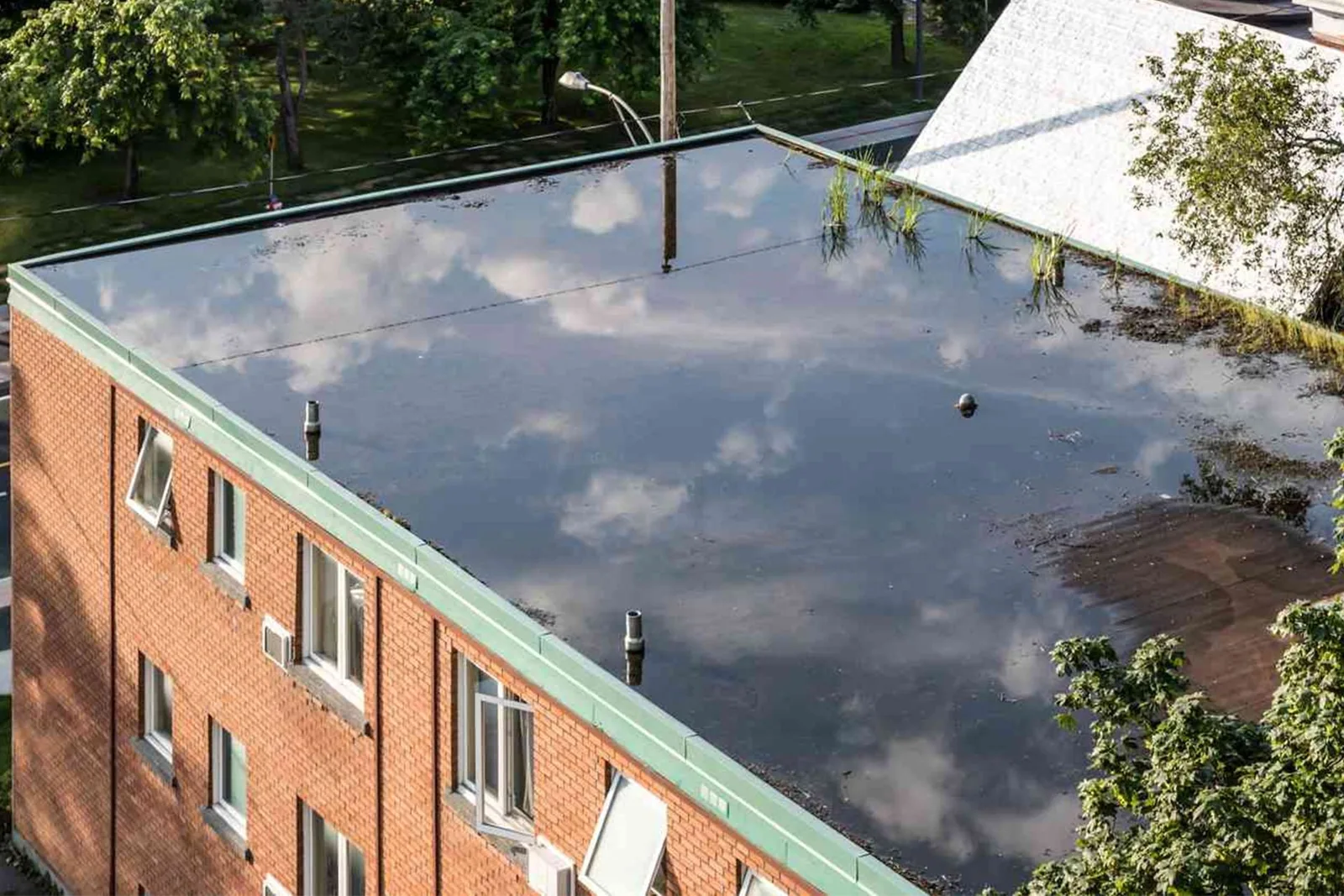
Follow water paths across the assembly and check drains, scuppers and low points. A blocked outlet can prolong wet conditions; a curb opening may need its own flashing repair. Label transitions where systems or prior repairs meet so the next trade can use the same roof plan.
Repair boundary: set one that can be priced
Separate confirmed conditions from unanswered questions before proposing immediate protection, targeted repair or a larger option. Each alternative should name the area, preparation, materials, tie-ins, access and closeout checks. If wet insulation or deck damage may be concealed, state how it will be checked and who can authorize a scope change.
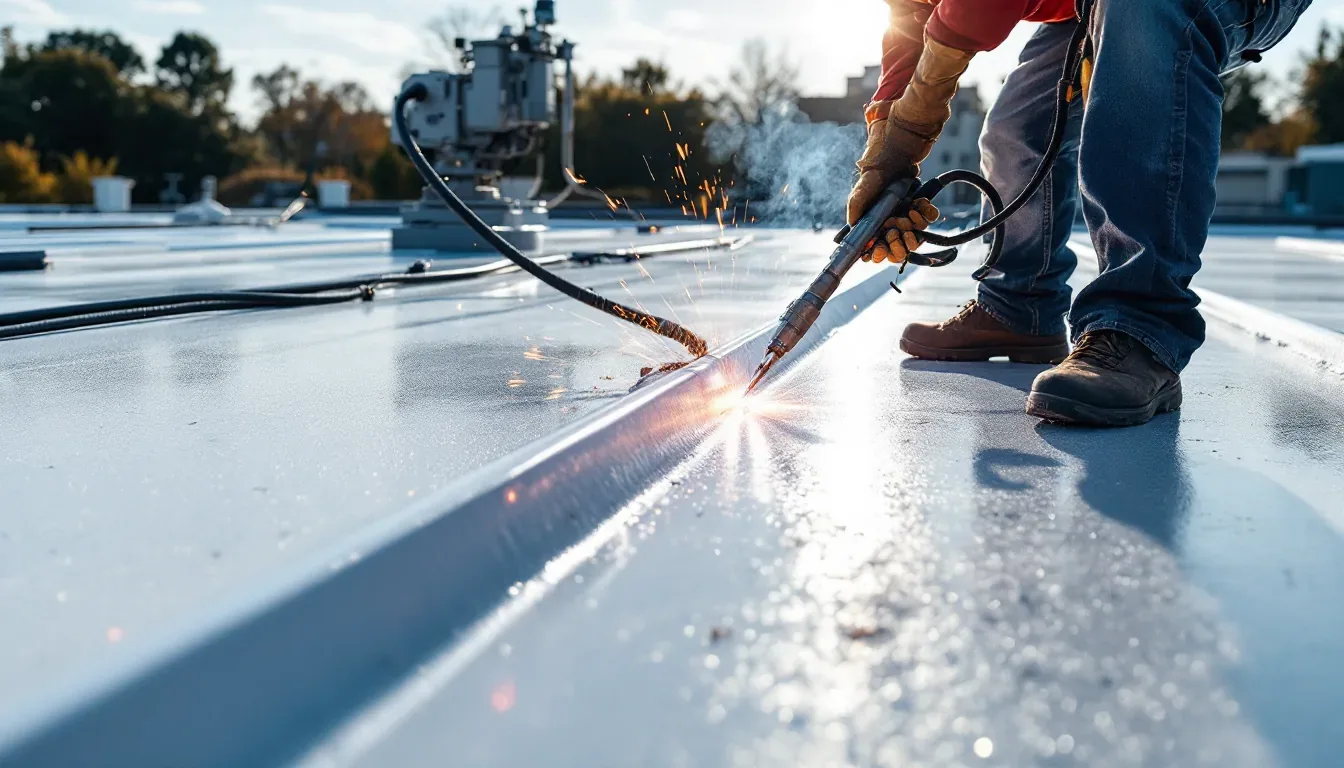
A localized seam or flashing repair may fit when adjoining material is serviceable and the water path is understood. Widespread loose components or recurring entry can change the scope. A replacement scope should explain removal or recovery, insulation, drainage, perimeter details and dry-in sequence. Restoration requires a sound substrate and compatible details; it does not close an unresolved opening.
Compare options by roof section rather than blending unlike conditions into one allowance. Record exclusions, further investigation and schedule or price drivers. If a claim review is underway, claim documentation support can organize photographs and scope records without deciding coverage.
Work window: protect it and the next trade
Agree on a work window before delivery. Confirm roof access, lift placement, delivery paths, occupied areas, shutdowns and closure authority. Mark debris handling so the crew does not block a loading route. Roof work may fall in either Brazos County Industrial Park or Bryan Business Park; confirm the specific building, access route and staging point before mobilizing. At the affected building, the wind-repair crew needs an approved approach and a staging position clear of any ongoing vehicle or equipment movement.
Near rooftop equipment, identify the mechanical contractor’s boundary and tie-in order. A modified curb, live conduit or unfinished duct connection affects when the roof can close. Photograph before opening, protect exposed insulation and record the dry-in at shift end. Mark completed sections and temporary protection for the next trade.
Below the roof, give facilities staff the daily work location, access route and relevant noise or odor notice. Divide work around areas that must remain open, and set a handoff point the general contractor can verify.
Closeout: carry the repair through inspection and records
For finish replacement inside Bryan, TX, the city calls for a building permit pulled by the roofing contractor and a final inspection. Bryan offers online permit applications, inspection scheduling and inspection results. Confirm the path before mobilization and assign who will request inspections and retain approvals.
At closeout, record repaired locations, materials, preparation, tie-ins and conditions outside the scope. Keep before-and-after photographs and protection notes. A preventive maintenance visit can set a baseline; compare later observations against the same labeled roof sections.
Restaurants, galleries and shops occupy Downtown Bryan, while revitalization corridors include South College and Texas Avenue. For a roof walk in the Bryan service area, set the next task from the evidence: monitor a repair, investigate a concealed area or price separate work where conditions warrant it.
Send the address, roof type, event date, current interior symptoms and requested work window to arrange a roof walk. We can document the condition, identify the repair boundary and coordinate the next step with the general contractor.
Frequently Asked Questions
What should be protected first after wind exposes a commercial roof?
Protect the active opening and the interior below it, then record where temporary covering was placed and who authorized it. We separate stabilization from permanent repair so the final scope can account for materials, access and the observed roof condition.
Does a storm date establish that a particular roof was damaged?
No. The event date can help organize maintenance notes; inspection identifies displacement, open details and other visible conditions at the property. Roof photographs, interior reports, maintenance history and an inspection of the assembly are needed to describe the condition at a specific property.
How do you find a leak after wind-driven rain?
We compare the interior report with roof details that can admit water, including edges, seams, curbs, penetrations and drainage points. The report should distinguish observed conditions from areas that could not be inspected.
Can roof repair proceed while the building stays occupied?
Often the work can be divided by roof section, but access, noise, odors, openings and interior protection have to be coordinated for the actual building. We agree on the work window and handoff with the facilities contact before opening the assembly.
What records should a wind-damage repair include?
Keep the event timeline, dated photographs, inspection notes, defined repair area, materials, permit and inspection records where applicable, and closeout images together. Those records help facilities staff compare later observations with the completed scope.
Set the next roofing task
Share the Bryan property address, roof type, reported condition and preferred work window. We can arrange a walk, document the affected areas and coordinate a repair scope with your project team.