Home / Service Areas /
Commercial Roofing in Midtown College Station, TX
Midtown roof files can use April 8, 2021 as a local hail comparison date; Bryan-College Station reports reached 2.75 inches. Dated roof photos help a Midtown property team compare a new report with earlier repairs. In this broad mixed-use district, existing office and retail alongside housing make staging and closure points part of the roof sequence. A commercial roof inspection maps the affected section, access route, seams, edges, drainage and flashing before a repair boundary is set. For each visit, log roof-area photos, moisture indicators and access limits so the property contact can schedule follow-up with the right trade.
District pattern: plan for more than one use
Office, retail and housing within a mixed-use district can bring different access controls, tenant hours and delivery patterns. We confirm which building is under review, who can release the roof area and what activity below could be affected by noise or an opening. The inspection and work plan stay tied to the selected building, its roof assembly and the access route the contact approves. A property contact can also flag shared loading routes, entrances and any other contractor already working near the planned staging area.
The area plan includes future park and athletic-complex projects. Before staging, confirm current operations, shared delivery entrances and any active adjacent construction with the property contact. If a new phase changes the route between the street and roof, the property contact updates the crew before mobilization. Highway 6 provides a route into the district; confirm the final delivery path and roof sequence with the property contact. Nearby commercial properties have their own operating patterns; a College Station service-area inspection remains grounded in the building's actual conditions, not assumptions carried from another district.
Weather sequence: inspect before choosing a repair
After a hail report, compare dated roof records with a direct inspection of seams, flashing, edges, penetrations, curbs and drains before assigning repairs. We inspect the membrane field, perimeter, penetrations, curbs and drains, then photograph any condition that could change the repair boundary. If water appears inside, we compare the report location with the roof zone above it because a leak can travel before reaching a ceiling. We record the roof zones checked and the next test or repair needed.
When an opening is exposed, the immediate task is to protect the interior and establish a dry-in point for that shift. We document the area secured, the condition left open and the next inspection or repair needed. If a roof opening is exposed, the contact confirms interior protection and any restricted access before temporary closure materials are placed over the affected area. An emergency roof repair visit can be planned with the property contact around the affected zone and site operating hours.

Access coordination: keep occupants and work routes clear
A roof visit above retail or occupied office space needs an agreed access path and work window. We confirm notice requirements, interior protection and any delivery period that should remain clear. The general contractor can identify which trade controls adjacent work and when a roof detail must be ready for its tie-in. If equipment, conduit or signs cross the roof zone, the project lead confirms who may move or disconnect them before the roofing crew changes the associated flashing.
For a larger renewal, the daily sequence should show the area opened, materials ready for dry-in and the point where the crew can safely stop. We keep the exposed zone within the work that can be protected before leaving. An occupied-building reroofing plan helps coordinate notices, interior safeguards and trade handoffs. Confirm the delivery route, roof access and approved hours with the College Station property contact before mobilization.
Assembly review: identify the system at the detail
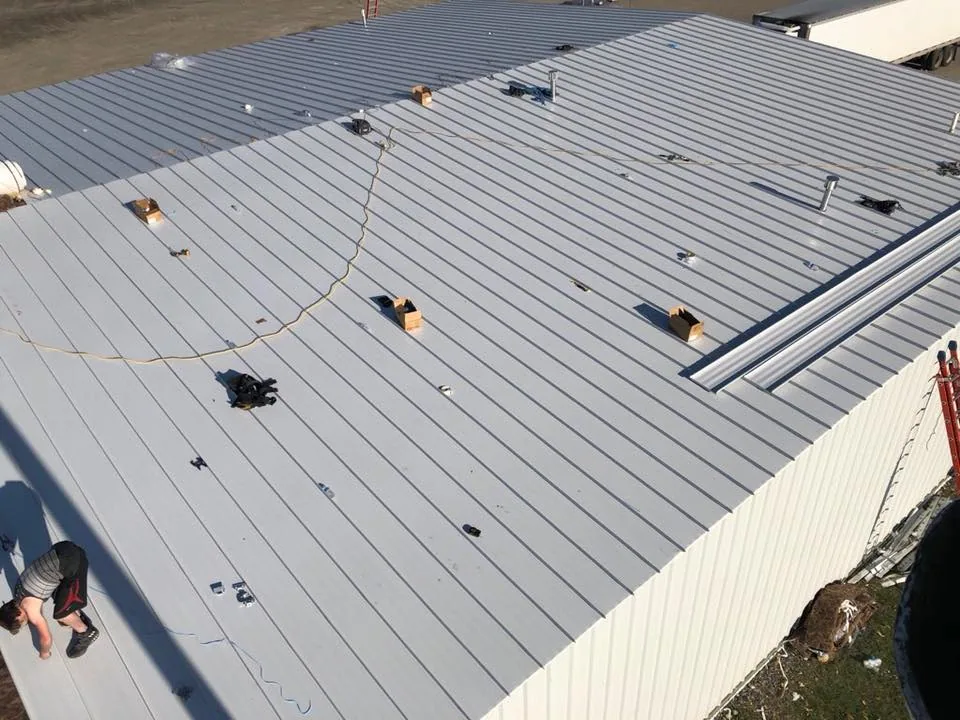
TPO, PVC, EPDM, built-up and metal roofs use different seams, attachments and flashing methods. We identify the system before selecting materials and inspect the transitions at walls, drains, curbs and penetrations. A local repair may be appropriate when the defect is isolated and the surrounding assembly is sound. Moisture or damaged substrate can change that decision, so the proposal should state what is confirmed and which concealed condition remains uncertain. When moisture extends beyond the reported area, we map it to the affected roof zone before revising the boundary. The scope separates confirmed work from any allowance that still depends on an opening.
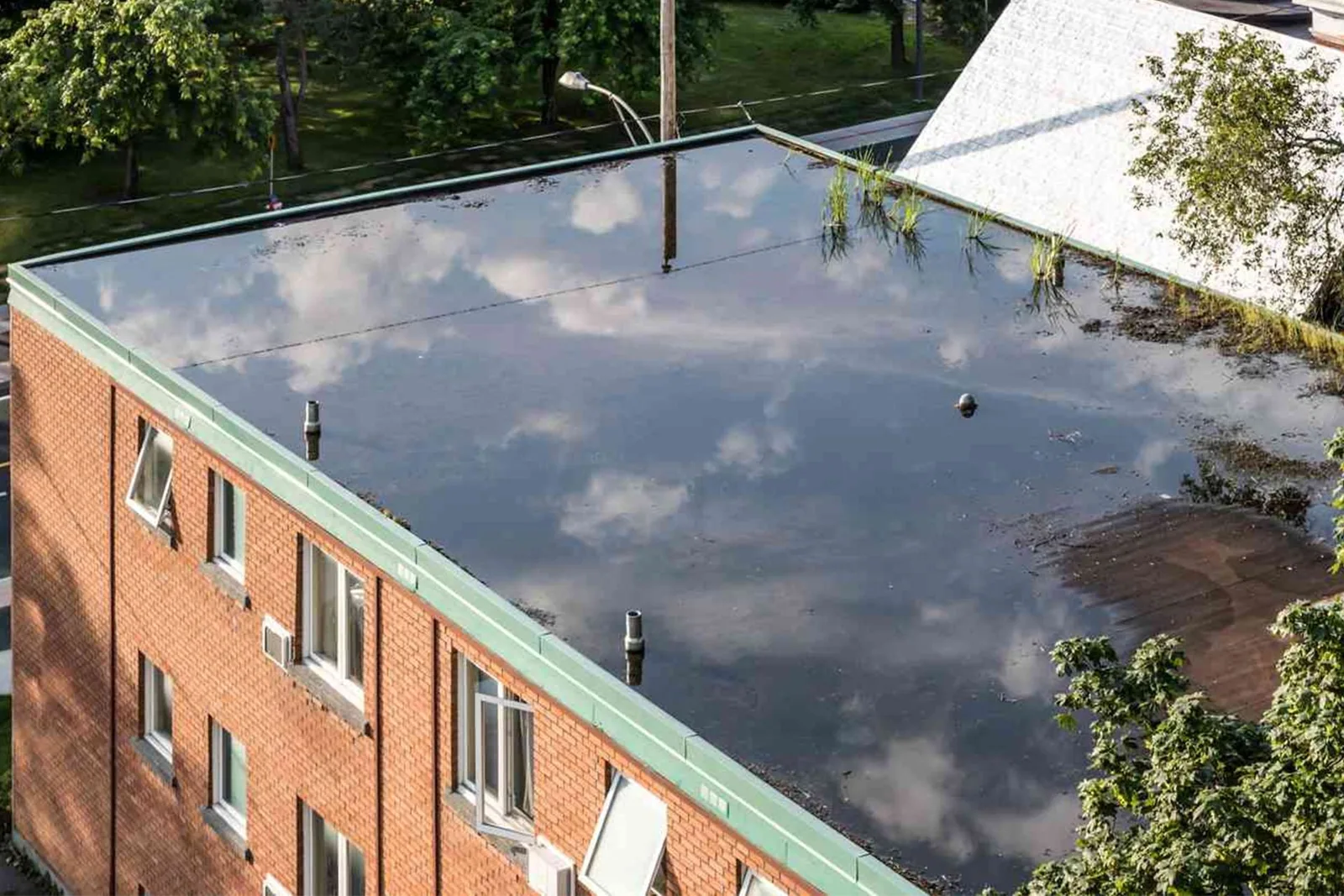
A recover or coating option depends on the existing surface, preparation and roof layers. The visible finish alone cannot establish whether the roof is suitable for another system. We record the assembly and repair boundary, then separate immediate protection from any larger renewal scope. A TPO membrane review is useful when TPO is identified on the building, while an outlet and scupper inspection can trace water that collects around drainage details.
Phase handoff: assign each roof detail to a trade
Mixed-use work can put roofing beside storefront, mechanical or tenant improvements. The scope should show where the roofing crew stops and which contractor closes the next wall, curb or penetration detail. We photograph the transition before work and after the roofing task, then identify any condition another trade must address before the area is considered complete. That makes a later callback easier to route to the right scope.
A schedule should name the contact who approves a closure, the hours when a delivery route can be restricted and the point when the roof must be dry. If another crew changes an equipment support or flashing, the handoff should record who confirms the final tie-in. Work near Midtown Bryan properties may have different operating constraints; those are coordinated separately from this district. A building in Bryan likewise follows the access plan for its own address.
Frequently Asked Questions
Does the April 2021 hail event set a Midtown roof's repair scope?
We compare the event date with the property's maintenance history, then inspect the roof assembly and interior reports to define the work needed.
What should the building contact confirm before a visit?
Provide the access contact, operating hours, affected roof zone, delivery limits and any nearby work that could change staging.
How can work proceed above a mixed-use property?
We agree on notice, access, interior protection and the daily dry-in point with the property team before opening the roof.
What information supports a repair-versus-renewal decision?
The installed system, affected area, moisture evidence and condition of the surrounding assembly show whether a repair boundary is sufficient.
Who handles a roof detail touched by mechanical work?
The project lead assigns the equipment task and roofing tie-in before work starts, then records who verifies the final closure.
Condition record: leave a useful next step
Closeout notes should identify the roof zone, repair completed, materials used, photographs and conditions that remain open. We can provide a written condition report and use a moisture survey when it answers a specific question. The record notes the dry-in status and any task assigned to the property team or another contractor, keeping confirmed work separate from an allowance for concealed layers.
Permit and inspection requirements are checked for the property and scope before scheduling. If an administrative hold affects the sequence, the plan names who confirms it and when roof work can proceed. For an owner comparing a targeted repair with a wider renewal, we state which finding would change the recommendation and what protection is needed in the meantime. A roof condition report keeps those observations available for a later maintenance walk. On a return visit, we compare photographs from the same zone and angle so changes in a seam, drain or flashing can be separated from differences in where the camera was positioned.
Arrange a Midtown College Station roof review
Send the affected facility, site contact, current roof report and preferred work window. We can coordinate a visit and define the next roofing task.