Home / Roof Systems /
Spray Polyurethane Foam Roofing in Bryan, TX
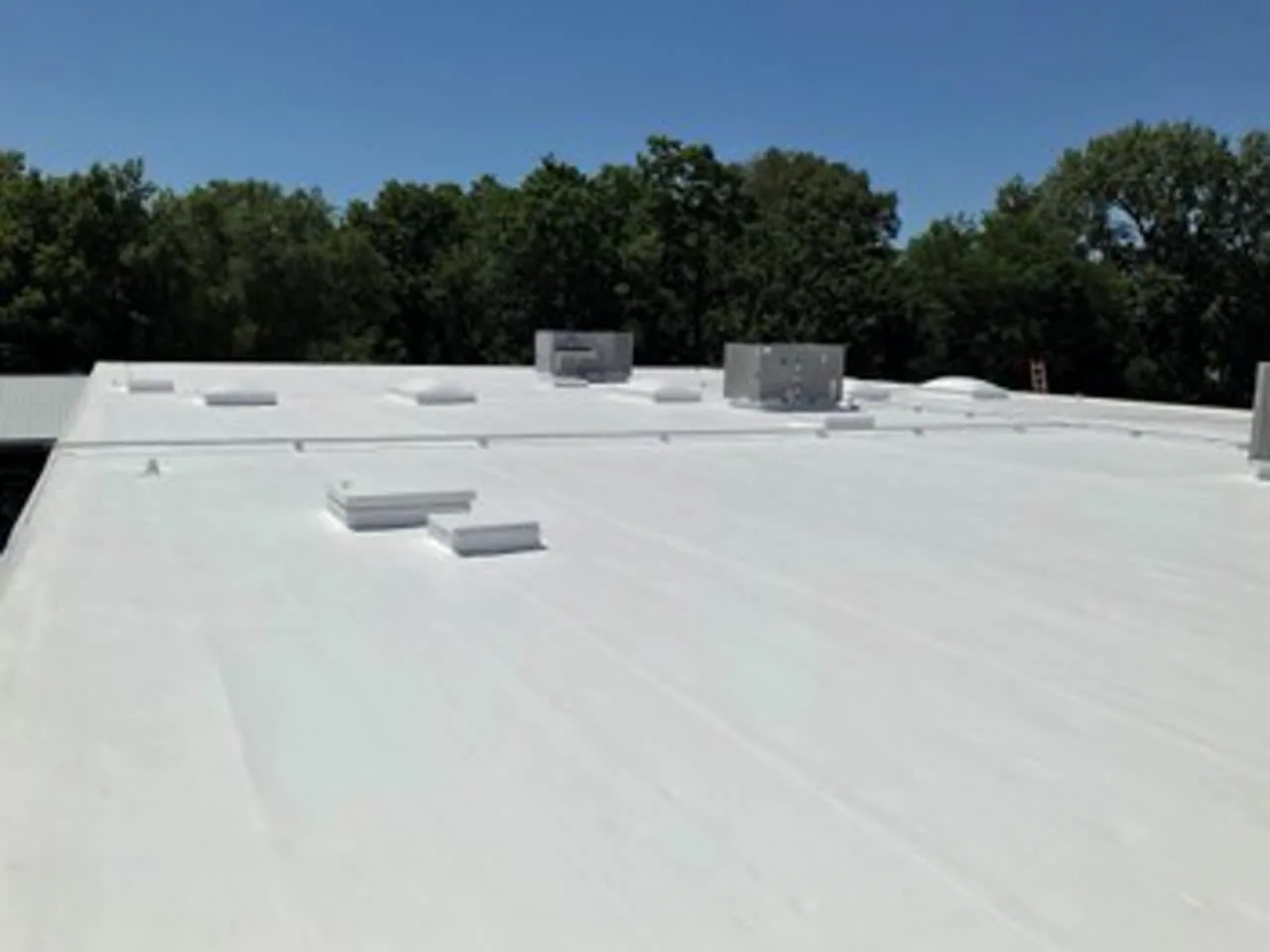
Sun exposure can wear the protective coating on a spray polyurethane foam roof while the foam below still appears continuous, so a walk needs to check both layers. In Bryan, we inspect the coating, foam, drains, penetrations and edge details before deciding whether the system needs maintenance, localized repair, recoating or broader replacement. SPF is sprayed onto a prepared substrate and protected with a coating; the condition of that protection is central to the roof's ongoing service.
Two August dates in 2023 reached 112 degrees in College Station, and Bryan-College Station's April 8, 2021 hail reports included a 2.75-inch upper size during the 9-to-9:30 p.m. peak. For SPF work, we check the coating, foam and drainage at the property before setting a repair or recoat boundary. During the SPF assessment, we map coating loss, exposed foam and impact marks, then check whether the affected areas connect to drains or reported interior leaks. A maintenance decision should follow the surface condition, prior repairs and access plan rather than the climate summary alone.
Foam and coating: Inspect each protective layer
SPF forms a lightweight roof layer when components are applied under controlled conditions to a suitable substrate. The foam provides the shaped surface, while a compatible protective coating shields it from ultraviolet exposure and weather. We look for coating wear, exposed foam, cracks, blisters, soft areas and repairs that no longer bond to the surrounding surface. A silicone coating and an acrylic coating have different product properties; the choice should follow the existing system, slope, ponding conditions and manufacturer requirements.
Before recoating, we assess whether the foam is dry, sound and firmly attached, and whether the old coating is compatible with the proposed material. A roof surface that is dirty, chalking or wet may need preparation or further investigation. We identify areas requiring removal or repair before new coating is applied. A commercial roof inspection can document visible conditions and provide a basis for defining the coating boundary and any selected opening needed to verify concealed moisture.
Drainage and shape: Keep the designed water path
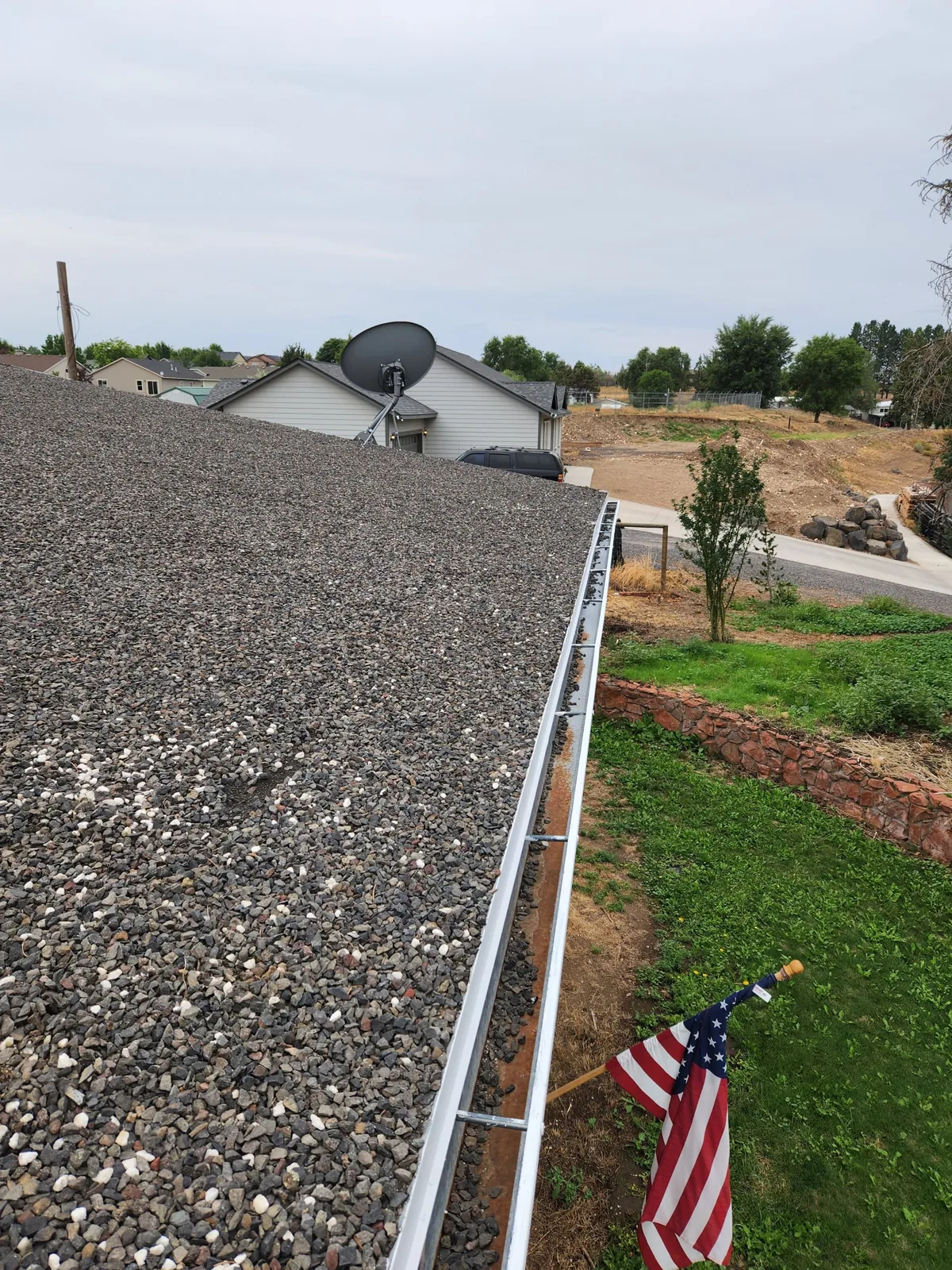
Sprayed foam can form slope, but drainage performance depends on the roof's actual contours and outlets. We inspect low points, drains, scuppers, gutters and transitions, looking for ponding, debris or coating defects that hold water. The corrective scope should distinguish a coating repair from changes to slope or a blocked outlet. A ponding-water assessment can map the water path and identify when drainage or structural input is needed beyond the roofing surface.
At a curb, pipe or skylight, the SPF must connect to flashing that sheds water and can be serviced. We check the coating termination around these transitions and coordinate any replacement or equipment work with the other trades. A curb and support detail can identify dimensions and handoff points before mechanical equipment is set. The next crew should know whether the foam and coating have been completed around each support before a unit blocks the working area.
Repair scope: Match work to the affected area
A small coating break can expose foam to sunlight and water, while a puncture or soft area may involve more than the coating. We document the affected surface, inspect adjacent foam and seams, and determine whether repair needs to extend to a sound boundary. Recoating without correcting a wet or detached substrate can leave a concealed problem. If the surface has broad wear, a roof restoration scope can compare preparation and coating needs with replacement alternatives.
Hail marks should be examined alongside coating loss, foam damage and leak reports. After hail, we inspect the property's coating, foam, penetrations and drainage, then record the observed impact and any area needing closer examination. A storm-damage inspection can document the roof condition after an event and distinguish visible findings from areas where testing or openings may be required.
Application sequence: Prepare and protect the work area
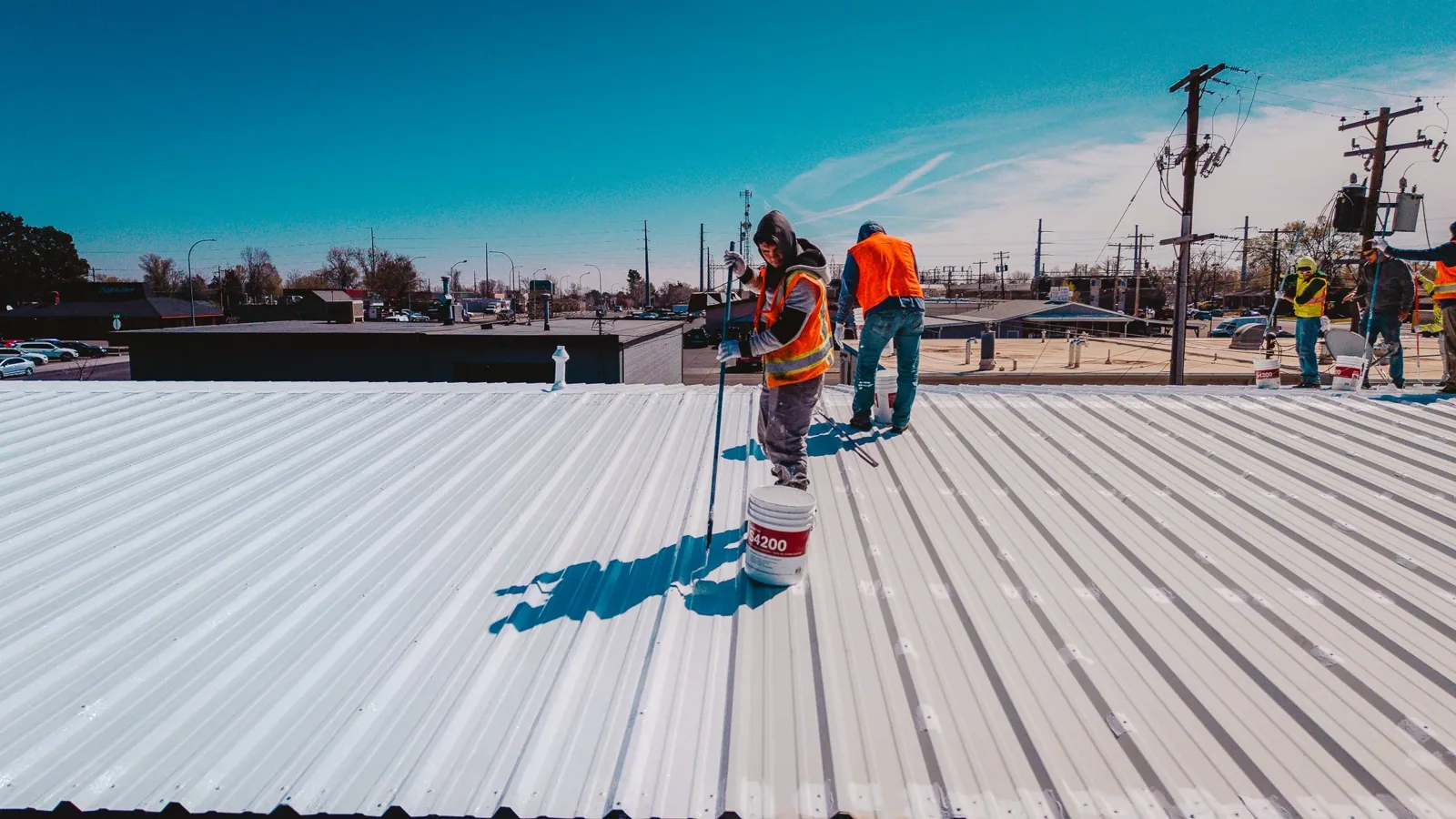
Coating work requires a prepared, dry surface and weather conditions that meet the selected product's instructions. We plan cleaning, repairs, masking and application so material reaches the intended roof areas and does not cover drains, labels or equipment components that must remain accessible. Wind, moisture and temperature inform when the crew can proceed. The work plan sets a safe daily boundary, allowing the treated surface to cure or dry as specified before it receives foot traffic or follow-on work.
SPF installation involves equipment, controlled application and protection of nearby surfaces. We coordinate deliveries, ventilation considerations, staging and access with the general contractor before spraying begins. Before mechanical trades return to the roof, we leave time to inspect treated areas and record the application boundary and any new penetrations.
Maintenance: Track coating condition over time
SPF roofing needs periodic attention to the coating and the foam below it. We note exposed or worn areas, cracks, punctures, loose repairs, debris and drain conditions, then record what changed since the last visit. A maintenance visit can identify coating renewal needs and separate a local repair from a broader evaluation. Photographs tied to roof zones make it easier to review whether a repair has held and which equipment areas need access next time. Repeated service paths deserve special attention because carts, tools and removed equipment can abrade the coating or expose foam at a curb. We note those routes during maintenance and coordinate later work so service access does not leave a new break in the protective layer.
After a repair or recoat, records should identify the material used, preparation performed, treated area and any conditions left for observation. A roof condition report can hold the findings for the facilities team. If water enters through an SPF breach, the investigation follows the damaged coating into the foam and identifies a sound repair boundary before exposed material is covered again. The immediate action should protect the building and preserve access to the roof details that still need a lasting repair.
For a Bryan project, share the roof age if known, past coating work, leak areas, operating requirements and any planned equipment changes. We can walk the surface, inspect transitions and drains, and explain what the current coating can support. The next roofing task may be a repair, a recoating plan or a larger replacement evaluation. Each option should be tied to foam condition, product compatibility and water management, with a clear work window for the building team.
Frequently Asked Questions
How can I tell whether an SPF roof needs recoating?
We inspect the coating for wear, exposed foam, cracks, blisters and prior repairs, then check the foam and drainage below those areas. The selected product instructions and existing system inform the next scope.
Can a coating be applied over wet foam?
The substrate must meet the selected system requirements. We investigate suspected moisture and repair or remove unsuitable material before recoating; a surface layer should not conceal a condition that still needs correction.
Will spray foam correct ponding water?
SPF can be shaped as part of a designed assembly, but existing low areas need assessment. We inspect slope and drainage and identify whether the work is a coating repair, foam correction or a separate design issue.
How do summer conditions affect an SPF maintenance plan?
Easterwood Field in College Station reached 112 degrees twice in August 2023. At the work area, we follow the selected product's surface and temperature limits before coating.
What should be inspected after hail on an SPF roof?
We check coating impact, exposed or damaged foam, penetrations, drainage and reported interior leaks, then document findings by roof area. The inspection establishes the building's condition rather than assuming damage from a regional event.
Review the SPF roof surface
Share the coating history, building use, leak areas, planned equipment work and any areas where moisture or impact is suspected, along with the foam and coating condition you can see. We can walk the surface and define the repair or recoat boundary.