Home / Roof Systems /
Silicone Roof Coatings for Commercial Buildings in Bryan, TX
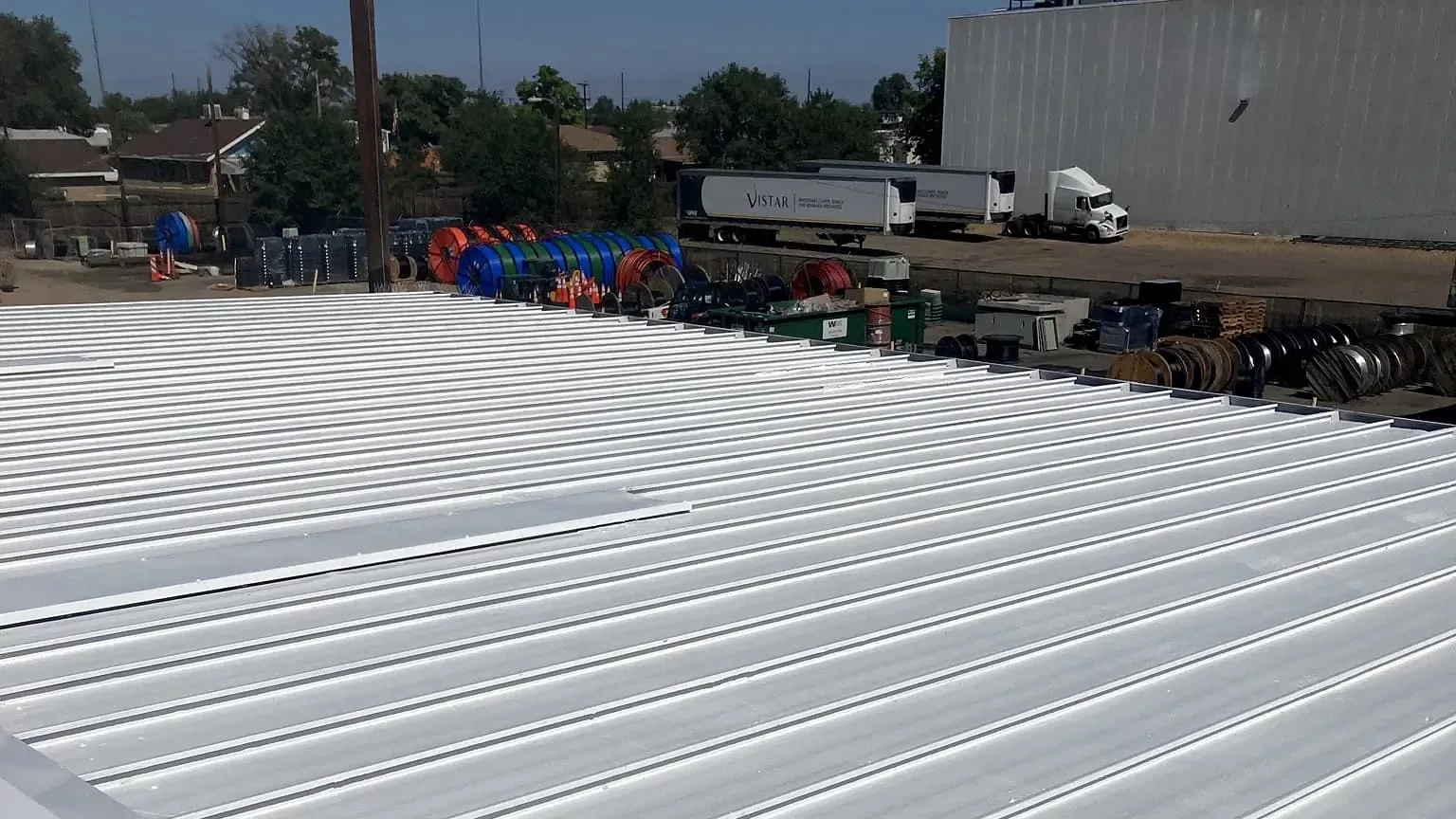
Water that remains near a drain after a storm changes the first question about a coating: is the existing roof sound enough to receive one? In Bryan, we inspect the substrate, seams, flashing, ponding areas and previous repairs before considering silicone restoration. A coating is a roof-system layer with its own preparation and compatibility requirements. It can be considered for a suitable existing roof, but it does not correct wet insulation, failed attachment, poor drainage or a damaged deck by itself.
Bryan's significant 2021 hail makes impact inspection relevant, but coating suitability depends on the roof under review. In northeast Bryan, Texas Triangle Park pairs an industrial setting with rail service; confirm the property route and delivery point before work is scheduled. At Bryan Business Park, we confirm the route to the work area and keep rooftop service access in the schedule before setting an application.
Substrate review: Confirm the roof can receive coating
Silicone coatings need a compatible, properly prepared surface. We inspect the existing membrane or roof finish for adhesion, moisture concerns, loose material, contamination, splits, blisters and repairs that may not bond to the proposed system. A test area can help evaluate adhesion where product guidance calls for it. We also review the product's requirements for primer, reinforcement and surface preparation. A different coating chemistry or a spray foam assembly may require another evaluation and preparation approach.
Coating over an unresolved leak can hide the entry point without resolving the path into the assembly. We trace reported water entry, inspect penetrations and drains, and determine whether selected openings or moisture testing should happen before application. A commercial roof inspection documents visible conditions and defines the limits of what can be confirmed from the roof surface. The coating scope should say which repairs and preparation are included, and which concealed conditions are outside the visible assessment. We also check whether another trade will cross the treated area or install new equipment after application. That timing matters because fresh coating can be damaged by service carts, tools or dropped hardware before the finish is ready for traffic. The work plan should keep a safe route to drains, roof hatches and mechanical equipment without sending other trades over an unfinished surface.
Water management: Check where runoff stays
Silicone is often considered for roofs where water may remain after rain, but product suitability depends on the system instructions, substrate and drainage conditions. We map drains, scuppers, low areas and overflow routes, then check whether standing water is related to blocked outlets, surface geometry or a deeper deck issue. A ponding-water investigation separates coating work from drainage or structural correction. The project should not treat a coating film as a substitute for correcting a water path that remains unsuitable. We map the low area and outlet first, then separate the coating work from any adjustment to drain hardware or roof geometry so each trade has a defined scope.
At a drain bowl, curb, wall or metal edge, the coating must terminate in a way the system allows and remain inspectable. We coordinate transitions with adjacent roofing materials and check whether reinforcement or flashing work is needed before the surface is coated. A drain and scupper repair may be included where the outlet detail needs work. Rooftop equipment and foot traffic can also create a recurring service path, so access planning matters after application.
Repair boundary: Correct defects before recoating
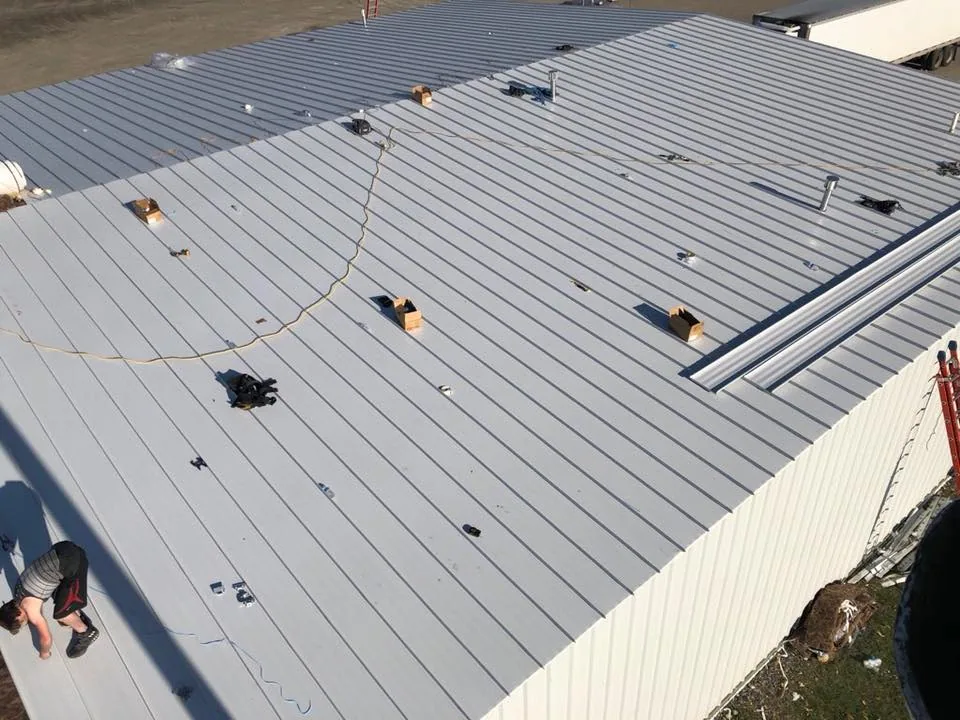
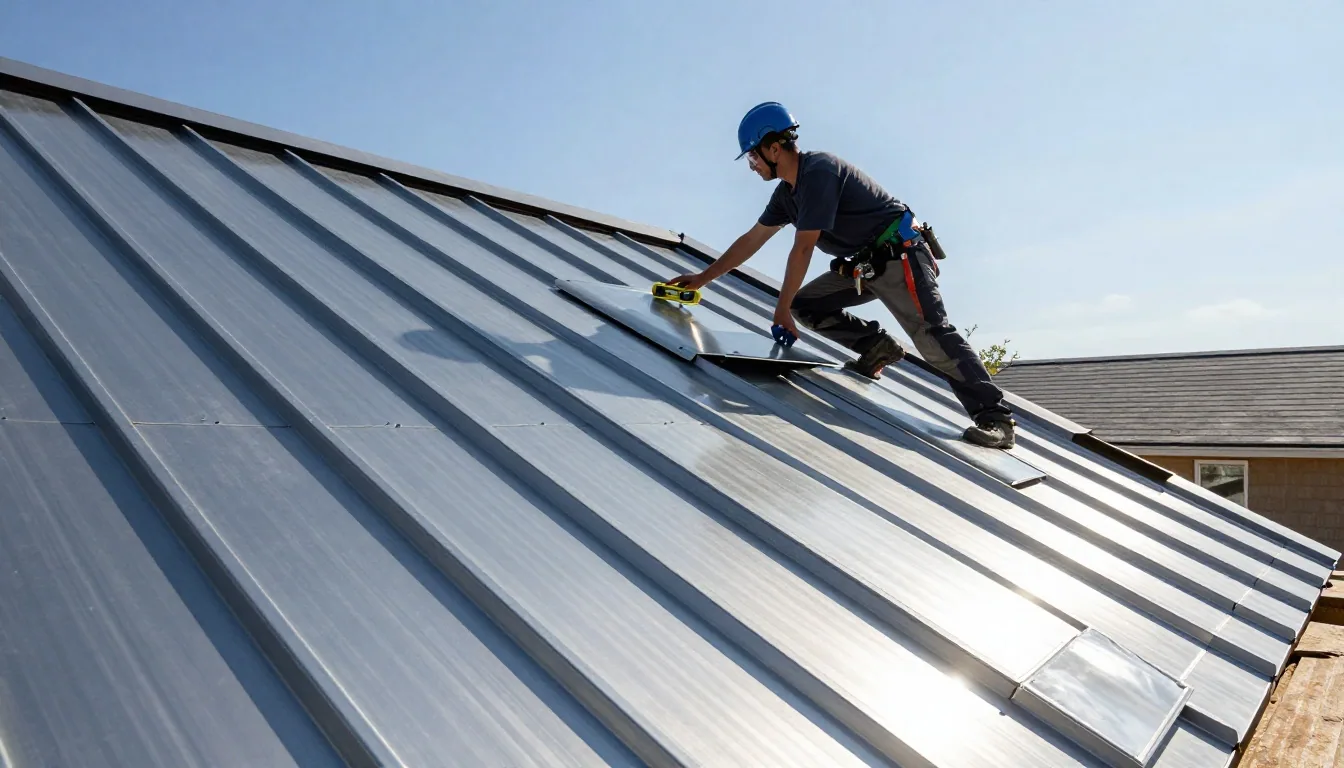
Splits, loose seams, punctures and open flashing need repair before coating covers their location. We inspect each affected area and determine whether the defect is local or part of a larger assembly issue. A flashing repair can rebuild the junction where a coating alone would bridge a moving or open connection. If roof sections have different materials, we confirm their compatibility with the proposed coating and identify transitions that require separate detailing.
Hail impact or wind displacement may have damaged a roof component beneath an intact-looking coating. We document visible marks and compare them with the reported event, leak history and surrounding details. After the significant April 2021 hail in the Bryan-College Station area, impact marks need examination at the coating and the underlying membrane before recoating. A storm damage review records the roof's condition and identifies whether repair, testing or replacement needs further consideration before restoration proceeds.
Application sequence: Prepare for the work window
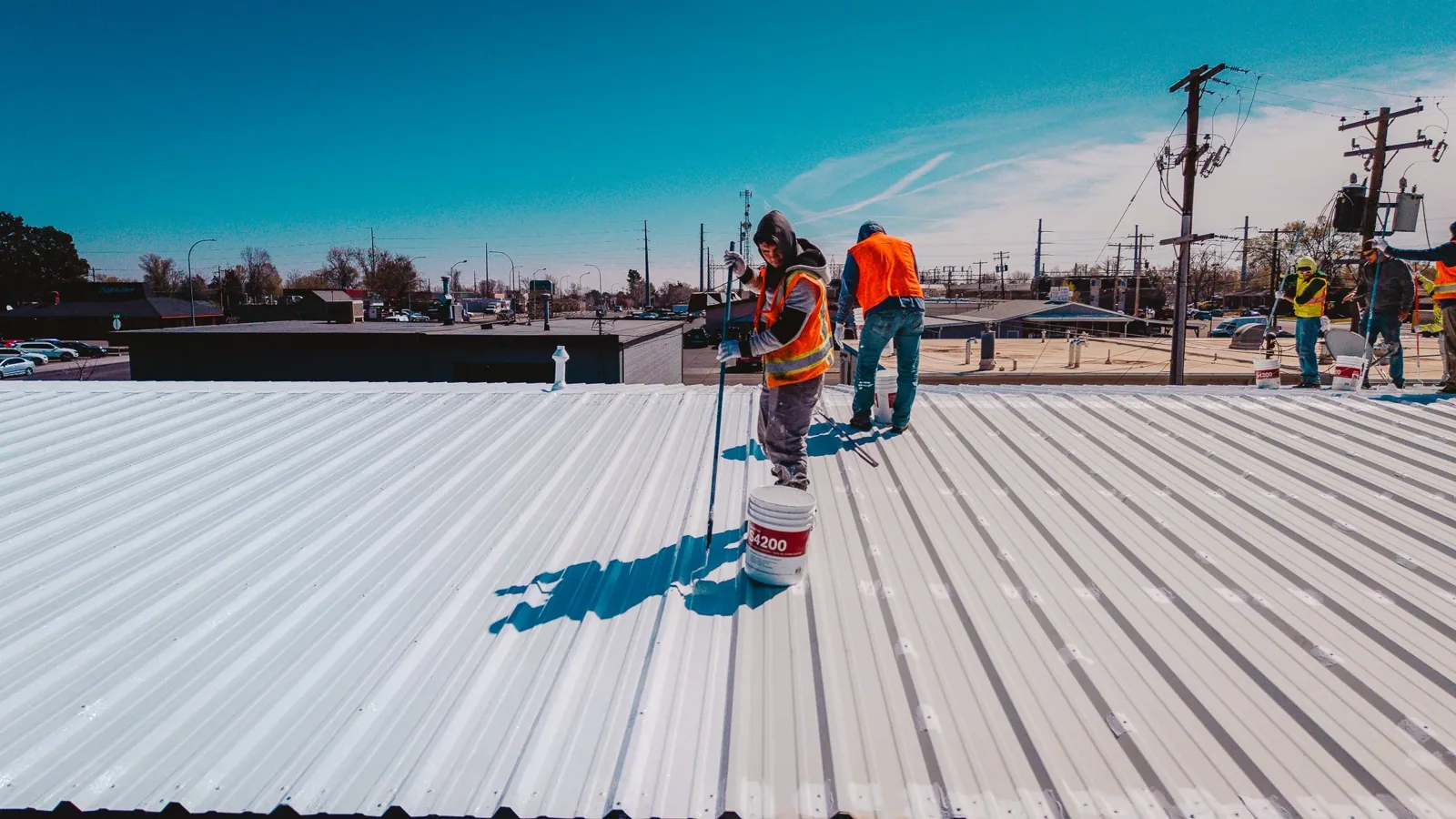
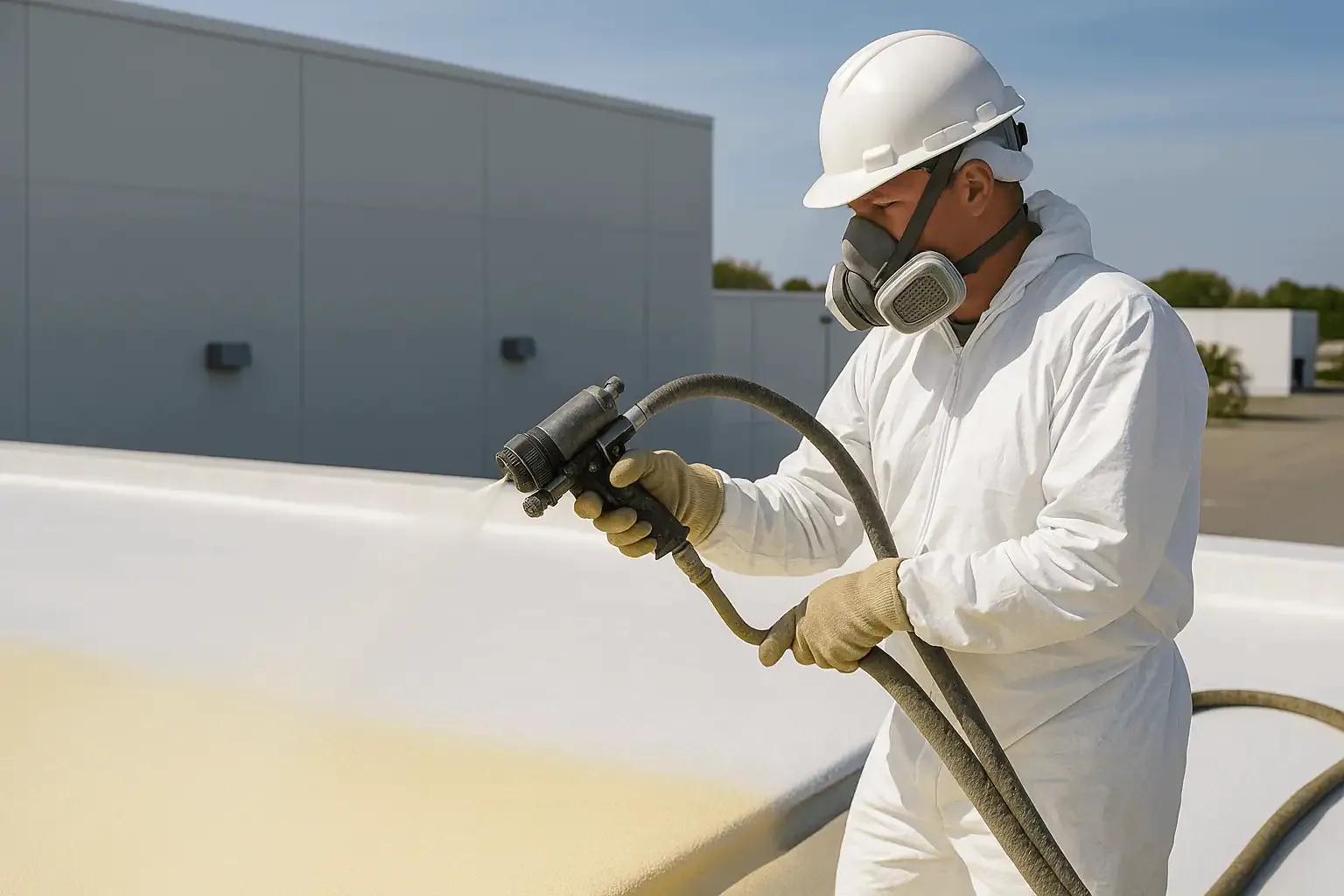
Coating application requires the surface and weather conditions to meet the selected product's requirements. The crew plans cleaning, drying, primer or reinforcement where specified, and application in areas that can be completed under suitable conditions. Temperature, wind, humidity and substrate moisture affect timing. We establish where materials will be staged, which equipment must remain accessible and how the work area will be protected until the coating can accept traffic or the next trade.
For a building that remains occupied, the project team needs to coordinate rooftop service, deliveries and access below the work. We agree on a daily boundary and record where preparation or coating stops so the surface is not left in an uncertain condition. The scope should distinguish maintenance coating from replacement work, then schedule any required city review with access, cure time and closeout.
Maintenance and records: Track the coating system
After application, records should identify the product system, preparation, repairs, treated areas and any locations left for monitoring. Photographs make later checks more useful when a new leak or rooftop alteration occurs. A roof condition report can organize those observations alongside maintenance priorities, without turning a visual note into a structural or manufacturer determination.
Maintenance checks for coating wear, punctures, cracking, loose terminations, debris and drain function. A maintenance visit can record changes and identify whether a localized repair or wider evaluation is needed. A breach through the coated surface needs examination of the underlying membrane and insulation, with wet or unsound material addressed before the repaired area receives another coating layer.
Before a silicone coating walk, share the existing roof type, repair history, leak locations, known ponding and plans for rooftop equipment. We can inspect the surface, discuss system compatibility and identify preparation that must be included in the scope. That evaluation gives the general contractor a clear work boundary and shows which conditions need attention before application. The goal is a defined restoration task, with drainage, details and access planned alongside the coated field. If the property has rooftop service routes, we identify where protection or restricted access is needed until the coating can accept maintenance traffic.
Frequently Asked Questions
Can silicone coating be applied over any commercial roof?
No. We inspect the substrate, existing repairs, moisture, compatibility and surface preparation requirements before proposing a coating system. Some conditions call for repair, testing or replacement instead.
Does silicone coating fix ponding water?
A coating can be considered on some roofs with standing water when the selected product permits it, but it does not correct blocked drains, poor slope or a structural issue. We assess the water path first.
What preparation does a silicone roof coating need?
Preparation follows the selected product instructions and may include cleaning, drying, repair, primer or reinforcement. We identify what is needed after inspecting the existing roof and any test area required.
Can a silicone coating cover a leaking seam?
The seam should be evaluated and repaired with a compatible detail before the coating is applied. We check whether the leak is isolated or connected to a broader assembly condition.
What should Bryan properties check after hail?
Inspect coating, membrane, penetrations, edges and reported interior areas, then document findings. The 2021 storm brought hail to the Bryan-College Station area; a roof walk establishes property-specific conditions.
Review coating readiness
Share the roof type, coating history, leak history, known ponding locations, building use and the current condition of the field and details. We can inspect the surface and tell you what preparation belongs in the scope.