Commercial Roof Coating Restoration in Bryan, TX
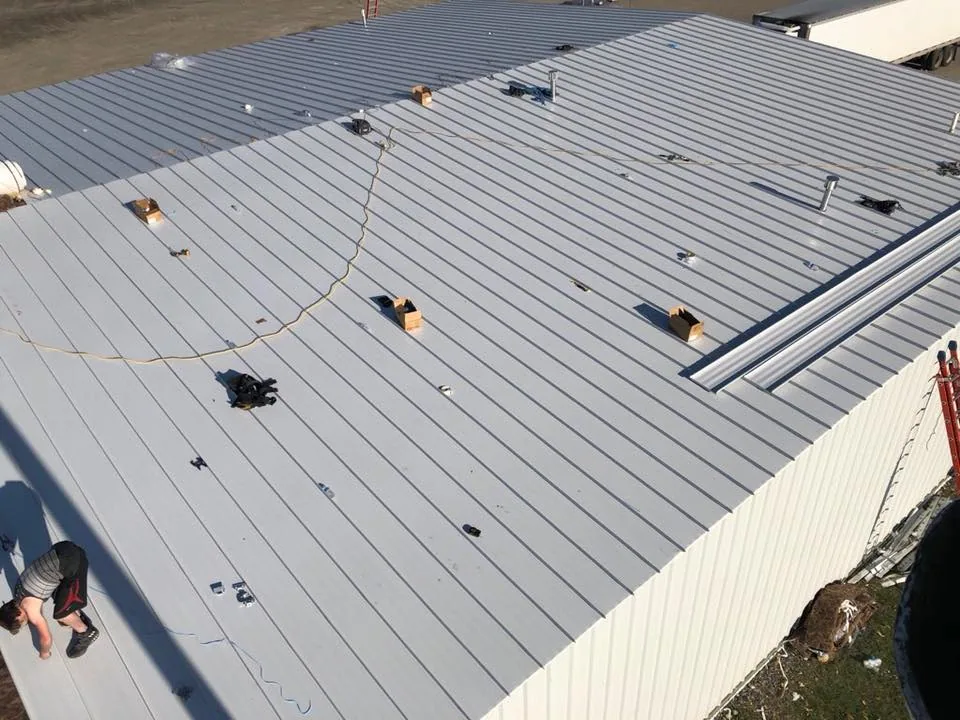
A coating proposal has to pass a practical test before an application date is agreed: the existing roof must be dry, sound and suitable for the system before new material is applied. We inspect the membrane or metal surface, check seams and transitions, and identify moisture or attachment concerns that coating cannot correct. The result is a scope that separates preparation and repairs from the coating application, with the work window coordinated around weather and the building’s operations.
The significant April 2021 hail across the Bryan-College Station area is a reminder that visible impact and roof condition need to be evaluated together. A coating may be appropriate on a serviceable assembly, but it is not a substitute for replacing wet insulation, restoring failed flashing or correcting an outlet. We document the areas that qualify, the repairs required first and any section that needs further investigation. The written restoration scope identifies which roof sections are suitable for coating and which need repair, drying or further investigation before the surface is prepared.
Substrate review: Confirm what the coating will bond to
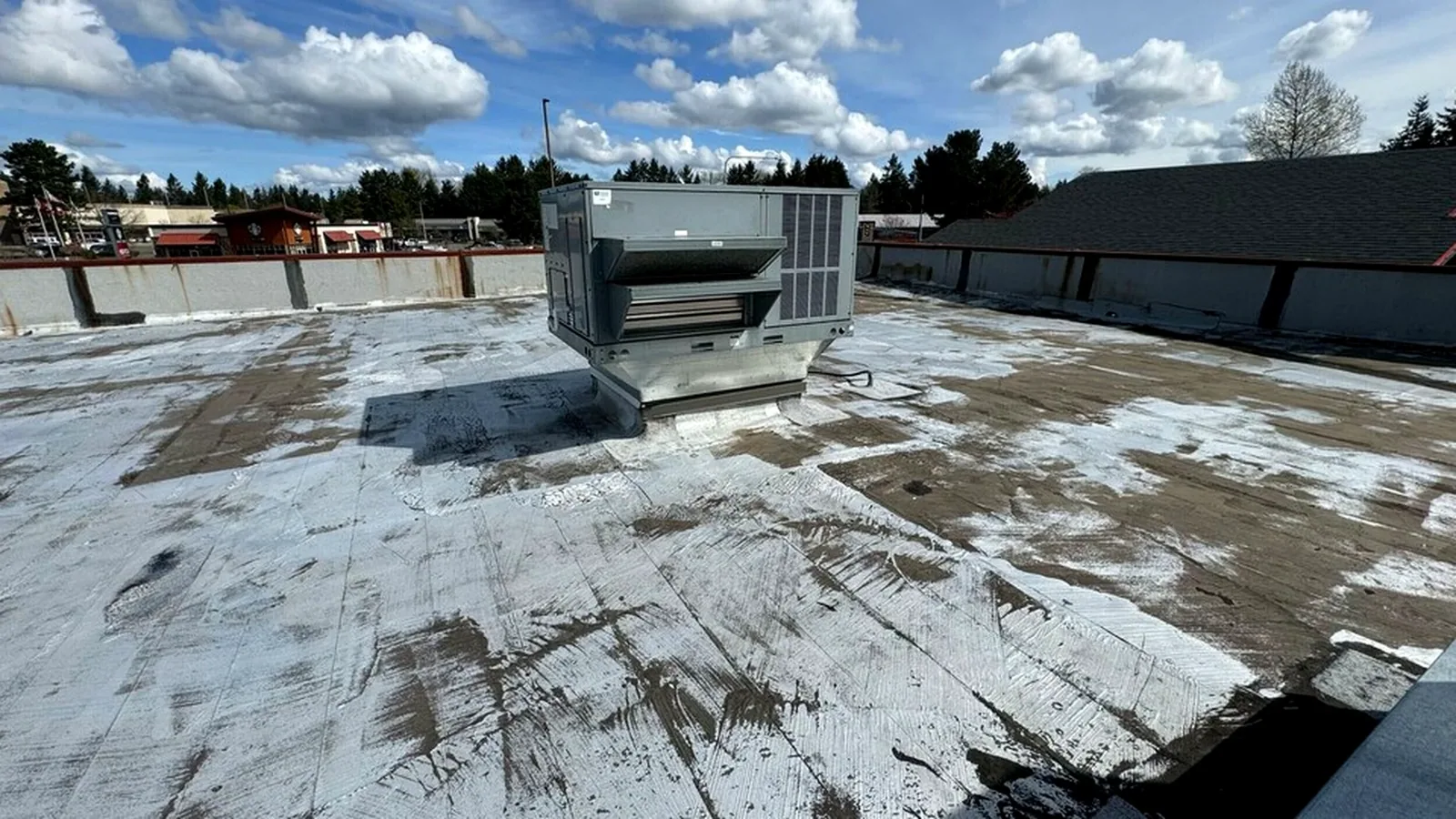
A coating system depends on the existing surface. We identify the roof type, examine adhesion and surface contamination, and look for loose material, incompatible prior repairs or deterioration at seams. A test area can help determine whether preparation produces a dependable bond. The roof inspection also checks visible drainage and flashing conditions so the coating decision reflects the whole assembly, not a clean patch of field membrane.
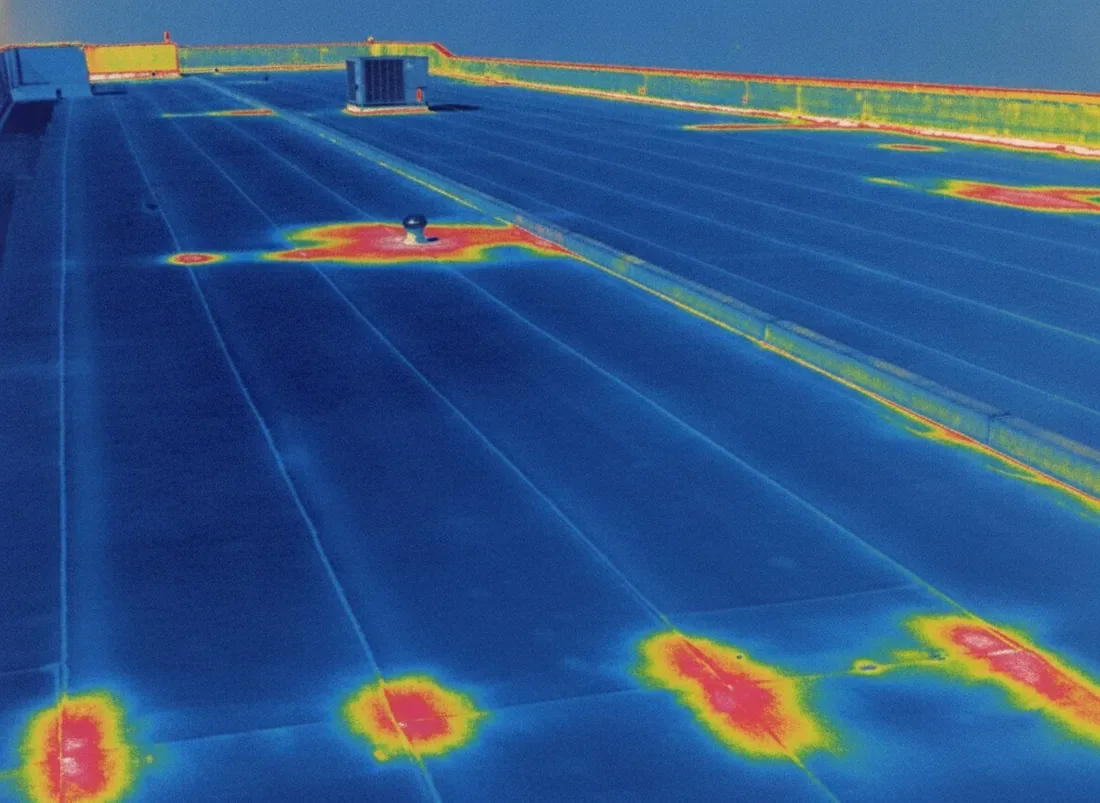
We also look for signs that moisture has reached the insulation or deck. Coating over a wet or unstable surface can trap a condition that requires removal or a separate repair. Where visible indicators are inconclusive, we can recommend targeted investigation, including an infrared moisture survey when conditions support that method. The findings define where restoration is reasonable and where the roof needs another approach.
Repair first: Close defects before coating
Open laps, failed flashing, punctures and loose metal must be addressed using materials compatible with the roof and selected coating. We mark each defect, define the repair limits and specify required cleaning or surface preparation. A seam repair may require reinforcement or membrane work before the field can be coated. The preparation scope also identifies details that remain outside the coating area, such as components that need replacement or adjustment.
At drains and scuppers, a coating should not narrow an outlet or cover a removable strainer. We inspect the bowl, flange and water route, and repair a damaged connection before application. The drain detail is treated as a functional part of the roof system. Where a drain line is restricted below the roof, the plumbing work must be coordinated separately so surface material is not used to mask a downstream problem.
System selection: Match chemistry to the roof
Silicone and acrylic coatings behave differently under standing water, exposure and application conditions. We identify the existing membrane or metal, review the proposed system’s substrate requirements and compare those requirements with the roof’s drainage and use. A silicone roof coating or acrylic coating is considered only after the surface and details pass the required checks. The scope names the material type and preparation without suggesting a manufacturer relationship.
Thickness, reinforcement, edge termination and treatment at penetrations need to match the selected system and the manufacturer’s published application instructions. We plan sample areas and curing time where appropriate, then confirm what adjoining trades must avoid during the application and cure period. A coating is not automatically the least disruptive option: preparation, repairs, access and protection can affect the schedule as much as the application itself.
Weather and schedule: Protect application conditions
Heat can shorten workable time for some materials and change how a crew stages coating across a roof. We plan around the selected product’s temperature, moisture and cure requirements, and watch for conditions that could compromise adhesion. In Bryan Business Park and Brazos County Industrial Park, the roof schedule also has to fit delivery, production and equipment access. We coordinate staging areas and keep the application route clear of active loading zones.
A coating project needs a dry surface and a forecast that supports the work sequence. We identify the areas that can be prepared, the time needed for repairs and the conditions required before coating begins. If weather interrupts the sequence, exposed preparation is protected and the next work window is reset. The building contact receives the plan for access, ventilation-sensitive spaces, equipment and any temporary limits while the coating cures.
Drainage and details: Preserve the roof’s water path
A coating can make a surface look continuous while leaving a poor transition or blocked outlet underneath. We check low points, drain bowls, scuppers, parapet edges and penetrations as distinct details. The coating should terminate at a sound transition and leave the intended drainage area open. Where ponding persists, we identify whether the cause appears to be debris, a drain defect or a broader surface concern that needs engineering or additional review.
Wall transitions and curbs receive careful attention because water can travel along a weak edge even when the field is coated. We inspect existing flashing height, attachment and movement, then specify compatible reinforcement or replacement. Edge metal and coping work may be required at a termination rather than extending coating beyond a suitable boundary. That boundary is recorded on the scope so the coating and metal work have a clear handoff.

Frequently Asked Questions
When is a coating a reasonable option for an existing roof?
The roof needs a compatible, sufficiently sound surface with defects repaired and no unresolved moisture condition that would be concealed. We inspect the assembly and define any sections that do not qualify before pricing the coating work.
Will coating fix ponding water?
Coating does not correct a structural slope or a restricted drain line. We look for debris, damaged outlets and surface concerns, then separate roofing repairs from any plumbing or engineering work.
Can coating go over an older coating?
Only after compatibility, adhesion and surface condition are checked. We identify loose, chalked or incompatible material and specify the required test and preparation before application.
How does Bryan heat affect the schedule?
The selected system has application and cure conditions that govern the work window. We coordinate staging, surface readiness and weather checks with the building contact before each application phase.
What should be documented at completion?
The record should identify repairs, coated areas, system type, exclusions, cure limits and details needing future attention. Photographs of edges, drains and penetrations help make the closeout useful for the next inspection.
Closeout: Record preparation and completed areas
The final record notes the areas coated, repairs completed, test observations, product system and any exclusions. We photograph transitions and penetrations as well as the broad field, since those details often govern future maintenance. The building contact receives the cure and access information needed for follow-on trades, along with any areas that still require a separate repair or moisture check.
A restored roof still needs inspection after severe weather and routine observation of drains, seams and exposed terminations. We document those follow-up needs and can place them in a maintenance program. For roof-finish replacement within Bryan city limits, the roofing contractor obtains a building permit and the completed work receives a final inspection. A coating proposal identifies its own scope and the applicable review steps before work is scheduled. We agree on the selected system, preparation limits and next work window before mobilization. Where water remains after rainfall, we identify whether the cause is debris, an outlet fault or a surface condition before applying a restoration system.
The written scope also identifies how existing rooftop equipment, service paths and later trade work will be protected. A coating that cures beneath an active service route can be damaged before closeout, so we mark restricted areas and coordinate the return of mechanical or electrical contractors. The contact receives the cure limits and the point at which normal access can resume.
Review the roof before coating
Share the existing roof type, any leak history and the building’s operating schedule. We can inspect the surface and define preparation, repairs and coating limits.