Commercial Ponding Water Roof Repair in Bryan, TX
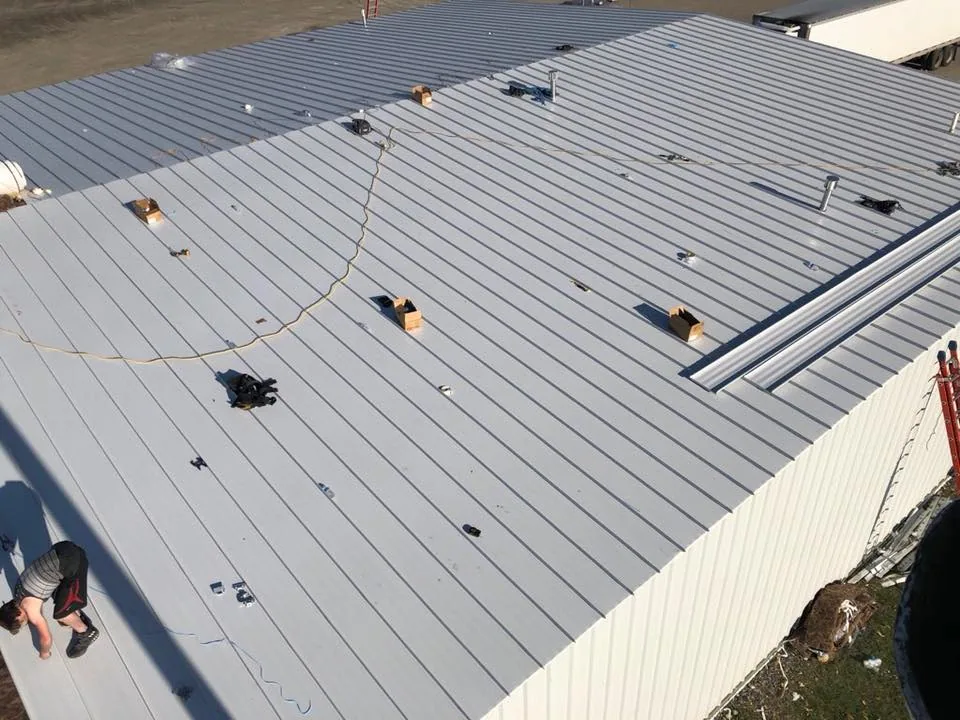
A shallow pool after rain can point to a low spot, a blocked outlet, a deflected deck or an assembly that has settled over time. The water itself does not show which condition is responsible. In Bryan, a useful roof review starts with the location and duration of ponding, then checks the path from that area to the drain or scupper. We photograph the roof plane, mark the observed depth and compare repeat visits before proposing a correction. That record helps the general contractor separate a drainage repair from membrane work that may only appear related.
Send the roof plan, affected section, interior reports and any recent maintenance notes before the walk. A commercial roof inspection can map low areas, outlets, seams and penetrations in a way the facilities team can use after the work window closes.
Low point: map it to its outlet
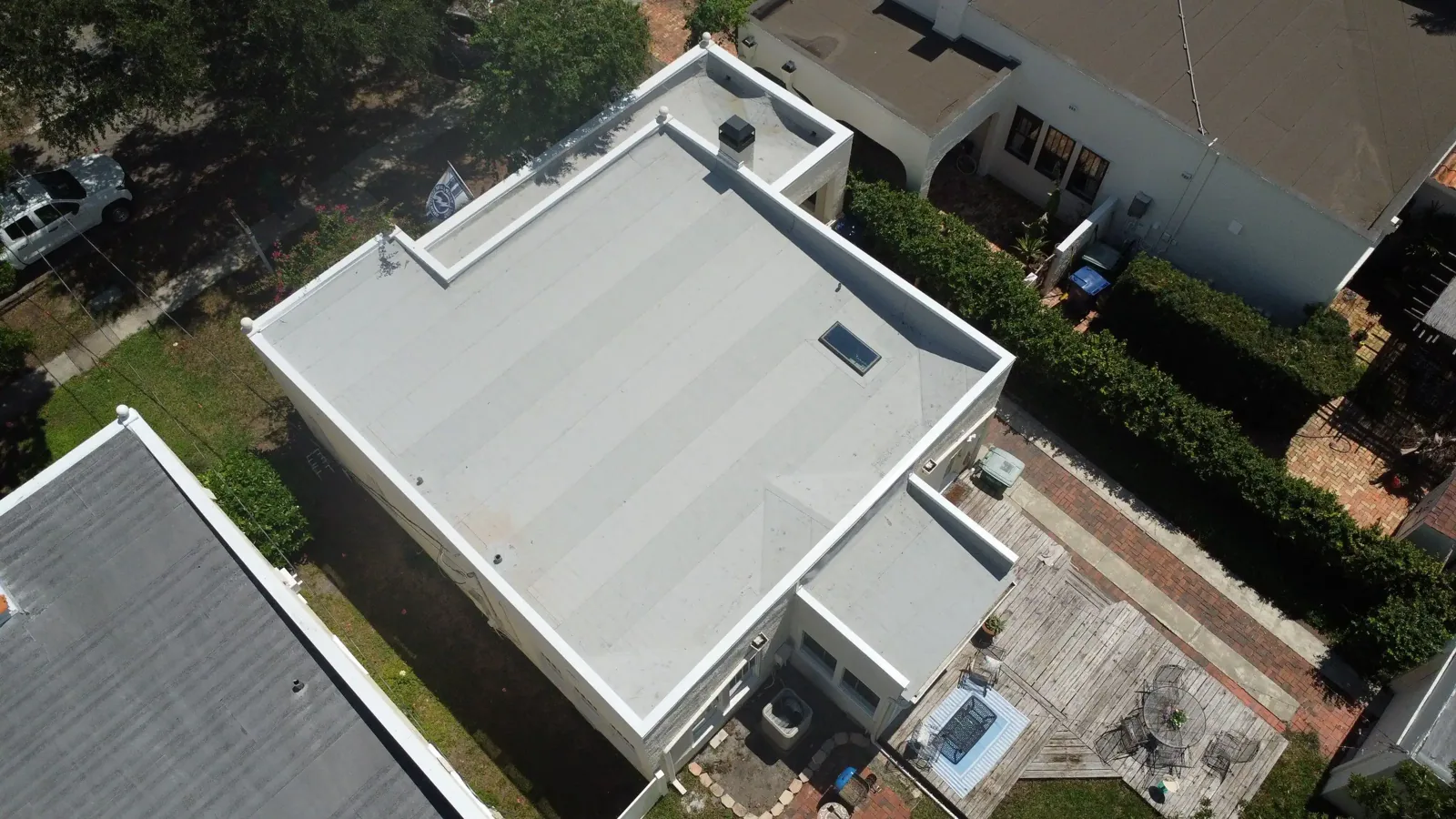
Start by marking each area where water remains and the nearest drain, scupper or overflow. Note roof height changes, crickets, saddles, equipment pads and transitions that influence the path. A single photo from the access hatch rarely shows the slope relationships. Roof-plan labels and repeatable viewpoints let the project team compare one section with another and determine whether the pool sits at a drain, behind an obstruction or in a broad depression.
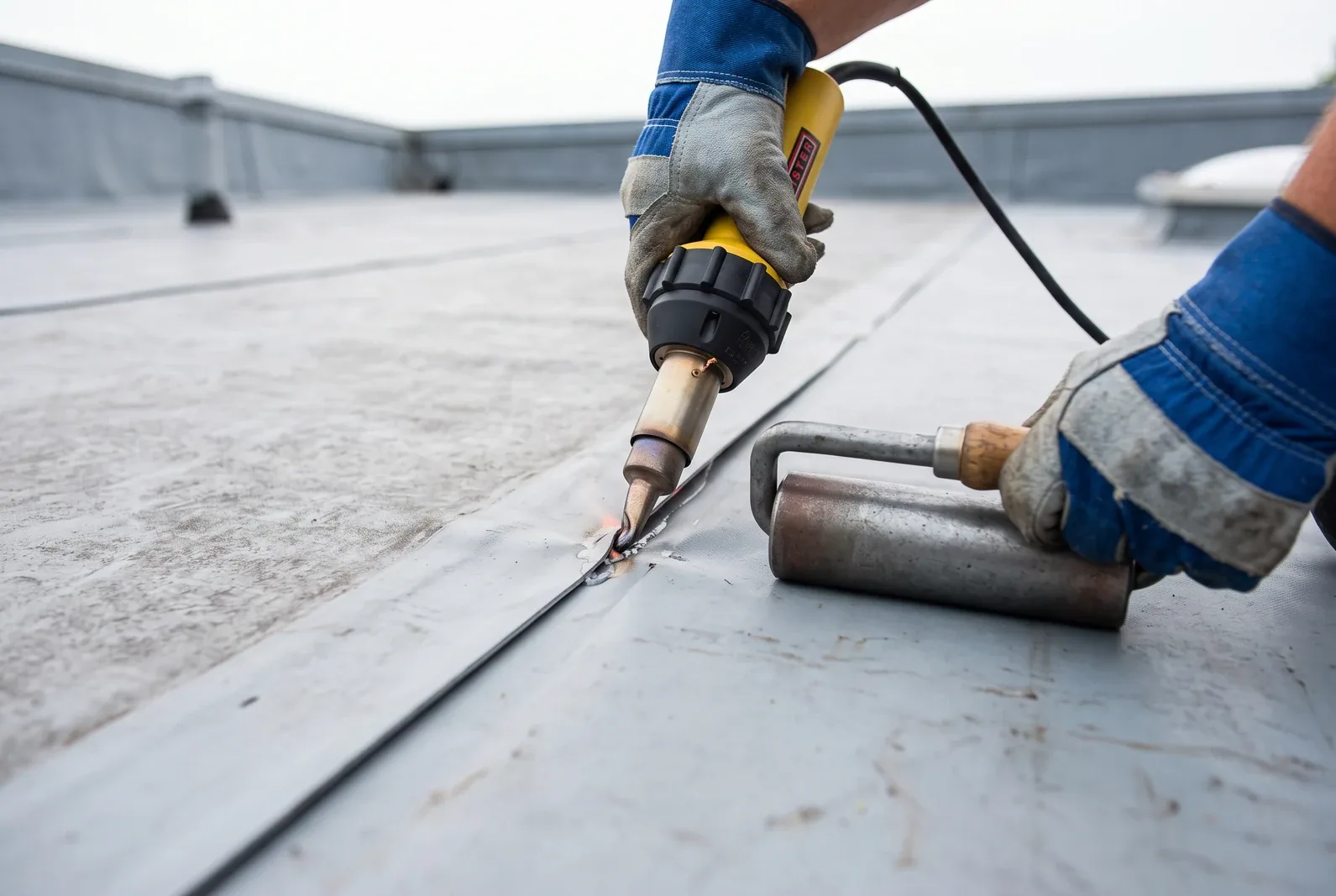
Check strainers and drain bowls for debris, then inspect the surrounding flashing and membrane for separation or puncture. Look for crushed insulation, movement at a joint, a displaced support or an abandoned curb that interrupts flow. Do not treat a drain cleaning as a permanent correction when the surrounding plane still holds water. If the water reaches a damaged transition, a flashing failure assessment should define that detail separately from the drainage issue.
Bryan Business Park and Brazos County Industrial Park give the city two distinct industrial settings, each with drainage and access conditions tied to the property in question. At either park, a drainage repair starts by marking the affected outlet and confirming the roof access route with the building contact. Where a roof serves receiving, storage or production areas, identify drains and work zones that could affect deliveries, equipment access or interior protection. The field inspection sets the repair boundary for that building.
Standing water: inspect what it touches
Walk the wet boundary after conditions allow safe access. Check membrane laps, patches, flashing, penetrations and metal transitions at the edge of the pool. Water can remain in a depression without entering the building, while a small opening near a curb can leak even after the visible pool has drained. Compare the roof surface with ceiling reports, insulation readings and any earlier repair photos. State which evidence supports a likely water path and which areas remain concealed.
If the membrane feels soft or the surface has split, record the location and size before opening the assembly. A membrane puncture repair review addresses a different condition from ponding alone. For an active interior leak, temporary protection may be needed while the roof remains wet. Keep emergency stabilization and permanent work quantities distinct so a later crew can identify what was completed.
Look for more than a single visit when the cause is unclear. A measured depth, marked perimeter and elapsed time after rainfall can show whether water is receding or persisting. Compare those observations with the drain layout and roof geometry; do not estimate a slope from a stain on the ceiling below.
Pricing: match the correction to the cause
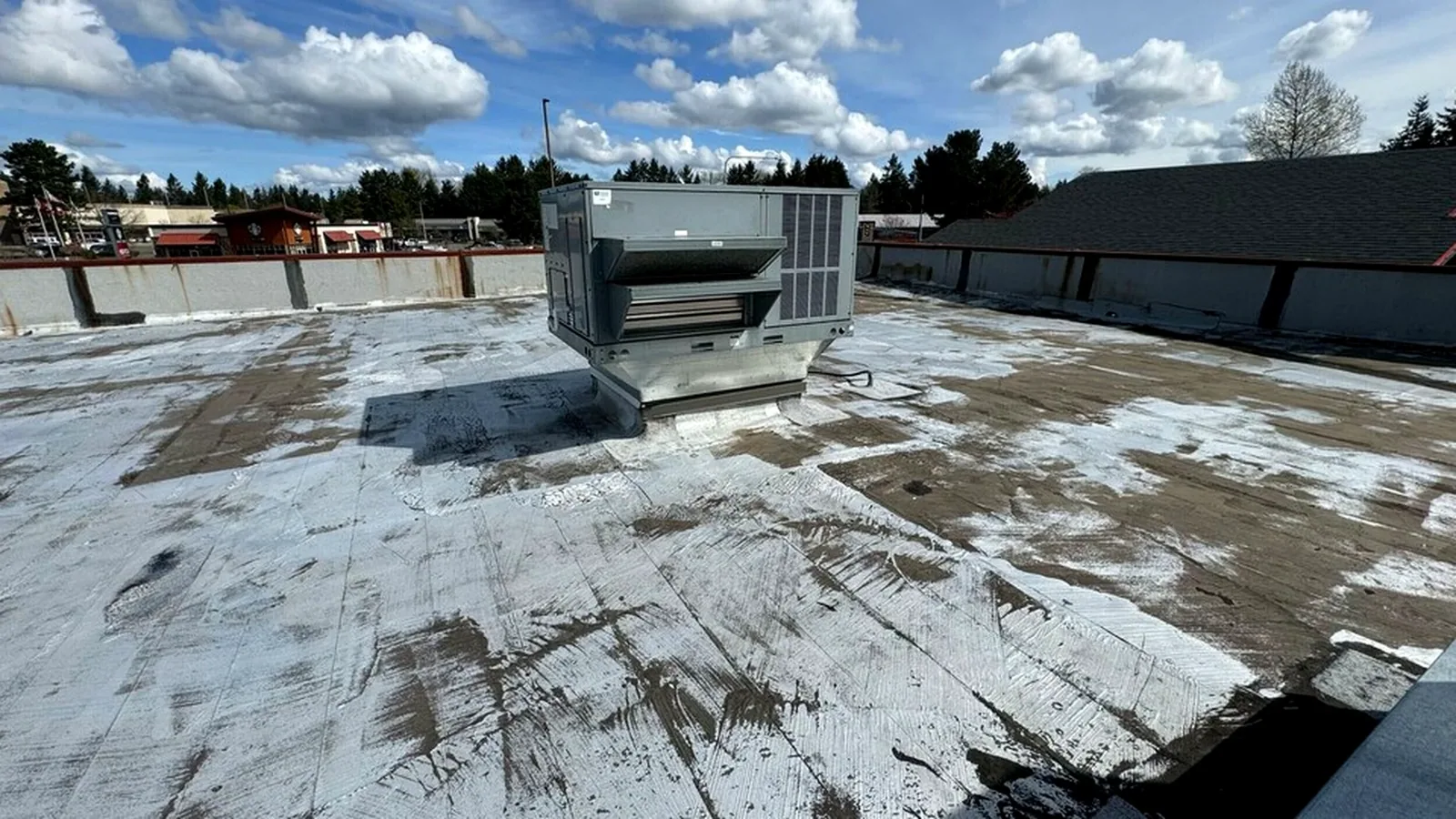
When debris is the only obstruction and the roof plane drains as designed, cleaning and a follow-up check may be the appropriate task. A damaged bowl, failed flashing or crushed insulation calls for a defined repair. Where the deck or insulation has deflected, surface patching will not change the low point. The proposal should say what is being corrected, what remains, and how the completed drainage path will be checked.
For broader deterioration, compare repair, recover and replacement scopes by section. A roof drain and scupper repair can address a specific outlet; a restoration proposal needs a sound, prepared substrate and sound drainage details. A replacement option should describe how slope, insulation, drainage, overflow capacity and perimeter transitions will be handled. These scopes have different access, material and schedule drivers, so they should not be combined into a vague allowance.
Set out the limits of each price: roof areas included, debris or water removal, substrate assumptions, protection, tie-ins and closeout checks. If opening the roof reveals wet insulation or damaged deck, agree how that condition will be documented and approved before additional material is removed.
Work zone: keep it out of the operating path
Before mobilization, locate the access route, material staging point, drain discharge, interior protection and any area that must stay open. Confirm who can authorize a temporary closure and how the crew will notify facilities staff if the boundary changes. In Downtown Bryan, restaurants, shops and galleries share an active commercial setting; roof work near occupied space benefits from a delivery plan that keeps customer paths and debris handling separate.
For a larger roof, divide the work into sections that can be opened, repaired and closed within an agreed shift. Protect insulation from moisture, keep removed material out of active routes, and record the dry-in point at the end of each work window. Coordinate equipment shutoffs and rooftop access with the trade responsible for those systems. A phased occupied-building scope can address sequence and handoff when repair work overlaps with ongoing operations.
Tell the project lead whether ceiling areas, inventory or equipment need added protection. When water is still present, document the safe route around it and do not stage tools where they can block drainage. The crew and building contact should agree on the exit condition before leaving each section.
Verification: confirm the repair and keep a drainage record
Closeout should identify which outlet or roof plane was changed, what materials were installed and which conditions remain for monitoring. Photograph the repaired detail and the surrounding drainage path from labeled viewpoints. A later check after rainfall can compare the same locations and show whether water recedes as expected. Keep that observation separate from a warranty conclusion or a claim decision.
Bryan’s roof-finish replacement process places permit acquisition with the roofing contractor and calls for a final inspection. The city handles applications, inspection appointments and result lookup through its development-services portal. If the selected work replaces finishes, identify the permit and inspection steps in the schedule and keep the final result with closeout records.
For a commercial property in Bryan, record access points, drain locations, roof sections and maintenance observations in one file. A preventive roof maintenance visit can revisit the same low points, clear outlets when appropriate and flag a change for inspection. Send the building use, roof type, ponding locations and preferred work window to arrange a walk and define the next roofing task.

Frequently Asked Questions
Does standing water always mean a roof needs replacement?
No. The cause may be a blocked outlet, damaged detail, deflected deck or another condition. We map the drainage path and inspect the assembly before comparing a targeted correction with broader work.
How long should water remain after rain?
The answer depends on roof geometry, drainage and weather, so a single observation may not explain the condition. Mark the area and compare how it changes after rainfall, then relate that record to the roof plan and outlet locations.
Can a coating solve ponding?
A coating does not change a low deck or restore a blocked drainage path. We check the substrate, outlet and transitions first, then determine whether restoration belongs in the scope after drainage conditions are addressed.
What should a repair proposal show?
It should define the roof area, cause being addressed, preparation, materials, drain or flashing details, access, protection and closeout check. Any concealed condition that could change the work should have a documented approval step.
Can repairs be scheduled while a commercial building is open?
Often the work can be divided by roof section, with access, deliveries and interior protection coordinated around the building’s use. We agree on the work window and handoff before opening the assembly.
Arrange a roof drainage walk
Send the Bryan property address, roof type, affected sections, recent maintenance notes and preferred work window. We can map the ponding, inspect the outlet path and define a repair scope with your project team.