Home / Roof Systems /
Acrylic Roof Coatings for Commercial Buildings in Bryan, TX
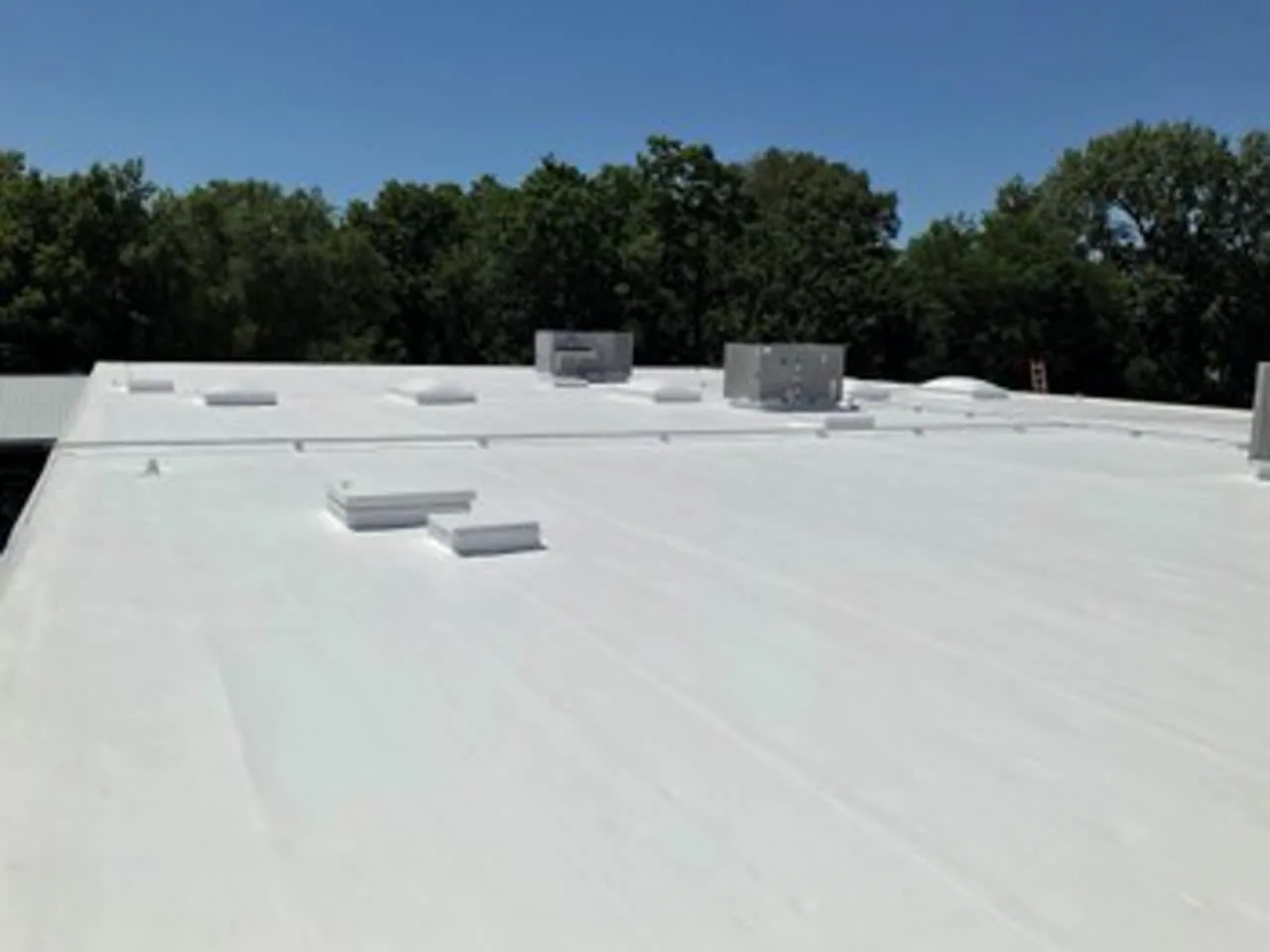
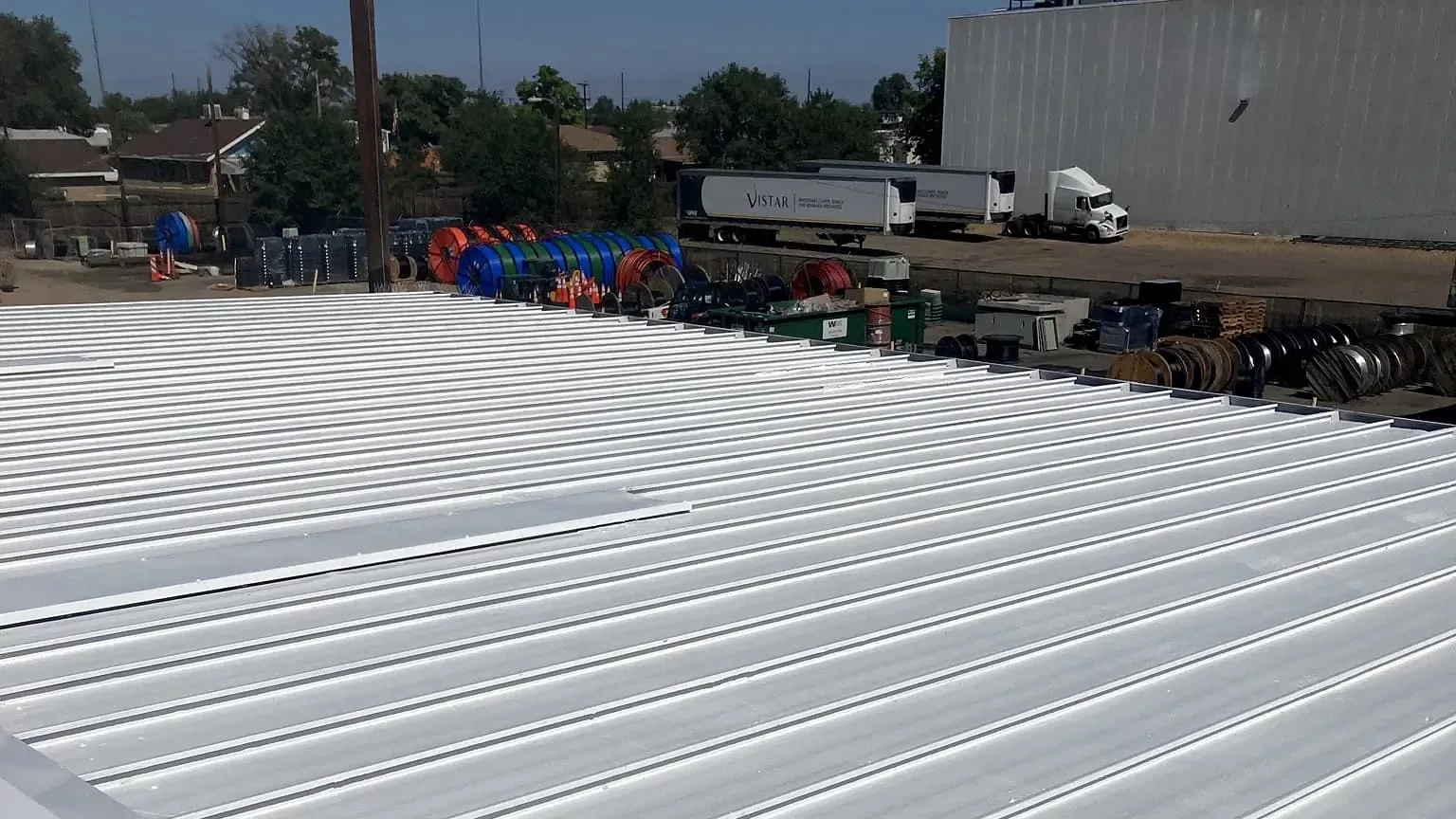
An acrylic restoration needs more than a clean-looking surface: drainage, existing coating adhesion and the condition of the underlying roof determine whether preparation can produce a suitable substrate. In Bryan, we inspect the existing roof, seams, flashing, slope and drainage before proposing an acrylic coating. Acrylic systems are water-based elastomeric coatings that reflect sunlight and require a compatible, prepared substrate. Their suitability depends on the existing assembly and product requirements, including whether water tends to remain in low areas.
At Bryan Business Park, the property inspection identifies the roof’s coating exposure and drainage conditions before restoration is considered. Downtown Bryan includes restaurants, shops and galleries, and Texas Triangle Park is a rail-served industrial park. Those uses give context for access and rooftop service needs, while the individual building inspection identifies exposure, drain paths and coating condition. A restoration scope should connect surface preparation and repairs with the work window and business operations below.
Substrate and adhesion: Confirm the base layer
Acrylic coating needs a sound surface that can accept the specified product. We inspect for dirt, chalking, loose material, blisters, punctures, wet areas and coating layers that may not be compatible. Where required by product instructions, a test area can help check adhesion before the full roof is prepared. A silicone coating system or spray polyurethane foam assembly may have different substrate requirements, so we identify what is installed rather than selecting material from color or label alone. Before application, test a representative area when bond quality remains uncertain and leave sufficient cure time to evaluate adhesion.
Moisture below the surface can change a restoration plan. We review leak reports and repair history, inspect drains and penetrations, and mark areas that may need closer investigation. If suspected wet insulation or deck damage remains unresolved, coating over it can leave the roof question hidden. A commercial roof inspection documents visible conditions and identifies where an opening or testing may be needed. The written scope should distinguish repairs and preparation from concealed work outside the confirmed boundary. It should also list any test area, primer or reinforcing fabric specified for transitions, along with the surfaces that are excluded. This makes the coating quantity and sequence easier to review before the crew mobilizes and gives the general contractor a specific checkpoint for related trade work.
Slope and water: Check where the roof dries
Acrylic coatings generally need conditions that let water drain and the coating dry in accordance with the selected product instructions. We map low areas, drains, scuppers and overflow paths, then identify whether ponding reflects blocked outlets, roof geometry or a deeper issue. A ponding-water assessment can separate coating restoration from correction to drainage or structure. The specification should set expectations for the existing water path rather than implying that a coating will reshape the roof.
Drain bowls and edge details can require separate preparation or reinforcement before coating. We protect strainers and outlets from material buildup, verify that runoff remains open and check whether coating must terminate at a metal edge or transition. A drain and scupper repair may be scheduled before application if the outlet connection needs work. On a large roof, small changes in slope can send water toward a different seam or wall, so the walk should follow the full path to its discharge point.
Repair and preparation: Correct defects first
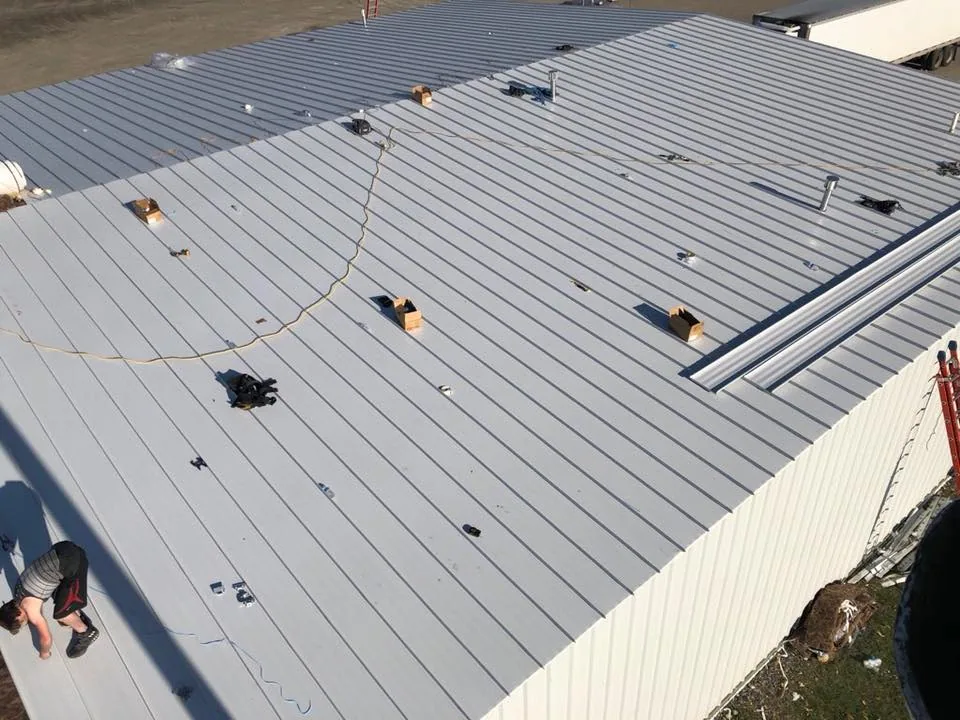
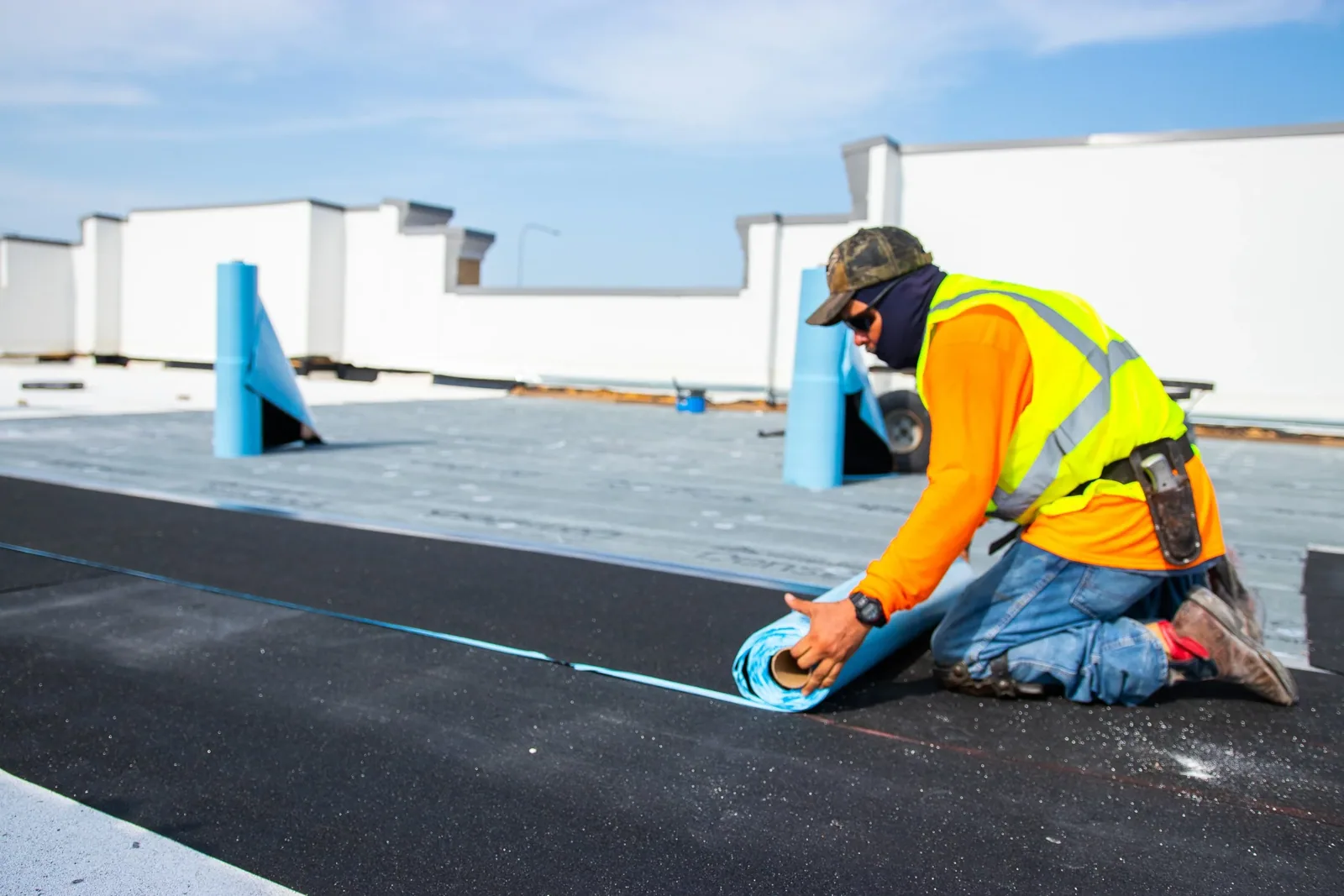
Open seams, punctures, loose flashing and damaged penetrations need repair before coating covers the area. We determine whether each defect is isolated or associated with movement or moisture in the wider assembly. A flashing repair may require a rebuilt termination instead of a surface layer that bridges a gap. If previous repairs use several products, we check how they meet the proposed coating and whether removal, primer or reinforcement is required.
Hail marks and coating loss should be recorded by roof section along with any interior water reports. The April 2021 storm brought significant hail to the Bryan-College Station area; a property-specific inspection establishes whether this roof has damage and what the visible marks mean. A storm-damage review can document the observed condition and identify questions requiring closer inspection. This helps keep the coating estimate separate from repairs or investigations that need their own scope.
Weather window: Set the application sequence
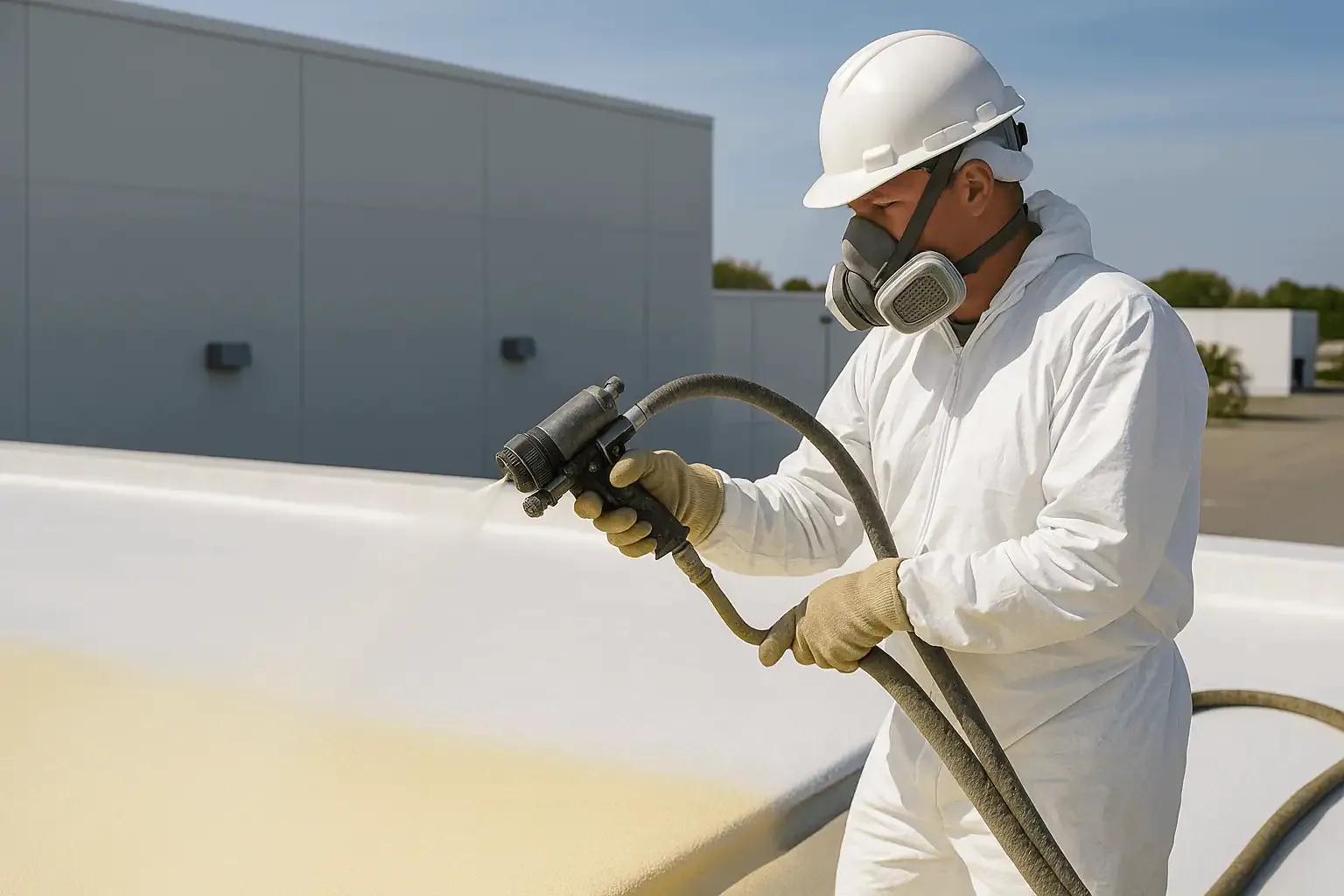
Application needs a clean and dry surface, suitable temperatures and enough time for the coating to dry as the manufacturer specifies. We plan cleaning, repair, masking and coating around the forecast and the condition of each area. Wind, humidity, substrate moisture and temperature can change the usable work window, so staging should match the surface the crew can prepare and coat. We establish daily stopping points to protect treated areas and avoid leaving open repairs or unfinished transitions overnight.
The work plan also covers deliveries, roof access, equipment servicing and traffic after application. Fresh coating should not be walked or disturbed before it can handle the next step under product instructions. We coordinate that limit with the general contractor and facility contact, especially where rooftop equipment must remain available. Before material is ordered, the project team confirms the municipal steps that apply to the defined restoration scope and places any inspection in the schedule.
Maintenance records: Track what the coating changes
Closeout should record the coating product, preparation, repairs, treated areas and any existing conditions left for monitoring. Photographs help a future inspection compare surface wear at drains, seams, edges and service routes. A roof condition report can keep these observations with the facilities team's maintenance records while separating visible findings from structural or manufacturer decisions.
Maintenance checks for coating wear, cracks, blisters, punctures, open details, debris and drainage. A maintenance visit notes changes and helps establish whether the next task is a local repair, another coating evaluation or a broader roof review. If a leak develops before coating work, the repair needs a compatible material and a sound boundary so the subsequent acrylic application does not conceal an unresolved opening.
Before a Bryan coating evaluation, share the existing roof type, past repairs, leak locations, known ponding and planned mechanical changes. We can inspect the substrate and details, discuss preparation and identify what needs repair before the application date. That gives the project team a clear sequence for drying, coating and handoff. If coating is not supported by the surface condition, the inspection can still define a useful repair or replacement scope based on the assembly at the property.
Frequently Asked Questions
Is acrylic coating suitable for every commercial roof?
Suitability depends on the substrate, existing coating, slope, drainage and product instructions. We inspect the roof and confirm compatibility before proposing acrylic restoration.
Can acrylic coating handle standing water?
Many acrylic systems require water to drain and dry conditions for application. We review the selected product requirements and inspect low areas before deciding whether coating, drainage repair or another roofing scope fits.
Does acrylic coating need a primer?
Some surfaces or product systems require primer, reinforcement or other preparation. We review manufacturer instructions and, where needed, test the substrate before including the application steps in the scope.
Will coating stop an existing leak?
A coating should not cover an unresolved leak detail. We inspect the seam, flashing, penetration and surrounding assembly, repair the defect and determine whether moisture or other conditions need investigation first. Coating does not replace corrective work at that connection.
Do College Station heat records describe Bryan conditions?
College Station reached 112 degrees at Easterwood Field on August 20 and 27, 2023. We assess substrate temperature and coating cure conditions at the Bryan property.
Check whether the roof can be coated
Share the roof type, coating type, leak history, drainage concerns, seam condition and planned work window, along with whether water remains after rain. We can inspect the substrate and tell you what has to be repaired before an application date is set.