Home / Roof Systems /
Standing Seam Metal Roofing in Bryan, TX
A standing-seam repair starts with the panel profile, its attachment and the route water takes through the joint, because an exposed closure and a moving seam need different details. In Bryan, we inspect standing seams, panel ends, clips, flashing, slope and drainage before pricing repair or replacement. Panel movement, attachment and seam design all matter, as does the manufacturer's minimum slope for the selected system. The correct scope starts with the actual panel profile and deck, not a general assumption about metal roofing.
Downtown Bryan includes restaurants, shops and galleries, while Lake Walk has offices, dining, hospitality and retail. Those local conditions give the inspection two practical frames: wind exposure and active commercial use. We check the panel field, closures and openings at the actual property, since a visible mark alone does not establish a leak. The walk follows each affected detail and records what should be repaired or watched before other trades return.
Panel and slope: Identify the installed profile
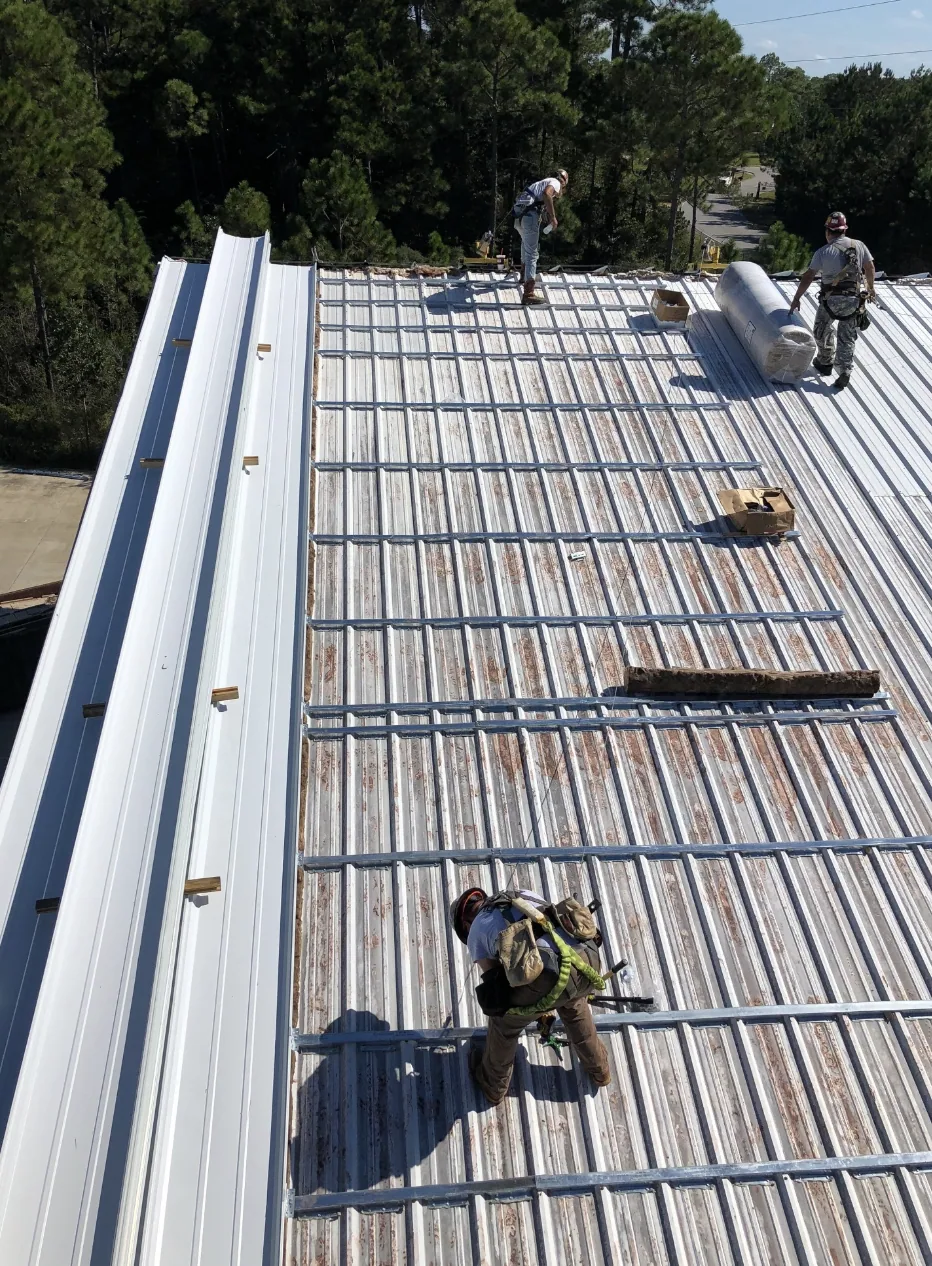
Standing seam panels join through raised seams, with concealed clips or other attachment details allowing the assembly to connect to its support. Panel width, seam type, clip spacing, substrate and slope should be identified before replacement or a change in use. A metal roof retrofit addresses a different condition, such as an exposed-fastener roof needing an overlay or restoration. For low-slope areas, a single-ply membrane may be part of a separate assembly decision where roof geometry changes.
We review drawings, panel markings and visible conditions to determine what can be confirmed in the field. If fasteners or clips are concealed, we note where the project documents or an opening are needed to verify them. An inspection also considers panel direction, valleys, transitions and roof edges, where water concentration and movement may affect details. The scope distinguishes the panel work from deck repairs, structural modifications or design questions that require input from another professional.
Movement and seams: Protect the panel connection
Metal expands and contracts as temperatures change, so clips, fixed points and seam details must suit the panel system. We look for panels that bind, oil-can or pull at an end detail, then check whether fasteners, clips and supports remain secure. A repair should not lock a moving connection with an incompatible sealant or fastener. At an eave, panel ribs, closures and edge metal work together to control runoff. We check fastener position at the perimeter and inspect sealant or formed flashing for movement and separation. A damaged trim piece can expose the panel end even when the seam remains engaged, so the repair scope follows both components to a sound termination. The system manufacturer's details guide the work, while a wind-damage inspection checks for displaced panels or perimeter conditions after an event.
At a seam, water control depends on the profile, closure and direction of flow. We inspect laps, ridge and eave transitions, valleys and flashings, then document any open joint or damaged coating. Repairs around moving panels need the correct material and attachment for the roof system. A commercial roof inspection can map observed conditions and identify a section where closer review is needed before the proposed repair boundary is finalized.
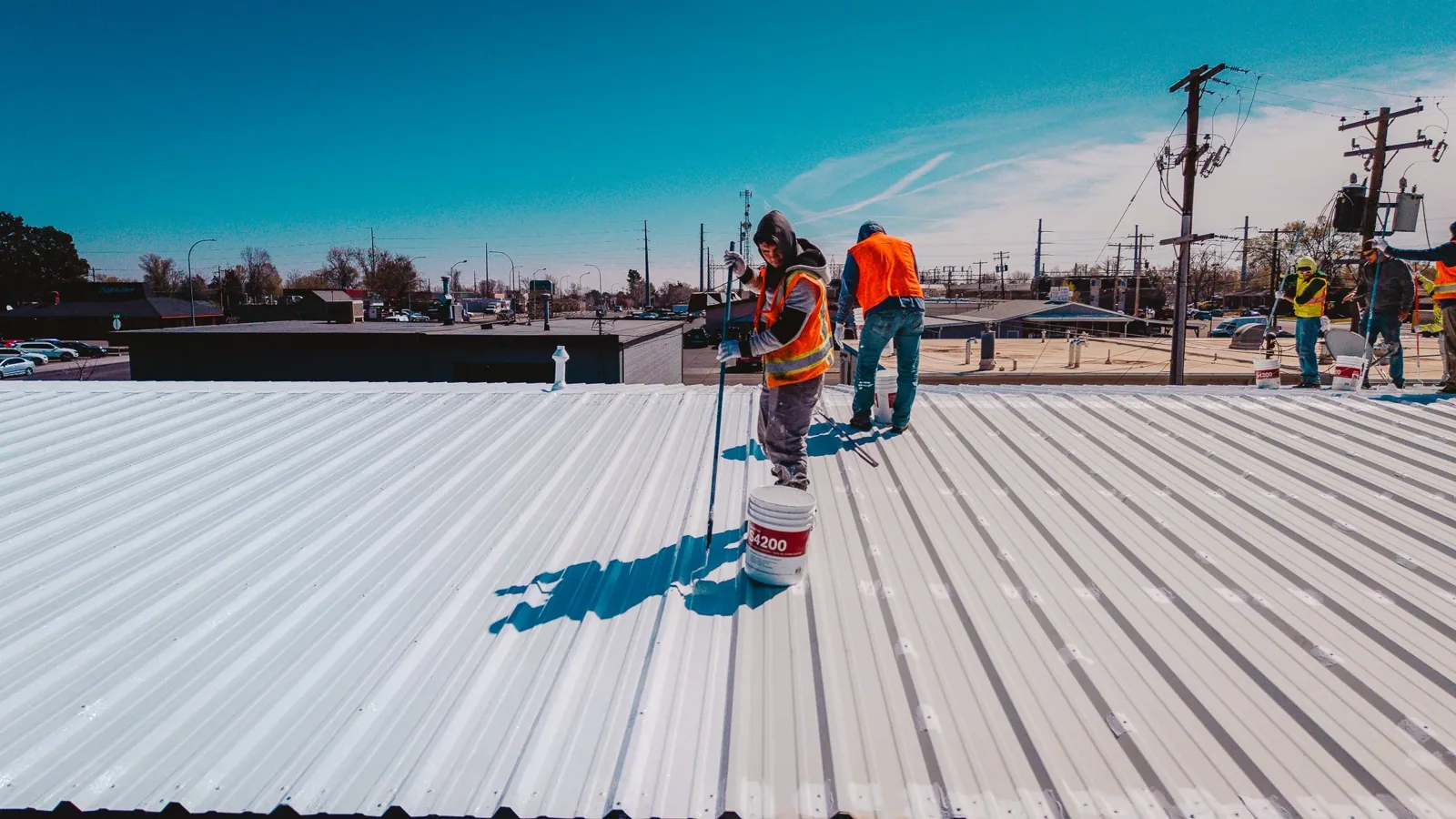
Penetrations and drainage: Coordinate every opening
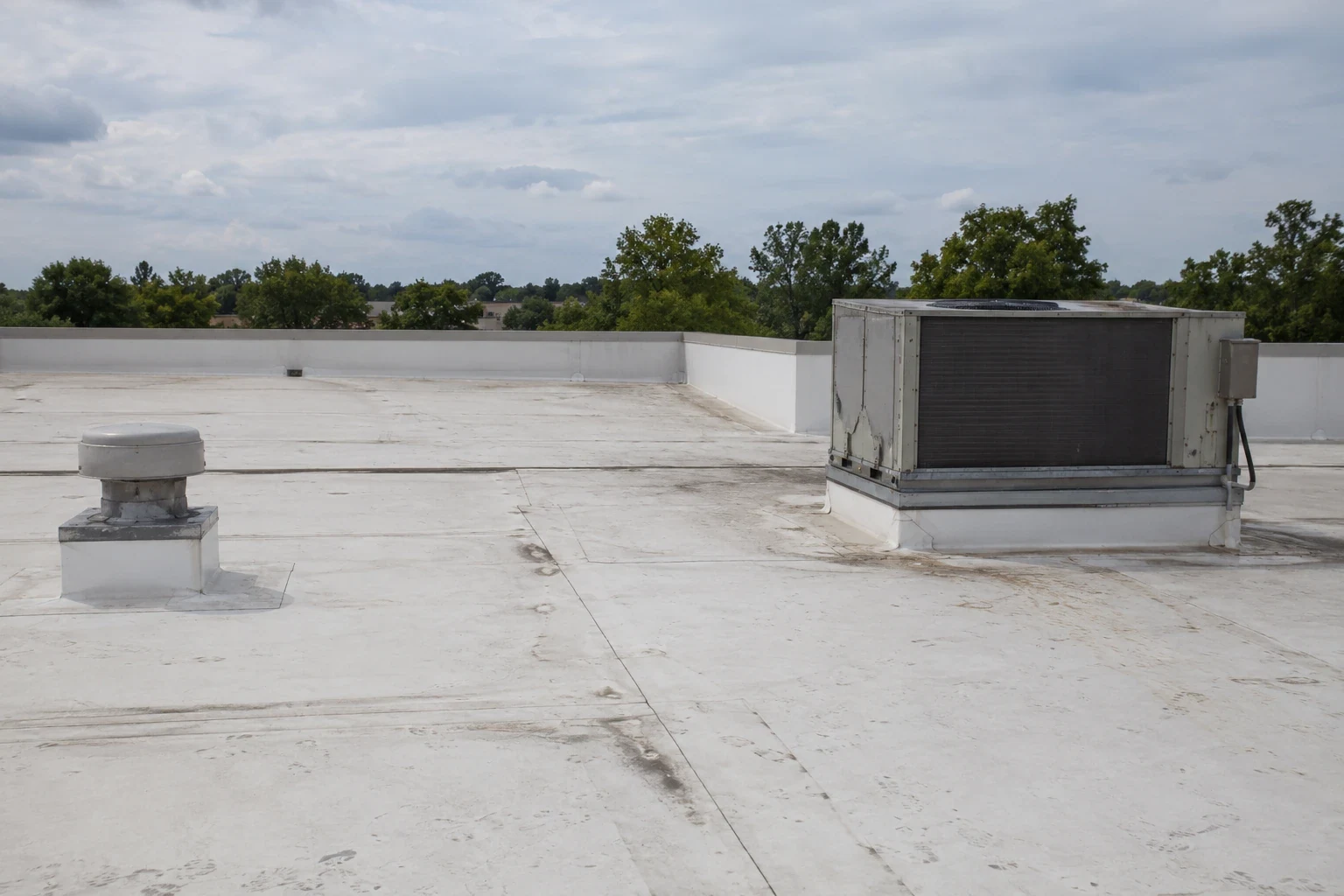
Vents, curbs, skylights and service conduits interrupt the panel plane and need formed flashing that works with the panel profile. We coordinate the opening's location and size with mechanical or electrical trades before cutting metal, then establish who supplies the curb and who completes the weather closure. A curb and support coordination can settle that sequence before equipment is lifted onto the roof. Later trade changes should be recorded because an added penetration may affect panel drainage and warranty documentation from the manufacturer.
Standing seam roofs direct water along panel ribs toward eaves, valleys, gutters or other planned collection points. We check that runoff has an unobstructed path and that valleys and transitions are not holding debris or backing water beneath a closure. At roof-to-wall intersections, counterflashing and panel terminations need to account for both materials. A perimeter metal scope can coordinate edge, coping and gutter work where the assembly sheds water into a shared drainage detail.
Repair or replacement: Set the right boundary
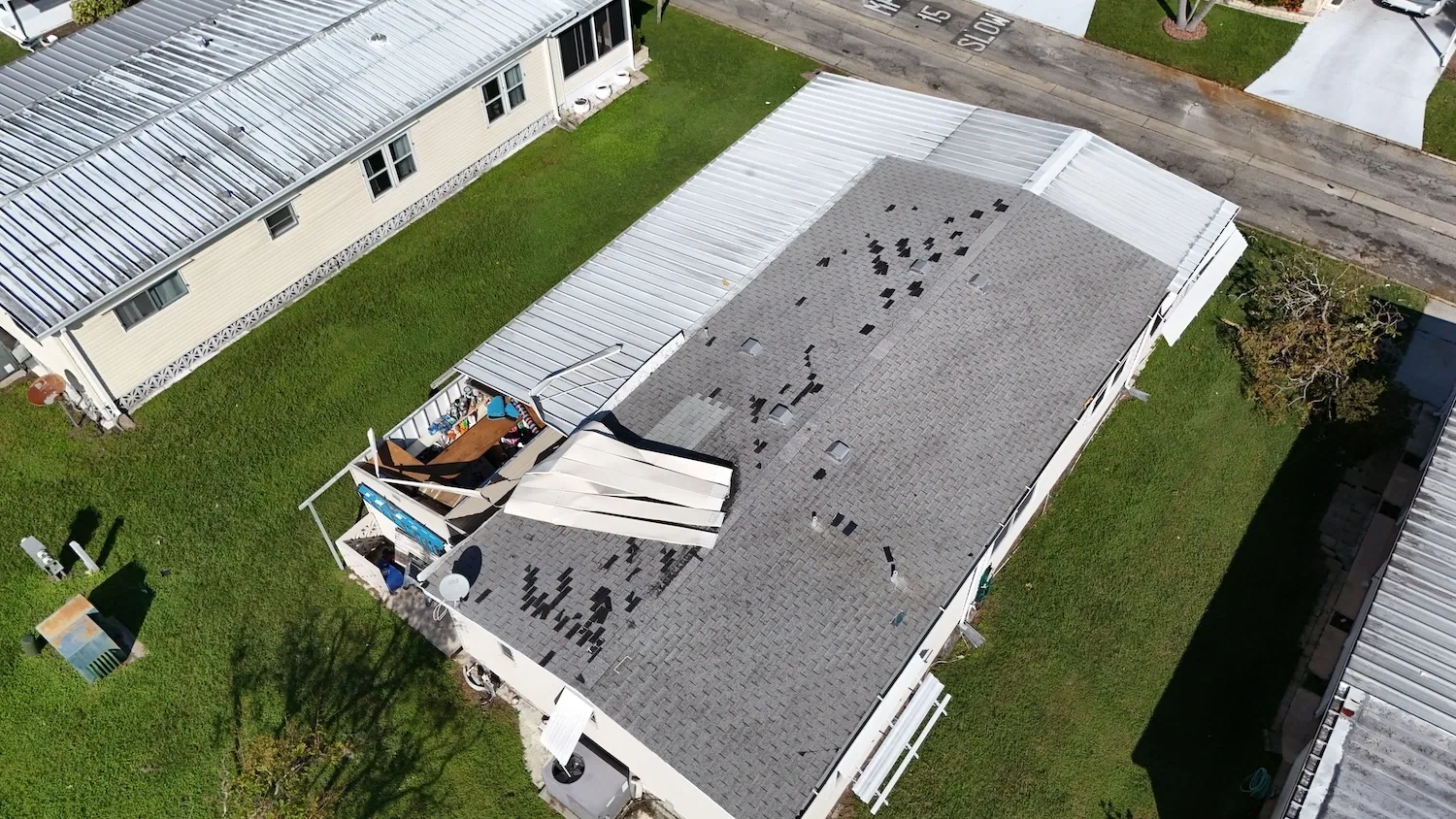
A localized panel or flashing repair can address an isolated defect when the adjoining seams, clips and supporting surface remain serviceable. Widespread corrosion, repeated leaks, loose attachment or a profile that no longer meets project requirements may call for a broader system review. We inspect both the affected section and its connection to the rest of the roof, then describe the evidence and limits of the proposed work. If damage followed hail, the storm assessment can document exposed areas and relate them to reported water entry.
A reroof must consider existing panel layers, deck, attachment, added load and work access. The general contractor may need to coordinate removal of equipment, interior protection and a planned dry-in sequence. We mark the inspection and closeout window before equipment removal or perimeter work begins, then include completed panel and flashing details in the record.
Service and records: Plan the next inspection
After a repair, the closeout should show the panel area, seam and flashing details addressed, plus any conditions outside the roofing boundary. Photographs help a later inspector locate the same transition without walking the entire surface first. A roof condition report can keep these findings with the building's roof records and planned maintenance items. It captures observed conditions; structural capacity and system design remain decisions for the qualified project professionals.
Maintenance checks for loose trim, displaced closures, damaged coatings, blocked gutters and penetrations added by later trades. A maintenance visit records those changes and identifies a repair or follow-up inspection. A leaking panel or flashing needs a repair matched to the profile and movement at that detail, with any concealed attachment question resolved before a new closure is installed. The first visit records the water entry, protects the affected area and identifies what panel or flashing work must follow.
Share the panel profile if known, leak locations, roof access limits and any planned rooftop equipment work. We can inspect the installed system, discuss what is visible at its seams and set a work sequence with the general contractor. The Bryan roof scope should state which panels or details are included, how water will be controlled at the edge, and what must be confirmed before attachment or removal begins. That gives the following trade a clear handoff instead of leaving the roof connection unresolved.
Frequently Asked Questions
Can standing seam panels be repaired after hail?
Some damage may be localized, but the inspection needs to include seams, panel ends, closures, flashings and the surrounding attachment. We document visible conditions and define whether closer review or replacement should be considered.
Do standing seam panels move with temperature?
Metal movement is part of the system design. Panel length, clip type, fixed points and seam configuration influence how movement is accommodated, so repair details must fit the installed profile and manufacturer requirements.
Can equipment be added to a standing seam roof?
The equipment support and attachment method must be reviewed for the panel system and building design. We coordinate roofing details with the mechanical trade, while structural capacity and equipment design remain with the project's qualified professionals.
Can standing seam roofing work on a low-slope building?
The minimum slope depends on the selected panel system and its published requirements. We identify the roof geometry and review the project documents before a panel profile is proposed for that area.
What roof details matter most after a Bryan storm?
We check panel seams, perimeter edges, penetrations, valleys and reported interior areas, then photograph conditions. The most significant Bryan-College Station hail on April 8, 2021 fell between 9 and 9:30 p.m. We inspect the property’s roof and document findings by component before setting scope.
Review the metal roof details
Share the panel profile, building use, roof concern, fastener or seam concern, site access hours and proposed work window. We can inspect the installed system and set the next roofing task with the general contractor.