Fitness Center Roofing in Bryan, TX
Fitness centers combine active floor space with offices, locker rooms, storage, and mechanical equipment. Roof work must protect those uses while giving the owner a clear view of the assembly's condition. Start with a mapped inspection of each roof section and a record of reported leaks, prior repairs, drainage, and penetrations. In Bryan, a gym roof plan should identify operating hours and access restrictions before recommending repairs or renewal. The property type is broad; each address still requires its own field observations and scope.
Roof areas: separate them by use and assembly
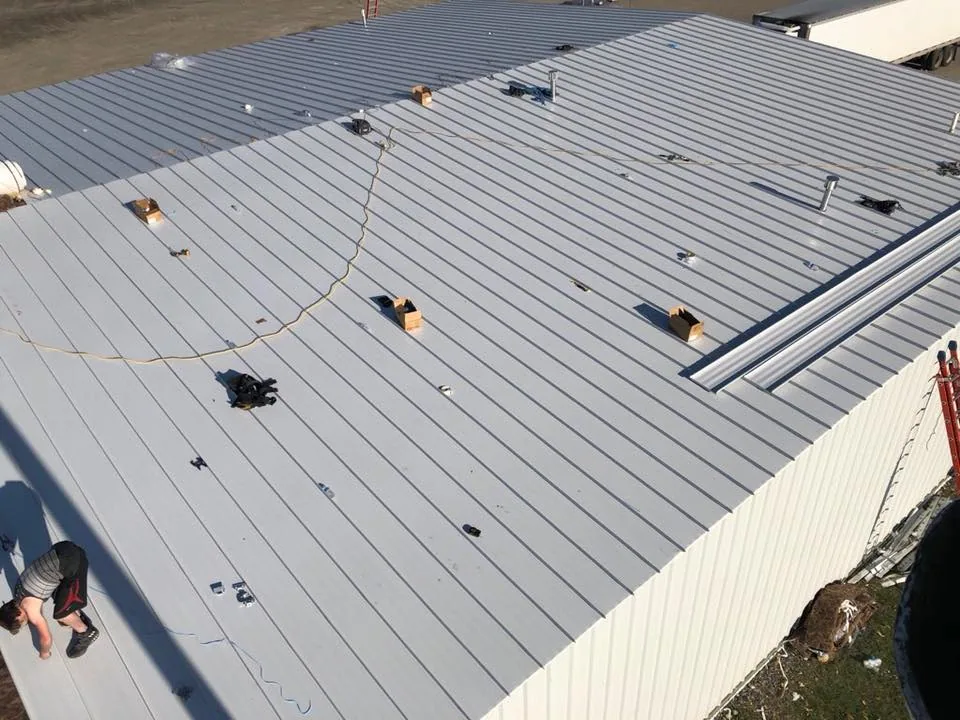
A fitness property may include a large open training area, offices, locker rooms, studio spaces, and service zones. Some buildings have low-slope membrane roofs, while others use metal or mixed assemblies. A commercial roof inspection can document membrane type, seams, flashings, roof edges, drains, skylights, and visible moisture. Mark each area on a roof plan so a later estimate can distinguish conditions by section. Note additions, mechanical replacements, and previous roof work that may have changed the assembly.
Do not treat a facility-wide square-foot estimate as evidence that all sections are alike. Transitions between additions can be frequent leak points, and equipment changes may affect curb or flashing conditions. Record the systems that are visible and label concealed areas as unverified. If a manager reports a leak near a studio or locker room, use that location to guide the field review without assuming the interior symptom marks the roof entry point.
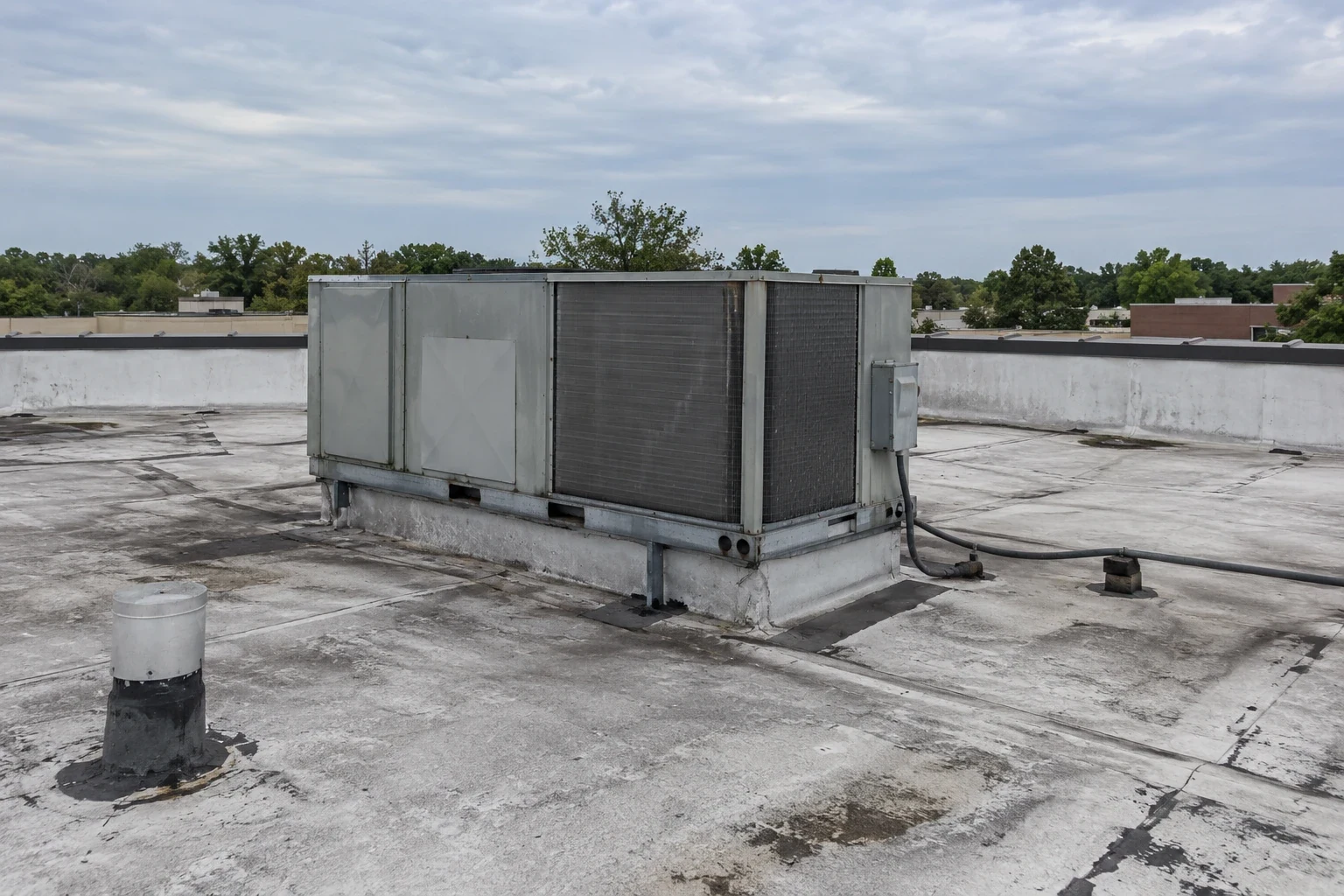
Equipment replacements can alter roof details even if the surrounding membrane is older. Record whether a curb appears changed, whether flashing is continuous, and whether service access has left marks or open seams. Keep roofing observations separate from mechanical diagnostics; the roofer can identify an exterior condition without deciding whether a unit is operating correctly. If a follow-up visit needs an HVAC contractor, note the coordination needed before a repair scope is finalized. This avoids bundling unrelated trades into one unsupported roof recommendation.
Equipment: review exhaust and penetrations
Fitness operations can place ventilation, cooling, exhaust, and other equipment on the roof. The inspection should list each curb or penetration, its flashing, nearby seams, and whether service access could have affected the detail. A curb and equipment-support review can distinguish roof conditions from maintenance access issues. Keep photographs wide enough to show the equipment and its roof context, then add close views of suspect flashing or attachment.
If moisture is suspected beneath a larger area, an instrument-assisted moisture survey may help identify locations for confirmation when weather, construction, and access make the method suitable. Record the test area and limits. Do not describe readings as a confirmed leak source until they have been interpreted with the roof assembly and other observations.
Water reports: trace them and protect occupied space
Record the affected room, date, time, recent weather, and whether the condition recurs during equipment operation. Coordinate access with the facility contact before opening a ceiling or entering a restricted area. A leak assessment should follow plausible paths through seams, walls, drains, curbs, and penetrations. If a drain or scupper inspection is needed, note debris, outlet condition, and adjacent details. Keep emergency protection, completed repair, and unresolved follow-up separate in the work record. Before mobilization, agree on a work window with the facility manager and identify classes, tournaments, deliveries, and cleaning periods that cannot be interrupted. Set a check-in point, confirm which doors and roof ladders are authorized, and keep tools away from member paths. If work changes a route or creates noise, communicate the duration and temporary controls so staff can adjust schedules without confusing a maintenance event with a new leak.
Classes, training sessions, and member access create scheduling constraints. A phased plan can identify the area under work, temporary barriers, safe routes, and daily weather closeout. Explain what facility staff should move or protect and what the contractor will cover. Work zones should be coordinated with opening hours and any high-use periods the owner identifies. The schedule should not imply that the building can remain fully available if access or safety conditions require a closure.
Before mobilization, agree on who authorizes a temporary shutdown, how members are notified, and where deliveries or lift equipment can stage. Set a daily end-of-shift checklist for open roof areas, debris, tools, and temporary seals. If weather changes the sequence, the facility contact should receive a concise update and a revised access plan. Documenting these decisions protects continuity while keeping the roof scope clear about which work is included and what conditions require a change order.
Hail history: review it with current roof evidence
The most significant hail in the Bryan-College Station area during the April 8, 2021 storm fell between 9 and 9:30 p.m., with reported sizes from 1 to 2.75 inches. For a fitness center, use that date to find relevant maintenance records, then compare current seams, edges, equipment details and interior reports with the earlier roof-section photographs. Keep each observation tied to the building and zone inspected so a manager can distinguish a current finding from an older repair.
If a claim or warranty question follows, distinguish direct observations from interpretations that require additional examination. The owner should retain dated photographs, invoices, and follow-up notes. Avoid promising insurance coverage or a particular outcome. A roofer can document accessible conditions and identify open questions; the insurer or warranty provider determines its own review process.
Options: compare repair, restoration, and replacement
A localized flashing or seam problem may be a repair candidate if the surrounding assembly is sound. Repeated leaks, broad moisture, poor attachment, or deck concerns can change the recommendation. Compare repair with a compatible restoration option or a replacement scope that describes removal, insulation, drainage, edges, and access. A recover requires its own assessment of the existing assembly and deck. Each option should state its work area, preparation, exclusions, disruption, and conditions that could change the estimate.
Owners can phase work by roof section when the assembly and logistics support that sequence. Keep the operating calendar, equipment access, temporary protection, and cleanup in view. A maintenance program can preserve a dated history of seams, drains, repairs, and unresolved items between capital projects. Member traffic at a fitness center resembles the customer flow at a shopping center and the scheduled occupancy of a college building, yet the center's own access plan and roof inspection set the scope.
Frequently Asked Questions
What should a fitness center roof inspection cover?
Record roof assemblies, seams, flashings, edges, drains, equipment curbs, skylights, visible moisture, access limits, and prior repairs. Mark each observation by roof section.
Can roof work be scheduled around classes and member access?
A phased scope can set work zones, safe routes, temporary protection, and daily closeout around operating hours. The owner should identify restricted times and access needs before work is scheduled.
Can those historical hail sizes determine what this fitness-center roof needs?
No. We inspect the property's roof surface and details for impact before setting a repair scope. A current inspection should document visible conditions and compare them with dated records.
When should a manager compare restoration and replacement?
Compare options when defects recur or moisture, attachment, or deck concerns extend beyond one detail. The recommendation should describe evidence, work limits, disruption, and unresolved tests.
Local access: coordinate it with records
Lake Walk, a master-planned corporate and town-center development in southwest Bryan with dining, hospitality and retail uses, and Downtown Bryan, with its restaurants, shops and galleries, each carry different access patterns. For any gym in Bryan, the service address and facility contact set the visit plan. Bryan's development-services permitting portal supports online applications, inspection scheduling, and inspection results. Confirm current requirements for the project and jurisdiction. A Bryan commercial roofing review can help organize access, inspection notes, and next steps for the property.
Plan a Bryan fitness-center roof review
Share roof plans, leak records, equipment locations, operating hours, and access rules to define an inspection scope that fits the facility.