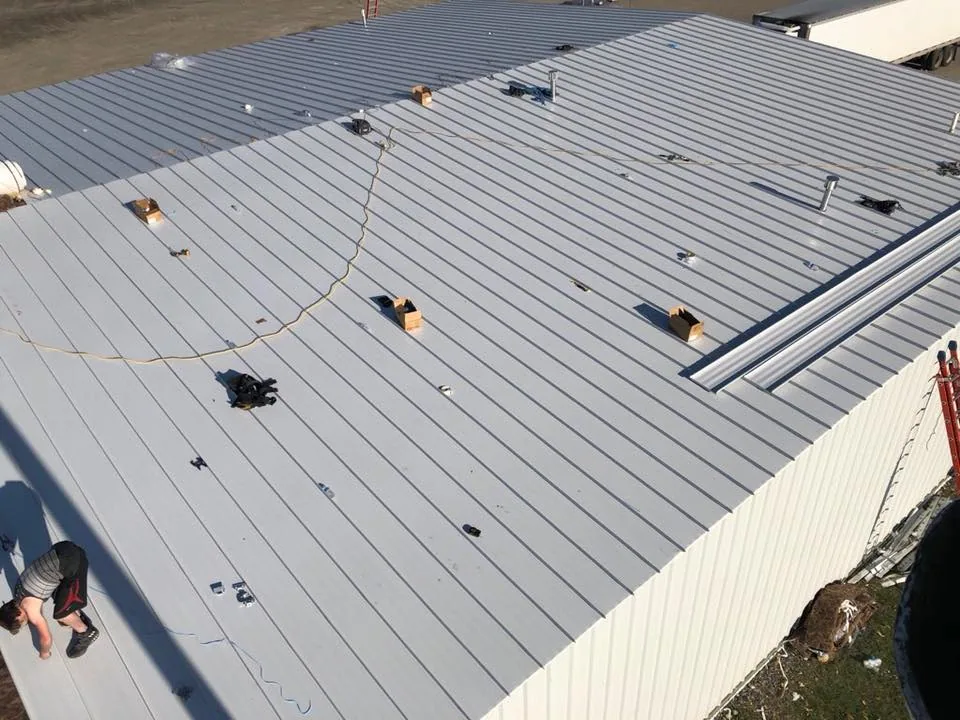
Commercial Roofing Coordination for General Contractors in Bryan, TX
Before ceiling closeout, the general contractor needs a roof-side inspection that marks any opening before the next interior trade seals it. On April 8, 2021, the strongest hail in the Bryan-College Station area fell between 9 and 9:30 p.m., with reports from 1 to 2.75 inches. A roof may look ready for interior work while seams, flashings or cover board still need inspection, so the first handoff should follow observed conditions. We document the roof, define the repair boundary and identify the work window needed to keep the building dry.
For a commercial roofing project in Bryan, the general contractor needs scopes that connect a roof opening to the rest of the job. Bryan Business Park is a local commercial business area; the property contact confirms delivery paths, roof access and staging limits before mobilization. We coordinate with the superintendent, owner representative and other trades so the roofing sequence has a clear start, dry-in point and closeout record.
Bid scope: build it from roof conditions
A useful bid names the assembly, affected area, access assumptions, repair or removal method, tie-ins and closeout checks. We compare roof-walk findings with drawings, leak reports and prior repairs. The proposal states what remains concealed and how it will be checked before quantities change.
For storm work, separate damage from wear and maintenance. Mark seams, penetrations and drains on the roof plan, and connect each task to a photo. Keep temporary protection separate from permanent repair. Assign who verifies dryness before ceilings close. A commercial roof inspection can establish the roof-side record for that decision.
Price options only when conditions support them. Local repair may fit sound adjacent material; broader deterioration or repeated failures can shift the decision to recover or replacement. Compare removal, insulation, drainage, perimeter work and dry-in, then review the commercial roof replacement scope against structural limits and schedule.
Drawings and bid packages often leave site conditions open. Verify roof dimensions, equipment curbs, penetrations, edge metal, drain locations and changes in deck or insulation. Identify who moves stored materials or equipment and whether other trades need roof access before the work area is cleared. If a general contractor is coordinating school work, roof access and occupied schedules can require an agreed school roof sequence that keeps the work boundary clear.
Work window: set it with the dry-in handoff
At Bryan Business Park, confirm the approved material route and roof access with the building contact before setting the work window. Carry that information into the daily sequence so the roofing crew and following trades can reach the opening without blocking the site's active routes.
Divide the roof into sections that can be opened and dried in during the shift. State where tear-off stops, what materials are ready, how protection will be secured and who can approve added work. If weather changes the sequence, identify interior areas needing protection and the return plan. For the superintendent’s daily log, note the weather hold point, who releases each section and which areas remain intentionally unopened.
Mechanical, electrical and plumbing trades often need curbs, supports or penetrations finished before the membrane can be closed. Assign the order for each connection, confirm the curb height and flashing detail, and avoid leaving an unprotected roof opening between shifts. Where the building remains in use, a phased occupied-building reroofing plan can define work zones, noise periods and tenant or operations notifications.
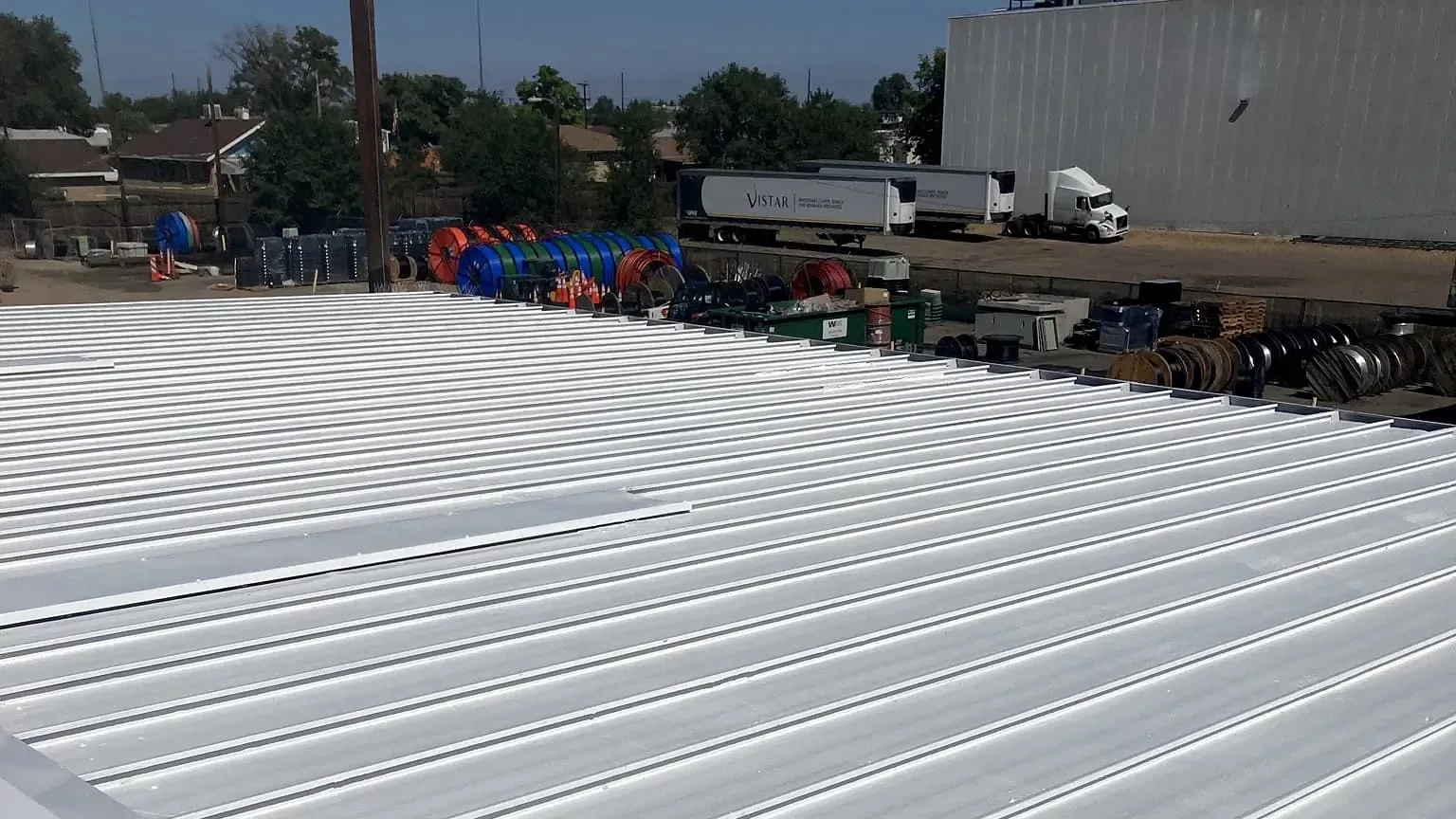
Weather recovery: separate it from permanent work
After hail or tornado damage, an immediate dry-in and a lasting repair are different tasks. First inspect for displaced edge metal, open seams, punctures, lifted flashing, damaged penetrations and water entry. Temporary covering should be located, photographed and assigned for removal or replacement so it does not become an untracked layer in the permanent scope. A commercial emergency roof response can protect an active opening while the repair boundary is documented.
A ceiling stain is not a roof repair measurement because water can travel above insulation. Compare interior reports with roof conditions, note concealed areas and decide whether testing will change the scope. Keep roof findings separate from interior restoration quantities.
When wind or hail conditions affect a broad roof section, map the findings rather than assuming every nearby panel or membrane area needs replacement. Document the date and observed conditions, then compare them with maintenance and repair records. A hail damage roof assessment can distinguish impact-related conditions from ordinary aging and prior repairs for the project file.
Build a return-to-work sequence with the superintendent: temporary protection, inspection, authorized repair, dry-in verification, then interior closure. If a repair opens insulation or deck, agree on who records concealed conditions and approves added work before the area is closed. This keeps the roofing and restoration scopes connected without making one trade responsible for another’s quantities.
Permit and closeout: carry the requirements into the schedule
For a roof-finish replacement inside Bryan, the roofing contractor obtains the permit and schedules the required final inspection. Put both milestones in the bid schedule and assign responsibility for submittal and closeout records. A repair is not automatically a finish replacement; describe the scope accurately and confirm requirements if it changes.
Record roof sections, assembly changes, seam and edge photos, work outside the contract, concealed conditions and approved changes. This gives the building representative a clear list of completed roofing and open items.
Bryan’s development-services portal accepts applications and provides inspection scheduling and results. Set the inspection milestone with roofing completion and leave time for corrections. Confirm roof and interior access before the visit.
For manufacturing and distribution projects, coordinate the roofing scope and delivery windows against actual conditions and access.
Next task: give the roofing crew a clear one
Share the roof plan, building use, leak locations, current assembly and work window. Identify areas that can open, who approves concealed changes and which trades need roof access. We can arrange a Bryan walk and agree on the next task.
Set the first task clearly. Repair scopes name defects and tie-ins; replacement scopes show removal, new layers and dry-in; storm records separate protection from permanent work. Confirm access, staging, stop conditions and who receives closeout photos.
When a roof includes manufacturing or distribution operations, staging and deliveries can change from one day to the next. Keep a current contact list for the superintendent, building representative and trade leads, and note schedule changes before materials are lifted. That small coordination step helps the roof stay protected while the work moves through its next handoff.

Frequently Asked Questions
What should a general contractor include in a commercial roofing bid request?
Provide roof plans, building use, known leaks, prior repairs, access limits and schedule milestones. We inspect the assembly and identify the repair or replacement boundary, assumptions and concealed conditions that could change the work.
How should roofing fit around mechanical and interior trades?
Set the order for curbs, penetrations, roof openings and dry-in before mobilization. Identify who can approve changes and which interior areas need protection before ceilings are closed.
Can roofing work proceed while a building is operating?
Often, with agreed work zones, access routes, noise periods and a daily dry-in plan. Delivery activity, equipment and occupancy determine how the crew divides the roof into sections.
Does every storm-related roof issue require replacement?
No. Inspection should separate localized damage from broader deterioration, wet insulation and prior conditions. The proposal can compare repair, restoration or replacement when the roof supports those options.
What Bryan permit steps affect roof replacement scheduling?
For roof-finish replacement in Bryan, the roofer secures the permit and arranges the final inspection. Carry both steps into the schedule and closeout record.
Set the roofing handoff
Send the roof plan, building use, leak locations, current assembly and proposed work window. We can arrange a Bryan walk, mark the opening and dry-in boundary, and agree on the next roofing task with the superintendent.