Commercial Roof Edge Metal, Coping and Gutter Repair in Bryan, TX
Roof edge metal carries wind exposure and directs water away from the wall. In Bryan, an edge inspection checks how the metal is attached, where a joint has opened and whether water has reached the wall or roof layers beneath it. We inspect coping joints, cleats, fascia, gutters and membrane terminations, then define the metal and roofing work needed to restore the connection.
A loose coping section above an occupied space or an open gutter seam can affect both the roof and the building below. We identify safe access, the length of affected edge and how removal could expose the assembly. Bryan’s commercial mix includes industrial park operations and Downtown businesses, so staging and public or loading access are part of the work plan. Before metal is removed, the contact confirms the protected area below and the temporary closure needed at the exposed roof edge.
Attachment: Check cleats, fasteners and movement
We examine the coping cap, cleats, splice plates, fasteners and substrate at accessible locations. Movement, separation or distortion can show that the edge detail needs more than surface sealant. The repair depends on how the metal was attached and whether the underlying nailer or wall assembly remains sound. A wind damage assessment records displaced components and connects the edge condition to the adjacent membrane termination.
Metal expansion joints and corners need room to move while maintaining a continuous weather barrier. We inspect joints for loose plates, failed sealant and openings at intersections, then establish whether a section can be reset or needs replacement. If removal exposes deteriorated wood, masonry or blocking, that condition is documented and coordinated before new metal is installed. The repair boundary follows the stable support, not a convenient panel seam that would leave a weak connection.
Membrane transition: Keep the roof and edge connected
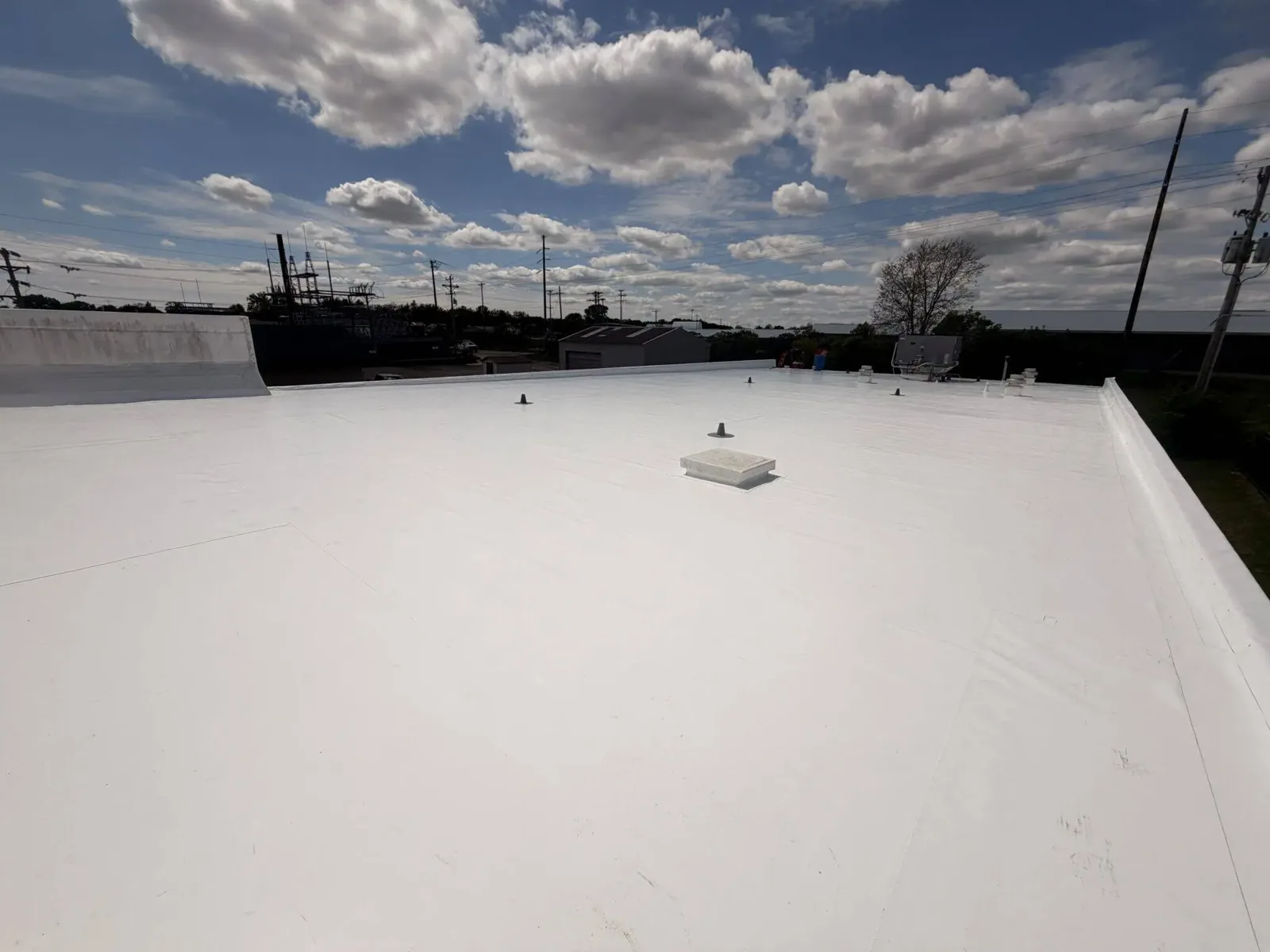
A perimeter repair must restore both the metal and the membrane termination beneath it. We check whether the membrane is secure at the edge, whether a cover strip or termination bar is intact and whether water can reach an unprotected seam. A roof repair scope identifies membrane preparation, attachment and metal work as coordinated tasks so neither trade leaves an open transition.
When the roof system changes at an addition or parapet, the transition can contain several materials and attachment methods. We identify the installed membrane before selecting compatible repair components. Loose metal is removed carefully to avoid tearing sound roof material, and any opening is temporarily protected if the permanent detail cannot be completed in one work window. Closeout photos document the restored edge and the area where the new work ties into the existing assembly.
Gutters: Follow runoff beyond the roof edge
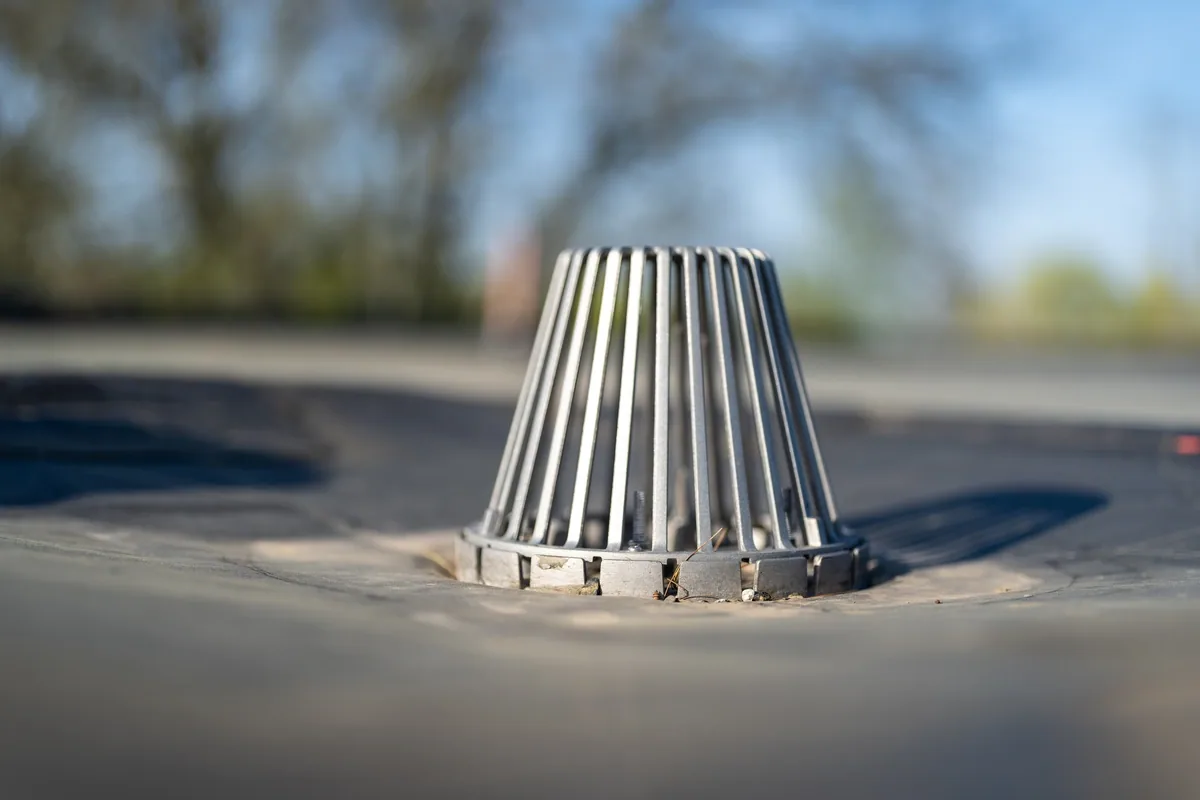
A gutter that pulls away, leaks at a joint or holds debris can send water against the fascia or wall. We inspect hangers, seams, outlets and visible slope, then distinguish gutter work from roof membrane or downspout service. Where an edge detail contributes to the leak, we address the connection as part of the scope. The drainage path is reviewed from roof surface to outlet so the repair does not move water into another vulnerable area.
Gutter capacity and downstream piping can affect performance, but roofing observations do not substitute for a plumbing assessment. We note where water spills or backs up and recommend the appropriate trade when a below-grade or concealed line may be restricted. Leaves and loose debris can be cleared from accessible areas where safe. A repaired joint is checked for alignment and attachment, with the discharge route left open and the maintenance needs stated in the closeout.
Work window: Stage edge work safely
Within Bryan Business Park, perimeter work needs a property-specific access arrangement, including any space shared with neighboring businesses. We coordinate lift placement, exclusion areas and material staging with the building contact. For Downtown Bryan shops and restaurants, pedestrian entrances and operating hours can shape the work window. The metal scope identifies which side of the building is affected and what protection is needed below.
Wind and heat conditions affect lifting and fastening metal, while rain can expose the assembly during removal. We plan the sequence so only a manageable section is opened at a time and temporary protection is ready before the first panel comes off. The general contractor receives the access and trade handoff. If a scheduled HVAC or facade task touches the same edge, we coordinate the order before installing a finished coping or gutter section.
Weather inspection: Look for changes after storms
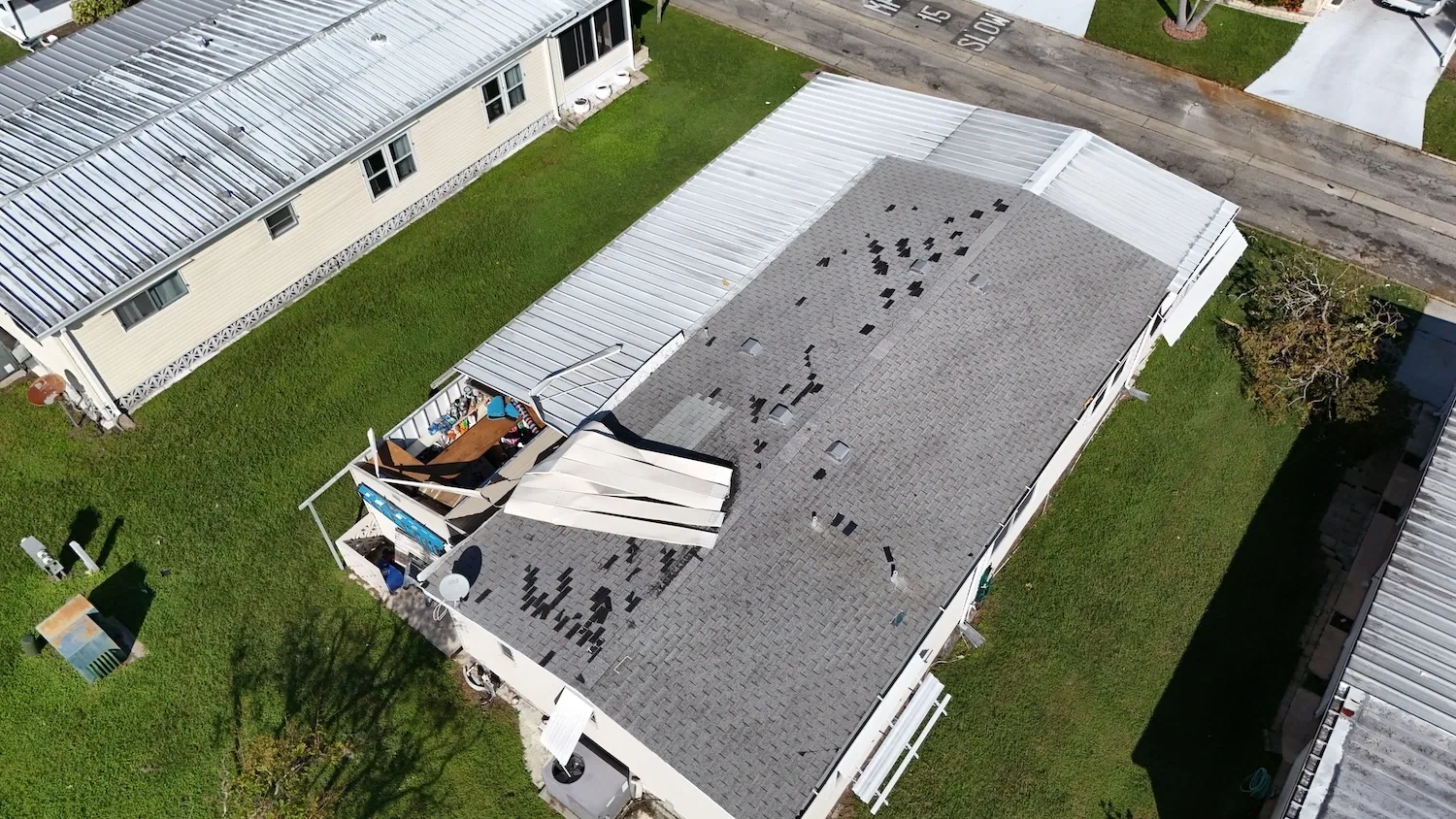
After severe weather, we inspect accessible coping, fascia and gutters for displacement, impact marks, open joints and detached sections. A tornado touched down east of Bryan in Brazos County in 2019, followed two years later by significant hail across the Bryan-College Station area. We inspect the coping, fascia and gutter at the building, then set the repair boundary around the condition found.
Photographs compare the damaged edge with adjacent sections and help define a repair quantity. We note whether water entry is active and whether the interior or wall assembly needs separate evaluation. Storm-related roofing work can include temporary stabilization and permanent edge reconstruction, with each step identified. If finish replacement is part of the project within Bryan city limits, the contractor obtains the required building permit and schedules the final inspection.
Frequently Asked Questions
Can you reseal coping without removing it?
That depends on attachment, movement and the condition beneath the cap. We inspect the joint and support first, because surface sealant will not restore loose cleats or damaged substrate.
Do gutters belong in the roof repair scope?
Roof edge and gutter connections can be coordinated in one project, but downstream plumbing or concealed drainage may require another trade. We define each boundary in the scope.
What if wind has lifted only one coping section?
We inspect the section, adjoining joints and support to find a stable repair boundary. The scope can remain localized when adjacent attachment and membrane termination are sound.
How are building operations protected during metal work?
We coordinate lift placement, delivery paths, pedestrian or loading zones and interior protection with the building contact before removing a section.
Does Bryan require a permit for edge-metal replacement?
Bryan’s guidance requires a building permit obtained by the roofing contractor and final inspection for replacement of roof finishes within city limits. We confirm the applicable requirements when defining the project scope.
Closeout: Record the edge repair and water route
The repair record describes metal profile, attachment, substrate findings, membrane transition and gutter or discharge work performed. It identifies any sections left for later repair and any non-roof trade needed to complete the water path. Photographs show the joint, corner and termination after work. This gives facility staff an actionable reference for future inspections instead of an undifferentiated note that the perimeter was sealed.
A maintenance plan can include periodic checks of coping joints, exposed fasteners and gutter outlets, especially after wind or hail. The next visit follows the roof’s actual edge details and operating conditions. Before we close the work area, we remove loose metal and debris, confirm the specified attachment and tell the building contact what should remain accessible for cleaning or follow-up. Metal roof transitions need compatible attachment and movement details where the field meets an edge.
A metal replacement is measured and staged with the field termination in mind. We check corner returns, splice locations and the direction water sheds from each joint, then confirm the new work meets stable attachment. If adjacent siding or facade work is planned, the general contractor receives the interface requirements before the cap is closed. That avoids returning later to reopen a finished edge for another trade.
Show us the loose edge or leaking gutter
Tell us which side of the building is affected, whether water is entering and what access is available. We can inspect the connection and plan the metal work.