Commercial Cool Roof Installation in Bryan, TX
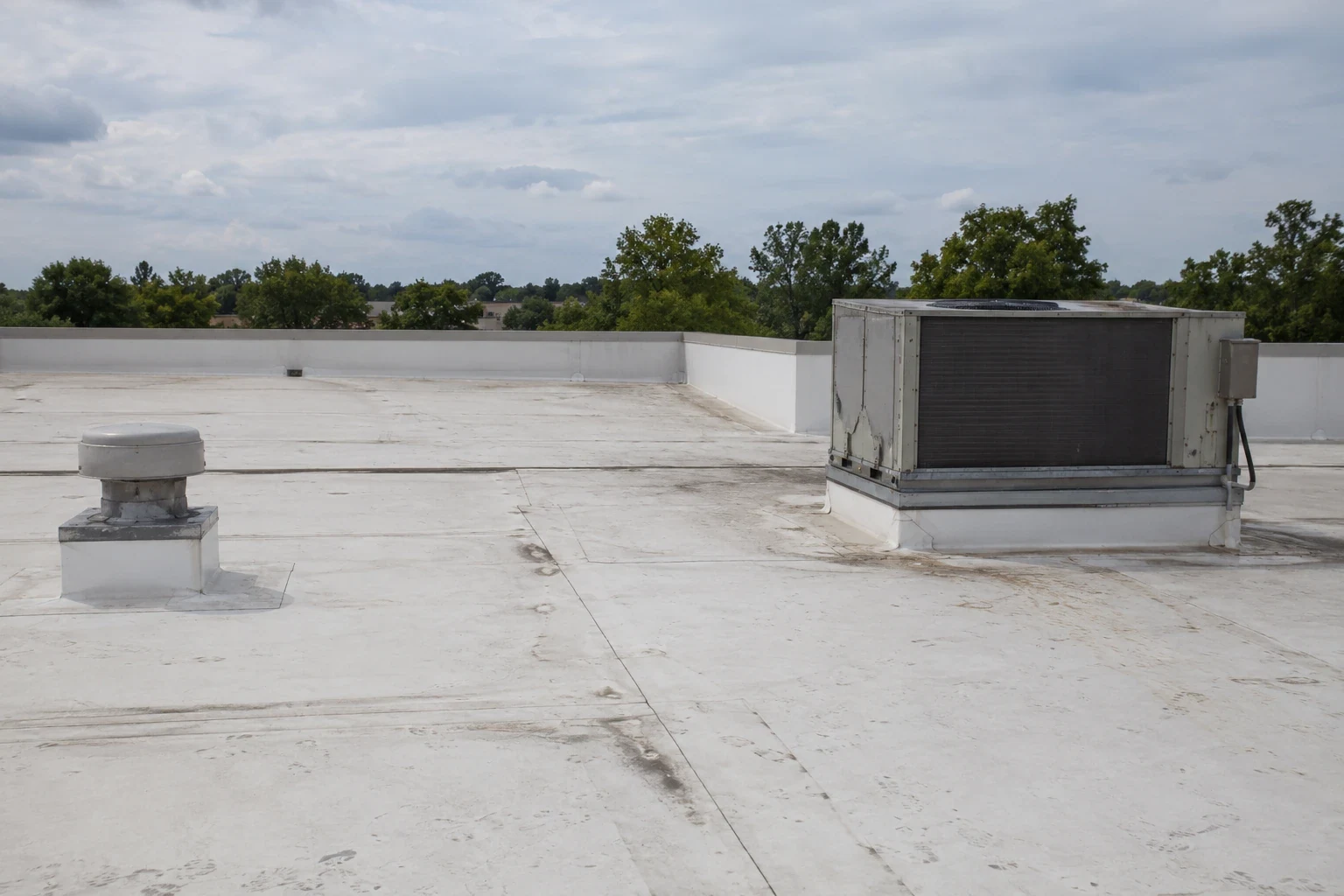
College Station's 2023 temperature record includes two 112-degree days, August 20 and August 27. That heat exposure makes the existing assembly, insulation, drainage and moisture checks important before a reflective roof finish is selected. A cool-roof project starts with the existing assembly, drainage, insulation and exposure, then identifies a compatible reflective membrane or coating system. The expected indoor effect depends on insulation, ventilation, roof assembly, building operation and the selected product; the scope identifies the proposed system and roof area instead of predicting a temperature or energy result. The installation plan defines preparation, transitions and access before mobilization. The region's April 2021 hail event and 2019 tornado history are useful file markers; neither tells us whether a specific roof is ready for a reflective finish. After storm activity, we inspect the membrane, edges, curbs and drains before weighing a reflective finish. Impact or wind damage needs its own repair boundary, so a coating is considered only after the roof condition supports it. Photographs of each section help the property contact compare the proposed reflective area with any repair or replacement scope.
Bryan Business Park is a broad business area, where a reflective-roof project needs access arrangements for the individual property. Before staging, we confirm the loading route, mechanical access and hours with the property contact. We match the reflective assembly to the roof, checking moisture, drainage and surface condition; if those conditions call for repair or replacement first, we define that work before selecting a coating.
Across Bryan, each commercial roof has its own equipment layout and operating schedule, so material selection follows the actual assembly and building conditions. A coating is considered only where the substrate, moisture condition and drainage support it. Any active water entry is investigated before the reflective finish is scheduled, so the coating scope starts with a repaired, serviceable surface.
Surface and assembly: Confirm what can be changed
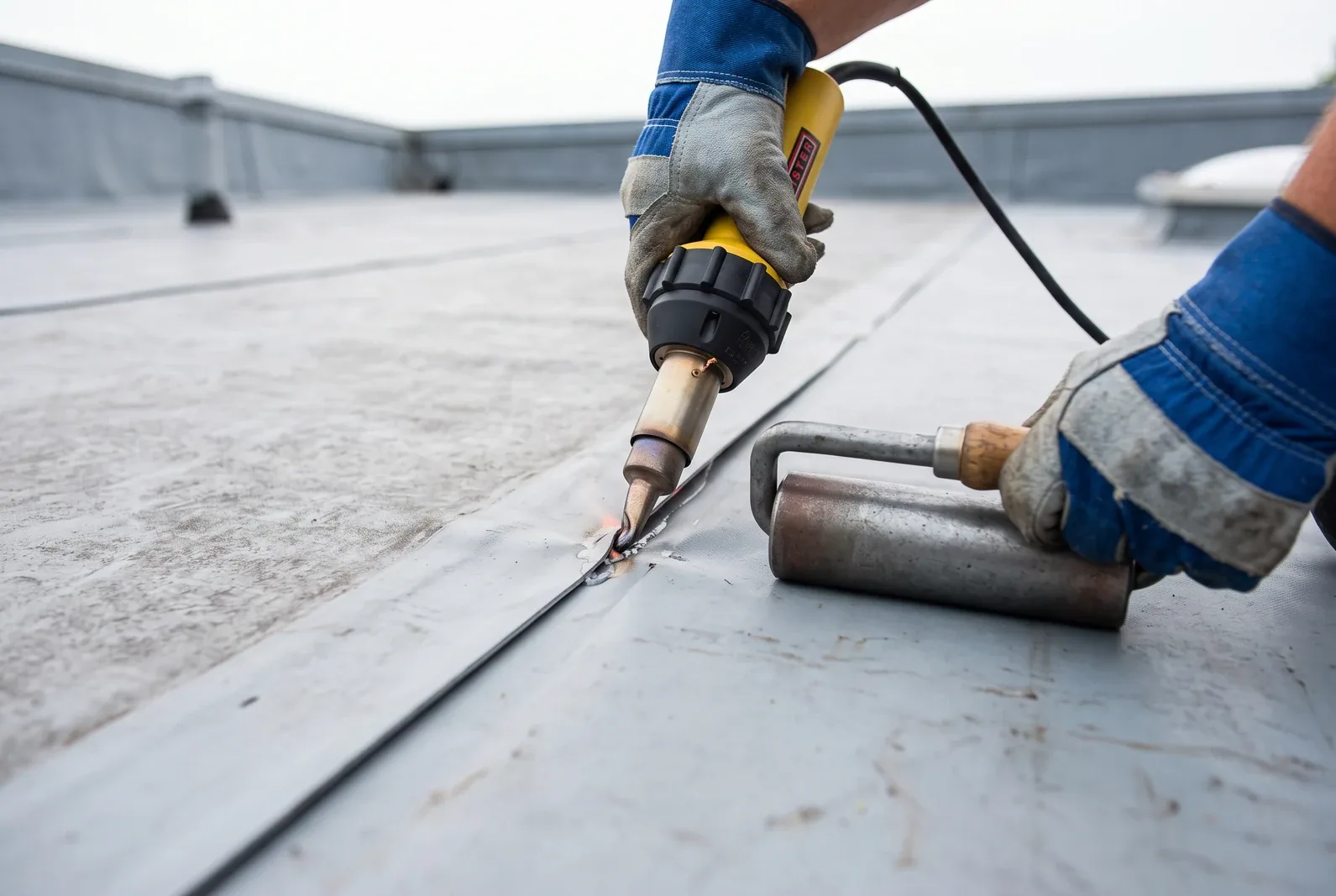
Address wet insulation, failed seams or a weak deck within the repair scope before installing a reflective finish. We inspect the membrane, attachment, flashings and drain paths, then note whether the project is a replacement, recover or coating restoration. The choice of TPO roofing, PVC roofing or a liquid-applied system depends on the existing assembly and project specifications. We verify the product requirements before describing its application.
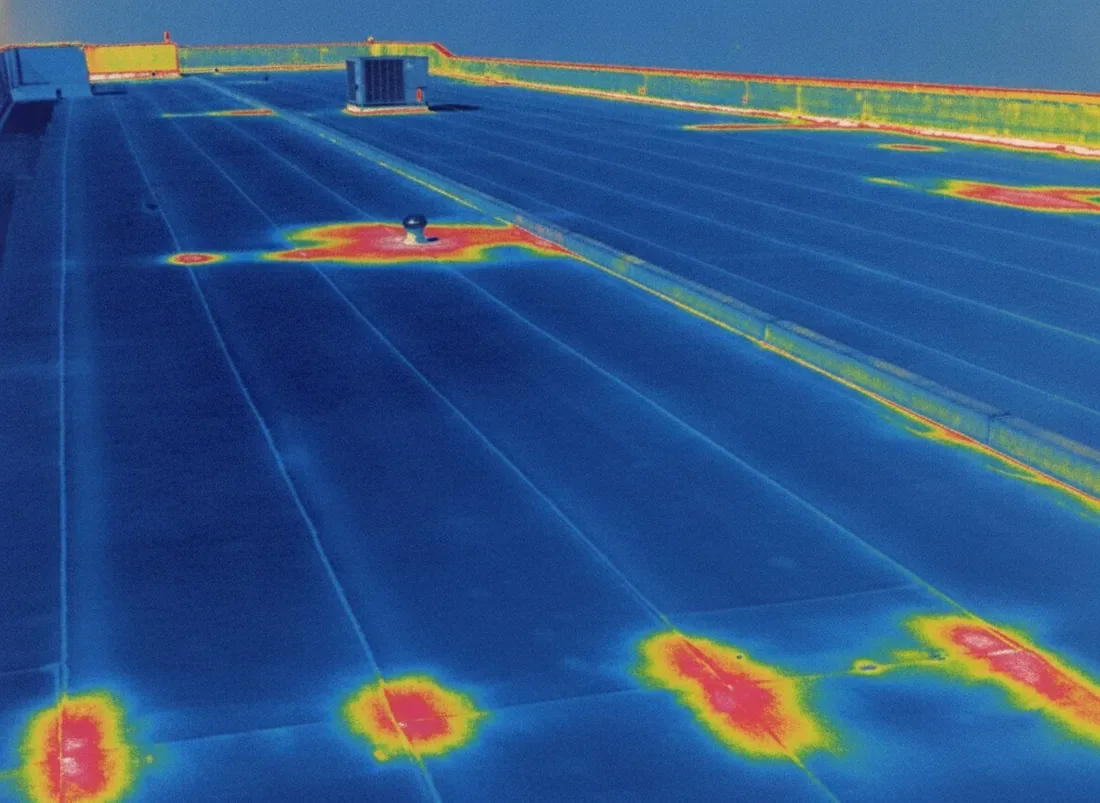
Moisture that remains within the roof must be found and addressed before it is covered. When surface observations leave the assembly uncertain, compare the roof record with targeted moisture or deck assessment before selecting a finish. A moisture survey may assist under suitable conditions, with any findings interpreted against roof construction and other inspection evidence. The scope identifies areas for removal and areas that can remain only when supported by the examination.
Reflective system: Match product to the roof
A cool-roof designation generally concerns how a surface reflects sunlight and releases absorbed heat, but the actual properties belong to the specific product. We match the selected coating or membrane to the existing assembly and follow its published preparation and application requirements. The project scope names the system, required surface work, attachment and cure conditions.
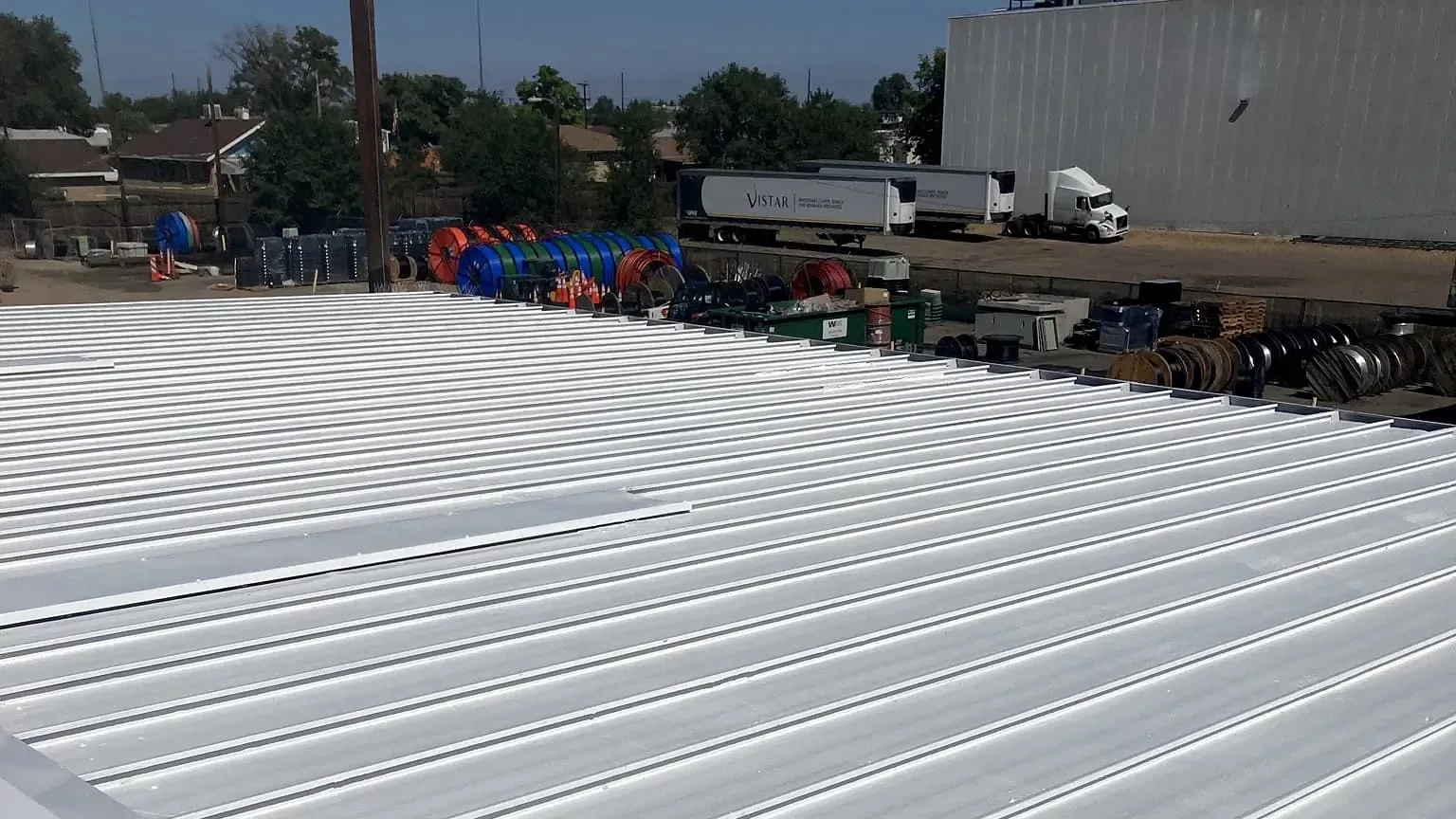
Silicone and acrylic coatings have different product limits and maintenance needs. We examine the roof slope, standing-water conditions, prior coatings and surface contamination before recommending either type. The silicone coating or acrylic coating system must meet the roof manufacturer’s preparation and application instructions. Coating thickness, reinforcement and cure conditions follow the selected system requirements.
The roof assembly must also support safe service after installation. We review the proposed finish at walk pads, equipment routes and exposed transitions, then coordinate protection where later maintenance will bring tools or foot traffic across the field. Those requirements are confirmed against the selected product instructions and site plan. The reflective property is one part of the decision; attachment, repairability and drainage remain part of the roof scope.
Drainage and details: Protect water movement
A bright surface still needs a functioning water path. We check drains, scuppers, transitions and low areas before choosing a system, since ponding can affect coating suitability and maintenance. The scope keeps strainers open and flashing terminations accessible. If a drain or scupper connection is damaged, outlet repair is defined before coating or membrane work closes the area.
Curbs, skylights, parapets and edge metal receive separate detail review. Terminate the finish at sound transitions, and repair loose coping joints or failed boots before coating. We identify whether metal or flashing replacement belongs in the same mobilization. A perimeter metal repair may need to precede the field system so the roofing and sheet-metal work meet at a stable boundary.
Work window: Account for heat and cure conditions
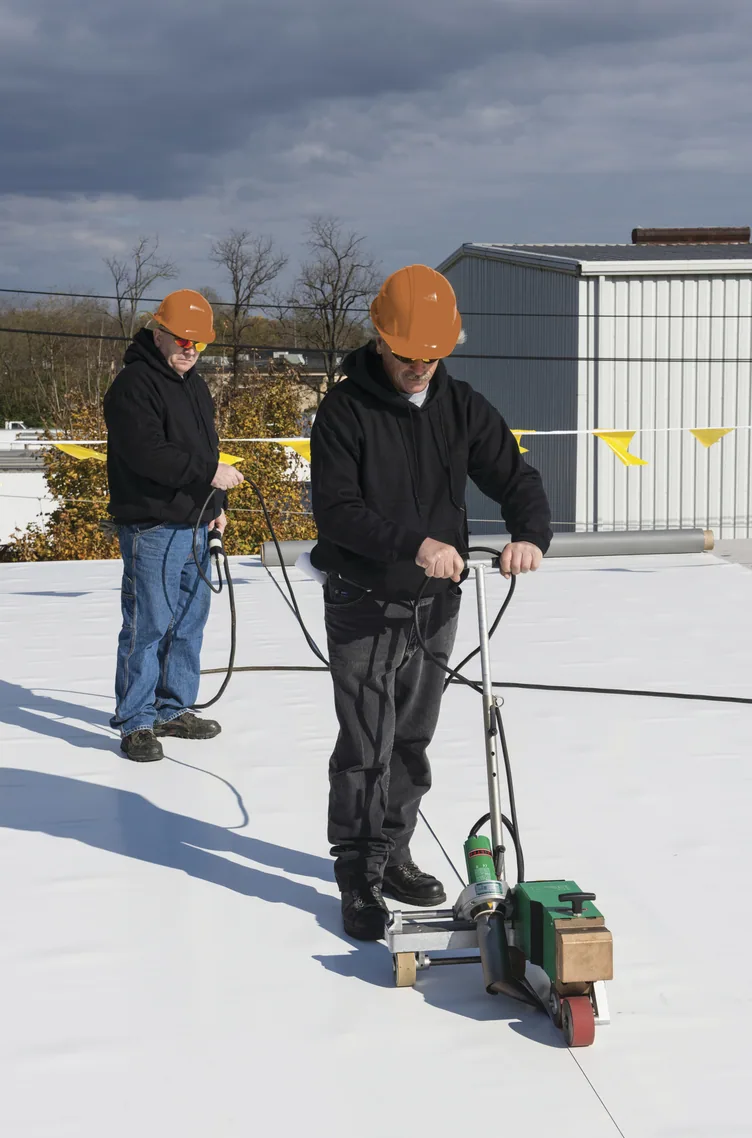
High surface temperatures can change the application window, material handling and worker exposure. We plan staging around product limits and safe roof conditions, and coordinate water, shade or rest arrangements as required by the work plan. The coating or membrane installation proceeds only when the substrate and weather meet the selected system instructions. If conditions change, the crew protects prepared areas and resets the application sequence with the building contact.
We confirm access, ventilation concerns, rooftop equipment and tenant activity at the property before scheduling. Materials are staged to avoid blocking service paths or loading. The building contact receives any temporary limits during application and cure so cleaning, maintenance and mechanical work do not disturb the new surface.
For a Bryan service-area project, we plan application around the individual property's access, occupied areas, work zone, product limits and cure instructions.
Expectations: Separate roof temperature from building performance
Reflective roofing can change the solar behavior of the roof surface, but the interior result also depends on insulation, ventilation, glazing, equipment and operating schedules. We describe the roof system and installation scope without estimating energy savings unsupported by project data. If energy modeling or code analysis is needed, the owner works with the qualified design professional. The roofer’s record covers roof materials, preparation, transitions and closeout observations.
Keep drains, seams, curbs and exposed edges in the regular inspection route after installation. We can include the finished assembly in a roof maintenance plan that records conditions and schedules repairs. After severe weather in the Bryan area, an inspection follows actual roof findings rather than assuming a surface is damaged. Repair, replacement and coating scopes remain distinct so the building team can compare them accurately.
Frequently Asked Questions
Will a cool roof lower the building’s utility bill?
Reflectance affects the roof surface, while utility use also reflects insulation, HVAC, glazing and building schedules. We cannot forecast whole-building energy use from reflectance alone.
Can a reflective coating go over any existing roof?
The existing surface must pass checks for compatibility, moisture, seams, prior coating and drainage. We define preparation and repairs before selecting a product.
Is a coating the same as a cool-roof replacement?
A coating restores a suitable existing surface, while replacement installs a new roof assembly. We inspect the assembly before setting either scope.
How does Bryan heat affect installation?
Application temperature, safe working conditions and the selected product limits set the work window. We schedule and stage against those conditions.
What maintenance does a reflective roof need?
Drains, seams, edges and penetrations still need inspection. We record the installed system and can plan future visits around its product requirements.
Closeout: Document the installed reflective system
The closeout identifies the product type, surface preparation, installation area, repair details, cure restrictions and exclusions. Photographs show transitions and penetrations as well as the field. We retain product and maintenance information for the building contact and record any additional investigation that remains open. The project can be coordinated through a broader roof capital plan when other assemblies also need attention.
Within Bryan city limits, roof-finish replacement requires a permit obtained by the roofing contractor and a final city inspection. We review that path if a coating scope expands to replacement. The next service trade receives access limits and the completed roof boundary. The owner can then judge future work from the actual material and roof condition rather than from an assumed outcome of a reflective surface.
Review the existing roof first
Tell us the current system, leak history and building schedule. We can assess whether a reflective membrane or coating fits the roof.