Home / Service Areas /
Commercial Roofing Along South College Avenue in Bryan, TX
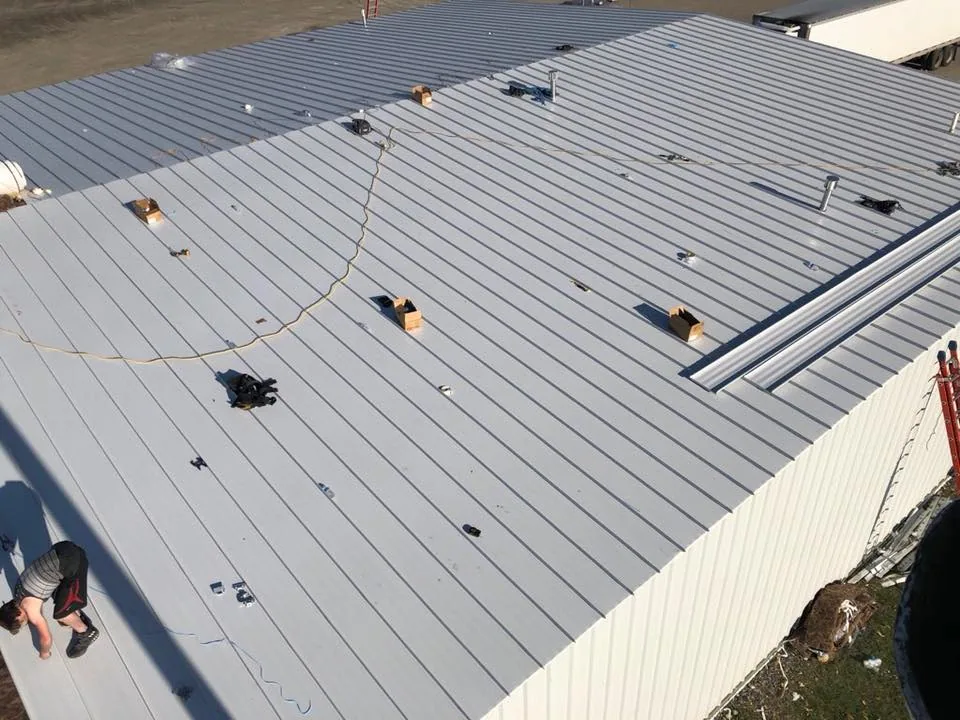
A roofing task along South College Avenue needs a work zone that respects the occupied business below, the public approach and any facade work proceeding beside the roof edge. Along the corridor, the practical first choice is which building needs a field check and what work window can be released without interrupting the business below. Bryan identifies South College and Texas Avenue as revitalization corridors, and the corridor program addresses retail and commercial properties. For roofing, we assess the assembly, condition and work window at the property. We inspect the membrane, edge details, penetrations and drainage at the property itself, then set a repair boundary with the owner or general contractor. A commercial roof inspection records the roof zone and the next task before the crew opens the surface.
Corridor work: Plan for the building in front of you
Commercial properties along a corridor can share traffic patterns while differing in tenant hours, roof access, parapet details and equipment layout. We confirm where a lift or material staging can sit, how deliveries reach the work area and whether customer entrances or service routes need to stay clear. The corridor program supports facade and signage improvements along South College Avenue; those exterior programs are separate from membrane, flashing and drainage work. Our roof scope identifies the actual surface, tie-ins and interior protection instead of assuming that streetscape work includes a roofing repair. For a property connected to Texas Avenue commercial improvements, we still inspect the roof at that address and coordinate the work path with the site contact.
That separation matters when a project has several exterior trades. A facade lift, wall repair or sign change can meet the roof at perimeter metal and flashing, so we record which edges belong in the roofing scope and set the handoff before both crews occupy the same access point. Within Bryan city limits, replacing roof finishes requires the roofing contractor to obtain a building permit and a final inspection. We add those steps to the work sequence where the property falls under that jurisdiction, then keep the permit inspection aligned with the roofing project closeout.
Storm review: Mark evidence by roof zone
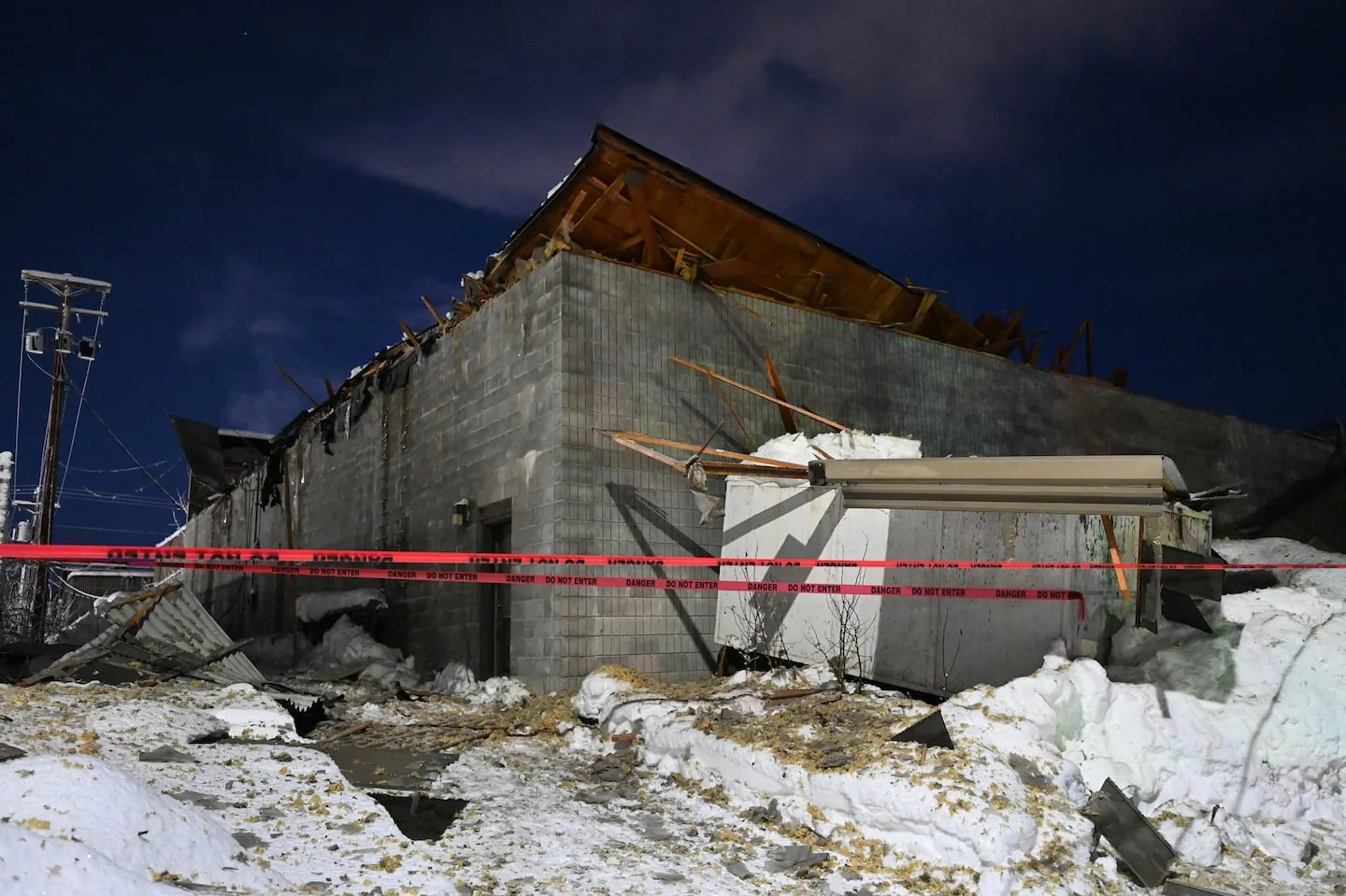
Hail can prompt a closer look at membrane surfaces, metal edges, rooftop equipment and flashing, but one observation does not settle the scope. We photograph each condition and note whether it is consistent with impact, an older repair, foot traffic or a separate detail failure. On April 8, 2021, the Bryan-College Station hail event included sizes from 1 to 2.75 inches, with its most significant activity between 9 and 9:30 p.m. A property walk shows whether its membrane or roof details were affected. A hail damage inspection can separate urgent dry-in from permanent work and create a record for the owner, insurer or general contractor. If a ceiling report appears days later, we connect its location to a roof detail before recommending a patch, section repair or broader replacement.

Water path: Follow the detail before opening the roof
Water at an interior finish may begin at a curb, seam, drain or edge condition farther across the roof. We trace the likely route, check the membrane and flashing, and inspect insulation or substrate where the assembly can be evaluated. Drainage matters because standing water can prolong exposure around a weak seam, while a failed penetration can direct water below an otherwise serviceable field. The repair boundary should state what is confirmed, what must be opened and how the roof will be dried in. Our drain and scupper repairs address the outlet and adjacent membrane together, so a new patch does not leave the water path unresolved. Photos and roof-zone notes keep the repair location clear for later service.
Occupied sequence: Keep access and dry-in together
A roof opening above an occupied commercial property needs a daily limit the crew can close before the work window ends. We agree on the delivery path, access point, areas needing interior protection and trade tie-ins before removing membrane. The plan can move by roof zones, with each section opened, repaired or replaced and made watertight before work shifts. A mechanical curb, sign support or unfinished connection changes the sequence and the crew size needed in that zone. For businesses where customers and deliveries continue below, occupied-building reroofing lays out the roof opening and return-to-service steps with the general contractor. A manager can confirm operating hours, but the field walk determines which roof areas can be completed safely in that window.
Repair options: Match the method to the assembly
A localized flashing or seam failure may call for repair when the surrounding membrane, insulation and attachment remain sound. Broad wear can lead to a recover or replacement review, while coating is only an option on a compatible, prepared and sufficiently dry roof. We check drainage, wet insulation, perimeter conditions and tie-ins before comparing those methods. Price and timing change with tear-off, deck repairs, tapered insulation, edge metal, equipment moves, disposal and access restrictions. For corridor properties near Downtown Bryan, storefront activity can make staging and pedestrian access part of the work plan, but it does not change the roof assembly. Each estimate names its assumptions and repair boundary so an owner can compare the proposed work rather than a generic line item.
Frequently Asked Questions
Does the 2021 hail event mean a South College Avenue roof needs replacement?
No. A regional event does not establish a particular roof’s condition; the roof walk does. We photograph the surface and details, connect interior reports to roof zones, and separate repairable conditions from work that needs further opening or replacement review.
Can a corridor storefront stay open during roof work?
Yes, when access, deliveries, customer routes and the daily roof opening are planned together. We coordinate staging and interior protection with the site contact, then limit the exposed area to the work the crew can close and dry in during the agreed window.
What makes a roof repair estimate change?
The assembly, wet insulation, deck condition, perimeter metal, drainage corrections, equipment access and required dry-in can all change the scope. We identify visible conditions and note what needs confirmation, so the estimate distinguishes a defined repair from an allowance for concealed work.
How do you handle a leak that appears away from the roof problem?
We start with the interior report, inspect the likely roof zone and trace seams, penetrations, drains and flashing between them. Photos connect the observed detail to the repair boundary, which helps prevent a surface patch from being placed only above the ceiling stain.
What should a general contractor coordinate before a reroof starts?
We need the intended work window, access and delivery path, roof openings, equipment tie-ins and any areas needing interior protection. The field walk can then divide the work into zones and define how each area will be dried in and handed back to the next trade.
Handoff: Leave the next trade a dry roof
Before closeout, we record the completed zones, remaining conditions, photos and any roof detail that another trade must finish. A replacement curb or new equipment tie-in needs a clear point where mechanical or electrical work meets the membrane, flashing and dry-in. We coordinate that handoff with the general contractor and confirm the roof surface is ready for the next task. For broader properties near Bryan Business Park, the area context may shape vehicle access and scheduling, while each roof still receives its own condition record. The field team can also document open repairs for follow-up instead of leaving a site contact to infer what was completed. For active water entry, the repair record identifies the protected opening, temporary attachment and next roofing connection that must be restored.
Set a corridor roof work window
Share the Bryan property use, roof concern and proposed work window. We can arrange a roof walk, document the repair boundary and coordinate access, dry-in and the next roofing task with your general contractor.