Hotel Roofing in Bryan, TX
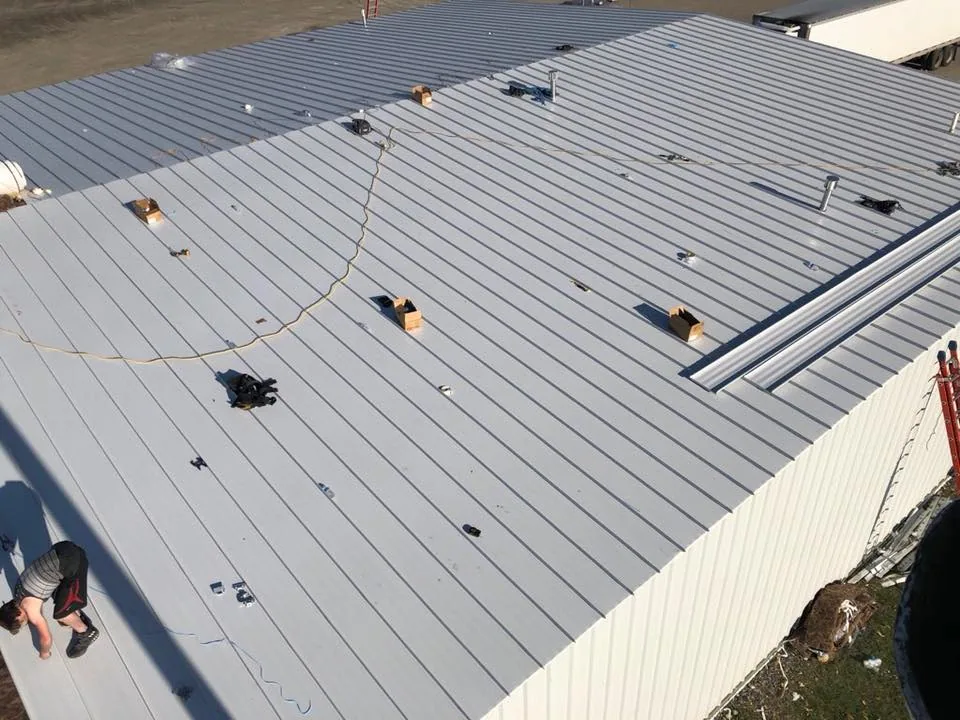
Bryan hail can leave a mark at a rooftop curb while the room below gives no early warning, so a hotel scope starts with the roof zone and the guest area beneath it. The April 8, 2021 storm brought hail as large as 2.75 inches to Bryan-College Station, with the most significant activity from 9 to 9:30 p.m. After a storm call, a hotel roof walk compares rooftop impact with guest-room calls, curb flashing and perimeter metal before the repair list is set. We map seams, flashings and drains, then agree on the dry-in boundary with the general contractor. Hotel access planning follows the individual property, not a guess based on its neighborhood. A roof condition walk gives the team a shared starting record.
Guest routes: Keep the work window contained
Guest circulation, deliveries, kitchens and event spaces may compete with a roof opening for the same access path. Before staging, the superintendent identifies which entrance remains in service, where a lift can stand and how material can reach the roof without crossing a guest queue. We divide removal into sections that can be dried in before the shift ends, with a protected stopping point above each affected area. A phased occupied-building sequence can keep the roofing task aligned with room turnover and the following trade.
The hotel team confirms whether a room or corridor below the work zone needs to be held, protected or checked at closeout. We note the active roof zone, the tie-in completed and who receives the handoff. Downtown Bryan's cultural district includes restaurants, shops and galleries; a roof near active frontage still needs its own approved route and hours. We coordinate the actual property schedule instead of assigning the district's pattern to a particular hotel.
Leak path: Start above the reported room
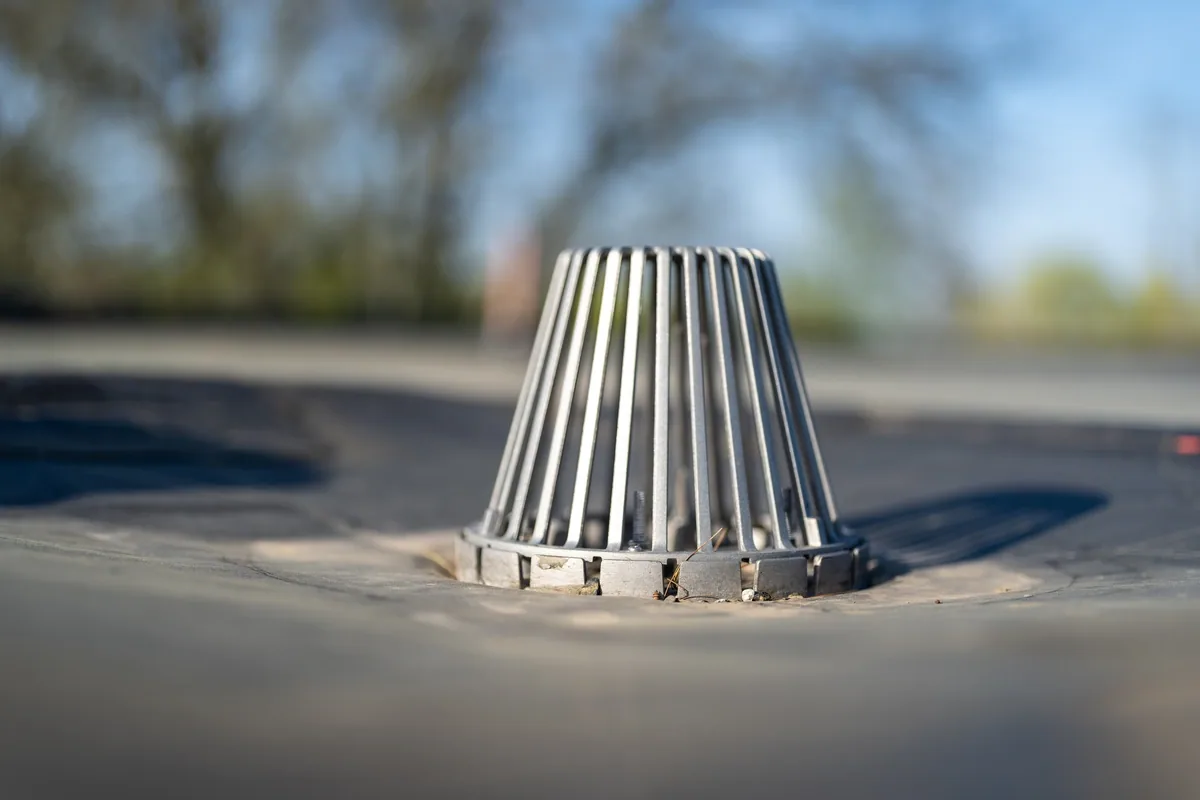
Water can travel along a deck or insulation joint before it appears at a ceiling. We compare the room report with drains, seams, wall transitions, pipe penetrations and rooftop equipment, then mark each observation on a roof sketch. A damp finish does not identify which detail failed. If a test opening is needed, the scope names the location, the layers to inspect and the temporary protection required while the roof is open. A drain and scupper review helps separate a restricted outlet from a membrane defect.
For a reported storm condition, we photograph the affected area, check edge metal and flashing attachment, and separate visible impact from a confirmed breach. The work list states what can be repaired now and what needs another test. That distinction matters when guest rooms, kitchens or meeting areas sit below the same roof zone, because the manager needs a clear response boundary before the room returns to service.
Roof build-up: Compare repair, recover and removal
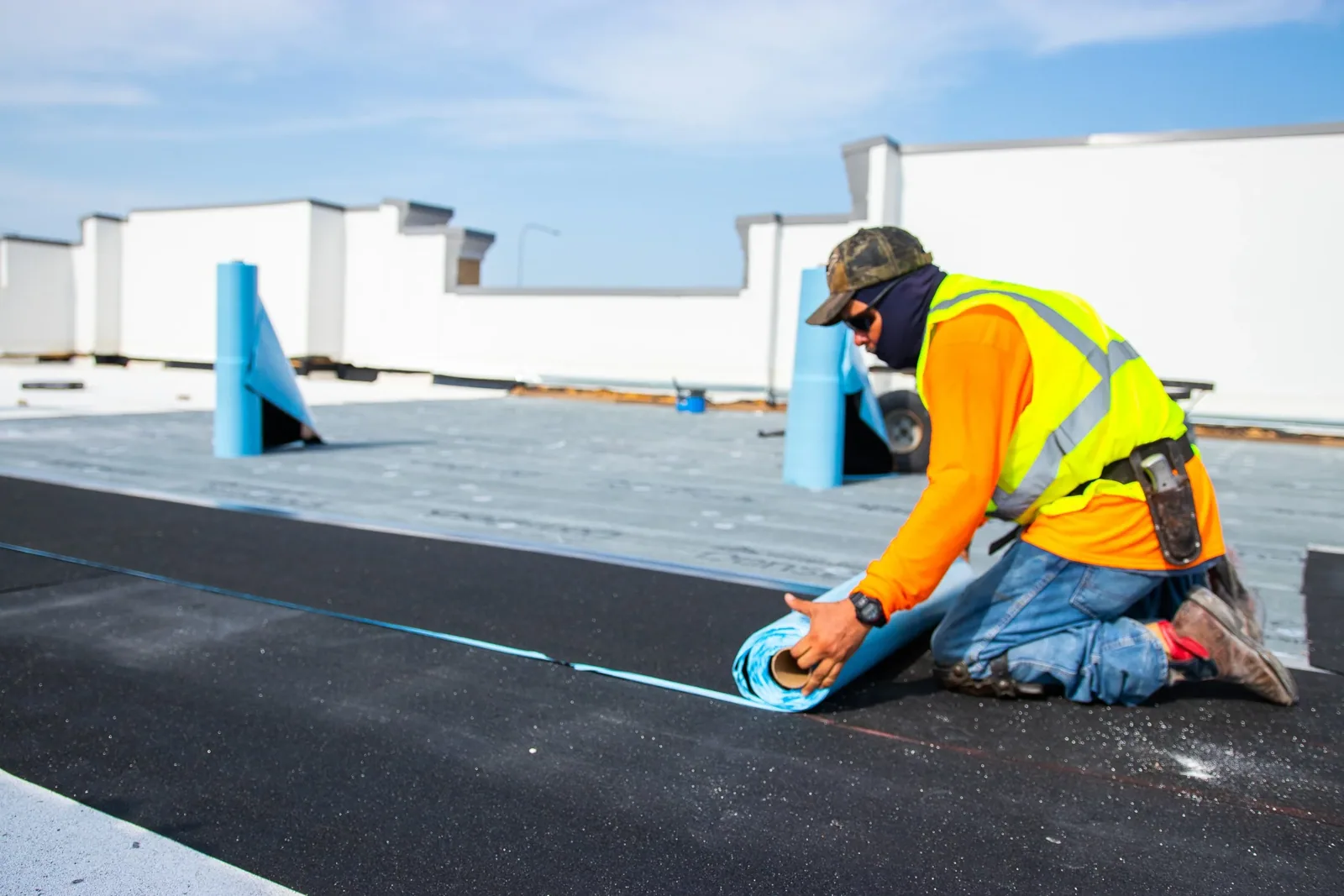
We identify the membrane, cover board, insulation, deck and prior repairs before comparing a patch, recover or replacement. A recover needs sound existing layers, enough edge height and a drainage plan that still works after the added assembly. Wet insulation cannot be treated as a dry substrate, and a new coat does not close a failed seam by itself. A TPO assembly or another compatible system is considered only after the existing roof and tie-ins are known.
Hotels can have separate additions or roof elevations, so one test point should not stand in for every section. We record where the surface changes, which curb or wall transition needs attention and whether a maintenance repair can preserve the surrounding field. If removal exposes a different condition, the general contractor receives the finding and an approval point before that added work proceeds.
When a property combines lodging with apartments, the occupied apartment roof sequence needs its own daily handoff because resident access differs from guest turnover.
Equipment details: Coordinate kitchen and plant curbs
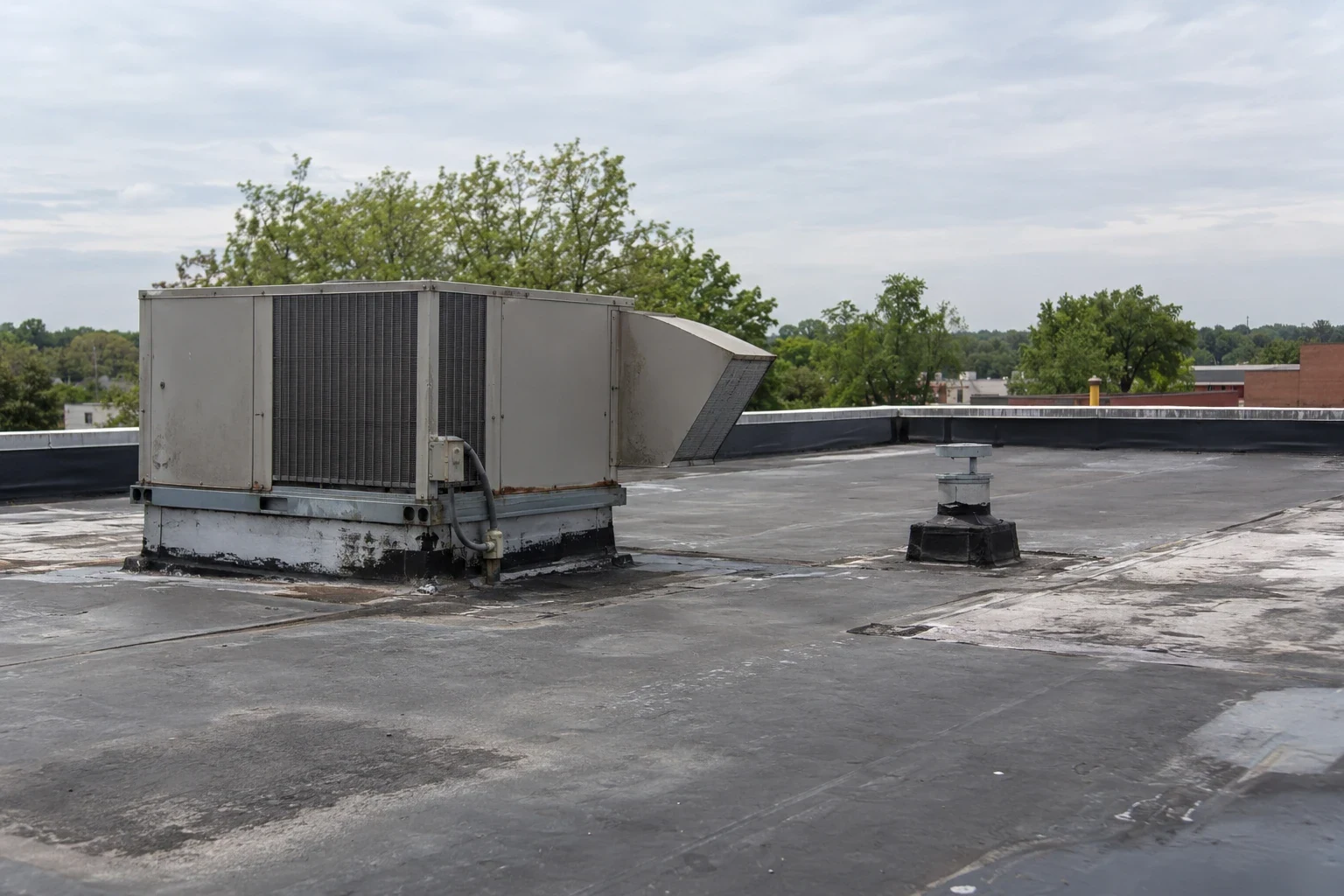
Exhaust fans, refrigeration lines, condensate drains and mechanical curbs interrupt the membrane and need separate flashing checks. Before removal, the mechanical contractor confirms which connections can be released and when equipment can be returned to service. The roofing sequence leaves a complete tie-in at the end of each shift rather than an unfinished curb for the next trade to interpret. A written scope shows the connection, work boundary and person responsible for the handoff.
For an active leak, the property contact confirms current response availability and safe access, and we check whether roof access is safe and agree which guest rooms, corridors or service areas need immediate protection. Temporary cover is set only where conditions allow, with staff told which space should stay clear until permanent repair is assessed. A roof emergency response is followed by a permanent repair boundary based on the inspected detail.
City review: Carry the closeout through inspection
For a roof-finish replacement inside Bryan city limits, the roofer files the building permit and the completed work receives a final inspection. Put that review in the project calendar before room-block and trade dates are set. Bryan accepts online applications and inspection requests and provides inspection results; the closeout record should show each submission and the roof area awaiting review. We tie the permit step to the active roof section rather than to a general hotel turnover date. A photo-backed condition report keeps the before-and-after findings with the approved scope.
Closeout records should identify completed tie-ins, tested areas, deferred items and any condition that changed after tear-off. If several roof sections are phased, the owner can distinguish each stage when the next budget review begins. A hotel roof in Bryan is scoped from the hotel's own building, access plan and permit.
Frequently Asked Questions
Can a hotel stay open during a reroof?
Yes, when the work can be divided into secure roof zones and the manager approves the guest routes and interior protection. We set a dry-in stop for each shift and keep the active area clear of public circulation.
Can the 2021 storm record show whether this hotel roof was damaged?
No. We inspect the hotel roof, mark impact or openings by component and compare a defined repair with broader work only when the assembly findings support it.
What happens when a leak appears below a mechanical curb?
We trace the water path, inspect the curb flashing and adjacent seams, and coordinate release with the mechanical trade if equipment must move. The estimate shows the repair boundary and any test needed before removal.
Which city steps apply to a roof replacement in Bryan?
Within city limits, replacement of roof finishes requires a permit obtained by the roofing contractor and a final inspection. We include both in the work sequence and closeout record.
How should an owner compare two hotel roofing bids?
Compare removal depth, insulation and deck assumptions, curb and perimeter details, guest protection, shift limits and inspection closeout. We separate confirmed quantities from conditions that need approval after an opening.
Estimate: Separate confirmed quantities from allowances
A hotel proposal changes with removal depth, wet insulation, deck repairs, parapet and curb details, lift access and the hours available for noisy work. We separate those drivers and name which inspection finding would change quantity or schedule. If concealed layers could affect scope, the estimate lists the test or allowance and the approval step before expansion. That gives the owner a repair, recover or replacement comparison without treating unknown material as confirmed.
Timing follows material readiness, weather and the area that can be safely secured in one work window. We coordinate with the general contractor around guest routes, kitchen operations and other trades whose equipment crosses the roof. A hospital roof sequence may have different access controls, but the same roof record discipline helps keep the responsible area and next task clear. Share the leak location, building use and proposed work window so we can arrange a roof walk.
Plan a hotel roof walk
Share the leak location, guest-facing area and proposed work window. We will schedule the roof walk around guest areas, loading activity and the building’s approved access hours.