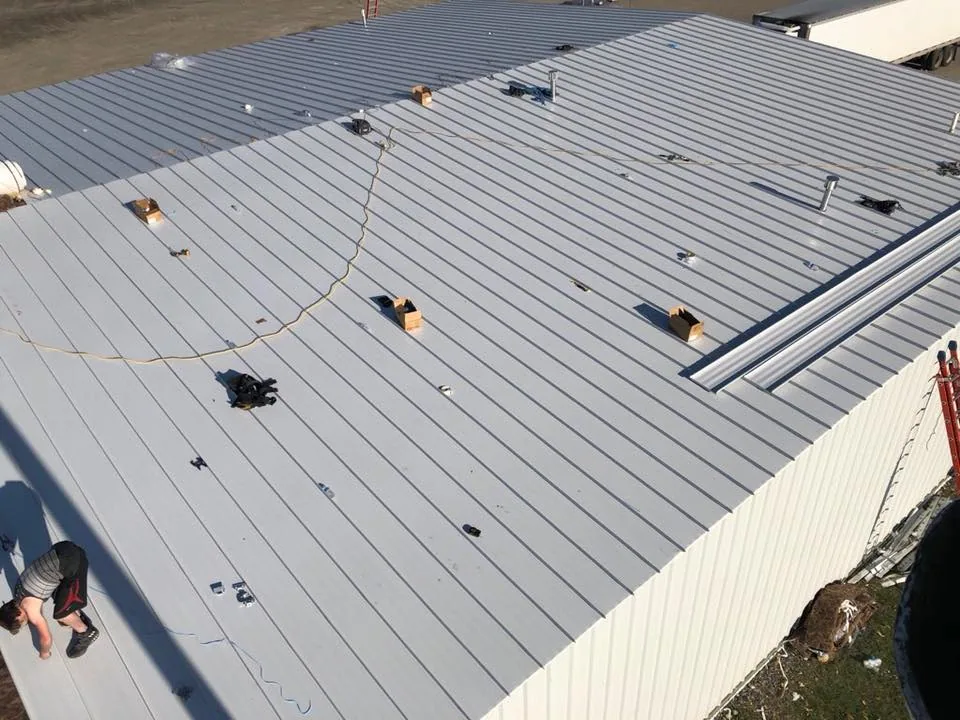
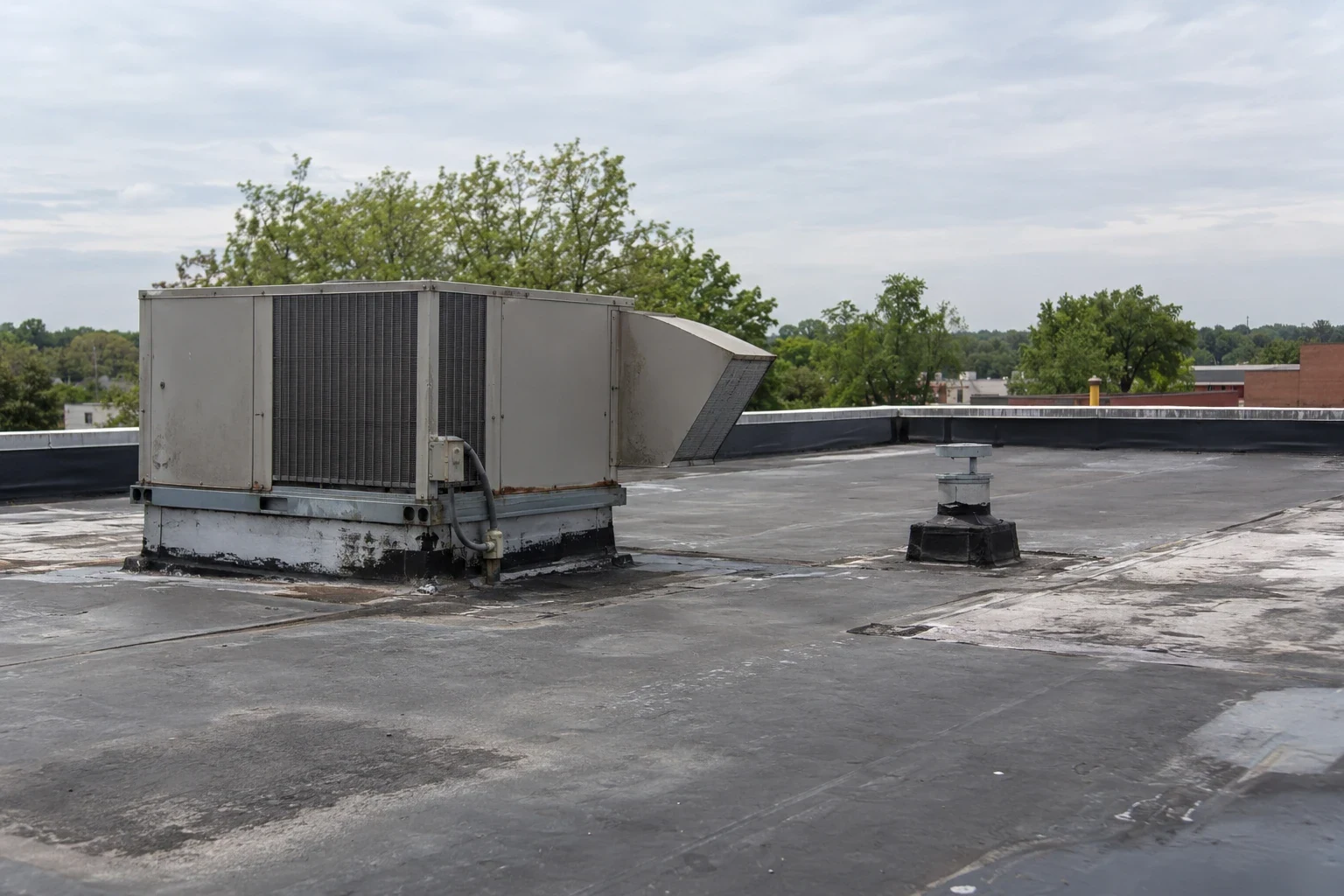
Government Building Roofing in Bryan, TX
Public buildings place a different burden on roof planning than a vacant structure. Staff, visitors, records, equipment, and scheduled services may continue using the property while inspection or construction proceeds. In Bryan, an agency or owner benefits from a condition record that ties each observation to a roof section, describes access constraints, and separates urgent protection from long-term capital work. A clear scope supports budgeting and coordination without assuming that every public building shares the same roof assembly or operating requirements.
Record: build a reliable one across building types
Start with an inventory of buildings, roof areas, reported leaks, prior projects, warranties, and known additions. Assign consistent names to wings or sections so inspection photos, work orders, and future bids refer to the same places. A commercial roof inspection can document membrane or metal type, seams, flashings, curbs, drains, edges, and visible signs of moisture. Record what could not be accessed and what evidence would resolve the open question. This keeps a preliminary review from being treated as a complete diagnosis.
Public portfolios can include offices, service counters, maintenance buildings, schools, libraries, and other structures. Their hours, occupancy, security rules, and equipment needs vary. Compare them as separate assets, even if the same maintenance team oversees each one. Pair each recommendation with supporting photos, location, access note, and next action so budget reviewers can trace why it appears in the plan.
For a public board or facilities committee, separate immediate stabilization from capital renewal in the decision packet. Identify what could affect safe use, what evidence supports that concern, and what temporary measure is proposed while a permanent scope is prepared. Present each option with its work limits, access needs, schedule assumptions, expected disruption, exclusions, and open questions. This makes a line-item comparison more useful than a single total that combines unrelated roof sections.
Keep the map legible to people who did not attend the inspection. Mark each photo by building, roof area, and date; use the same identifiers in estimates and work orders. If several properties are involved, record which person can approve access and who receives inspection results. A repair recommendation should say what was corrected and what should be monitored, while a replacement recommendation should identify where additional testing may change the scope.
Secure access: keep public service in view
Before field work, identify public entrances, staff-only routes, loading areas, emergency access, sensitive rooms, and times when noise or closures would create a problem. The project team can then separate roof access from public circulation and describe any temporary barriers or staging limits. A phased occupied-building reroofing plan should identify work zones, daily closeout tasks, weather protection, and the contact who receives schedule updates. Confirm the owner's approval path before changing access or interrupting equipment.
Some agencies need advance notice for room moves, public appointments, or records handling. A roof scope should state what the contractor is responsible for protecting and what the owner must prepare. It should also describe how an unexpected leak or unsafe condition will be escalated. These details help avoid a gap between the construction schedule and the operating calendar. They do not replace site-specific safety, security, or procurement requirements, which should be confirmed with the responsible authority.
Drainage and water entry: track them as separate questions
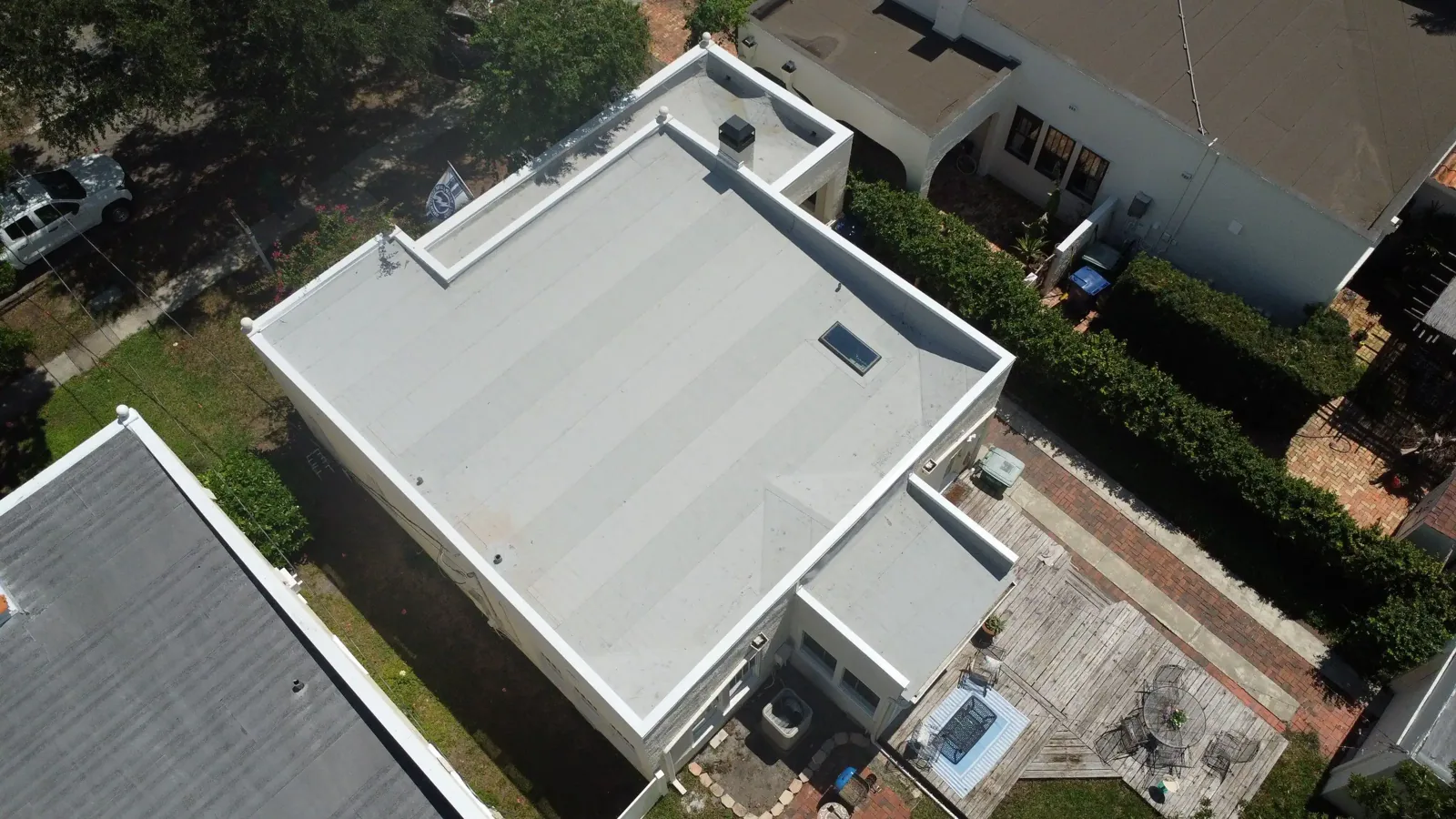
A ceiling stain can start far from the point where water entered. Record its location, timing, weather context, and any relationship to equipment use. Inspect roof seams, penetrations, wall transitions, drains, and nearby details before assigning a cause. A leak assessment can document the path under review, any test performed, and what remains uncertain. A drain and scupper inspection can also record outlet condition, debris, and adjacent flashing. Keep temporary protection separate from permanent repairs in work orders and closeout notes.
Where moisture may extend beyond the visible symptom, note whether the assembly can be inspected further and what access or testing is needed. Avoid treating a single observation as proof that an entire roof is sound or unsound. The record should identify the area examined and the limits of that examination. This level of detail lets a facilities manager compare new observations with prior reports and request targeted follow-up instead of repeating a broad, unscoped visit.
Renewal needs: compare repair timing with them
Isolated detail failure may support repair if adjacent materials remain serviceable. Repeated leaks, widespread moisture, attachment concerns, or deteriorated transitions can call for a broader evaluation. A replacement plan should identify removal, insulation, perimeter, drainage, and access assumptions. A recover option needs its own review of the existing roof and deck. Compare alternatives by work area, expected disruption, exclusions, service access, and the conditions that could change the recommendation.
Budget documents are more useful when they distinguish immediate risk reduction from lifecycle planning. List what should be addressed this season, what can be monitored, and what requires a test before funding is committed. A phased sequence protects occupied classrooms in a school roof and scheduled gatherings in a church roof. For a public building, we identify its own service hours and protected spaces before setting a construction window. A maintenance program can retain a dated inspection history and track completed follow-up.
Permitting: coordinate it and the inspection closeout
For roof-finish replacement within Bryan city limits, the roofing contractor must obtain a building permit, and the project requires final inspection. Bryan's development-services portal supports online permit applications, inspection scheduling, and access to inspection results. Confirm current requirements for the specific property and scope before construction. The project file can retain permit documents, approved submittals, inspection outcomes, photographs, and any changes made in the field.
Closeout should identify the installed assembly, covered areas, repair details, warranty documents, unresolved conditions, and maintenance steps. The owner should know who holds each record and how future service calls will refer to roof sections. For portfolio work around Bryan, a local roof review can coordinate access and scheduling before the site visit. The goal is a usable record that supports the next maintenance, repair, or capital decision.
Downtown Bryan and the Texas Avenue Corridor are revitalization areas. Bryan's exterior-improvement grant programs reach both areas, so exterior work by other trades can overlap a roof schedule, and site visits and service records there are organized by address. For each address, verify the responsible facilities contact and applicable authority before proposing work. Public portfolios can cross municipal boundaries, so keep separate permit notes and inspection contacts by property. If a request covers several addresses, list each site and its decision owner before combining scopes. That simple record keeps a shared budget discussion tied to the actual buildings under review rather than a broad area label. Name one contact for access changes, weather decisions, and inspection results; date each file so later bidders can distinguish current conditions from older reports.
Frequently Asked Questions
What records help plan a public-building roof project?
Collect roof plans, prior scopes, leak logs, warranty documents, access rules, occupancy schedules, and existing inspection reports. A consistent roof-area map helps connect each observation to a location.
How can roof work continue around public access?
Identify entrances, staff routes, scheduled services, and restricted areas before setting work zones. The scope should state temporary barriers, weather protection, schedule contacts, and closeout responsibilities.
Does every leak require a full roof replacement?
No. A confirmed local defect may be repairable. Repeated failures, broad moisture, or assembly concerns can justify comparing wider renewal options after the roof and its limits are documented.
What should the project closeout include?
Retain permit and inspection records, approved submittals, photos, work-area descriptions, warranty documents, unresolved conditions, and maintenance instructions with the facility roof history.
Plan a Bryan public-building roof review
Share the roof history, reported conditions, access rules, operating schedule, and decision timing to define a field scope and useful next steps.