Church Roofing Services in Bryan, TX
Church roofs in Bryan need a plan that respects both the building and the services taking place inside it. A sanctuary, education wing, fellowship hall, office, and kitchen may connect under one roof while presenting different drainage, access, and equipment conditions. Begin with records and a field review, then separate confirmed defects from areas that need more investigation. That creates a practical basis for deciding whether to repair, maintain, restore, or replace the roof without assuming every part of the property has the same needs.
Assembly: start with it and the building history
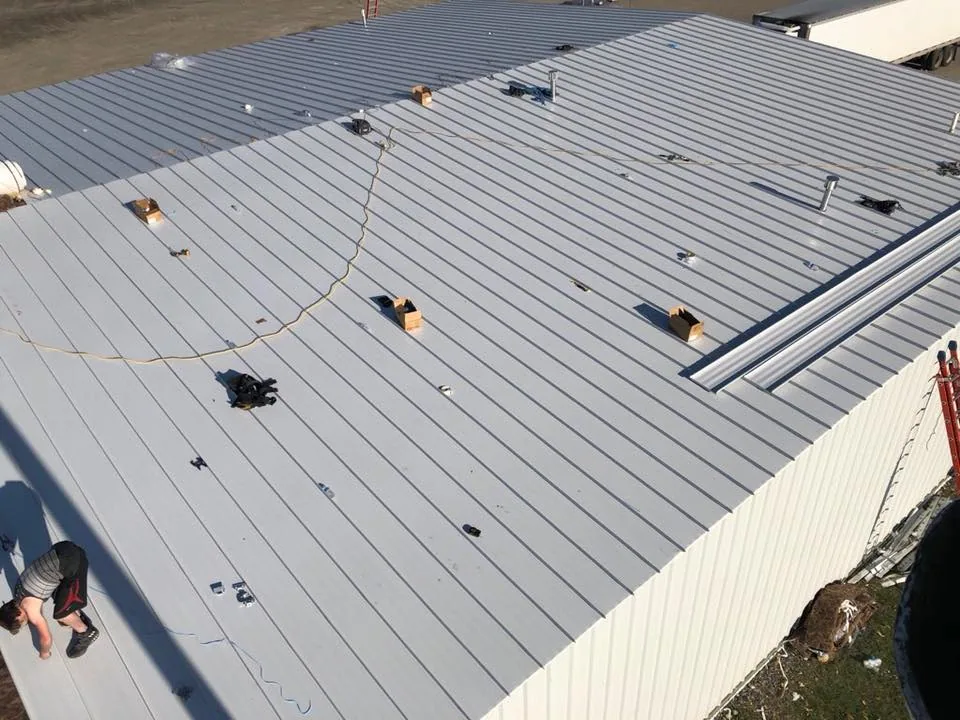
Before choosing materials, identify what is installed and how the roof has changed over time. Gather prior scopes, warranties, leak logs, roof plans, and notes about additions or mechanical work. During a commercial roof inspection, record membrane or metal type, seams, flashings, edges, drains, penetrations, and visible repairs. A marked roof plan and dated photographs make it easier to compare conditions at later visits. If layers or concealed areas are uncertain, state that limit instead of pricing an assumed assembly.
Church properties can include separate roof sections with different ages and slopes. A lower education wing may drain toward an interior area while a taller sanctuary roof has a different perimeter and access route. Document each area separately, including transitions between them. When the current assembly is identified, owners can compare repair materials for compatibility and see whether one recurring leak belongs to a local detail or a wider pattern.
Water paths: trace them across connected spaces
Interior symptoms are useful clues, but the visible stain may be distant from the roof entry point. Note when moisture appears, which room or ceiling area is involved, and whether it changes after rain or equipment use. A leak assessment should inspect likely routes through seams, penetrations, walls, drains, and adjacent roof sections. Document what was opened or tested, what was repaired, and which areas remain unconfirmed. This prevents a temporary patch from being mistaken for a verified permanent correction.
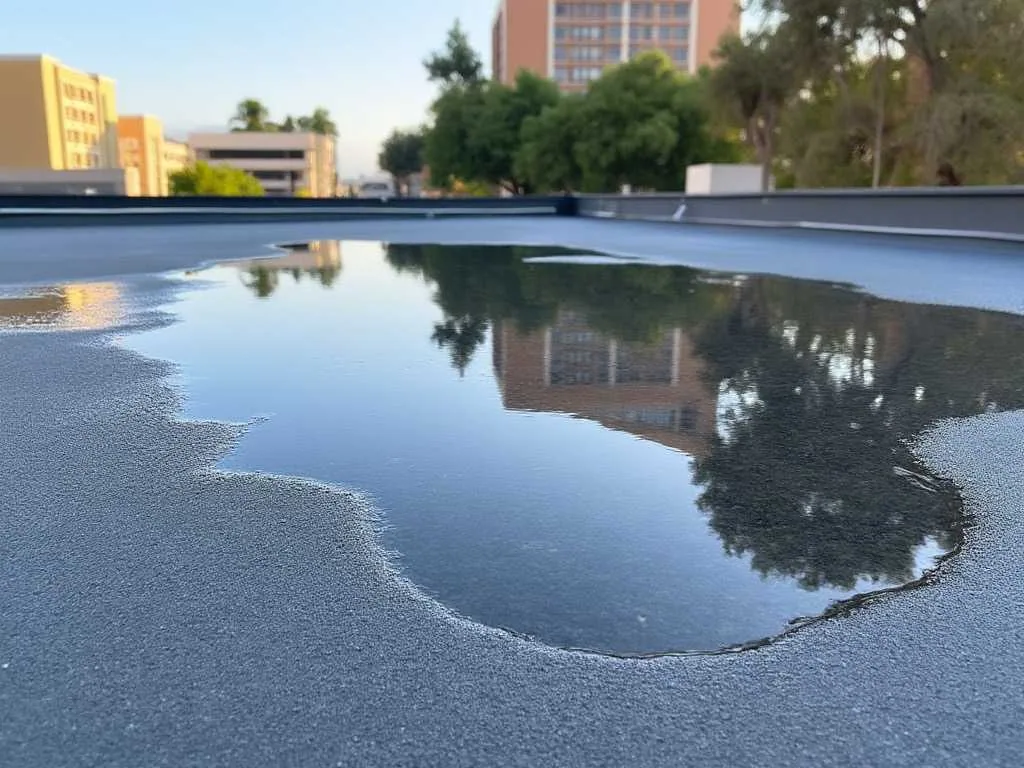
Drainage deserves particular attention where several wings meet. Leaves, debris, displaced strainers, damaged flashings, and uneven surfaces can affect how water moves. A drain and scupper review can record outlet condition and nearby details, while a maintenance visit can track recurring issues. Roof access should be arranged with the property contact, and any investigation involving occupied spaces should be coordinated before work begins.
Special features: review penetrations and edges
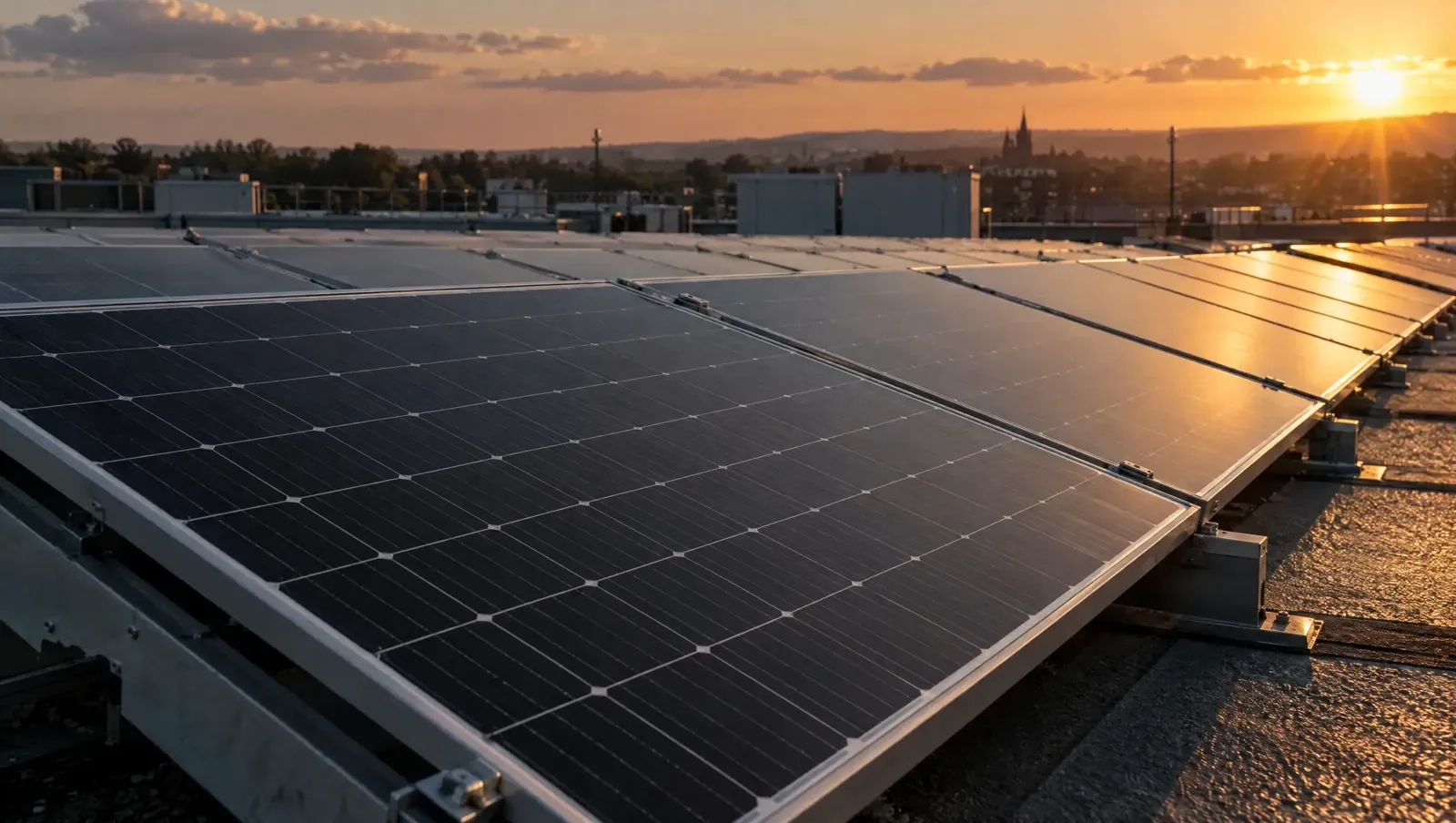
Steeples, roof transitions, bell structures, skylights, exhausts, and mechanical equipment can create complex flashing details. The scope should identify each feature by location and describe the condition seen, such as an open joint, failed sealant, loose metal, or a membrane separation. Photos should show enough surrounding area to orient a future repair. Work around equipment or high architectural features needs a safe access plan and should not be described as complete where the detail could not be reached.
Wind can affect perimeter components differently from field membrane. Check edges, coping, gutters, and attachment where they meet walls or overhangs. Note whether a condition repeats across multiple sections or is confined to one location. When an occupied property requires phased work, a phased reroofing plan can identify work zones, temporary protection, access needs, and daily closeout steps. The schedule should preserve safe routes for staff and visitors while setting clear boundaries for each phase.
Where worship, classes, meals, or community programs share the property, identify the rooms and entrances that must remain available during construction. A phase plan can show which roof area is active, where materials move, what temporary weather protection is planned, and how staff will receive schedule changes. If work may affect a gathering space, coordinate noisy or disruptive tasks with the facility contact before the crew arrives. The closeout should identify completed areas, remaining work, and who will receive the next inspection note.
These arrangements do not replace the technical roof scope. They make its limits usable for the people responsible for the building. State who provides interior protection, who moves movable contents, how an unexpected leak is reported, and what conditions pause work. When several roof sections are treated in phases, label them consistently in the proposal, field photos, and completion record. That reduces confusion when staff, trustees, or future contractors review the property later.
Storm conditions: document them before choosing repairs
After a storm, take reasonable steps to protect people and contents, record when conditions were observed, and arrange a qualified roof review. For maintenance context, the Bryan-College Station area’s strongest hail on April 8, 2021 fell in the 9-to-9:30 p.m. period, with reported stones between 1 and 2.75 inches. That regional record does not establish damage to an individual roof. A current inspection should describe visible impact, displaced components, openings, or water entry and distinguish them from older wear.
Do not infer hidden membrane or deck damage from a single surface mark. The report can map inspection areas, identify limits, and recommend close examination or testing where evidence is inconclusive. Keep repair records, photographs, and invoices together so later reviewers can compare the reported condition with completed work. If a claim is being considered, maintain factual notes and avoid promising coverage or outcomes that depend on a carrier's review.
Options: compare repair, restoration, and replacement paths
A localized defect may support a targeted repair when surrounding materials remain sound. Broader moisture, repeated failures, poor attachment, or deterioration across several roof sections can change the economics. A recover is appropriate only when the existing assembly, deck, drainage, and perimeter can support another layer under applicable requirements. During school roof planning, classroom occupancy affects the sequence; public-building roof planning likewise accounts for service counters and restricted rooms. For the church, we identify its own gathering spaces, entrances and roof assembly before assigning work zones.
Present options side by side: work area, materials, preparation, access, disruption, exclusions, and conditions that could change the price. A recover evaluation should state whether additional testing is needed and what existing components remain. Replacement planning should describe removal, insulation, flashing, edge, drainage, and protection steps. The right recommendation is the one supported by observed conditions and the owner's budget, timing, and tolerance for disruption.
Frequently Asked Questions
What should be included in a church roof inspection?
Record the roof assembly, seams, flashings, drains, penetrations, edges, visible moisture, access limits, and prior repair history. A roof plan with dated photos helps connect each observation to a location.
Does a ceiling stain identify the roof leak source?
No. Water can travel along a roof assembly or building detail before becoming visible inside. Trace likely paths and record what was inspected, repaired, or left unresolved.
Can repair work be phased around services?
Often a scope can divide work into zones and coordinate access, temporary protection, and daily closeout. The schedule depends on roof conditions, weather, safety, and the building calendar.
When is replacement preferable to another repair?
Compare replacement when conditions recur across a wider area or the deck, attachment, moisture, or perimeter affects the reliability of isolated fixes. Document the evidence and limits behind each option.
Roof record: keep a usable one
Regular reviews can make small changes easier to spot. Record drains, seams, flashing, penetrations, edge metal, previous repairs, and areas that could not be accessed. Note the date, weather context, location, and next action for each finding. A preventive roof-maintenance visit can prioritize debris removal, detail checks, and follow-up inspections without implying that maintenance alone corrects a failed assembly.
For roof-finish replacement inside Bryan city limits, the roofing contractor must obtain the building permit, and the work requires a final inspection. Confirm the requirements for the property and scope before scheduling. Keep permit records with the roof plan, warranty information, maintenance notes, and closeout photos. Owners managing properties around Bryan can request a Bryan commercial roofing review to coordinate access and document the next step for the specific building.
Plan a church roof review
Share roof records, reported conditions, service schedules, and access contacts so the field scope can respect occupied spaces and define the next decision.