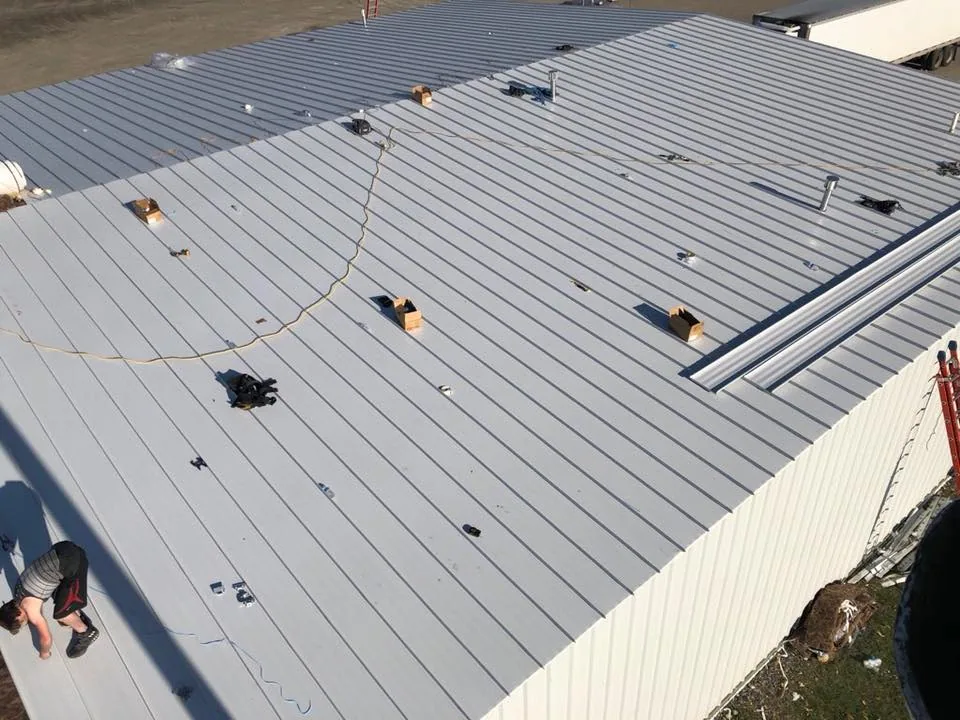
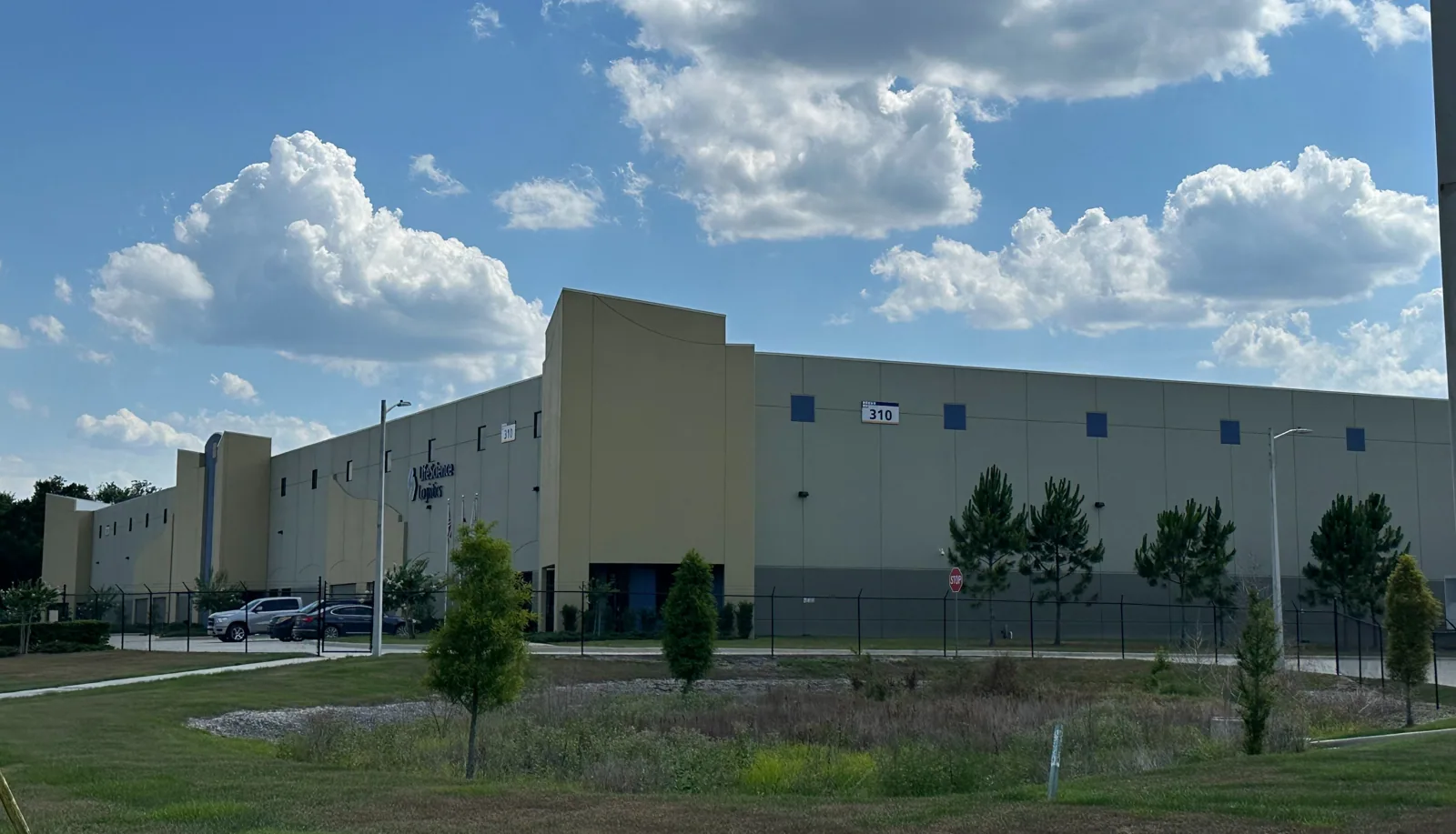
Commercial Roofing for Auto Dealerships in Bryan, TX
Auto dealerships bring together customer-facing showrooms, service bays, parts storage, offices, and vehicle circulation. A roof plan should recognize those different uses instead of treating the property as one uninterrupted space. Water above a showroom may affect finishes and customer visits; moisture near a service area may intersect with exhaust, overhead doors, or equipment. Begin with the building layout, roof assembly, known repairs, and the specific rooms where staff have seen a problem. Commercial roofing in Bryan should be scoped from current site observations and an agreed access plan, not from the property type alone.
For an existing leak, record when it appears, what the weather was doing, and whether it follows rain, wind, or equipment operation. A commercial roof inspection can document the visible assembly, drainage, penetrations, edges, and suspect areas. The result should make clear what was observed and what remains uncertain. A dealership with several tenants under one roof shares access questions with a shopping-center roof, and large back-of-house areas raise the same delivery questions as a warehouse roof; the dealership's own roof plan still decides the scope.
Building zones: separate showroom, service, and storage conditions
Walk the property with someone who knows how each area is used. Identify the showroom, service and wash bays, parts rooms, offices, and any covered delivery or staging space on a simple plan. Note ceiling finishes, lighting, lifts, exhaust, and stored materials that could limit access or make protection especially important. The roof itself may span additions or different assemblies, so match each interior report to its roof section rather than assuming every room shares one leak path.
Vehicle movements affect roof access. Agree where ladders and inspection equipment may go, which doors must stay clear, and whether parking or delivery lanes need controls. That coordination helps the visit proceed without blocking normal dealership activity.
Water reports: trace them to the roof detail
Record the room, date, time, recent weather, and any change in the condition. Photograph interior staining before moving ceiling tiles or stored property, then relate the location to drains, seams, curbs, skylights, walls, and roof edges above. Water can travel before it becomes visible, so a stain is a clue rather than proof that the nearest roof opening is responsible. A commercial roof repair should address a supported cause and describe how the repaired detail will be checked.
On a low-slope roof, trace water toward each drain or scupper. Record debris, ponding, strainers, and flashing as distinct observations. A drain and scupper review can clarify whether the outlet or nearby membrane needs attention. Report any limits in access, weather, or visibility so the owner understands what the inspection could and could not establish.
When hail is part of the owner's concern, date-stamped photos and repair records help frame the review. A dealership can use storm timing to organize its own maintenance file: the largest Bryan-College Station hail on April 8, 2021 occurred between 9 and 9:30 p.m., at reported sizes of 1 to 2.75 inches. Treat that regional record as a reason to examine current evidence, not as proof of damage to an individual roof. Describe visible conditions and keep any conclusion within what the inspection can support.
Protection: cover vehicles, staff, and customer areas
Before work starts, define the work zone and the path between the roof access point and the repair area. Identify vehicles, customer entrances, service-bay doors, parts deliveries, and employee routes that could be affected by falling debris, tools, noise, or temporary barriers. The property contact and roofing crew should agree on daily start and stop times, check-in procedures, and who can authorize a change to the work area. Keep customer-facing spaces clean and provide a clear route around any controlled zone.
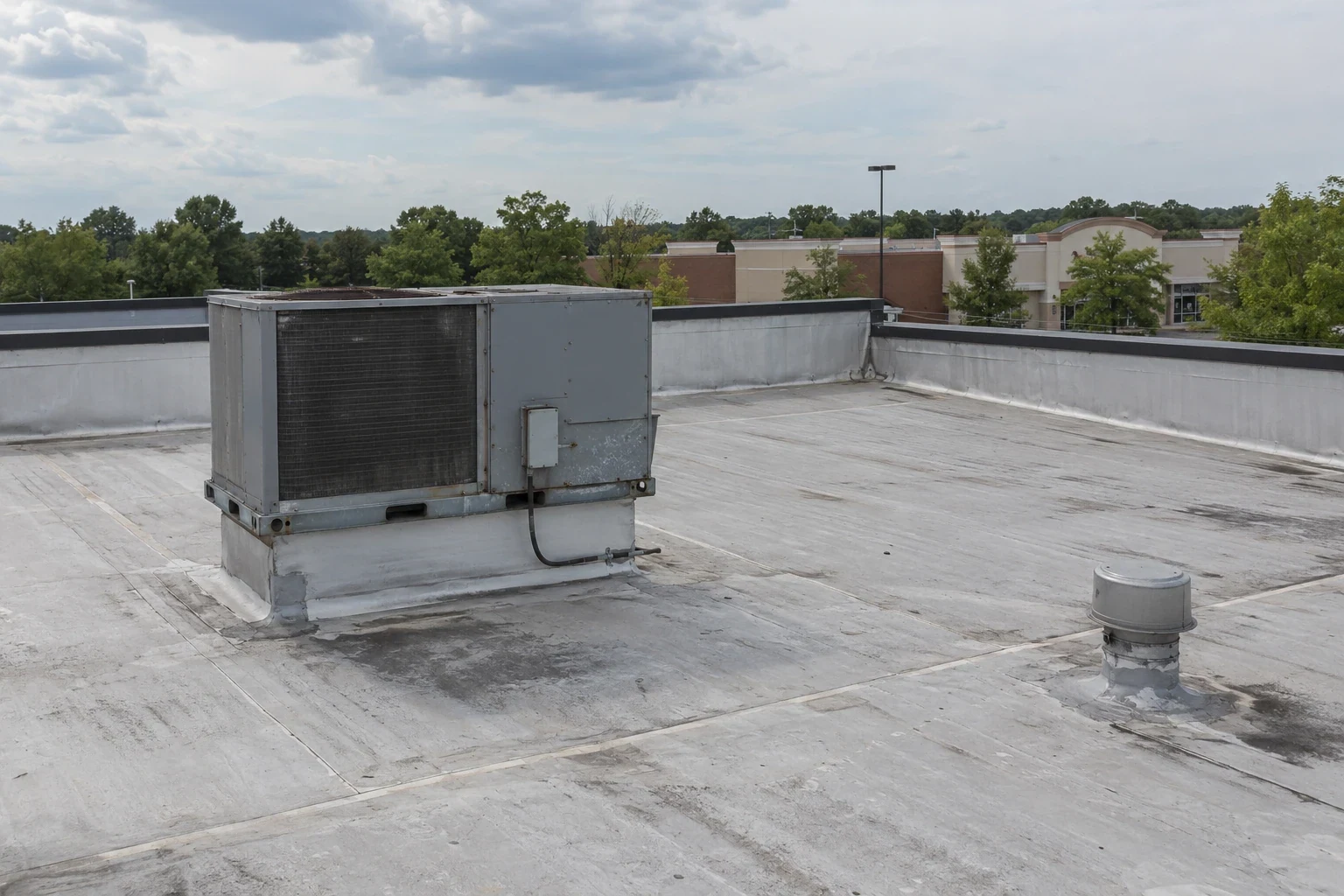
Follow the property's roof-access procedures. Locate ladders, equipment, skylights, and fragile surfaces before moving materials. Record curbs and penetrations, coordinating any needed shutdown with the responsible service contractor. A curb and equipment-support review can keep the roof detail and the mechanical interface in the same discussion without assuming that roof work includes mechanical repairs.
Protection should be specified for the actual task. A small repair may need a limited ground exclusion area, while tear-off or material handling can require broader controls and staged cleanup. Confirm who will move or cover vehicles and how the area will be reopened at the end of each shift. The scope should state responsibilities rather than leaving staff to infer them on the day of work.
Options: compare repair with restoration or replacement
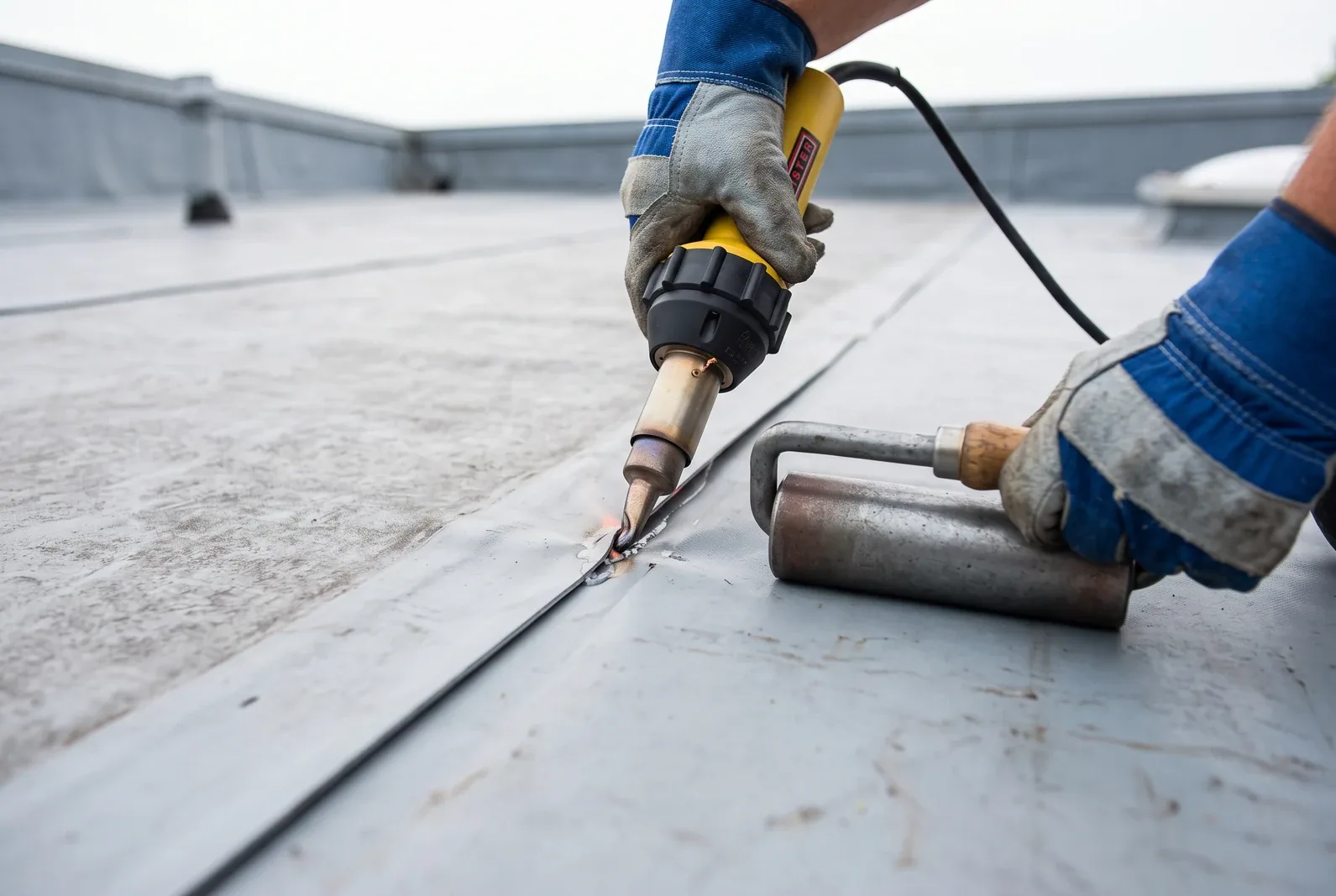
A localized flashing or seam defect may support a repair when surrounding materials are sound and the source is reasonably established. Repeated leaks, widespread deterioration, wet insulation, attachment concerns, or deck damage can change the recommendation. We provide photos and a roof plan that identify each repair area, its observed condition, and any testing limits. If the evidence supports a broader project, a roof coating or restoration option should explain preparation, adhesion requirements, detailing, and the condition of the existing assembly. It should not be presented as a fit for every roof.
Replacement planning should describe removal, insulation, drainage, edges, penetrations, access, and protection for dealership operations. Request a phased schedule when sales, service, or parts functions need to remain open. The replacement scope should distinguish base work from allowances and identify conditions that could alter cost or timing. A recover also requires confirmation that the existing assembly and deck can support the proposed approach.
Compare included areas, service-life assumptions, maintenance, work hours, disposal, warranty terms, and exclusions. No estimate can promise a roof will never leak; it can define materials, checks, and owner responsibilities. This gives the owner a basis to choose local stabilization or a larger capital project.
Bryan requirements: confirm them with project records
For a roof-finish project inside Bryan, the contractor secures the required building approval and arranges the final city inspection. Verify jurisdiction and current submittal steps before scheduling; nearby addresses can follow a different process. Bryan's development-services portal supports online applications and inspection coordination. Keep approvals with dated photos, product details, and closeout notes.
Write down who handles submittals, inspections, and communication if the scope changes. Align those duties with the dealership contact's access instructions and calendar. A regional inquiry can start with the Bryan service area, the building address, known symptoms, and roof-access limits; leave security-sensitive information for a verified project contact.
Frequently Asked Questions
Can roof work be scheduled around dealership hours?
Often the work plan can be arranged around operating needs, but the schedule depends on access, weather, scope, and safety controls. Identify customer entrances, service bays, deliveries, and vehicle routes before work begins, then confirm daily hours and the person authorized to approve adjustments.
Can an area-wide hail account confirm damage to a specific dealership roof?
No. The regional hail record is a reason to review the roof, not a finding about a specific showroom, service bay or canopy. We document current conditions and compare them with maintenance records.
What should a repair proposal include?
It should identify the roof area and observed condition, describe the proposed repair and materials, state access and protection assumptions, and explain exclusions or testing limits. Photos and a completion record make the proposed work easier to review later.
Who handles a Bryan roof replacement permit?
For a roof-finish project inside Bryan, the contractor secures the building approval and coordinates the required final inspection. Confirm jurisdiction and current submittal steps before scheduling.
Closeout: leave a usable roof record
At completion, request a concise record of work areas, materials installed, photographs, inspection results, and any conditions left for later attention. Note whether the original water report was reproduced or not during the return check, and identify any remaining uncertainty. A final walk-through should also confirm that drains and scuppers are clear, loose materials have been removed, and temporary protections are no longer needed.
Keep the closeout with the building's maintenance history and assign responsibility for future checks. For dealerships with several additions or roof sections, label the records consistently so a later leak report can be compared with prior work. The value is practical: staff can tell what was repaired, where it was repaired, what documentation supports it, and whom to contact if the condition returns.
Plan a dealership roof review in Bryan
Share the service address, roof concerns, access limits, and preferred contact window. A site review can help define the next step and the records needed to support it.