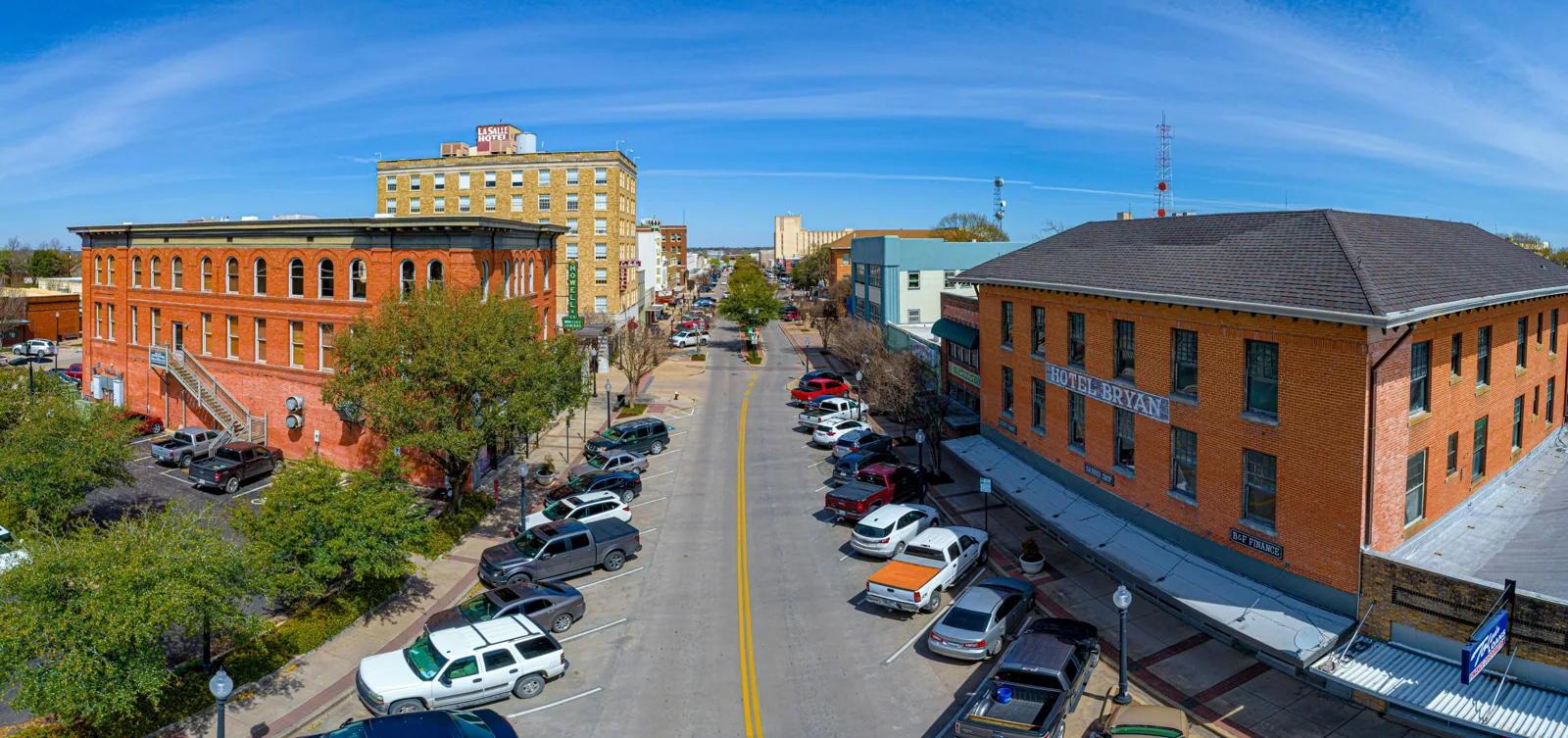
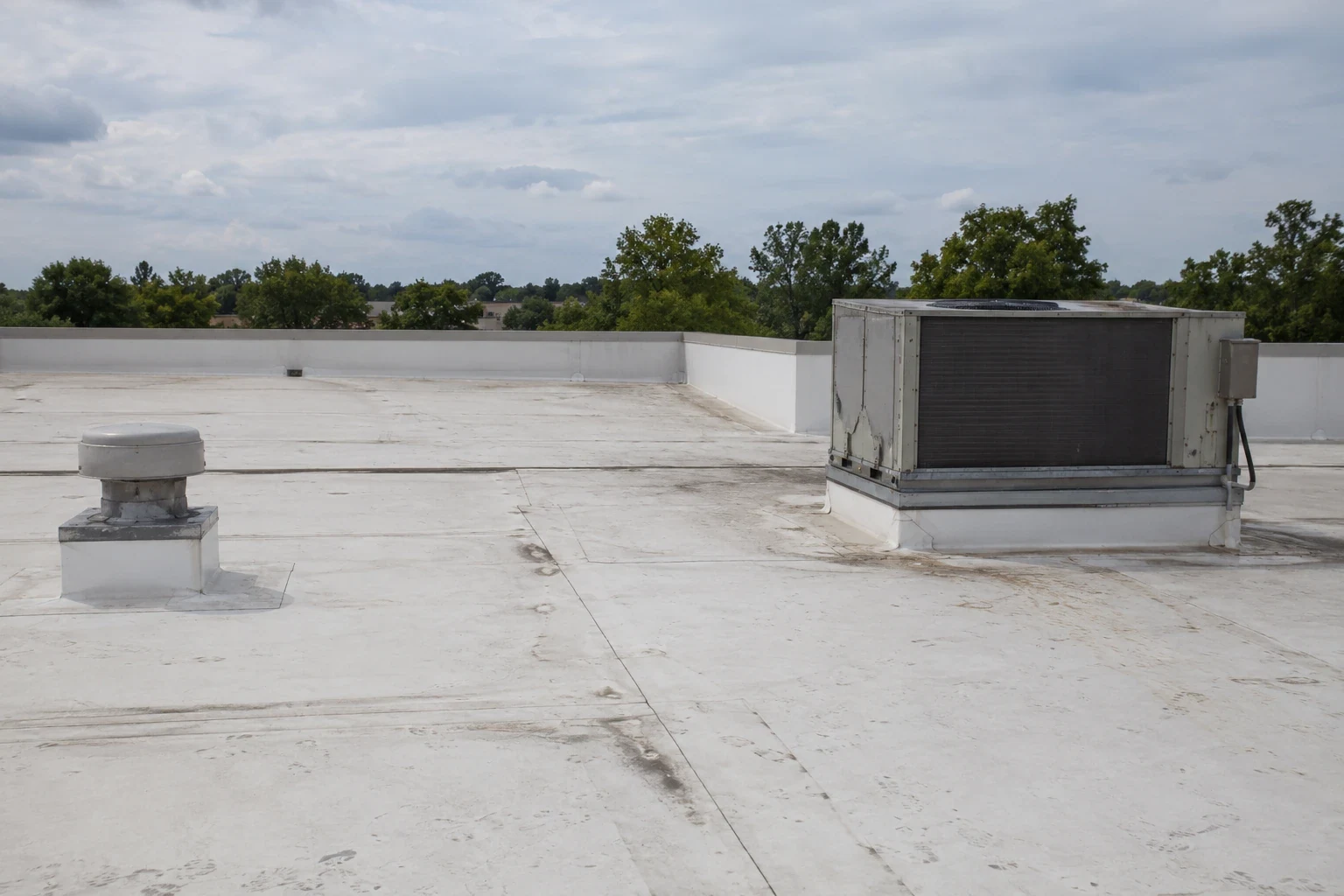
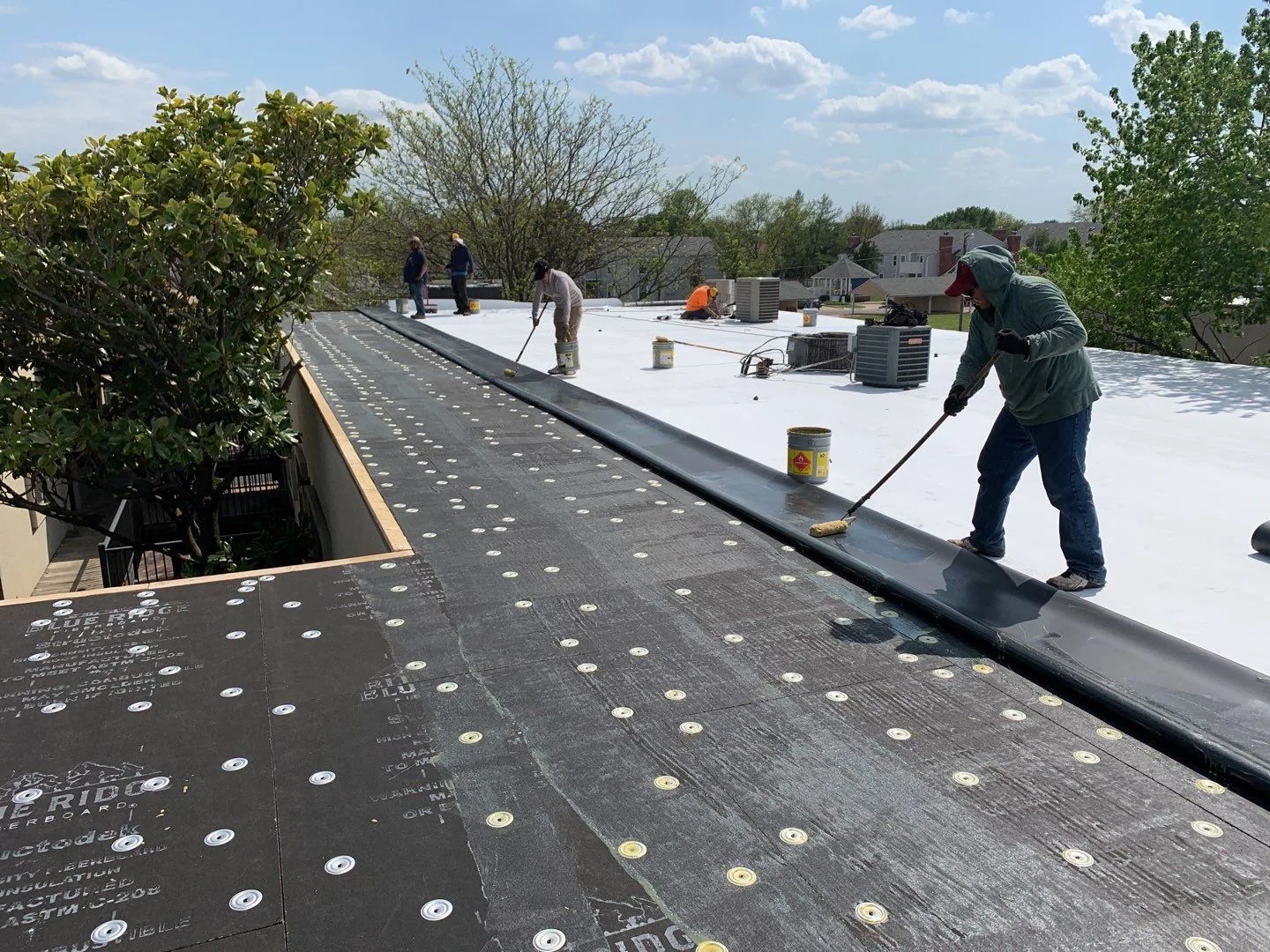
Versico Roofing Systems in Bryan, TX
After significant hail in the Bryan-College Station area on April 8, 2021, the first Versico roof question concerns the installed assembly: what do the seams, flashings and attachment details show on this roof today? We inspect the installed assembly, note the membrane family and trace transitions before recommending repair, maintenance or replacement work. A product name on an old invoice is a useful starting point, not a substitute for checking the roof surface, details, deck and records in front of us.
Versico offers several single-ply product families, including VersiWeld TPO, VersiGard EPDM, VersiFlex PVC and fleece-backed options. Each has its own seam method, accessories and assembly details. The roofing scope must match the product that is actually present and the conditions below it. A roof inspection in Bryan starts with the building use, the access path and the work window the general contractor can release.
Material choice: Match the Versico line to the assembly
VersiWeld is Versico’s reinforced TPO family, VersiGard is its EPDM line, and VersiFlex is PVC. Those materials do not share one repair method. TPO field seams are heat-welded, while EPDM seams use compatible primers and seam tape or other specified details. VersiGard comes in reinforced and non-reinforced membranes; reinforced versions use polyester and are designed for mechanically attached or fully adhered systems. A VersiGard QAT sheet has factory-applied seam tape, but the splice still needs the specified preparation and detail. Before setting a repair scope, we identify the membrane, check the seam construction, and confirm how the field sheet meets the perimeter, curbs and penetrations.
Color or product name alone does not decide whether a repair will hold. We inspect the condition around the defect, the substrate, the insulation, existing layers and water path. A TPO roof assembly and an EPDM membrane system each call for details that fit their material. When records are incomplete, a photo-backed condition report can mark what we identified and what still needs verification.
Seams and details: Follow the water path to the repair boundary
A field seam can look closed from a distance and still need closer inspection at a lap end, patch edge or change in plane. On a heat-welded VersiWeld or VersiFlex sheet, we examine the weld and adjoining membrane for separation, contamination, distortion or an earlier repair. On a VersiGard roof, the review follows the seam tape, primer and membrane condition together. The repair boundary should reach sound material and finish with compatible details, not stop at the visible stain below.
Edges, drains, pipe boots, curbs and expansion joints can interrupt an otherwise sound field. We inspect how the membrane turns up, terminates or connects to metal, then record the detail that controls the water path. If the roof is leaking, a commercial roof inspection can map the affected area and establish which repairs need immediate dry-in. A seam-failure repair scope can focus the next task on the splice and its surrounding material.
Weather exposure: Use Bryan’s record to frame the walk
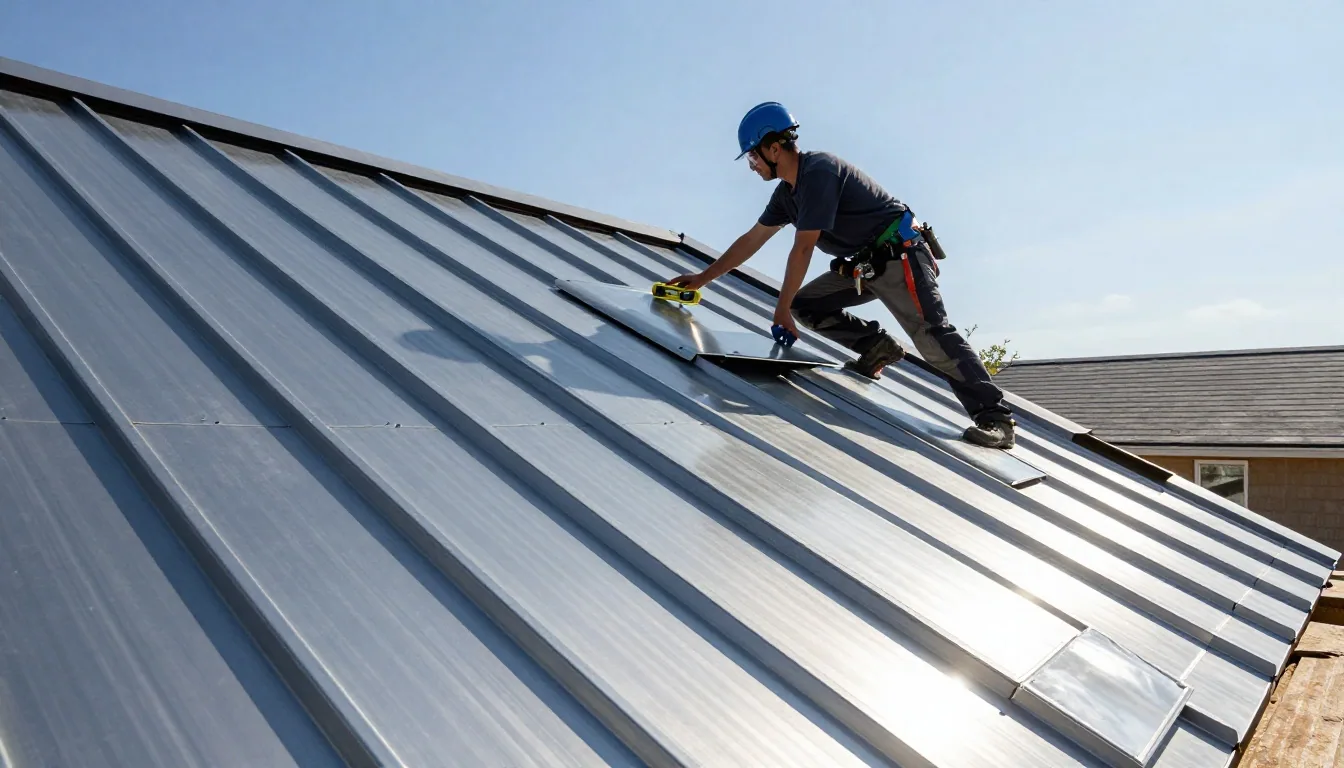
In Brazos County, the 2019 tornado touchdown was approximately four miles to the east of Bryan. The 2019 tornado east of Bryan and April 2021 hail are regional context for reviewing storm history, but neither establishes what happened to a particular roof. We look for current conditions: punctures, displaced flashing, open seams, loosened edge details and interior water reports. Where the condition is uncertain, we describe the next inspection or test needed instead of carrying a weather event forward as a diagnosis.
Bryan Business Park is a broad commercial area; for the building under review, we confirm the access contact and work route before materials arrive. That local building mix puts delivery access, equipment routes and staging on the survey checklist. We coordinate the roof opening, material path, equipment interfaces and end-of-shift dry-in with the project team before work starts. A phased occupied-building reroof can keep active work and completed areas distinct while other trades continue below.
Fleece and attachment: Check the option specified
VersiFleece products combine a membrane family with a fleece backing. TPO, PVC and EPDM versions pair fleece with a different base membrane. VersiFlex PVC also resists fire and chemicals such as acids, bases, restaurant oils and grease, which can matter where those exposures are present. The backing changes the sheet construction and can matter where puncture exposure or the proposed recover assembly is part of the discussion. We still inspect the deck, existing layers, attachment and condition before treating a fleece-backed product as a fit for a particular roof.
Some Versico systems use adhered or mechanically fastened attachment. Its RapidLock fleece-backed option uses VELCRO Brand Securable Solutions instead of adhesives for membrane attachment. These are system choices, not interchangeable field instructions. Project specifications, substrate conditions, wind design and current product details govern the assembly. The owner’s team should have the selected membrane, insulation, fastening or adhesive method, flashing and edge details in one coordinated scope. For comparison, Carlisle SynTec system information and GAF roofing products can help the project team organize competing product specifications without assuming the systems are equivalent.
Work window: Protect access, operations and the tie-in
A repair is only useful if the roof can be made watertight at the end of the shift. We agree on the opening size, weather watch, staging location and dry-in limit before removing material. If the investigation exposes wet insulation or a different assembly, we pause at a safe boundary, document the condition and review the added work with the general contractor. Regional heat also makes the work window a practical production choice; surface conditions and material instructions influence when adhesives, coatings or membrane work should proceed.
Where other trades have equipment or unfinished connections at the roof, we mark who owns each interface. A curb or conduit support that is moved after the membrane is installed can reopen a finished detail, so the sequence needs a clear handoff and inspection point. A restoration scope may suit a compatible existing assembly, but only after checking adhesion, surface preparation and transitions. The choice among repair, coating, recover or replacement follows the inspected conditions, not the product label by itself.
Frequently Asked Questions
How can we tell whether the roof is Versico EPDM or TPO?
Start with available closeout documents or labels, then compare them with the installed membrane and seam details. We inspect the material and its transitions rather than relying on a product name from an old estimate alone.
What is different about VersiGard seam repair?
VersiGard is an EPDM system, so the seam review follows the membrane condition, primer and tape detail together. We clean and prepare the repair area as required by the current system details, then define the repair boundary against sound material.
Can VersiFleece go over an existing commercial roof?
Versico lists fleece-backed products for reroofing and new construction, but the existing assembly must be reviewed before a recover scope is selected. We check layers, substrate, attachment, moisture concerns and transitions, then identify any design or testing questions.
Does Bryan-area hail mean a Versico roof needs replacement?
No. We inspect the actual roof, document visible damage and distinguish localized repair from a broader condition question. The Bryan and College Station hail event is regional context, not a diagnosis of an individual building.
What should a Versico roof repair record include?
Record the product family when confirmed, the repair location, seam or flashing detail, materials used, photographs and any open follow-up. We keep each roof zone distinct so the next maintenance visit can compare like conditions.
Closeout: Keep the product record tied to the roof
When a Versico assembly is repaired or replaced, the closeout record should identify the product family, roof zone, repair boundary, membrane color where visible, and details completed. Photographs of seams, perimeters, drains and penetrations give maintenance staff a baseline for later walks. If the specification or package is available, we keep the product and accessory references with the roof record so a future repair can start with the right questions.
We inspect commercial roofing systems and coordinate repair or replacement details with the project documents. For a Bryan finish replacement, place the municipal approval step before removal and reserve an inspection hold point for closeout. A maintenance visit can check exposed seams, edge metal, drainage and new penetrations, then note the next roofing task. Clear records make that later handoff more precise.
Review the Versico roof assembly
Send the Versico product designation, installation history and reported roof concern. We can arrange a walk, identify the installed system and agree on the next repair or maintenance task.