SOPREMA Commercial Roofing Systems in Bryan, TX
The significant April 2021 hail across the Bryan-College Station area raises an inspection question for an existing PVC roof: which seams, edges and field areas need review before a repair is chosen? A dated storm report can guide a look at exposed zones, but it cannot describe an individual membrane’s present condition. We identify the roof system, trace any water path and record whether a seam, perimeter detail or penetration changes the scope. That gives an owner and general contractor a clear condition to discuss instead of treating a regional event as a product recommendation.
SOPREMA’s U.S. commercial roofing range includes SBS-modified bitumen membranes, PVC single-ply membranes and liquid-applied PMMA/PMA systems, with related flashing and coating products. These systems use different materials and application steps. A commercial roof review in Bryan begins with roof condition, building use, records and the work window available to the project team.
Product families: separate sheet goods from liquid systems
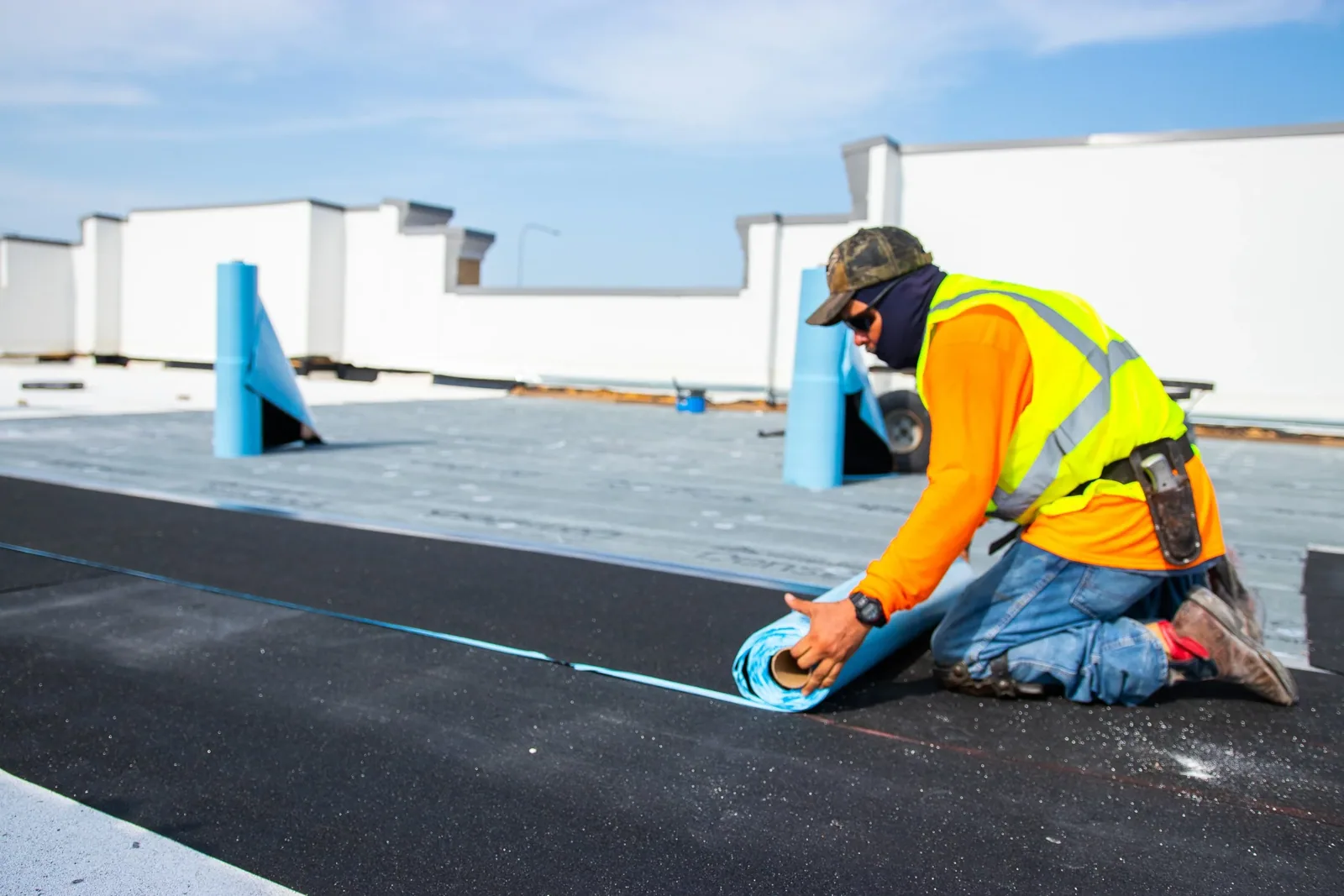
SBS-modified bitumen is a layered assembly. Base ply, cap sheet, surfacing and attachment all affect the water path and repair tie-in. SOPREMA SELECT SBS POLY FLAM is reinforced with a non-woven polyester mat. A product label does not verify an existing roof; we compare the sheet, laps, flashing and records before specifying work. For a repair, we confirm compatible plies and a sound tie-in to the existing modified-bitumen roof system before material is ordered.
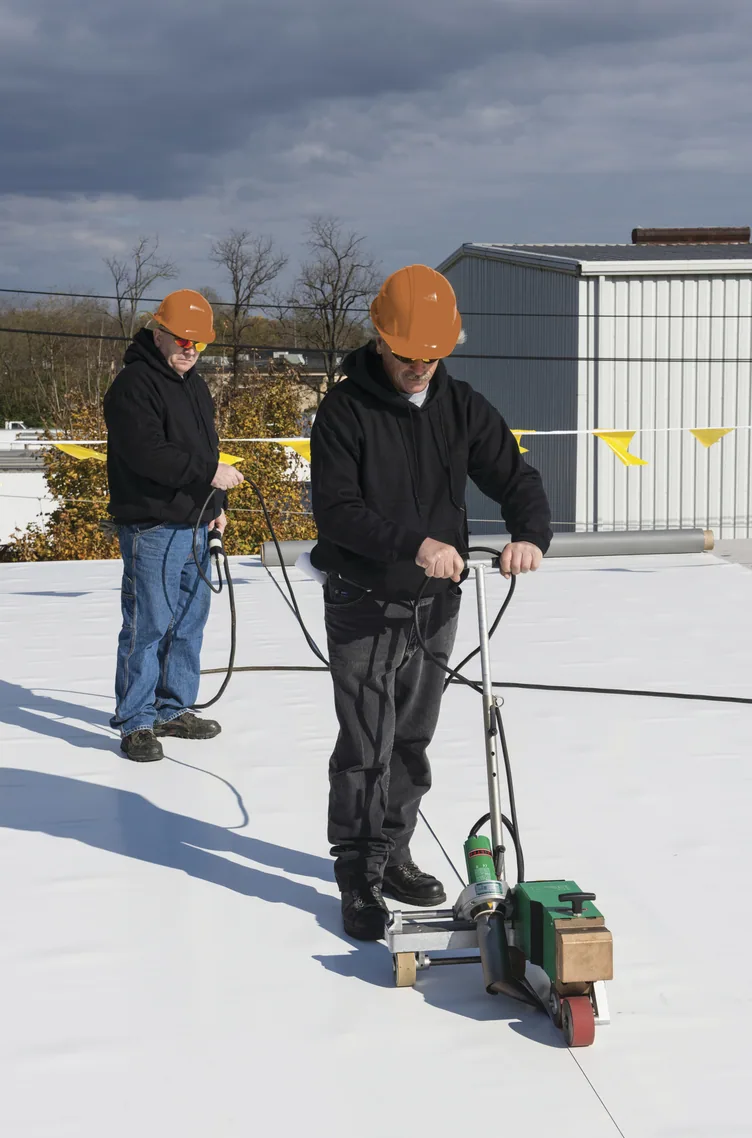
SOPREMA also manufactures PVC single-ply membranes. We inspect the installed sheet, perimeter, penetrations and substrate, then select repair material compatible with those details. A PVC roofing assembly needs flashing and termination details coordinated with the field sheet.
ALSAN products include liquid-applied PMMA/PMA systems; ALSAN Flashing is a polyurethane-bitumen resin for flashing and details. Resin, fleece and substrate preparation depend on the product instructions. Liquid application does not make an unstable or wet roof suitable for coating.
These families address different conditions. We identify the material, transitions, drainage and preparation, then tie the proposal to the selected assembly rather than price a brand name alone.
Assembly check: identify the layers and tie-ins
A replacement scope should state which layers are included and which remain. We inspect accessible deck, insulation, cover board, existing membrane or plies, attachment and perimeter metal. Before considering a recover, resolve moisture and adhesion concerns. A photo-backed condition report can mark roof zones, visible transitions and questions for testing.
We mark drains, overflow points, scuppers, low areas and equipment that interrupts flow. Water held against a lap or flashing may begin upstream of the visible leak. The selected system needs a drainage plan that fits the deck and existing slopes; the scope should state whether outlet corrections are included.
At the perimeter, we follow the assembly into edge metal, parapets, walls and changes in roof height. Layered membranes need tie-ins to sound plies; single-ply work needs compatible flashing and termination; liquid-applied details depend on receiving surface and reinforcement. Mark these interfaces before crews mobilize.
If concealed layers remain uncertain, agree on test openings, locations and closure details in advance. The record should identify who restores each opening and what findings would change the proposal.
Repair boundary: make the new work meet sound material
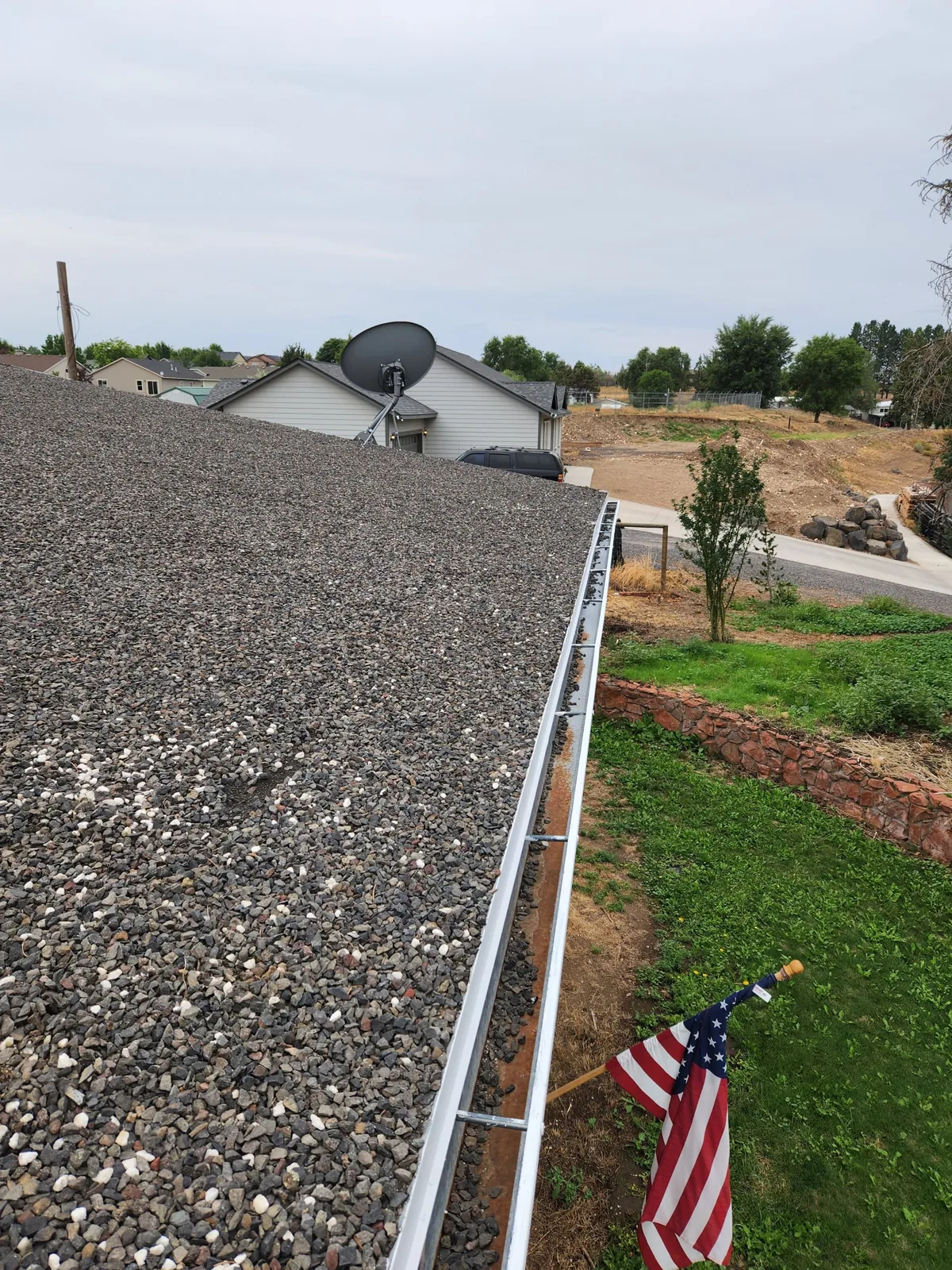
A repair starts with the defect and surrounding material. We inspect splits, blisters, open laps, punctures, old patches, loose surfacing and water staining, then set a boundary that reaches sound roofing. Covering only the visible opening can leave a weak lap or wet substrate connected to the same water path. The scope states preparation, reinforcement, termination and how the repair will be checked.
ALSAN Flashing is designed for liquid-applied flashing details, including upstands. ALSAN RS 260 LO Flash combines liquid resin with fleece to form a reinforced flashing membrane. Those product roles do not establish that a particular roof is a suitable substrate. We inspect the adjacent sheet or plies and detail the transition before selecting a compatible repair.
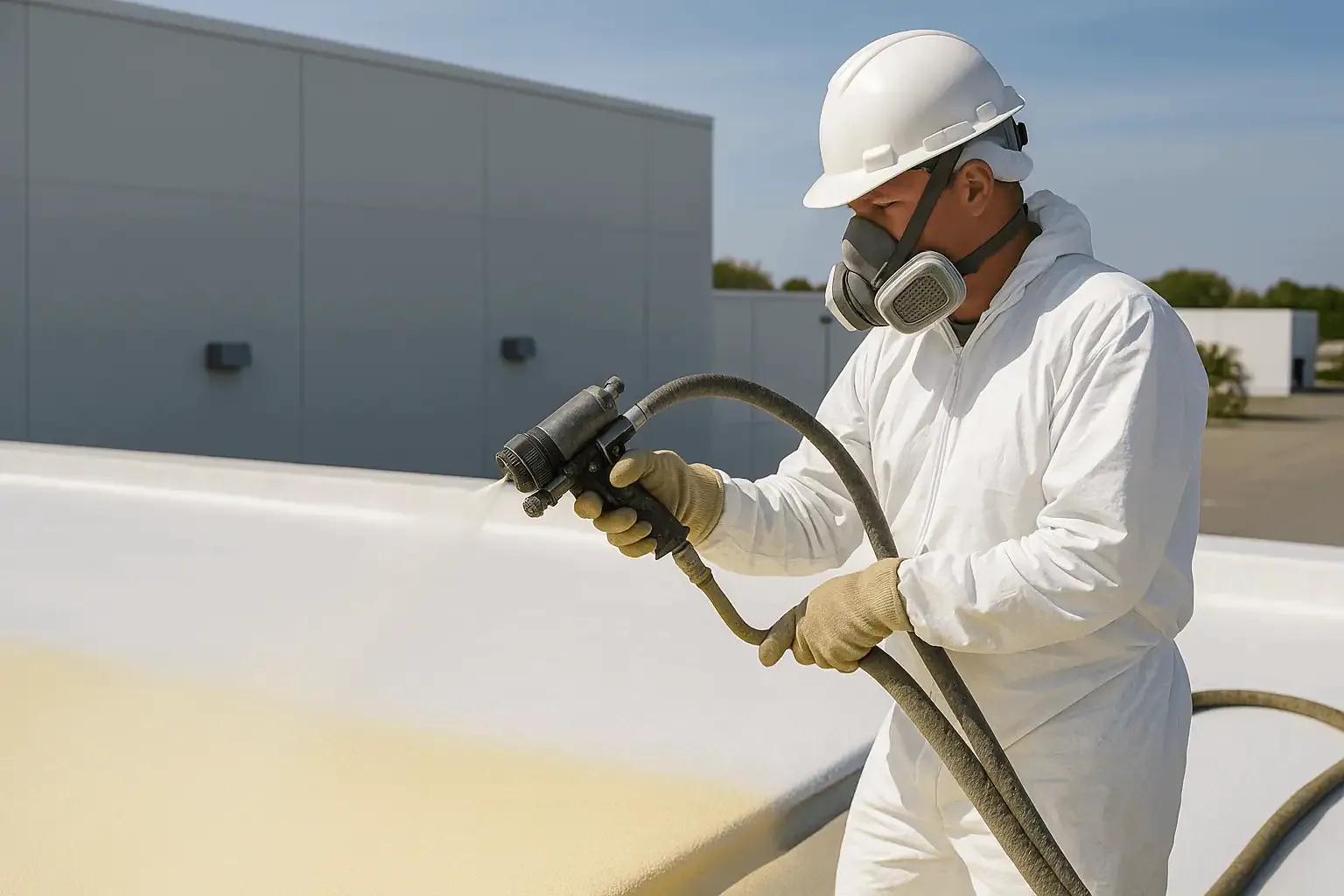
A coating is a surfacing over a suitable substrate, not a remedy for active leakage, failed adhesion or wet insulation. We check adhesion, coating layers, cracks, seams, ponding and penetrations. If restoration fits, the commercial roof restoration scope identifies cleaning, repair, reinforcement and application areas.
For broader damage, separate immediate dry-in from permanent correction. A commercial roof inspection can document conditions and establish the next work boundary, access needs and trade sequence.
Bryan context: plan around weather and operating space
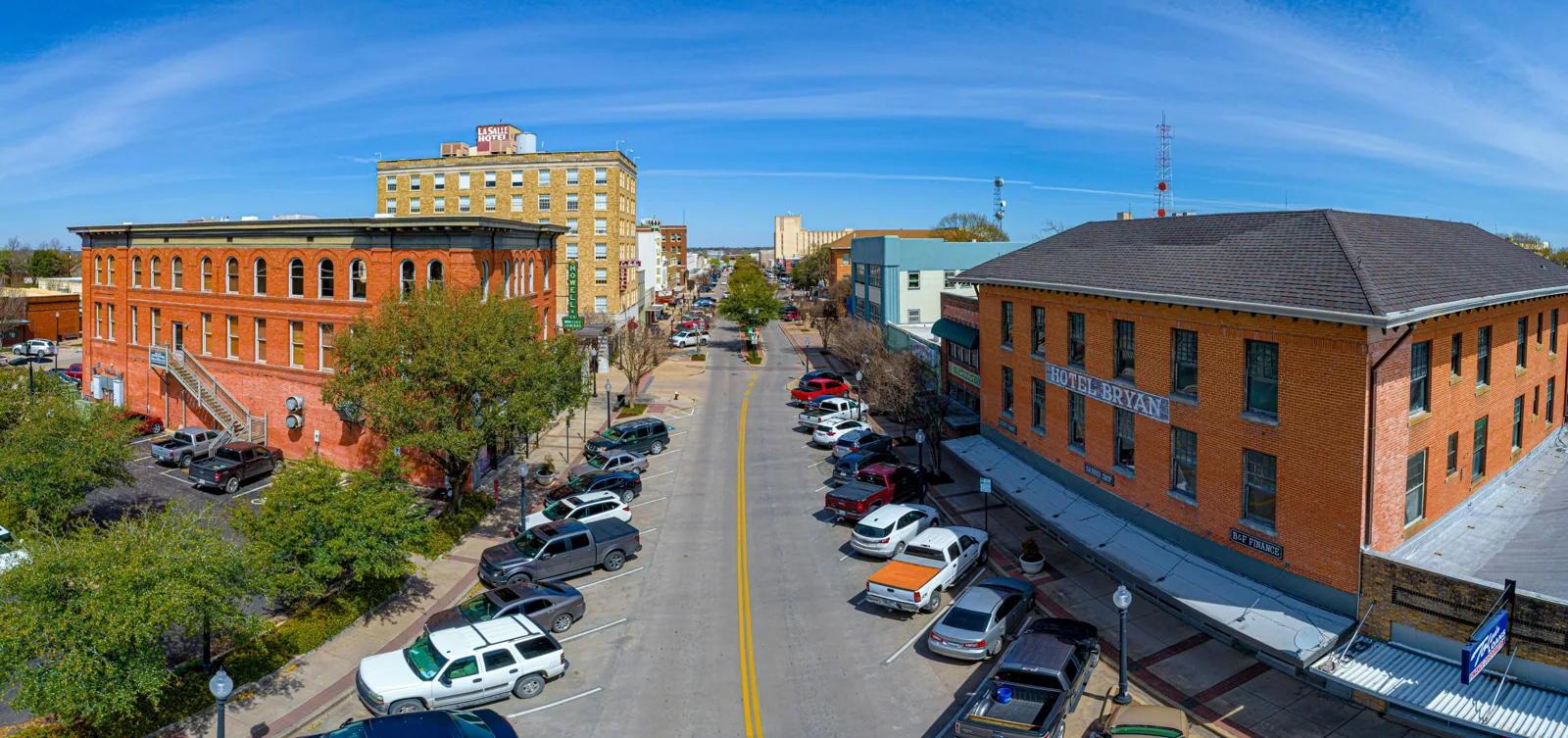
In 2019, a tornado touched down in Brazos County about four miles east of Bryan. That year can help organize the owner’s timeline, but the touchdown alone does not show whether an individual roof was affected. We document current metal displacement, open seams, punctures, flashing movement and interior reports, keeping observed conditions separate from earlier history.
Bryan Business Park comprises separate business properties with access arrangements established for each roofing project. Roofing above active production or shipping space can affect lifts, staging, delivery routes and the order in which a section is opened. We agree on material placement and temporary dry-in with the building contact before moving to another roof zone.
Heat affects the work window. Resin and adhesive application, sheet handling and surface preparation must stay within product requirements. We sequence work to protect exposed areas and finish transitions before leaving the zone. If conditions change, the daily plan identifies how the roof stays dry and which work can continue.
Bryan commercial roofs include layered and single-ply assemblies, sometimes with later additions or repairs. Visible details guide the walk; records and agreed testing help resolve concealed layers. Recommendations stay tied to observed conditions rather than an assumption about every roof’s response to a storm.
Work sequence: coordinate installation, permit and closeout
The schedule should identify material delivery, roof access, tear-off or recover limits, temporary protection, daily dry-in, inspection points and the following trade. For occupied buildings, we break work into areas that can be protected and handed back. Before pricing, we confirm the lift path, staging location, roof access, expected interruptions and who can approve a field change.
For roof-finish replacement inside Bryan, permit paperwork is the contractor’s task and the city closes the job with a final inspection. The online portal carries applications, inspection scheduling and results. We include applicable approval steps in the work plan and return the permit, inspection record, product information, photographs and change notes as part of closeout.
Owners comparing alternatives can review a GAF commercial assembly or a Versico membrane family against the same roof conditions. The comparison should hold insulation, attachment, perimeter, drainage, warranty documents and access assumptions steady. A commercial roof replacement plan can then state what changes in material, installation sequence and maintenance record. For a building with several roof zones, a roof capital plan can sequence the known work by condition and operating need.
Frequently Asked Questions
Which SOPREMA system is right for a low-slope roof?
The roof assembly and project use set the comparison. We identify existing plies or membrane, drainage, transitions and substrate condition, then compare SBS, PVC or liquid-applied options against the design and work sequence.
Can ALSAN flashing be applied over any existing roof material?
The receiving surface and detail have to fit the product instructions. We inspect the substrate, adjacent membrane, water path and preparation needs before specifying liquid-applied flashing.
Does a hail report establish damage to the roof?
No. Significant hail affected the Bryan-College Station area during the storm in April 2021. We inspect the actual roof, photograph current conditions and document any limit on access or visibility.
Can a liquid-applied system restore a roof with active leaks?
Active water entry and wet or unstable layers need attention before a restoration scope is set. We trace the leak, correct the substrate and details that require repair, then determine whether the remaining surface supports the selected system.
What should the owner receive when the work is complete?
The closeout should match the approved scope and include roof-zone photographs, materials and assembly information, permitted work records, inspection results, changes and open maintenance items. We organize those items so the next inspection can follow the same zones.
Review the SOPREMA roof assembly
Provide the product name or assembly, roof condition and available submittal records. We can arrange a walk, identify the assembly and agree on the next roofing task.