Commercial Roof Insurance Claim Assistance in Bryan, TX
A storm claim needs a roof record that distinguishes observed damage from assumptions about the event: the inspection findings, photographs and repair boundary should describe what can actually be established at the property. The tornado east of Bryan in Brazos County and regional hail provide context for storm-related roof calls, while each building still needs its own examination. We photograph accessible damage, identify the affected roof areas and prepare a repair scope tied to the observed condition. Our role is roofing inspection and documentation, not deciding coverage or promising an insurer’s outcome.
For a property in Bryan Business Park or Downtown Bryan, the useful record connects roof details to the building’s operating needs and the repair boundary. We note where water entered, what surfaces or components are visibly damaged and which areas remain inaccessible or concealed. If temporary protection is needed, photographs record the opening and the installed closure before permanent work changes the appearance of the affected roof area. Temporary protection is recorded separately from permanent repair so the claim file can follow the work sequence clearly.
Inspection record: Describe what is visible
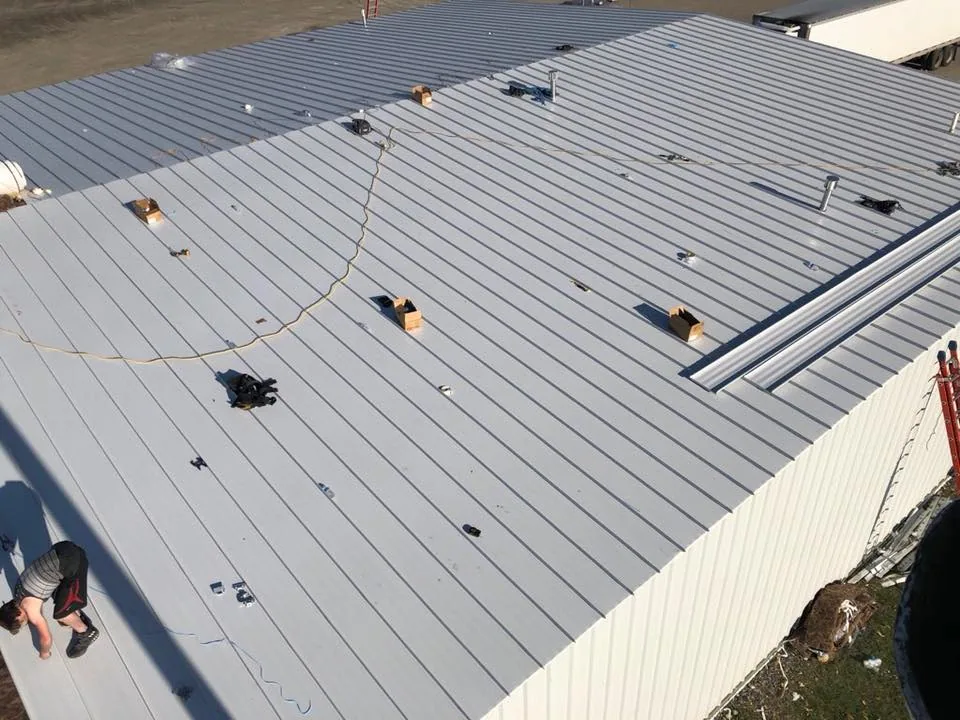
A roof damage record identifies the location, system and observed condition, supported by dated photographs where access is safe. We inspect seams, flashings, penetrations, edges and drainage around the reported area. Each image receives a location description so a reviewer can connect it to a roof plan or building reference. A commercial roof inspection distinguishes direct observations from areas that need further testing or opening.
We avoid turning a stain, dent or storm date into a conclusion about hidden damage. Interior symptoms can help locate a roof investigation, but the visible path may not identify the full extent. The report notes limitations, weather conditions during access and any section that could not be examined. Where moisture below the membrane is suspected, targeted testing may be recommended. The record stays useful by stating what is known and what evidence would resolve an open question.
Storm context: Keep the event and property evidence distinct
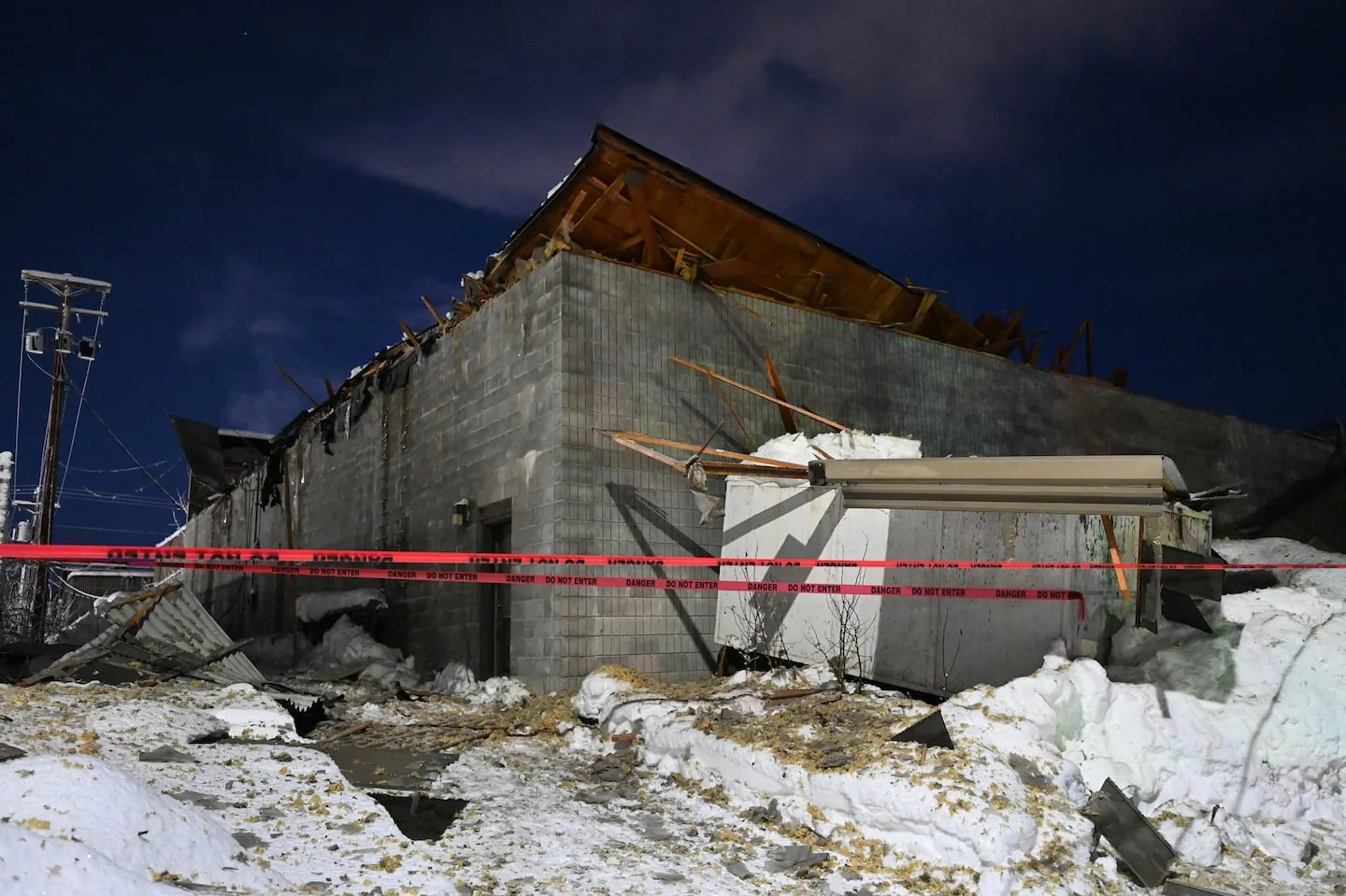
Significant hail fell in the Bryan-College Station area on April 8, 2021; the 2019 tornado touched down east of Bryan in Brazos County. The 2021 hail event and the 2019 tornado east of Bryan are part of the area’s storm history, but neither establishes damage at an individual building. A claim file should pair any event context with property-specific roof observations, such as lifted membrane, punctured metal, displaced flashing or interior water entry. We make that distinction explicit in the findings.
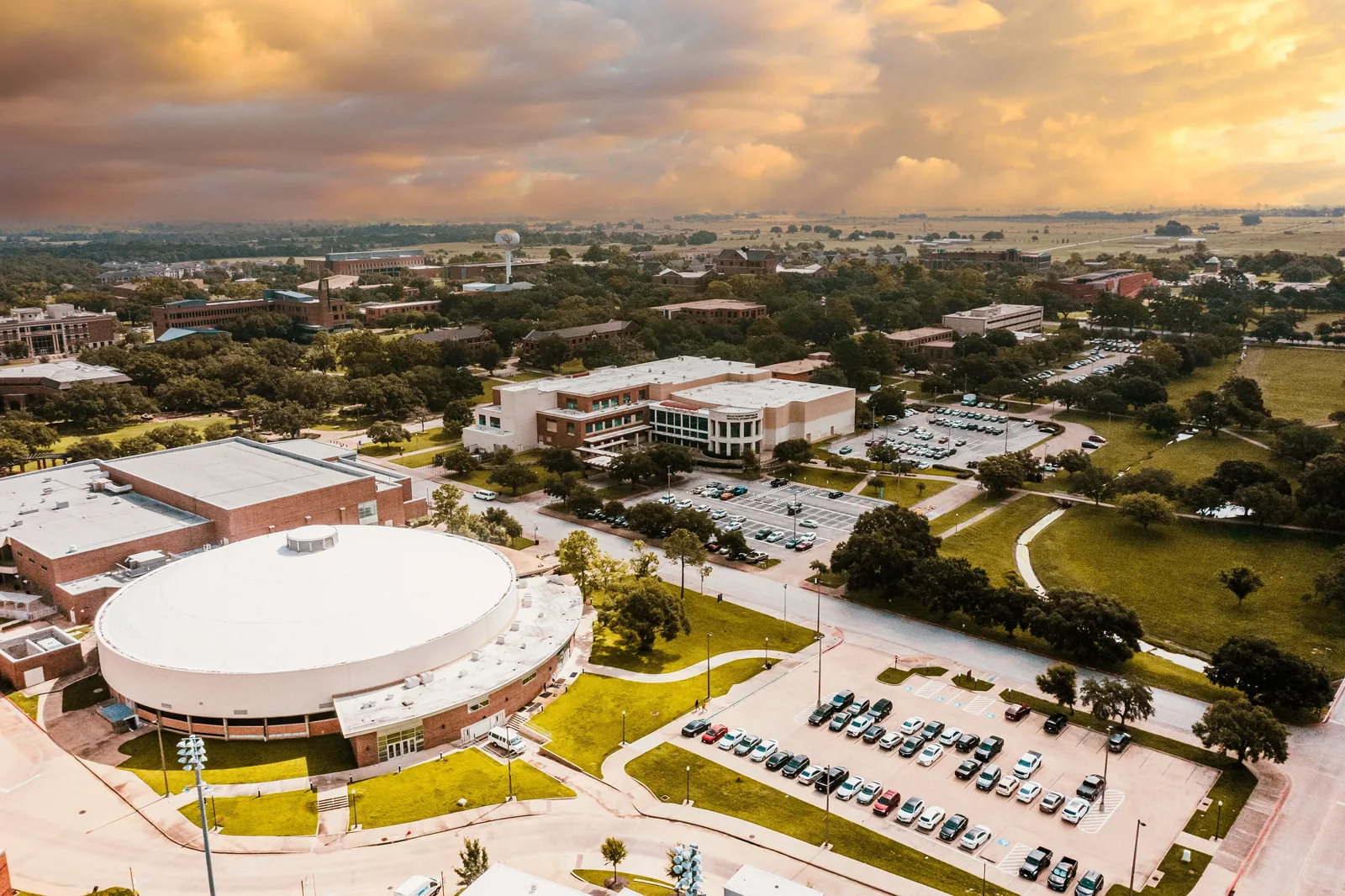
Downtown Bryan’s restaurants, shops and galleries have their own operating hours; a property in Bryan Business Park likewise needs its access and interior uses documented individually. The roof record identifies the actual space beneath the affected section and any access or protection issue relevant to repairs. We tie each finding to the assembly inspected and the damage visible at that building, keeping the claim documentation focused on evidence from the roof under review.
Repair scope: Define the roofing work
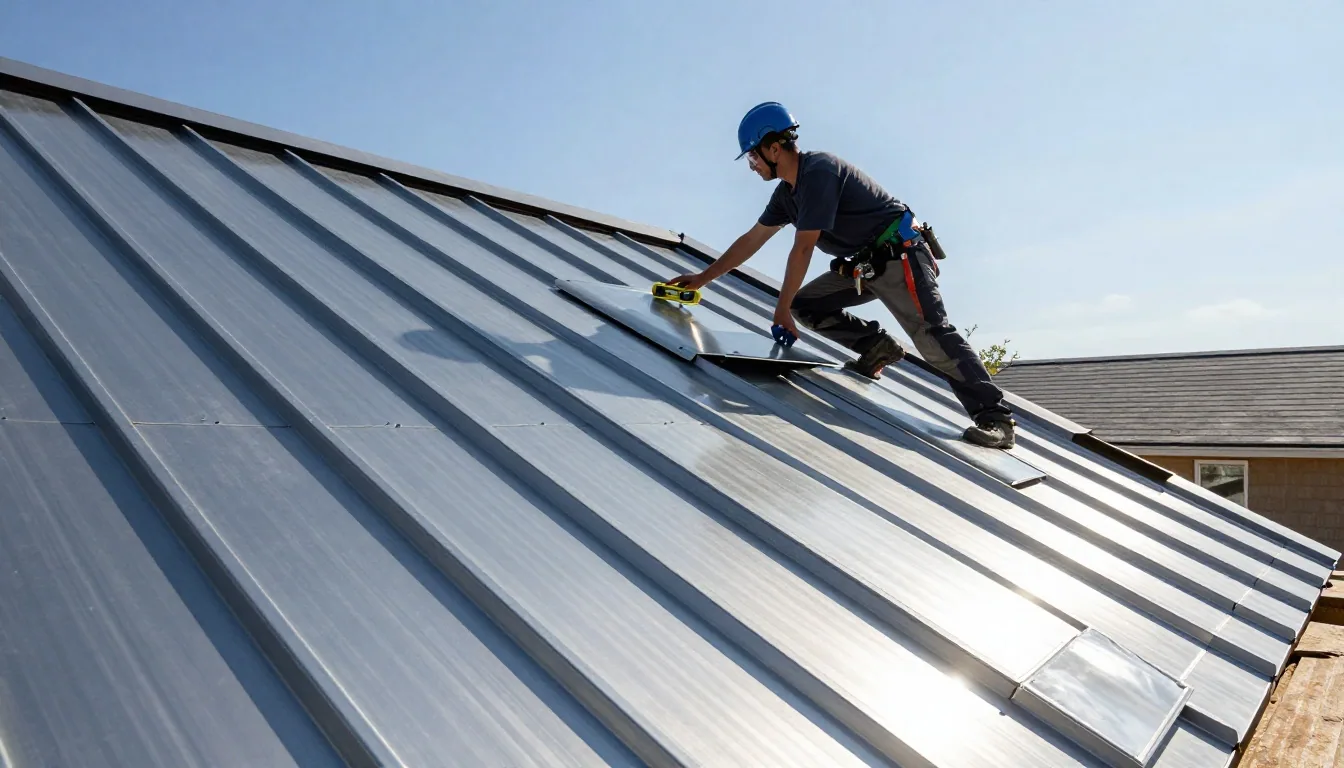
The scope describes materials, work limits and the sequence needed to restore the roof. It identifies temporary dry-in, removal, substrate inspection, insulation replacement, membrane repair and flashing work when those tasks are supported by findings. A storm damage repair plan is prepared around the affected assembly and safe access, not a generalized event description. We explain conditions that may change after removal exposes concealed materials.
The estimate separates roofing tasks from plumbing, electrical, mechanical and interior restoration work performed by other trades. Quantities are based on accessible measurements and defined boundaries; additional damage found during removal is documented before the scope expands. A repair proposal can include the materials, access needs, scheduling assumptions and exclusions relevant to the task. This lets the owner compare the roofer’s work with the claim record without treating an initial estimate as a coverage decision.
Temporary protection: Record emergency work
When a roof opening is active, temporary dry-in can reduce exposure while the permanent scope is prepared. We document the location and materials used, the date of stabilization and any limitations that remain. Photos before and after the temporary work help show which area was protected. The building contact receives the return task and any inspection interval needed to check the closure during changing weather.
Temporary material is not described as a permanent repair. We identify what must be removed, replaced or incorporated into the final detail and confirm the next access window. If a storm arrives before permanent work is possible, the roof contact knows which section remains under interim protection. The emergency roofing response and the later repair scope stay connected in the record without merging their materials or labor into an unclear line item.
Coordination: Keep building operations in the record
Access limits, occupied areas and production schedules can affect how a repair is staged. We identify the delivery path, roof entry, work zone and interior protection with the building contact. Bryan Business Park operations may require coordination around loading and equipment; in Downtown Bryan, retail or dining activity can affect hours and the protected area below. Those details support the repair schedule and claim documentation without implying a particular property’s roof condition.
For roof-finish replacement inside Bryan, the roofing contractor must secure a city building permit and arrange for the required final inspection. If an observed repair grows into replacement, we confirm the permit path and list that requirement in the project plan. The City provides online applications and inspection scheduling through its development-services portal. Repair, restoration and finish-replacement records stay tied to the work performed; the building contact receives the inspection or closeout documents that apply to the project.
Frequently Asked Questions
Will the insurer approve a roof repair?
No. We document roofing observations and prepare a repair scope, while the insurer evaluates coverage under the policy. We do not promise an approval or a claim outcome.
What should the first inspection record include?
It should identify the roof area, visible conditions, photographs, access limits and any testing or opening needed to resolve concealed questions. We keep storm context separate from property-specific findings.
Can emergency dry-in be included in the claim file?
Yes. We can record where temporary protection was installed, its materials and remaining limitations. The permanent repair is documented separately so interim work is not mistaken for final restoration.
Will the estimate include interior and mechanical repairs?
Our scope describes roofing work. Interior restoration and mechanical, electrical or plumbing tasks are identified as separate trade work when the findings require those services.
What if more damage appears after removal begins?
We document the newly exposed condition and its location, explain the added work and coordinate authorization before expanding the repair. The revised scope remains connected to the original roof record.
Closeout: Assemble an understandable file
A complete roofing file can include the inspection record, photographs, repair scope, change documentation, invoices for work performed and closeout observations. We label each item by roof area and date so a reviewer can follow the sequence from reported damage through stabilization and permanent repair. We can organize findings through written roof condition reporting while keeping claim correspondence and policy questions with the owner and insurer.
The final roof record states what was repaired, what remains outside the scope and whether follow-up inspection is recommended. If removal exposed concealed damage, the additional finding is documented with its location and the proposed work before proceeding. Claim review can take place on its own schedule; the roofing record remains an account of observed conditions and completed work. That separation gives the owner a usable maintenance history after the immediate claim is resolved. The dated record keeps inspection findings, repair limits and completed work connected without treating an estimate as a coverage decision.
When the project proceeds, dated photographs and a clear repair boundary help connect the initial observation to the final work. We record changes that arise during removal and explain why the scope changed before proceeding. The owner can then keep the roofing record with invoices, communications and closeout information while the insurer handles policy interpretation and payment decisions.
Start with the roof evidence
Share the reported damage, building use and any access limits. We can inspect the roof, document observed conditions and prepare a defined roofing scope.