Commercial Tornado Damage Roof Repair in Bryan, TX
After a tornado warning or wind event, a commercial roof review starts with safety and a clear record of what changed. Missing edge metal, displaced panels, debris strikes, punctures, and interior water are different observations and may require separate responses. Keep staff off the roof until access is safe, then compare dated photos, interior reports and prior repairs before setting the boundary. In Bryan, identify the service address, building contact, known roof assembly, and any areas that should be isolated before arranging a site visit.
A commercial roof inspection can map visible conditions, photograph affected roof zones, and note what could not be reached. The written scope ties each proposed repair to the affected roof area, the interior report and the conditions found during inspection.
Safety: secure the area before evaluating the roof
Keep people away from fallen materials, standing water near electrical equipment, and any space where ceiling components have shifted. If an opening exposes the building, arrange appropriate temporary protection and document what was installed. Record the work date, materials used, location, and party responsible for the temporary measure so it can be checked after conditions improve.
Roof access should wait until the property contact and qualified contractor can assess safe entry. From the ground or interior, note obvious openings, displaced components, and water reports without reaching through damaged ceilings or climbing unapproved access points. A commercial emergency response can stabilize an urgent condition while a permanent scope is still being developed.
Temporary protection limits immediate exposure while the next inspection checks insulation, deck, fasteners and adjacent assemblies. Its attachment and drainage also need a follow-up check if weather changes. The written record should distinguish stabilization from completed roof repair and identify a follow-up review where concealed conditions remain uncertain.
Weather records: use them as context, not a property diagnosis
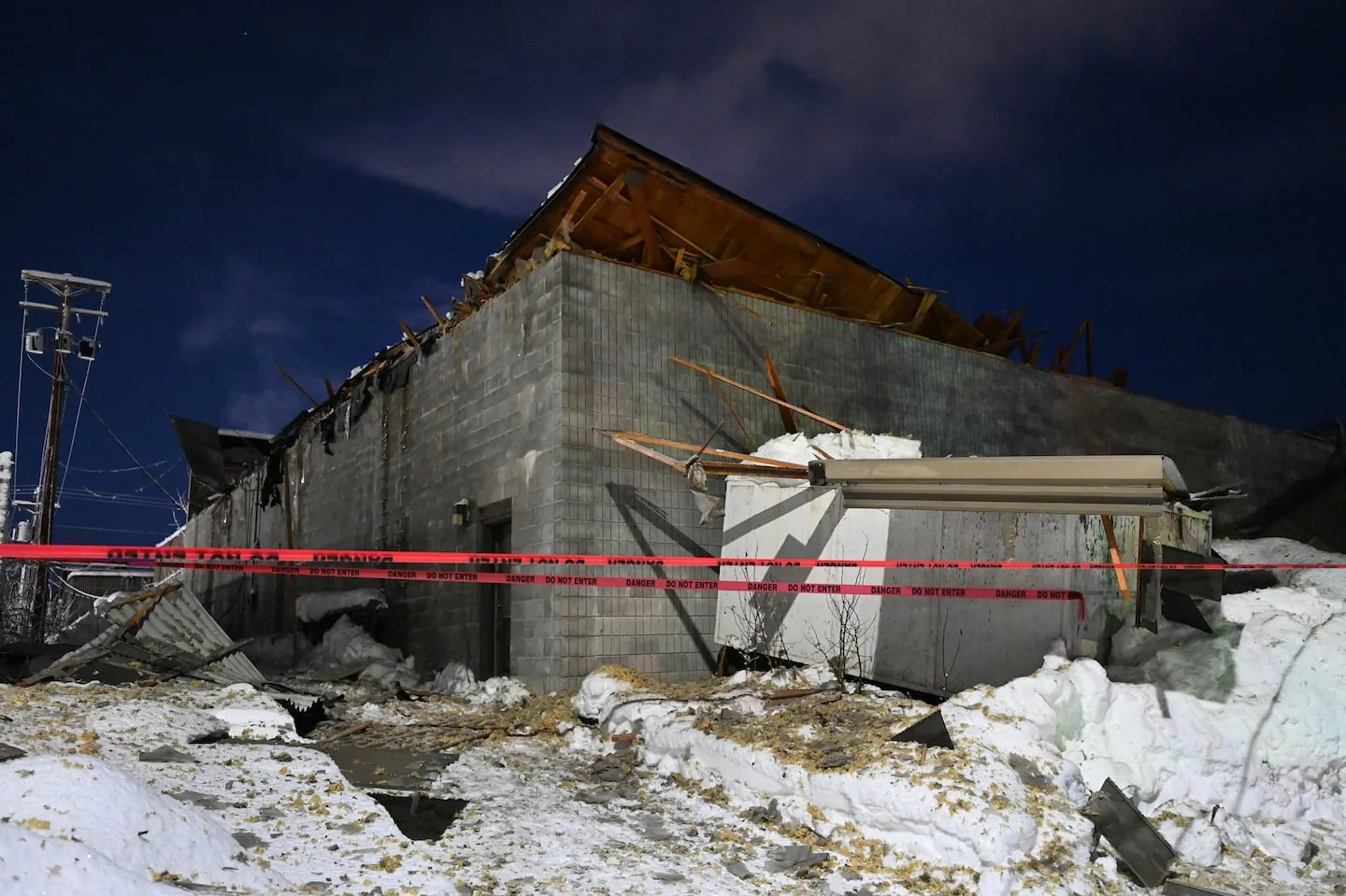
Four commercial buildings or warehouses and a house sustained damage in the 2019 Brazos County EF-2 tornado, whose touchdown was approximately four miles to the east of Bryan. That entry can help a property manager find dated inspection notes or prior repair files. Use the date to locate the building's own reports, photographs and contractor records, then compare them with the affected roof area and plausible debris paths.
Compare the roof area with the interior report and inspect plausible pathways after safe access is established. A wind concern can involve perimeter attachment, panel edges, flashing, curbs, skylights, or debris impacts. Each should be photographed and described separately. If there is also a hail concern, a separate assessment for commercial hail-damage roof repair records impact marks; hail marks and wind displacement call for distinct observations.

Openings: trace displacement and interior reports
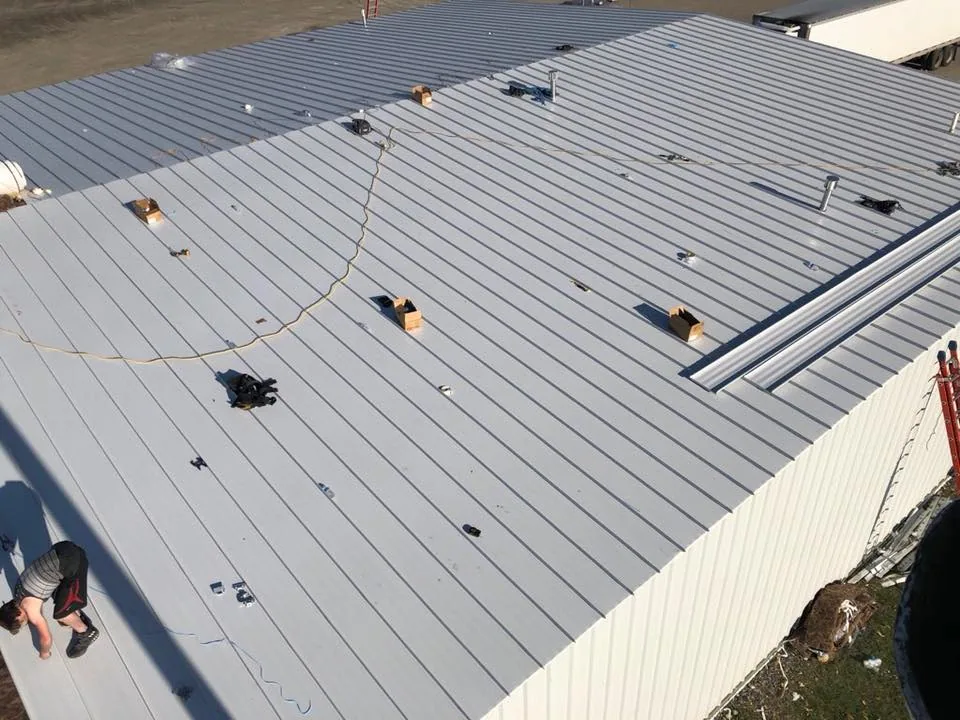
Start with a roof map and label each affected section. Record panel or membrane type, perimeter details, seams, penetrations, drains, and transitions between additions. Photograph the full context before taking close views of fasteners, laps, flashings, or damaged edges. A detail that appears loose from the ground may need closer evaluation; the report should state what was actually observed and how it was accessed.
Inside, note the room, time, weather, and whether water is active or only visible as an older stain. Water may follow a deck or wall before reaching the interior, so trace more than the point directly above the stain. Distinguish damaged ceiling materials from roof findings and avoid removing finishes without owner approval. A targeted roof repair scope should connect each task with a documented condition.
Where the event affected several roof types or additions, keep the findings separated by assembly. A membrane seam, metal edge, and rooftop curb require different observations. If evidence is incomplete, explain the missing access or records and list the next inspection step rather than overstating certainty.
Wind-related work: separate it from other repairs
A focused correction may suit a local opening or displaced flashing when the surrounding assembly remains serviceable. Broader edge, attachment, or deck concerns can require a larger review. Compare the proposed work with the observed area and ask for photos, material details, access needs, and exclusions. A wind-damage roof assessment focuses on pressure and movement evidence; it should not be assumed that all storm conditions have the same cause.
If the roof cannot be repaired reliably, a replacement plan should define removal, substrate review, edge conditions, drainage, sequencing, and protection of occupied space. Restoration or coating may be considered only when the existing assembly and preparation requirements support it. Do not combine unrelated items into an unexplained allowance; identify which finding each cost addresses.
Compare alternatives using common assumptions for scope, work hours, cleanup, maintenance, warranty terms, and schedule. State any hidden-condition allowance and the process for obtaining approval before extra work begins. This helps the owner distinguish urgent weather protection from longer-term capital planning.
Repair access: plan it for the property in use
Before mobilization, identify the owner representative, tenant contacts, roof-access rules, loading times, and areas that cannot be blocked. Set a work boundary, material route, debris plan, and process for communicating a change. Assign protection duties clearly for inventory, vehicles, equipment, and public routes. Where a closure is needed, communicate its duration and the person who can authorize reopening.
Downtown Bryan’s commercial mix contains shops, dining and galleries; South College and Texas Avenue also have corridor revitalization programs. For a roof review, the building's loading route, occupied areas and access window set the work sequence.
If weather interrupts an exposed repair, the crew should state how the roof will be secured at shift end and who will verify temporary protection. The owner should know how to report a new interior symptom and which contact can authorize an after-hours response.
Frequently Asked Questions
How should the 2019 tornado shape a roof review?
A storm date can help organize maintenance notes; the roof inspection identifies current conditions at the property. An inspection should document observable details and limits.
What should happen before a storm-damaged roof is inspected?
Protect people from unsafe areas and arrange appropriate temporary measures for exposed openings. Roof access should wait until a qualified contractor and property contact can review safe entry.
Can temporary roof protection count as a permanent repair?
Not by itself. The closeout should label temporary stabilization and identify any further inspection or permanent work that remains. Concealed conditions may need review after safe access is available.
What should a tornado repair proposal include?
It should map affected zones, connect proposed tasks to observed conditions, state access and protection assumptions, list exclusions, and identify how completed work will be recorded.
Bryan permits: keep permit and inspection records together
A roof-finish replacement on a property inside Bryan's city boundary calls for contractor permit submission and a final inspection. Check the address jurisdiction and current requirements before confirming a start date. The development-services portal supports online filing and lets applicants arrange inspection activity and review results. Keep the approval and inspection records with the roof map, photographs, work scope, and installed-product information.
For a local project review, begin with the Bryan commercial roofing area and provide the address, event history, roof type if known, and any access restrictions. Share sensitive site details only with the verified project contact. The inspection can then establish what is visible, what needs further evaluation, and which repairs should be priced separately.
At closeout, request a marked plan showing completed areas, dated photographs, materials installed, and any condition left for later review. Confirm that temporary protection has been removed or transferred to an identified maintenance plan. Note whether the original symptom was reproduced during a return visit and what weather or operating conditions were present.
Store the records with prior inspections and repair history. A future facilities contact should be able to trace what changed, which roof zone was involved, and what maintenance remains. The file should also state exclusions and the next review date, so a later report can be compared with a known baseline instead of relying on recollection.
Arrange a commercial wind-event roof review in Bryan
Share the property address, event date, known roof assembly, and immediate access concerns to begin a focused assessment.