Commercial Roof Warranty Management in Bryan, TX
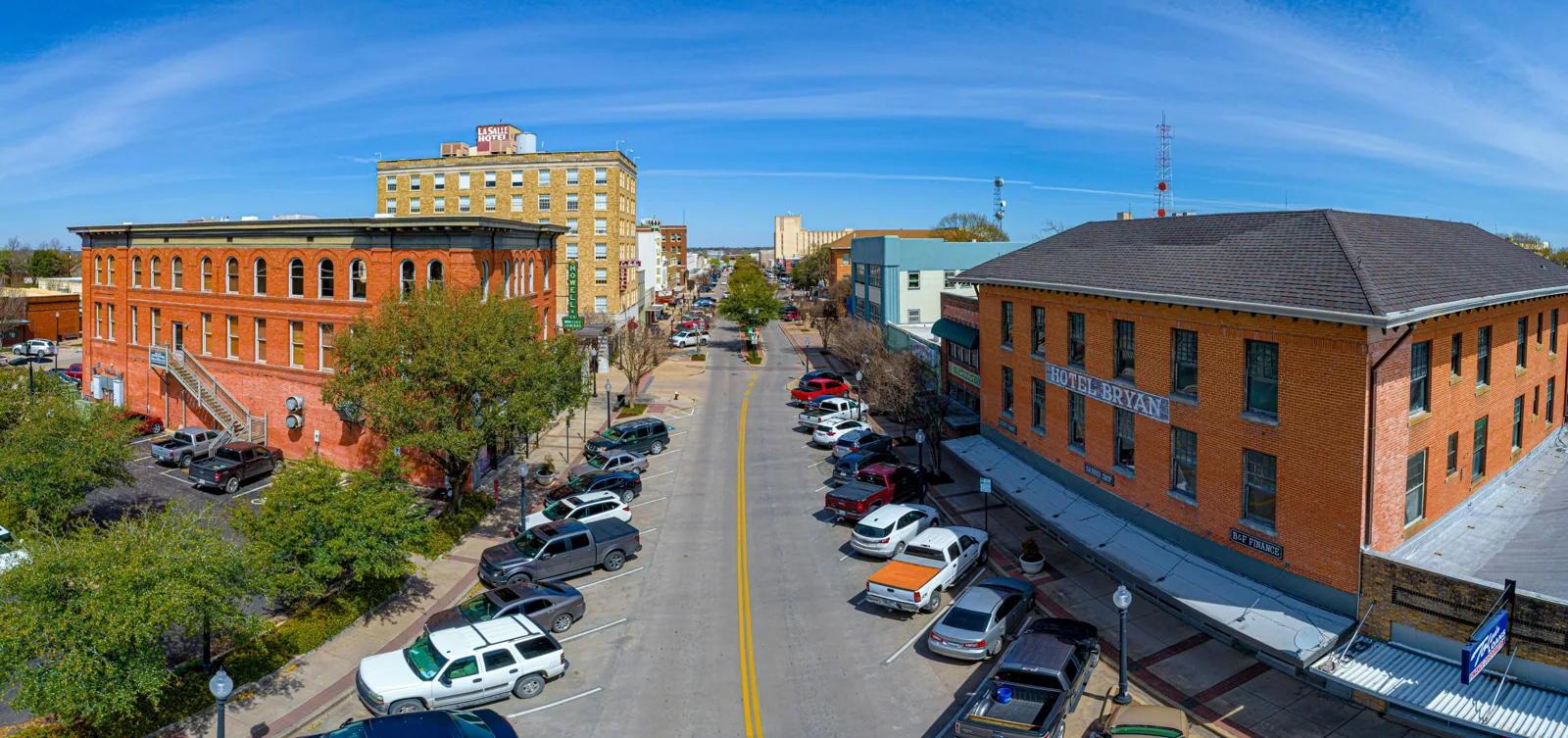
A warranty file matters when a roof decision has a deadline. In 2019, tornado damage in Brazos County included one house plus four commercial buildings or warehouses; the EF-2 touchdown was roughly four miles east of Bryan. Hail reports for April 8, 2021 around Bryan-College Station ranged from 1-2.75 inches, with the most significant hail in the 9-9:30 p.m. period. We organize available roof history so the team can identify the assembly, locate governing documents and track recorded work beside current inspection findings.
Warranty management begins with the exact roof area and the documents in force for it. We compare available closeout material with current field observations, note gaps, and keep each roof zone distinct. A commercial roof review in Bryan can establish what is visible today and what records the owner should gather before planning a repair or replacement.
Document register: connect each roof to its paperwork
A site can have more than one roof system, project phase or set of closeout files. A useful register identifies each building or roof zone, installation scope, system description, project date, document version and related contacts. We record what the paperwork says without treating a product label or invoice as proof that every roof area has the same assembly. If older repairs or additions changed a section, those entries stay connected to the area they describe.
The governing document may set specific coverage terms, prerequisites, exclusions, inspection steps and notice procedures. Those conditions differ by product, assembly and project. We place the applicable documents beside the roof map and mark the requirements that affect maintenance or proposed work, leaving coverage decisions to the written terms and responsible parties. A photo-backed condition report helps connect current observations to the zone record without rewriting the warranty language.
We mark gaps instead of reconstructing details from memory. The register shows which scope each record covers and what should be requested from the owner, general contractor, installer or manufacturer. That separation keeps an old closeout sheet from being applied to later work it does not describe.
Inspection history: keep findings tied to dates and locations
Inspection records are most useful when each entry says where the crew walked, what was accessible, what they observed and what action followed. We use a consistent roof-zone reference, take photographs of significant details, and note limits such as inaccessible areas or equipment blocking a view. The owner can then compare later visits against a known condition instead of relying on a short note that says only that the roof was checked.
For a warranty review, we organize the available system information, dated inspection notes, photographs, repair records and open questions. The file distinguishes what the roof walk confirmed from the items that need additional access or testing, giving the owner a practical basis for the next maintenance or repair decision.
For a planned review, a commercial roof inspection can record seams, penetrations, drainage, perimeter details and visible repairs. If moisture is suspected below the surface, an infrared moisture survey may add information when conditions support that method. Each record should identify the method used and its limits, so later readers know what the visit did and did not examine.

Maintenance log: record the work that protects the assembly
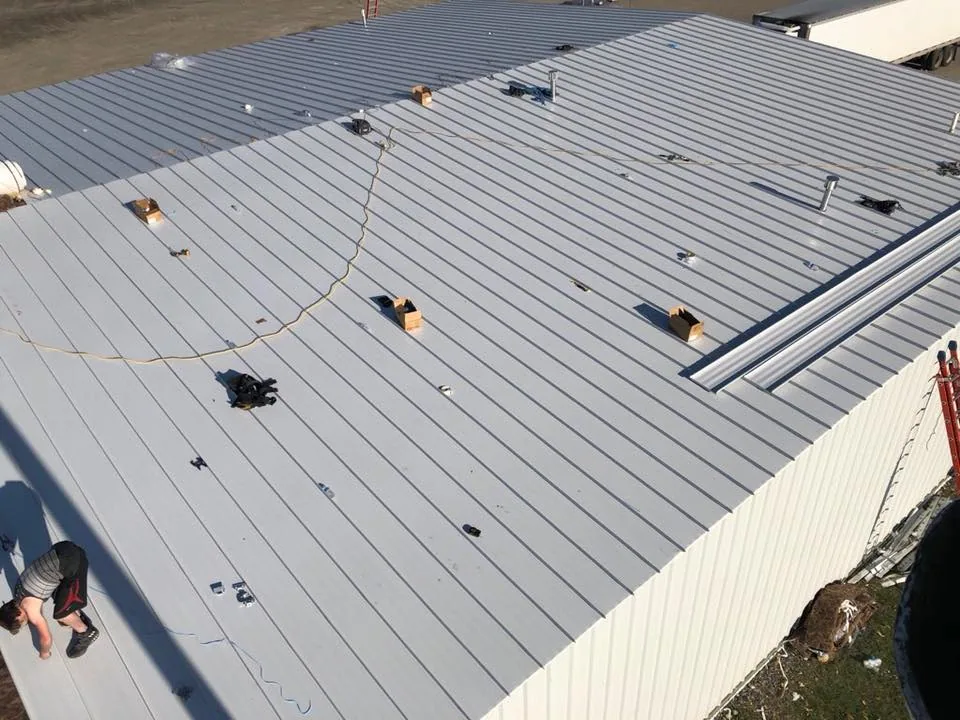
Maintenance entries should identify the roof area, date, observed condition, work performed, material used and any follow-up still open. Drain cleaning, flashing repairs, seam work and equipment changes affect different parts of the assembly; a one-line sitewide note loses those distinctions. We keep photographs with the corresponding entry and connect a repair to the detail it addresses, including the edge or transition around it.
Bryan Business Park is a local commercial business area where the work log should identify the roof zone, access window, temporary protection and trade handoff confirmed with the property contact. That record helps the next visit distinguish completed work from a new condition and gives the building team a clear sequence to review.
A preventive maintenance visit can update the log and flag repairs for pricing before they become part of a larger scope. Where the roof has a managed asset record, we can add the visit to a roof asset register that tracks zones and work history across the property. The record supports decisions; it does not change the terms in a separate warranty document.
Notice workflow: route a concern before work changes the roof
When a leak or storm concern appears, start a dated record with the location, interior effect, photographs, weather information available and the person coordinating access. The next step is to inspect the roof and preserve relevant evidence before a repair changes the condition. If temporary protection is needed, document what was done, where it was placed and whether a permanent repair remains open.
Notice deadlines and recipients come from the governing documents. We assemble roof observations and work records for the owner’s review; the project team follows the procedure that applies to its file. Keep communications, delivery confirmations and replies with the relevant roof-zone record. A routine maintenance note does not replace a separate notice requirement.
For a storm-related issue, a roof insurance documentation scope can organize photographs, observed conditions and repair boundaries for review. That record describes the roofing work and the evidence available; the insurer or other responsible party determines its own process. After the immediate condition is stable, we can price the lasting correction and preserve the before-and-after record.
Closeout: carry requirements into the next roofing scope
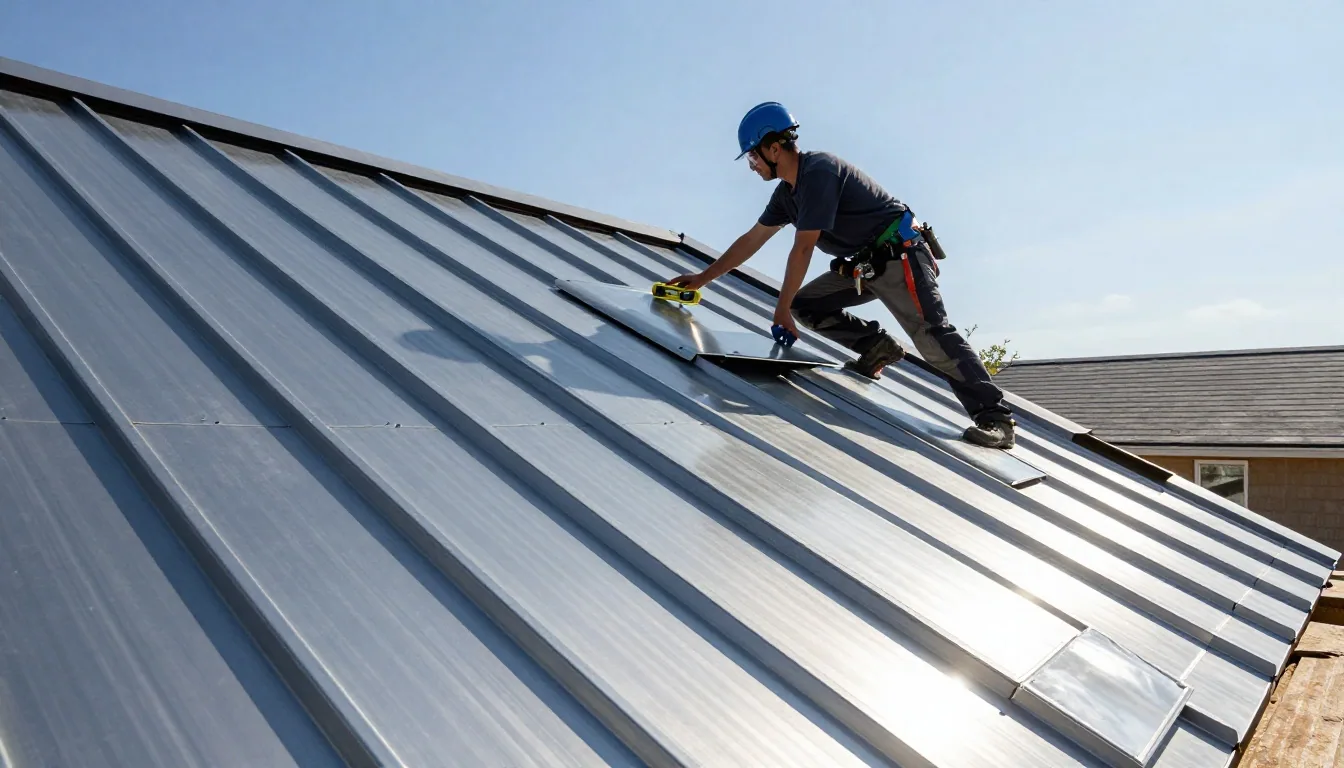
Before new work begins, compare the proposed scope with the existing file. A repair that cuts into a membrane, a new curb, a coating or a replacement layer can change the details that later inspections need to track. We identify affected zones, describe tie-ins and list the closeout documents expected from the roofing work. The scope should say who will collect photographs, product information, inspection results and approved changes, then where those records will be stored.
For roof-finish replacement in Bryan, the contractor obtains a permit and the city performs a final inspection. The online permitting portal carries applications, inspection scheduling and results. We place permit and inspection records in closeout so the next roof review can see which work was approved and completed. For an occupied roof project, a commercial replacement plan should preserve access, temporary dry-in and inspection handoffs while work moves across the building.
A future reviewer should be able to identify what was installed, where, when and under which scope, then find the next maintenance or notice step. A roof capital plan can use that history to stage work by condition and building priority. We can inspect the roof and list records or field questions before the next decision.
Frequently Asked Questions
Does a roof warranty promise that every leak will be covered?
No. The written terms define coverage, exclusions and required conditions for the specific project. We document the observed roof condition and compare it with available records; the decision follows the governing documents and responsible party.
What should be in a commercial roof warranty file?
Keep the applicable warranty document, approved scope, product and assembly records, closeout material, inspection logs, photographs, repair history, notices and replies together. Identify the building area each record covers so a later reviewer can trace the work.
Should we repair a leak before reviewing the warranty paperwork?
Protecting the building comes first when water is entering. We document the condition, install necessary temporary protection, and record the location and materials used. The owner can then follow the notice procedure in the applicable documents before permanent work proceeds.
How do Bryan storm records fit into a warranty review?
They provide dates and regional context, not a finding about an individual roof. We pair any event information with a dated roof inspection, photographs and repair history, keeping the event date separate from the inspected roof condition.
What records should a replacement contractor return at closeout?
The closeout package should match the approved scope and list roof zones, installed materials, photographs, permit and final inspection records where required, and any open maintenance item. We agree on those deliverables before work starts.
Review the roof warranty file
Share the roof condition, building use, available documents and proposed work window. We can arrange a walk, organize the roof records and agree on the next roofing task.