Solar-Ready Commercial Roofing in Bryan, TX
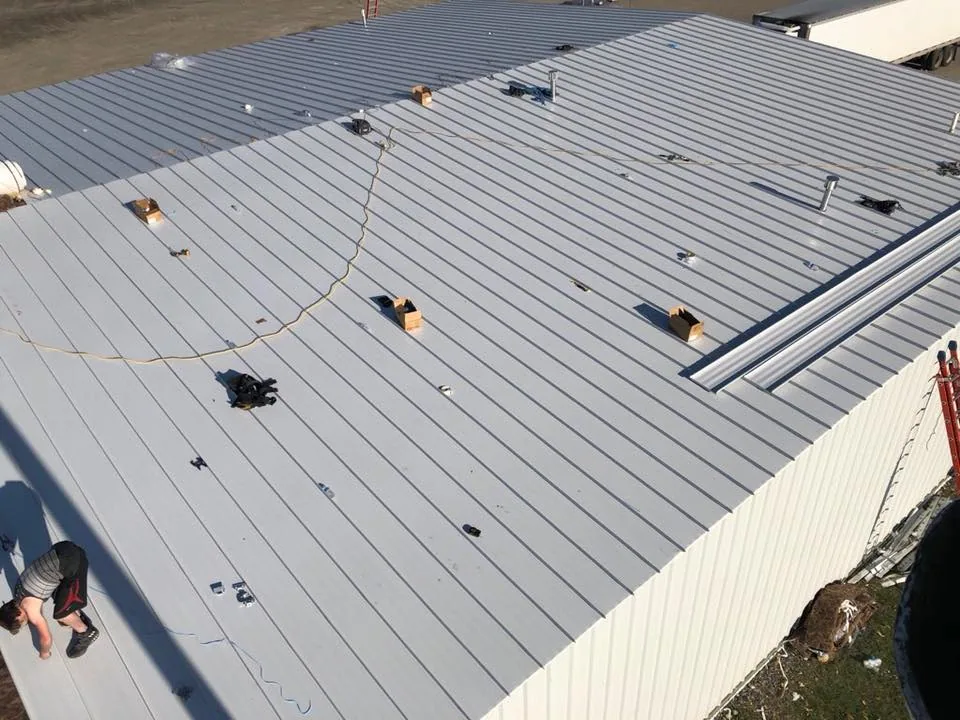
A future solar array can outlast the roof beneath it, so readiness begins with the assembly’s condition and remaining service plan. In Bryan, we inspect the membrane, insulation, seams, drainage and proposed attachment areas, then coordinate roofing details with the solar designer and structural professional. The solar designer develops the photovoltaic system; our roofing scope prepares or restores the roof and coordinates flashing and membrane work affected by the array.
At a Bryan Business Park property, a solar-roof assessment starts with the building's equipment layout, roof condition and access needs. The solar and structural designers evaluate the proposed array against building documents while we inspect the roof and coordinate its weatherproofing details. We identify the roof work that should precede an array, including repair, replacement or compatible flashing. Before an array is scheduled, the team resolves roof repairs, attachment interfaces and maintenance access so later equipment work does not cover an unresolved defect.
Roof condition: Align service life before equipment
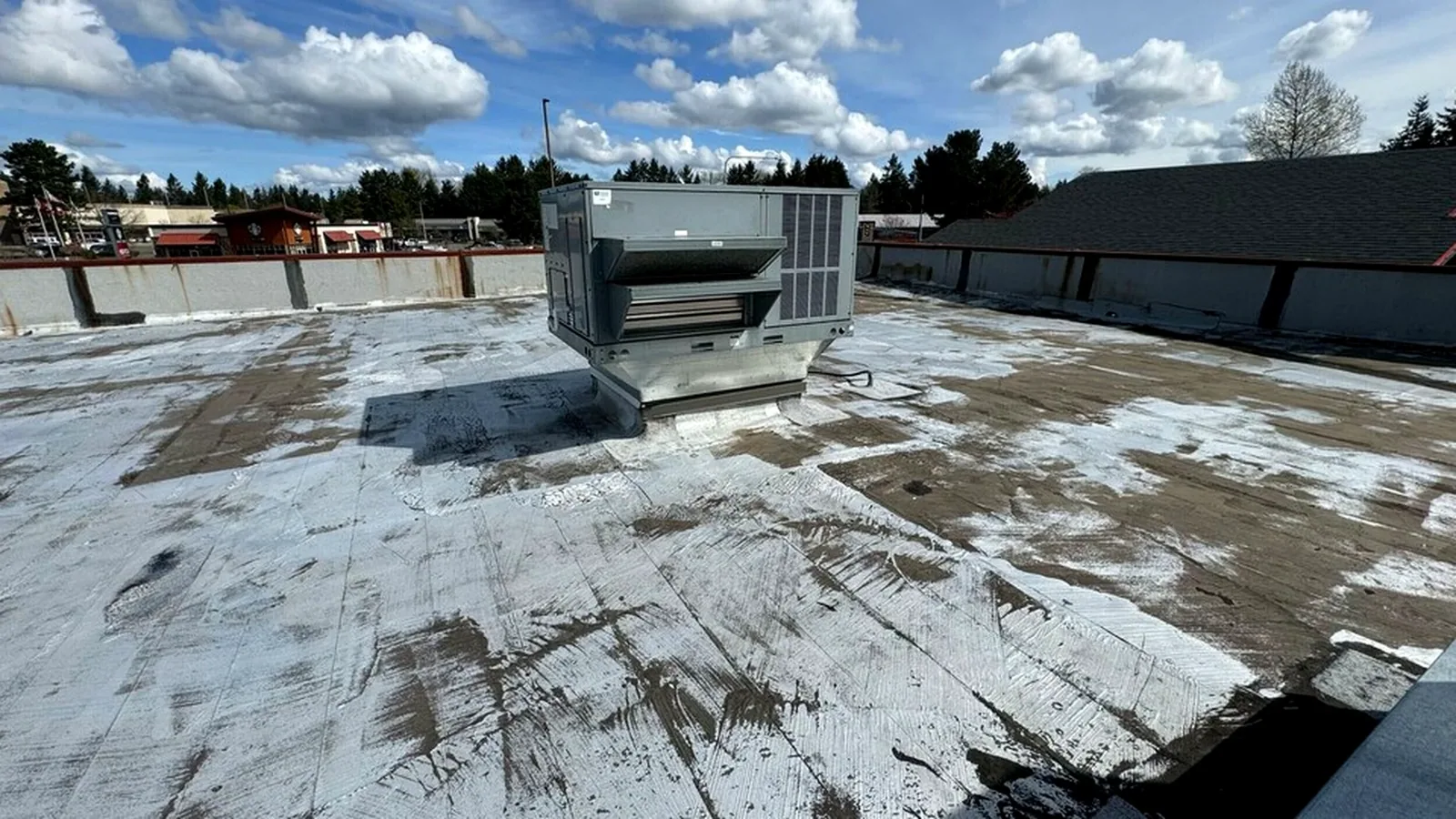
A roof nearing replacement may be a poor base for a new array that would need to be removed for future roofing work. We review inspection history, visible deterioration, repair patterns and moisture concerns, then describe whether the roof needs broader evaluation. A roof condition inspection helps establish what is visible and what requires further testing. Decisions about array life, attachment and structural capacity belong with the project’s design team.
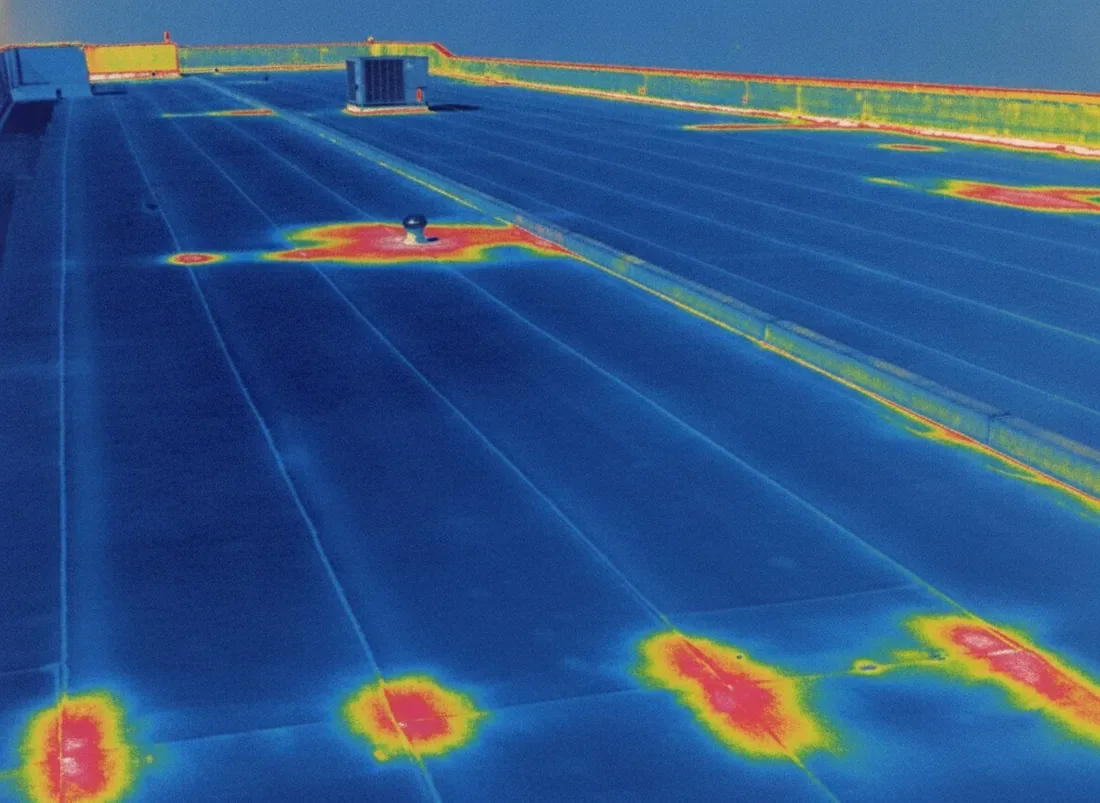
If moisture is suspected below the membrane, a targeted roof moisture survey may help locate areas for investigation when conditions support that method. Findings must be considered with roof construction and other evidence before equipment locations are selected. We do not cover unresolved wet areas or assume that the visible membrane represents the full assembly. The roofing scope identifies repair or replacement boundaries before the array blocks access.
Attachment coordination: Keep loads and roof details separate
The solar engineer or structural professional establishes whether the building can carry array loads and how supports attach. We provide roofing observations and coordinate the weatherproofing details once the approved support layout is available. Equipment loads, wind design, electrical routing and code compliance are not determined by a membrane repair. A recover assessment may inform the roof decision, but it does not replace structural review of a planned solar installation.
Penetrations and attachment points can interrupt the membrane and create a service path that later trades need to access. We review the proposed locations, curb or mount type, flashing method and compatibility with the roof system. Where the array uses ballast rather than penetrations, the designer still determines loading and the roofing team confirms that installation and maintenance can occur without damaging the surface. The final detail is coordinated from approved project documents.
Membrane and flashing: Protect each roof opening
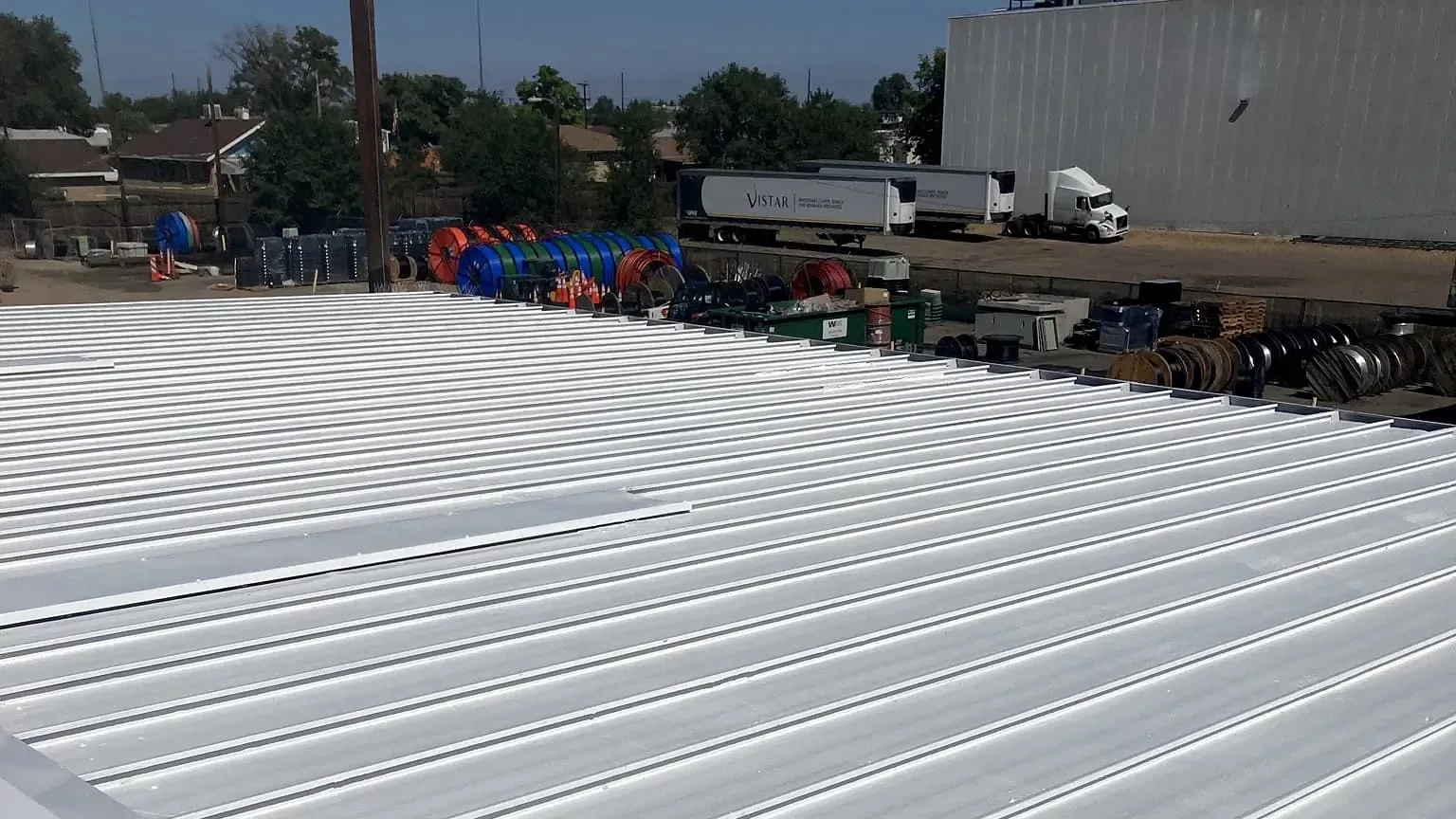
Conduit, equipment curbs and support penetrations need flashing suited to the installed roof system and the movement expected at that connection. We identify who supplies and installs each component, then define the roofer’s tie-in and inspection point. A penetration flashing detail is coordinated before the array hides the surrounding membrane. The closeout records each roofing connection that will later sit beneath or beside equipment.
A roof surface can be sound while a new conduit penetration remains incomplete. We check the membrane termination, curb corners, seam welds and edge of any protective walkway. Installation sequence matters: roof repairs and flashing should be inspected before solar equipment covers the access area. The solar contractor and general contractor receive the boundary for completed roofing so later fastening does not disturb the tie-in.
Drainage and access: Keep service routes workable
Array layout must leave the drainage path and roof openings available for inspection. The solar designer coordinates row spacing and access; we identify drain bowls, scuppers, expansion joints, skylights and existing equipment that the roof work must preserve. Regional heat and storm exposure make access for future repair a practical consideration. If the array layout changes water movement or restricts a drain, the design team needs to revise it before installation.
Maintenance routes should permit a roofer to reach seams, penetrations and drains without moving modules or damaging wiring. We review the proposed path with the solar contractor and mark roof areas that should remain accessible. A drainage detail review can be included before array placement. The plan also identifies how debris, tools and removed membrane will move during any future roof repair.
Solar equipment also creates future service paths that should be considered before the layout is released. We review where technicians will reach disconnects, wiring routes and roof drains, then identify any membrane area that must remain visible for inspection. The array designer confirms electrical and equipment requirements; our review concerns access to the roofing surface and the continuity of the water barrier. A TPO roof assembly has details that differ from other systems, so the project documents should name the membrane and its approved flashing method.
The Texas Triangle Park area includes rail-served industrial property, which makes delivery sequence a useful planning question for a large roof project. The site contact confirms property access and equipment routes before array staging.
Project sequence: Set the roofing work before array delivery
A practical sequence starts with records and inspection, then resolves replacement or repair, confirms approved attachment details, closes penetrations and makes the roof available for solar installation. We coordinate one handoff at a time with the project manager and installer. A solar-ready project that requires roof-finish replacement follows Bryan’s contractor permit and final inspection process. We coordinate those steps before array construction begins.
The building contact also needs a schedule for access, staging and any temporary roof opening. In Bryan’s industrial areas, material deliveries may conflict with active loading routes; in Lake Walk, office and retail operations can affect work hours and protected zones. We identify those conditions with the property team rather than making assumptions from the neighborhood. Change to the array design can affect curb positions and membrane work, so roofing details are rechecked against revised drawings.
Frequently Asked Questions
Can a roofer certify that this roof is ready for solar?
We can inspect and document roofing conditions. Structural capacity, attachment design, electrical work and solar-system performance require the appropriate project professionals.
Should the roof be replaced before installing solar?
That depends on roof condition, remaining service plan and array design. We document the assembly and repair needs so the owner can coordinate timing with the solar designer.
Who decides where solar supports attach?
The project’s solar and structural design professionals establish attachment and loading. We coordinate the roof flashing and membrane details against their approved layout.
Can solar panels cover drains or seams?
Drainage, access and roof repair routes should remain available. The solar layout is reviewed with the roof plan so outlets and critical details are not blocked.
Do you install the solar array?
Our scope is roofing work and coordination at the roof interface. The solar contractor handles photovoltaic equipment, wiring and system commissioning.
Closeout: Preserve roof records for future solar service
The roofing closeout lists repaired or replaced areas, membrane details, penetration locations and remaining maintenance needs. Photographs and drawings help the solar installer avoid disturbing the completed weather barrier. We note which array supports and electrical components were furnished by others and identify the roofing boundary. Future service can then focus on roof materials and flashing without confusing it with photovoltaic performance or electrical maintenance.
A roof maintenance program can include accessible areas around the array, drains and perimeter details. The building owner receives a record that links roof work to the approved solar layout and marks access limits. Where future removal may be needed for replacement, the project documents identify the array area affected and the required trade coordination. Solar-ready roofing means the roof and array plans have a defined interface, with each design responsibility kept clear.
When the owner is comparing roof timing across buildings, a roof capital plan can keep reroof dates, condition findings and array schedules in one discussion. Keep the engineering review and solar design package with the roof closeout. The project record should identify which roof areas are ready for work and which questions must be answered before equipment is delivered.
Coordinate the roof before solar delivery
Share the roof inspection history and proposed array layout. We can identify roofing work and flashing interfaces to resolve before equipment arrives.