Home / Service Areas /
Commercial Roofing in Wixon Valley, TX
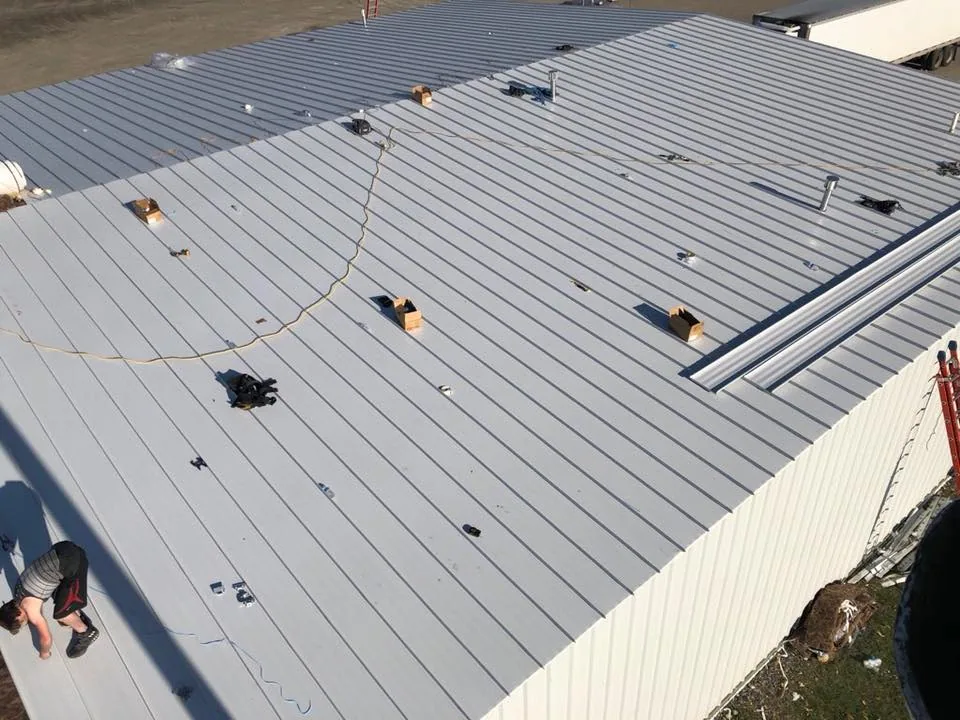
A Wixon Valley roof visit starts with the reported concern and the occupied area beneath it, then checks the assembly before a repair boundary is priced. In Wixon Valley, TX, we start with the reported condition and inspect the roof's drainage, edges and interior water path. The community lies along U.S. 190 in north-central Brazos County, northeast of Downtown Bryan. Those routes orient the visit; the roof walk establishes the repair boundary. A commercial roof inspection maps the visible condition before work is priced.
Weather record: preserve the roof evidence
After hail, the first useful record is a roof-zone map with dated photographs, not a general note that a storm passed through. We inspect flashing, edge metal, membrane seams, drains and penetrations for impact or displacement, then compare those observations with the reported interior condition. In April 2021, significant hail affected the Bryan-College Station area; a Wixon Valley repair needs a separate record of the exposed membrane, edges and flashing connections. A hail damage assessment can organize observations and the next authorized step without treating every mark as a replacement condition.
Wind-driven rain may enter at a loose termination or travel beneath a surface before it reaches a ceiling. We note the likely water path, nearby joints and any prior patch so the repair is placed at a sound tie-in. If a concealed deck or insulation layer could change the boundary, we describe a controlled opening and the approval needed before removal. Photos should show enough context for another reviewer to locate the roof zone, along with close views of the detail under discussion.
Inspection route: map zones before opening
A complete walk follows the water path from the reported interior area toward seams, drains, walls, curbs and roof edges. We identify which parts are visible, where access is safe and which conditions need a closer test. The report separates a confirmed defect from an area that only looks suspect from a distance. When moisture mapping or a test cut could affect the repair, the proposal states who authorizes it and how the opening will be restored. A roof condition report gives the property team a useful baseline for later work.
On a large roof plane, crews can overlook small transition details while concentrating on the open field. We record the seam direction, flashing termination and any change in substrate around the affected zone. A drain, scupper or overflow path is checked for obstruction and connection condition, with plumbing questions listed separately from membrane work. The inspection also records prior coatings or patches that may affect adhesion. Those observations help avoid a repair that bonds to a loose or incompatible layer.
Access itself is part of inspection quality. We agree on the entry, required fall protection, route across the roof and any area that cannot be crossed. If the roof surface is wet, fragile or obstructed, the walk changes accordingly. The owner or general contractor can provide available plans and past repair notes, but field observations still verify what is present. A focused commercial repair scope can then describe the affected zone without expanding into unrelated roof work.
Material choice: prepare the tie-in that exists
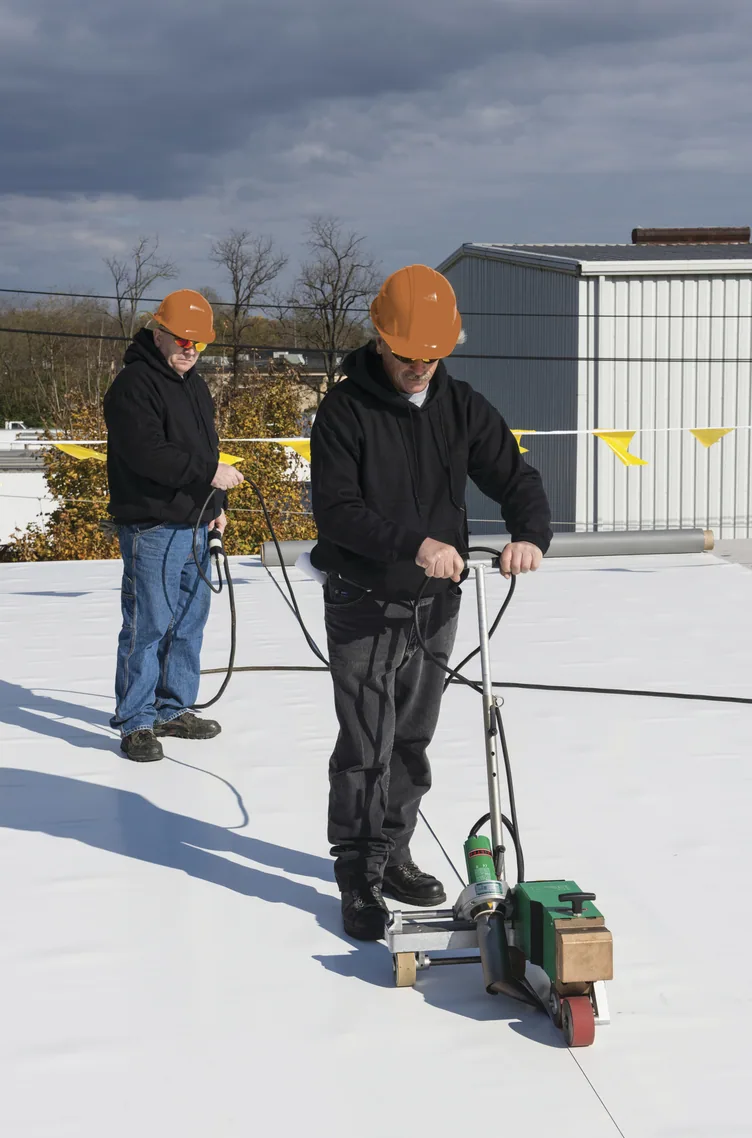
A repair method starts with confirmed material and condition, not with a product name selected before the roof is seen. We inspect laps, seams, fasteners, flashings and previous repairs, then note whether the substrate is dry, firm and clean enough for a durable connection. A coating may be considered only when the existing surface and adhesion conditions support it. For a confirmed EPDM assembly, the EPDM system review can help frame the material questions, while the field scope stays tied to the installed roof.
At a curb or pipe, the flashing must connect to both the roof surface and the penetration detail. We check the termination height, fasteners, sealant condition and any movement that could reopen a seam. If a mechanical trade will alter the assembly, the work plan names who closes the penetration, protects the opening and verifies the finished transition. That handoff keeps a new unit from obscuring incomplete roofing work. The closeout photos should capture the tie-in before equipment or walk pads cover it.
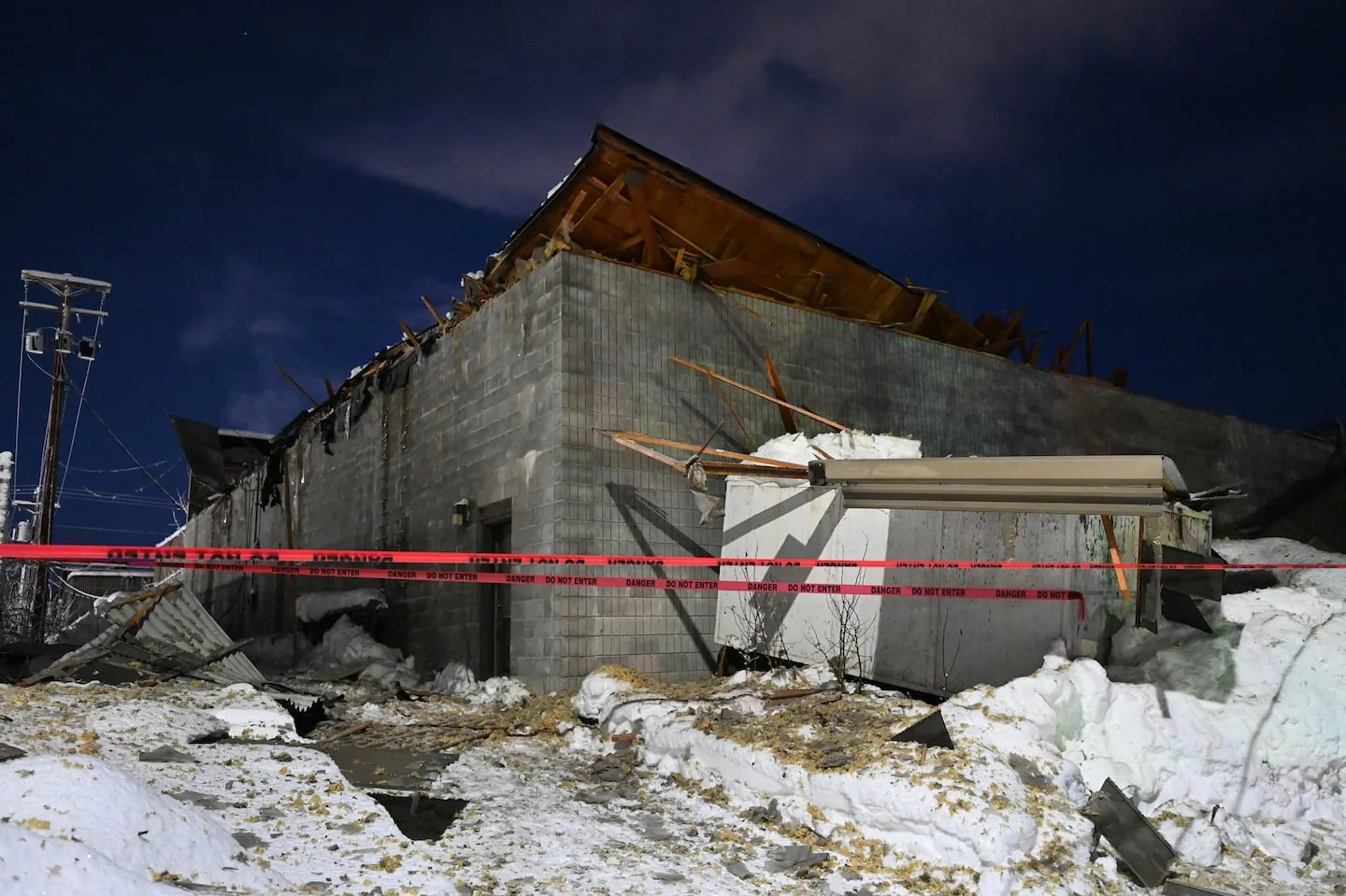
Replacement becomes a separate evaluation when deterioration extends beyond the isolated defect or the deck condition cannot support a repair. We compare the work area, removal depth, insulation condition, perimeter changes and drainage corrections before presenting options. A roof replacement evaluation can distinguish a focused repair from restoration or tear-off when the inspection supports those choices. The estimate names assumptions that still need confirmation, especially where an opening could expose concealed conditions.
Occupied use: keep the work zone predictable
Even a limited roof repair can affect doors, service routes or occupied space below. Before mobilization, we confirm the affected room or aisle, temporary protection, delivery path and lift location with the property contact. The crew stages materials in a defined area and keeps a route open for the building team. Properties in Kurten and College Station have their own access conditions; each Wixon Valley project still needs its site-specific sequence.
The daily plan should cover removal, substrate inspection, repair, tie-in and dry-in. Crew sequencing starts with the amount of tear-back the roof can tolerate; we then confirm the adhesive, surface and forecast allow a watertight close by shift end. If weather interrupts the task, the crew records the protected boundary and the next step rather than leaving a verbal handoff. A maintenance visit can be scheduled after repair to inspect the completed transition and note any nearby condition that was not part of the original scope.
Closeout: set the next roof decision
Closeout records the repaired roof zone, materials, photographs, weather limits and any condition left open. We note the completed flashing or seam and identify the next inspection point, especially where a later trade may return to the roof. A preventive maintenance visit can check drains, edges, penetrations and earlier repair areas against the new baseline. The owner receives a handoff that distinguishes completed work from an item requiring separate authorization.
For recurring leaks, a service history should connect each visit to a date, roof zone, reported room, repair material and observed result. That makes it easier to tell whether a later stain follows the same path or reflects a separate condition. We record if moisture remained concealed, whether a test was declined and what change would justify returning. Those limits keep the next estimate from assuming that an area was removed when it was only covered or patched.
When a project has several possible scopes, the decision record should compare cost drivers without hiding the physical differences. A seam repair may need local preparation; broader restoration may require surface cleaning and adhesion checks; replacement can change insulation, perimeter and drainage details. We state the access, removal and closeout assumptions for each option. The building team can then coordinate timing with other work and choose a sequence that protects the occupied areas below.

Frequently Asked Questions
What does the hail review document?
We date the photographs, identify each roof zone and record visible impact, displacement, flashing condition and any interior report. The inspection distinguishes observed damage from conditions that need a test or separate decision.
How do you decide whether a test opening is needed?
A test is proposed when a concealed layer could change removal depth or repair selection. We name the location, purpose, restoration step and approval needed before making the opening.
Can other trades work near a roof repair?
They can when the opening, access path and flashing responsibility are assigned in advance. We agree on who protects the roof, who completes the termination and how the tie-in will be inspected before the next trade covers it.
What changes the daily work area?
Weather, substrate condition, delivery access and the time needed to reach a secure dry-in point can reduce the section completed in one shift. We plan around the material instructions and record any change to the work window.
What should the closeout handoff include?
The roof zone, repair material, tie-in photographs, remaining restrictions and any unresolved condition give the next reviewer a usable starting point. We also state which follow-up needs separate authorization.
Arrange a Wixon Valley roof review
Share the roof concern, building use and available access window. We can coordinate a field walk, document the roof zone and define the next roofing task.