Home / Service Areas /
Commercial Roofing in Kurten, TX
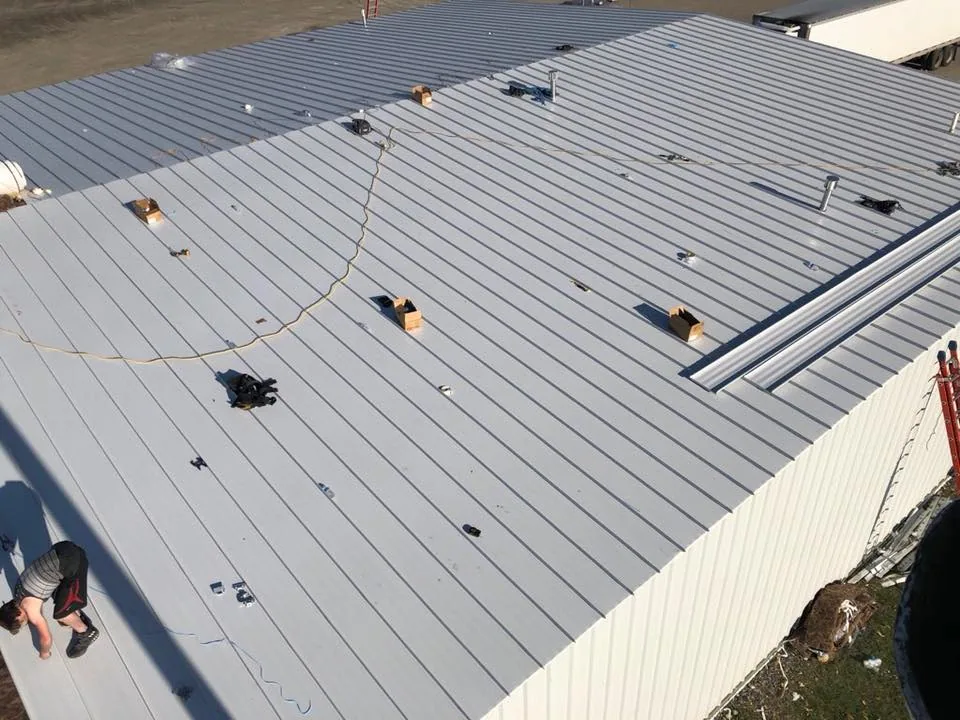
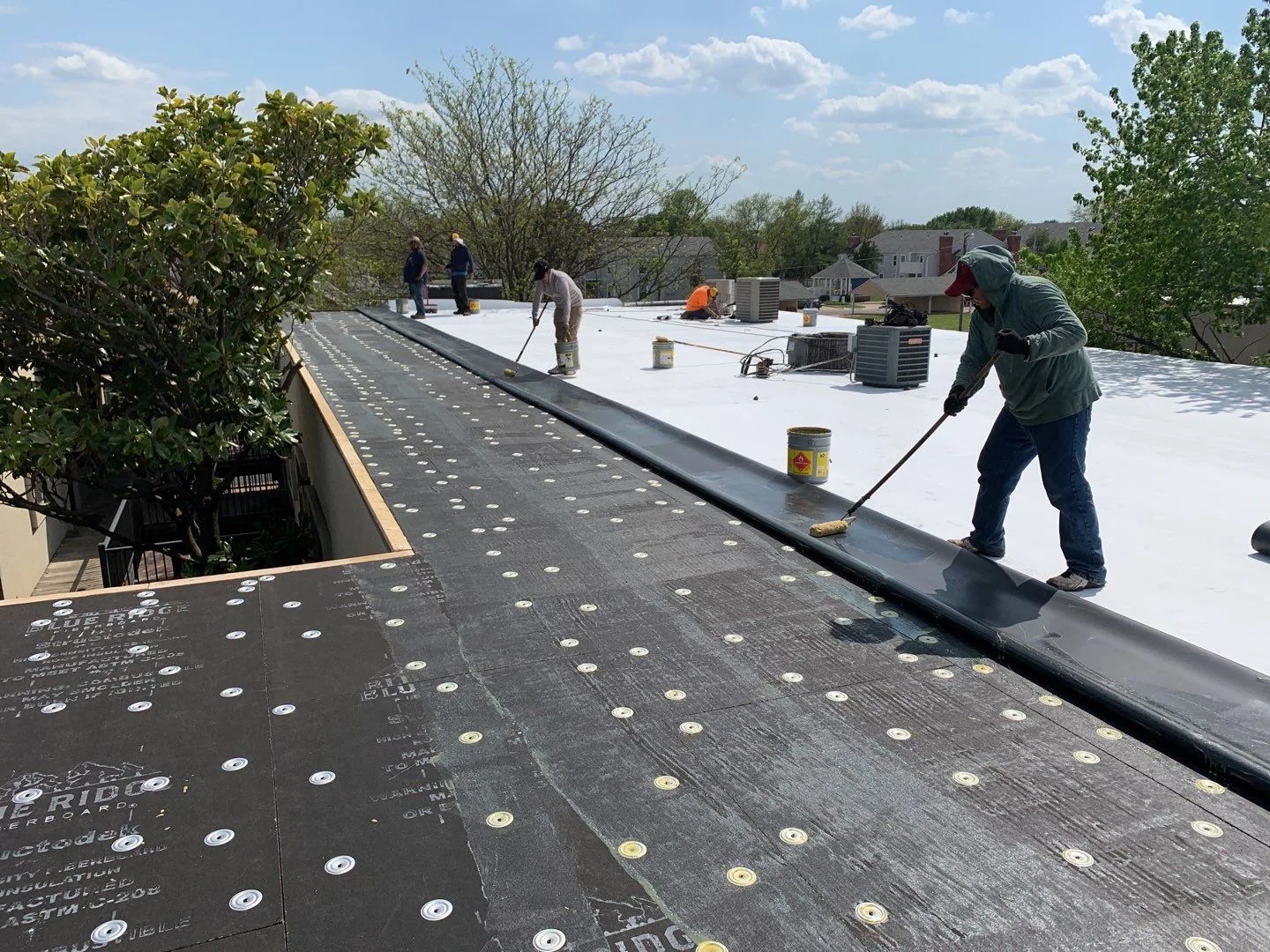
On a hot roof, material handling and adhesion can tighten the day’s work window; in Kurten, TX, we set the limit and dry-in point before opening the assembly. We check the installed roof, drainage, perimeter details and reported interior condition, then confirm access with the building contact. U.S. 190 runs through Kurten in northern Brazos County, northeast of Bryan; the road helps coordinate mobilization, while the scope stays tied to the property in front of us. A commercial roof inspection identifies the area, assembly and next decision.
Access: set the work window and delivery path
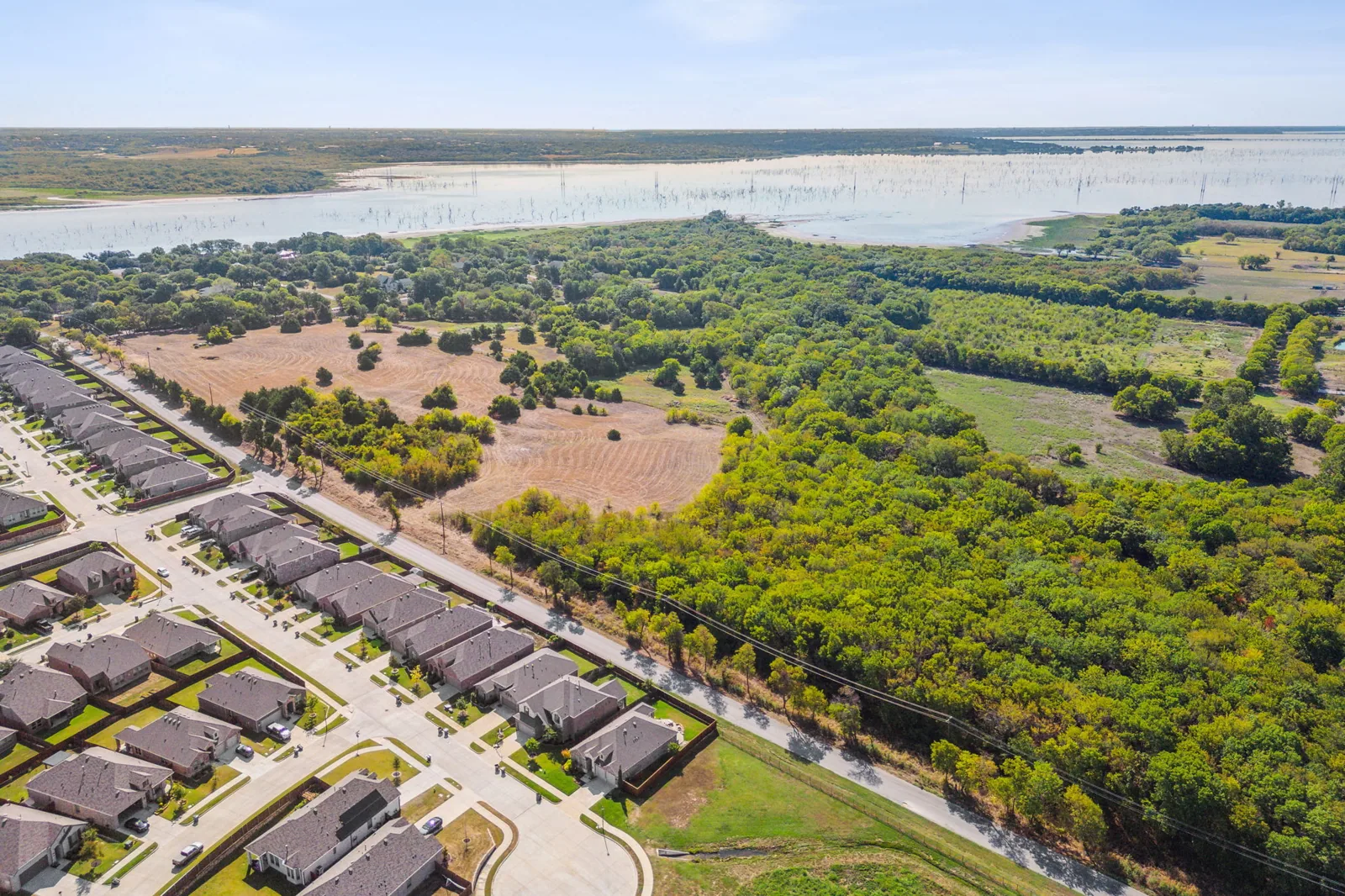
U.S. 190 gives the Kurten service area a clear geographic reference, but each mobilization still depends on the building entrance, approved roof access and the space below the work zone. We coordinate the route for people and materials with the property contact, then identify where a lift, dumpster or temporary protection can be placed. The crew should not discover a blocked entry after tear-off begins. A Wixon Valley roof visit can follow the same regional road, while its access plan remains separate from the Kurten site.
Roof access also includes the path back down. We identify where removed material will be handled, how tools leave the roof, and who checks temporary barriers below. If the work involves an opening, the daily sequence must reach a dry-in point before the crew demobilizes. We define that stopping point in advance so a forecast change does not leave the next trade guessing which surface is safe to approach. The written repair scope records the access assumptions along with the roof boundary.
Inspection: connect the interior report to the roof
A ceiling mark may appear beyond the actual entry point, particularly where water follows a deck, insulation joint or framing line. Our inspection compares the reported room with seams, penetrations, drain locations, wall transitions and edge conditions. We photograph the roof zone and note the evidence that supports a repair. Where a concealed layer could change the work, the report identifies an authorized test opening and the restoration needed afterward. A photo condition report gives the property team a stable reference for approval and later review.
On a low-slope assembly, small defects can affect a larger path. A split at a seam, an open termination or a blocked drain may let water move beneath the membrane before it becomes visible indoors. We check whether the surface is clean enough for a reliable inspection and separate direct observations from areas that remain concealed. If moisture testing or a controlled opening is needed, the proposal states where it happens, who approves it and how the cut is closed. That boundary keeps diagnosis from turning into unpriced removal.
Assembly: verify material before choosing a repair
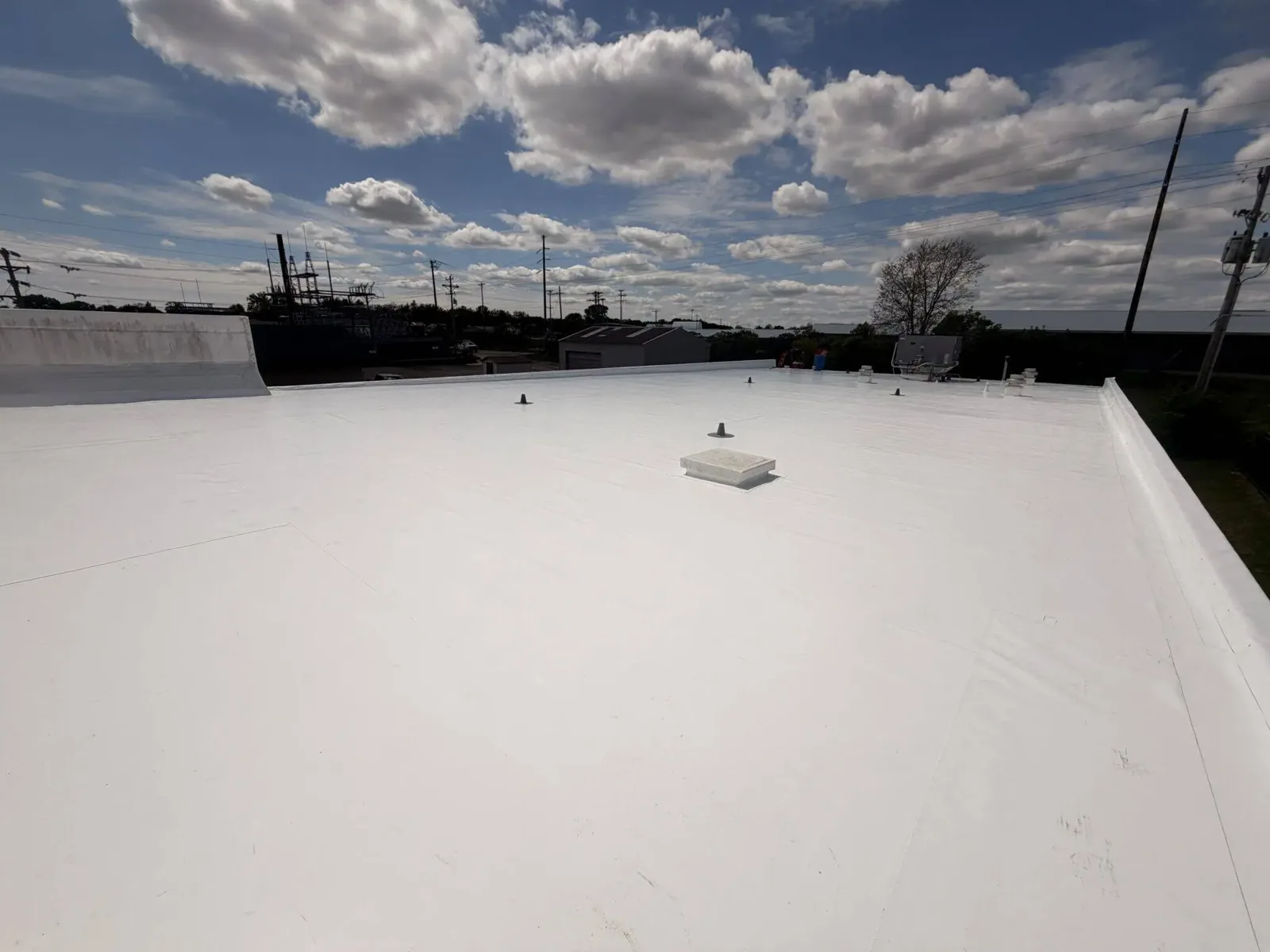
Membrane color alone does not establish what is installed or what a patch will bond to. We inspect seams, laps, fasteners, flashings and previous repairs, then compare visible details with any available roof records. A TPO, PVC or EPDM surface may require a different preparation and attachment method than a modified-bitumen or metal assembly. A TPO assessment is useful only after the field check confirms that system. The written scope names what is known and flags the detail that still needs verification.
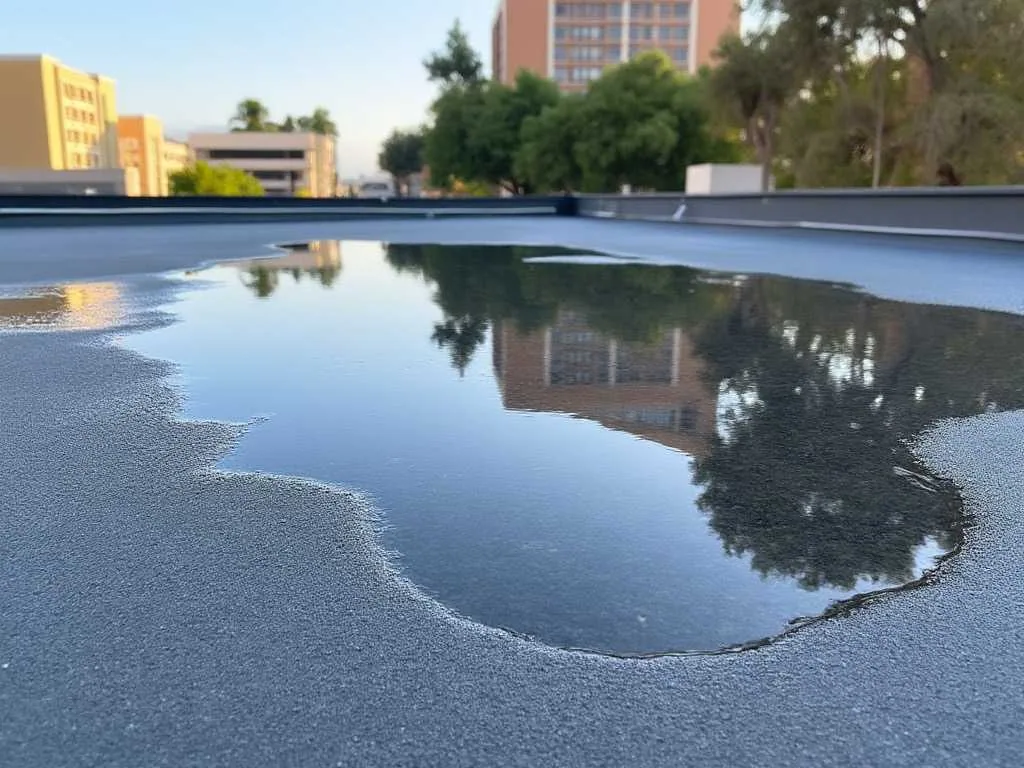
Drainage is part of the assembly review. We check drain bowls, scuppers, gutters, overflow routes and low points, then look for debris, failed connections or recurring ponding. The inspection distinguishes a roofing defect from a plumbing or structural condition that needs another decision-maker. If the deck or insulation is wet, we document the affected area before discussing replacement depth. A replacement evaluation can compare repair, restoration or removal when the roof evidence supports those alternatives.
Trade sequence: protect the opening and the space below
A repair above an occupied room requires a plan for both sides of the deck. Before cutting back membrane or insulation, we confirm the room or aisle below, the temporary protection and the person responsible for checking it. The superintendent and property contact agree on when that barrier can be removed. We stage material so the crew can complete preparation, repair and tie-in within the available window. An urgent stabilization visit can control active entry while a follow-up inspection defines permanent work and its limits.
Work sequencing should account for roof trades that meet at a curb, wall or edge. If a mechanical contractor is setting equipment, the roofing scope identifies the substrate and flashing condition required before the unit returns. If another trade needs a roof opening, the handoff names who protects the opening overnight and who makes the final watertight connection. These are field responsibilities, not assumptions. The contractor can then plan the crew, material delivery and inspection around one agreed sequence.
Weather can change installation conditions during a shift. We check the product requirements and the roof surface, then adjust the section size so exposed work can be closed before conditions change. For heat-sensitive adhesives or coatings, the temperature of the substrate matters along with the forecast. Work pauses when the application conditions are outside the material instructions. That decision should be reflected in the schedule and daily record rather than hidden inside a broad completion date.
Closeout: leave the next reviewer a usable record
After work, the closeout file records the roof zone, materials, tie-in details, photographs, weather limits and unresolved conditions. We identify any temporary protection that remains and who will check it. The owner receives a clear handoff for a later inspection or maintenance visit, with enough detail to find the repaired area without reopening unrelated roof sections. Properties in College Station and Hearne each need separate access plans, while the Kurten work remains tied to its own roof condition. The same record can support a future preventive maintenance visit that checks drains, seams, edges and penetrations against the current condition.
Recurring water reports deserve a service history with dates, weather notes, interior locations and repair results. That record helps a later crew see whether the same roof zone is involved or a separate path has developed. We note the material used, the surface preparation and any limit on the repair so a new proposal does not assume that a concealed layer was replaced. If the pattern changes, the owner can authorize testing or broader removal with a defined reason.
Budget timing can also depend on what the inspection finds. A localized seam repair, a drainage correction and an assembly nearing the end of service life are different decisions. We can set out the immediate work and any follow-up evaluation separately, with quantities, access assumptions and exclusions visible in each scope. The condition report gives the building team an evidence trail, while the contractor retains responsibility for stating what the crew can complete within the approved work window.
Frequently Asked Questions
What should a first visit settle before a repair is priced?
We locate the reported area, confirm roof access and inspect the assembly around the likely water path. If a concealed layer could change the scope, the proposal identifies the test and the approval needed before opening it.
Can a crew leave part of the roof open overnight?
The daily work zone should reach a secure dry-in point before demobilization. We plan the section size, temporary protection and weather limit before removal begins, then record any condition that affects the next shift.
How do you separate roofing work from equipment work?
The scope names the curb or penetration, its existing flashing condition and the trade responsible for each connection. We agree on who protects an opening and who completes the final watertight tie-in before equipment is returned to service.
What belongs in storm documentation?
Dated roof and interior photographs, the affected zone, visible impact or displacement, and prior repair details help define the next step. We keep observed damage separate from conditions that require a test or insurer review.
When does a repair become a replacement study?
Broad moisture, repeated failures or deterioration across several details may justify comparing repair, restoration and tear-off. We document the evidence and removal assumptions first so each option has a clear boundary.
Arrange a Kurten roof review
Share the reported roof condition, building use and preferred work window. Let us know which roof areas are accessible and what problem the site team is tracking.