Home / Service Areas /
Commercial Roofing in the Health and Wellness District, Bryan, TX
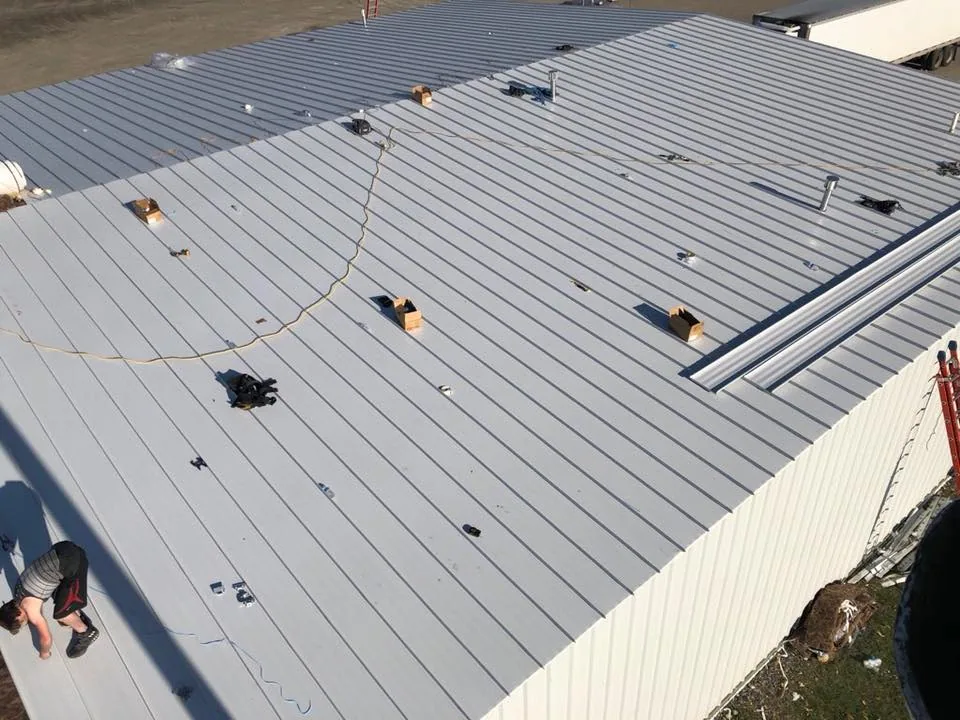
A fast-moving thunderstorm can turn a small roof opening into a same-shift dry-in decision. In Bryan's Health and Wellness District, the first step is to identify the individual property, the affected roof zone and the work window the general contractor can release. An active opening may call for a storm damage roof repair response with separate limits for temporary protection and permanent work. Bryan's Health and Wellness Area Plan addresses the area surrounding Blinn College and St. Joseph Regional Health Center. For the roof under review, we trace the reported water path, inspect accessible details and set a repair boundary before pricing a larger scope. A commercial roof inspection records what is visible and what still needs confirmation.
District context: separate the map from the roof
Before scheduling, the site contact confirms the property's boundary, roof access and jurisdiction. The roof walk identifies the building and work zones included in the approved scope.
Bryan identifies the Texas Avenue Corridor for retail and commercial property improvements and includes South College Avenue Corridor in its corridor beautification program. For a property in this district, we record its roof zones and shared access routes before mobilization.
Condition map: connect the report to a roof zone
A leak call may identify a room, ceiling mark or time when water appeared. We compare that report with seams, parapets, wall flashings, curbs, penetrations, drains and earlier patches on the roof. The visible stain can be offset from the entry point, especially where water can move through a deck or insulation layer. We photograph the details we can reach and note which areas remain concealed. If a test opening or moisture survey could change the repair choice, that question belongs in the scope before the roof is cut.
For a district property with active interior use, the walk also records access limits and areas that need protection below. We identify where tools and material can travel, who can authorize a roof opening, and what must be secured before another trade resumes. A roof condition report can keep the photos, location marks, observations and unresolved tests together. It should distinguish measured conditions from assumptions, so a later reviewer can trace why a repair boundary was selected and which area still needs investigation.
Water control: check the detail and the route out
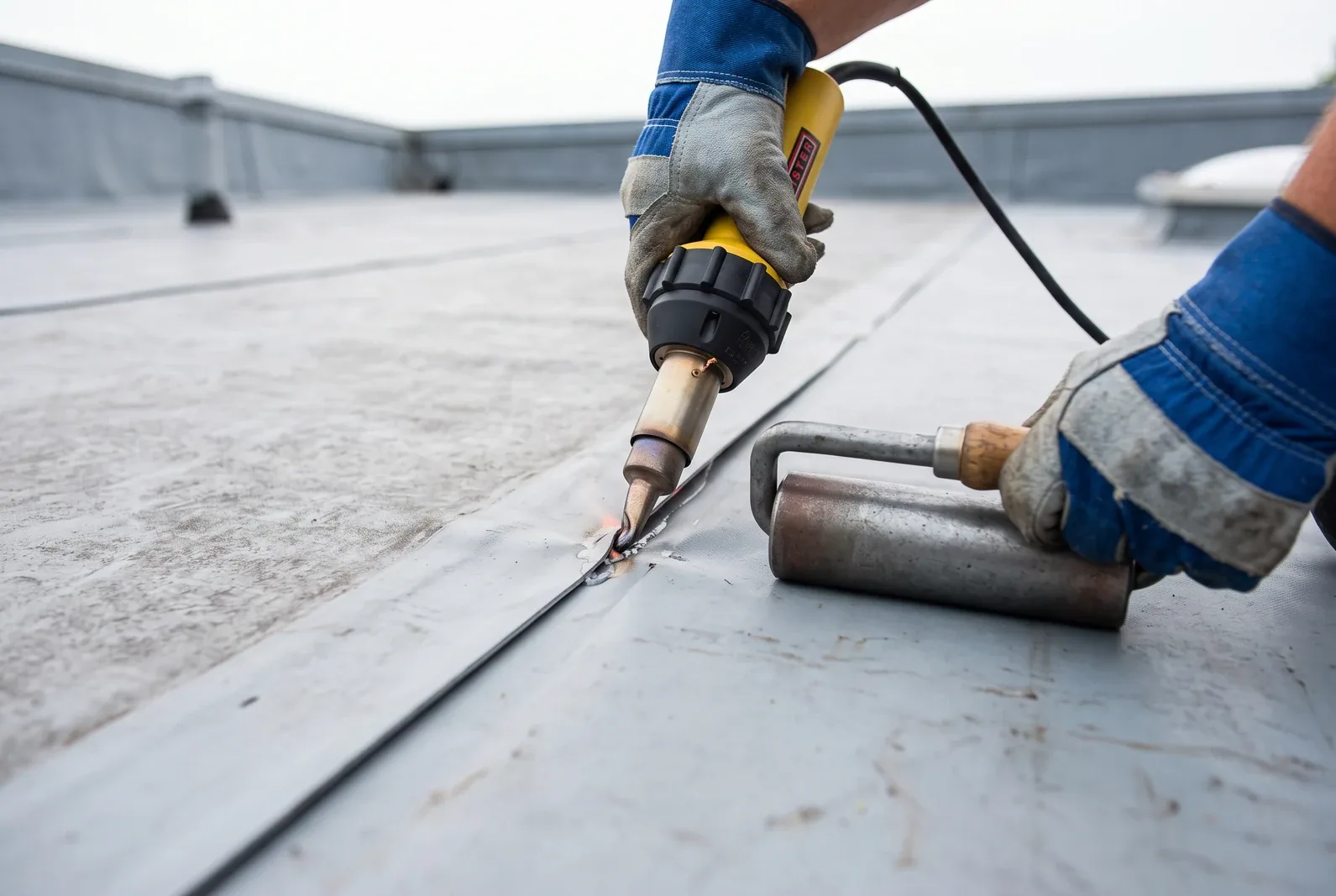
Drainage review follows water from the field toward the outlet. We inspect the drain bowl or scupper, nearby flashing, strainers, low points and seams that may direct runoff toward a wall or curb. Debris removal, a separated connection and a broader drainage concern are different tasks, so the proposal names what is visible and which trade owns any downstream plumbing question. A commercial roof repair should leave the outlet, membrane tie-in and adjacent roof surface working as one detail.
When several symptoms appear together, we compare their locations before expanding the repair area. A ceiling mark beside a low point may focus the walk, but it does not establish that the drain caused the leak. We record the water path we can verify, identify evidence that would change the diagnosis and give the owner a choice between contained work and further testing. That keeps an urgent response useful without treating temporary protection as permanent repair or assuming a roof-wide failure from a single interior report.
Repair choice: compare compatible options
A localized repair can be appropriate when the damaged detail is clear and adjacent material can accept a sound tie-in. We verify the existing membrane or panel, attachment, flashing, substrate and drainage before naming the repair. Repeated distress, widespread moisture or an assembly that cannot support another tie-in can justify a larger replacement review. A commercial roof replacement comparison should state tear-off limits, insulation allowances, edge work and rooftop equipment coordination beside the repair scope.
Recovery and coating are conditional options, not shortcuts around inspection. Where accessible, we record the existing layers and flag wet insulation or unstable material. Drainage, perimeter transitions and roof openings all affect whether a new system can connect to sound details. If the verified assembly supports a TPO roof system, its compatibility, attachment and transition details still need to fit the project. Pricing changes with access, deck repairs, disposal, curbs, tapered insulation and the area the crew can dry in each shift. The written scope separates known quantities from allowances and identifies the discovery that would require a change order or a new decision.
Trade sequence: protect the work window
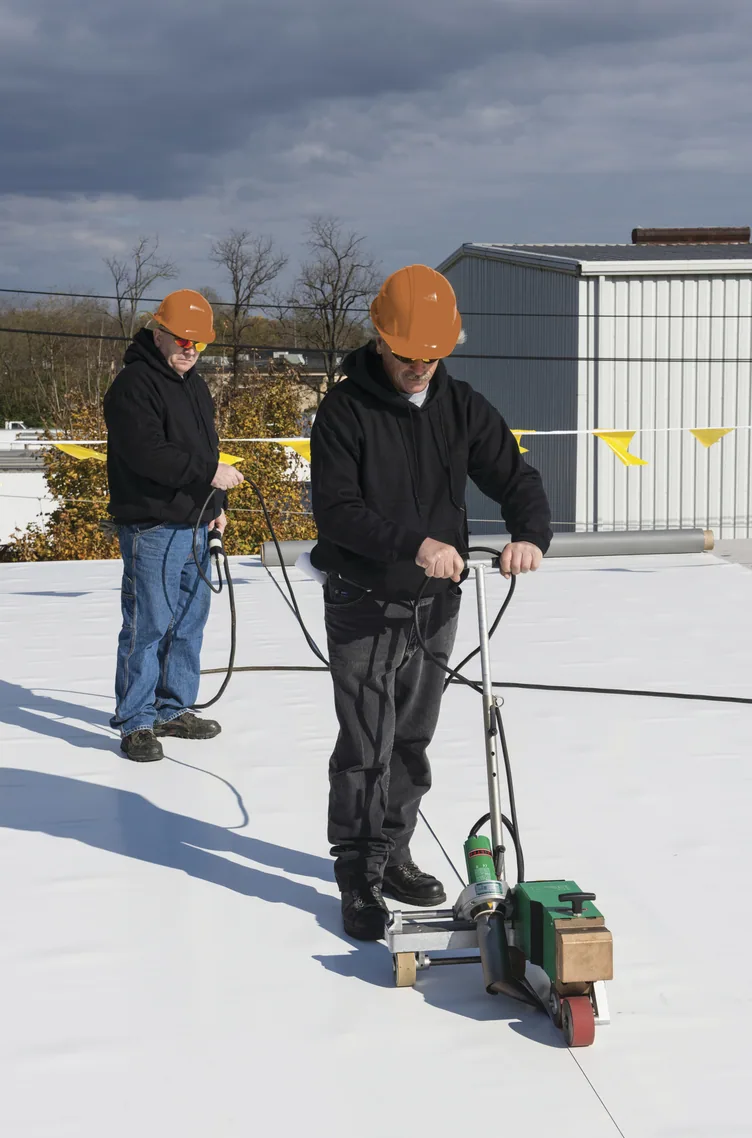
Before mobilization, the superintendent and property contact confirm the approved access point, delivery path, staging limit, work hours and the space directly below the planned opening. The crew then sets a section size that can be opened, repaired and dried in before the weather or site schedule requires a stop. Curbs, conduit and other penetrations need a named handoff so a mechanical or electrical trade does not leave an unfinished roof detail. If hidden damage extends past the approved limit, we document the discovery and pause for direction.
Material delivery follows the prepared work zone. We coordinate equipment movement and temporary protection with the site contact, then confirm which area is watertight before shifting to another task. Where several buildings are in play, each gets its own work window and roof record. For work in the Bryan service area, the superintendent confirms each property's access point, trade handoffs and daily dry-in limit before mobilization. This sequence lets the general contractor align roofing with other trades while preserving a clear stopping point at the end of each shift.
Frequently Asked Questions
What does the Health and Wellness Area Plan cover?
The plan addresses a broader area around multiple places and future improvements. A repair scope begins with the property's confirmed access, roof observations and documented work boundary.
Can roof work be scheduled around medical or office operations nearby?
We set the work window with the property contact and general contractor for the actual building. Access, deliveries, protection below and the section that can be dried in all affect the sequence.
What makes a leak investigation expand beyond one roof area?
We widen the review when the water path, moisture evidence or repeated failures extend beyond the reported mark. The next step is explained before additional material is opened or priced.
When should a replacement be compared with a repair?
That comparison is useful when several zones show distress, concealed moisture changes the repair limit or the existing assembly cannot support a compatible tie-in. We list the evidence and assumptions for each option.
What does the general contractor need before mobilization?
Confirm the property contact, access route, delivery and staging limits, work hours, protection below and trade owner for each penetration. Those details set the opening size and daily dry-in point.
Closeout: leave a traceable handoff
At closeout, we compare completed seams, flashings, drains and penetrations with the agreed repair boundary. Photos show the finished connection and enough nearby roof to locate it on a later walk. Notes identify materials installed, sections left untouched, temporary measures removed and any follow-up inspection still recommended. If the roof had to stop at a temporary dry-in, the record says where that limit sits and what work remains before another trade can use the opening.
For a property team comparing work in Bryan with another district, maintain separate observations for each building. The property contact identifies the area of concern and access constraints before scheduling. On site, we trace visible conditions, list unanswered assembly questions and recommend a next step the GC can sequence.
Arrange a Bryan district roof walk
Send the facility use, reported roof problem, existing inspection records and preferred visit time. We can identify affected roof zones, set temporary protection and agree on the repair limit and trade sequence.