Home / Service Areas /
Commercial Roofing in Downtown Caldwell, TX
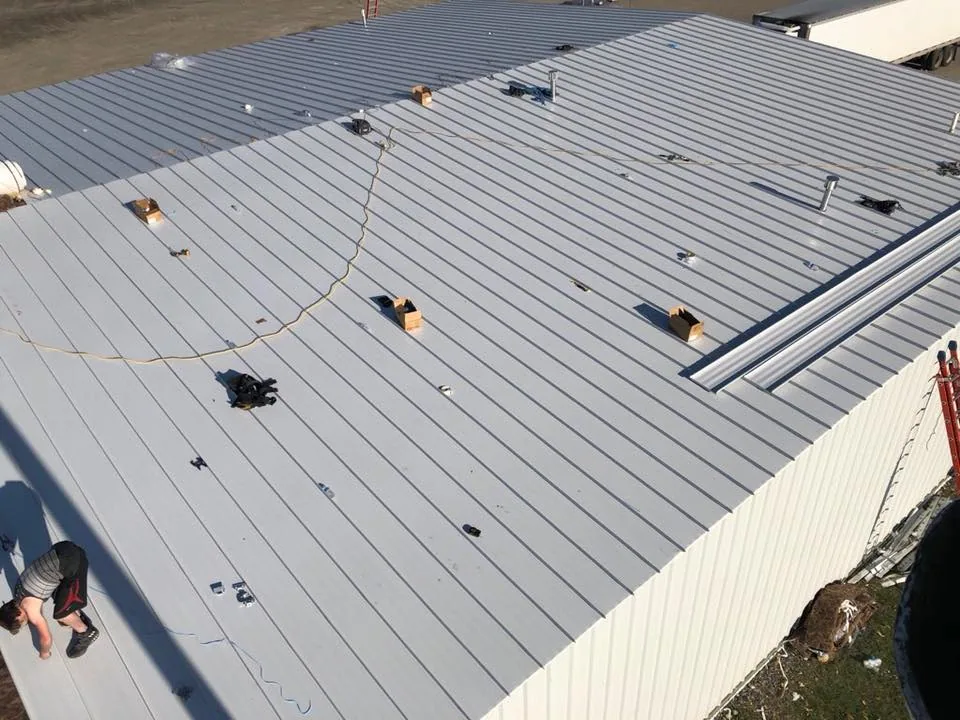
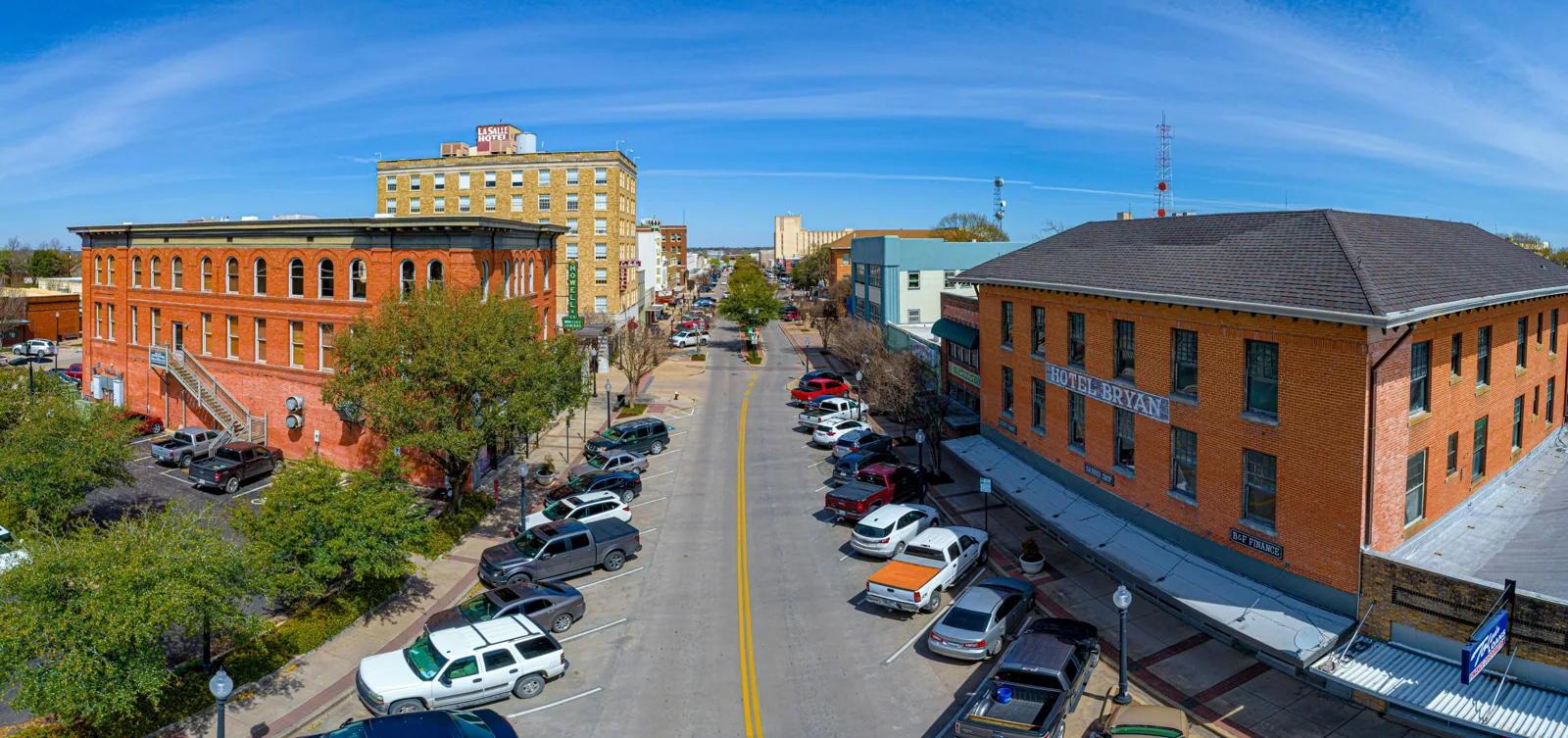
We inspect commercial roofs in Caldwell by mapping the assembly, water path, storefront access and approval contact before setting a work window. In the designated historic downtown Main Street area, the retail recruitment and retention program and facade work for storefront restoration and awnings can affect staging; roof work follows its own inspection and repair scope. A commercial roof inspection records the roof conditions and access needs, while the building contact coordinates any separate facade work.
Storefront scheduling: protect finishes and access
Before setting a repair date, we ask the owner or manager to identify opening hours, delivery periods and any entrance that must remain clear. A small work area can still affect customer circulation when tools or materials pass through a shared entry. We agree on a staging location, protect nearby glazing and finishes where the work path requires it, and confirm how the crew will move debris out of the building. The property contact receives a simple sequence for setup, active roof work and daily closeout.
If a storefront restoration or awning project is underway, the roofer and facade contractor should identify their respective tie in points before either scope begins. Roof work unrelated to facades is excluded from the program, making separate scopes necessary before estimating any proposed storefront and roof changes. We document the roofing scope independently, flag conditions that may affect the facade, and request direction before changing another trade's work. For properties with multiple suites, each occupant can receive notice of the approved route and expected work period without promising an exact completion time that weather or concealed conditions may change.
Storefront and roof scope: keep them distinct
Downtown businesses may depend on clear entrances, visible storefronts and predictable deliveries. Before a crew arrives, we confirm which door, alley or service route the property contact has approved, where materials may be staged and what hours can accommodate the work. The Main Street facade program supports restoration and awnings, but roof work unrelated to facades is excluded. That distinction matters when a project combines exterior improvements with a separate roof repair or replacement. We define the roofing contract boundary, identify the party responsible for each trade and avoid presenting roof work as a covered facade improvement.
For a property with several occupants, the superintendent can share a short notice describing the work zone, temporary access changes and expected noise. We keep pedestrian circulation and emergency exits clear, protect merchandise and interior finishes below the work area, and coordinate any lift or delivery with the site contact. Crews working in Bryan can be scheduled around a Caldwell visit, while the building-specific plan remains tied to Caldwell approvals and the actual roof conditions.
Water path: trace it from the roof assembly
A ceiling mark is a starting point, not a repair boundary. We inspect the surface above it, then trace likely entry paths through seams, penetrations, curbs, wall transitions, drains and perimeter details. On a low slope assembly, water may travel before it appears inside, so we compare the reported location with roof geometry and recent maintenance records. Photographs and notes record the observed condition, the area that was accessible and any concealed layer that could not be confirmed.
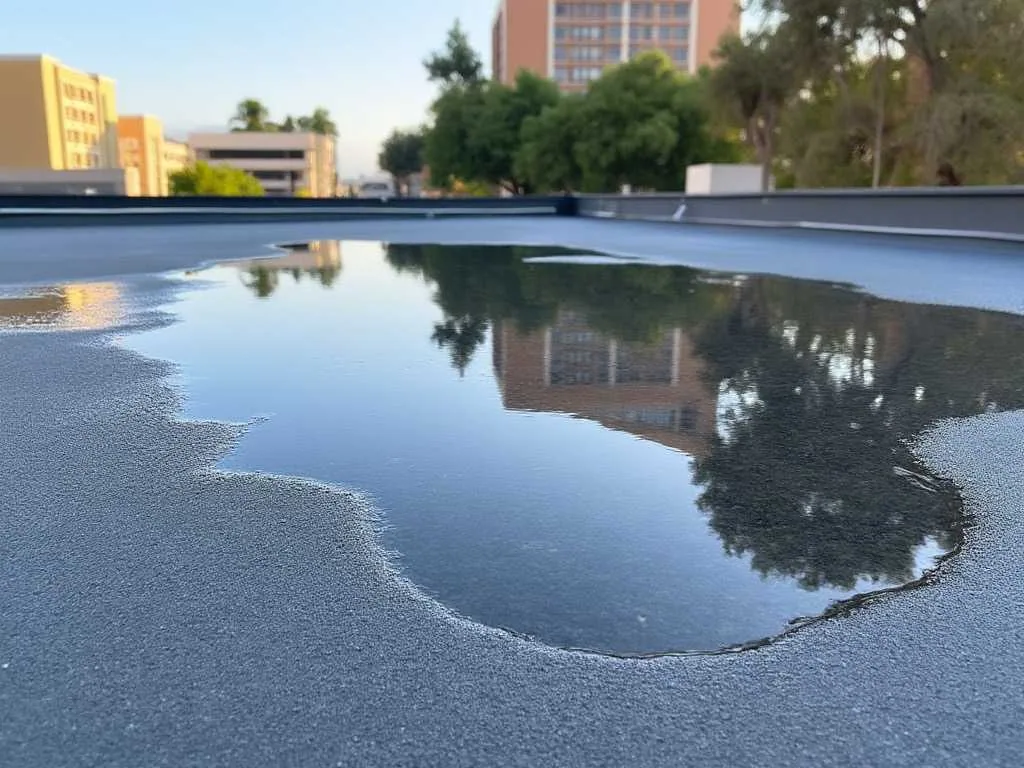
Our commercial roof repair review separates immediate protection from permanent correction. If an opening is active, we identify a safe temporary measure and assign follow up inspection rather than implying a tarp resolves the underlying defect. We also examine roof drains and scuppers for blockage, damage and visible ponding evidence. The report distinguishes a clear finding from a possibility that requires testing, destructive investigation or another trade, so a property manager can approve work with an understandable scope.
Occupied rooms: protect them during the work
A downtown roof project can affect customers, staff, deliveries and nearby tenants even when the roof itself is not visible from the street. We agree on a work window, safe access point and daily check in contact before mobilization. If a roof opening is required, the crew stages materials and protection first, limits the exposed area and closes it against weather before leaving. Interior protection is placed where the work warrants it, and the property contact is told when a condition changes the planned sequence.
For storm related concerns, an assessment of wind damage records displaced edge metal, lifted material, punctures and other visible conditions without assuming every symptom has the same cause. Dated photos, measurements and repair notes give the owner or authorized representative a clear record to discuss with the insurer and use when deciding which work to authorize. For adjacent buildings, the crew confirms access and staging separately instead of treating the block as one operating property.
Repair options: match them to the existing system
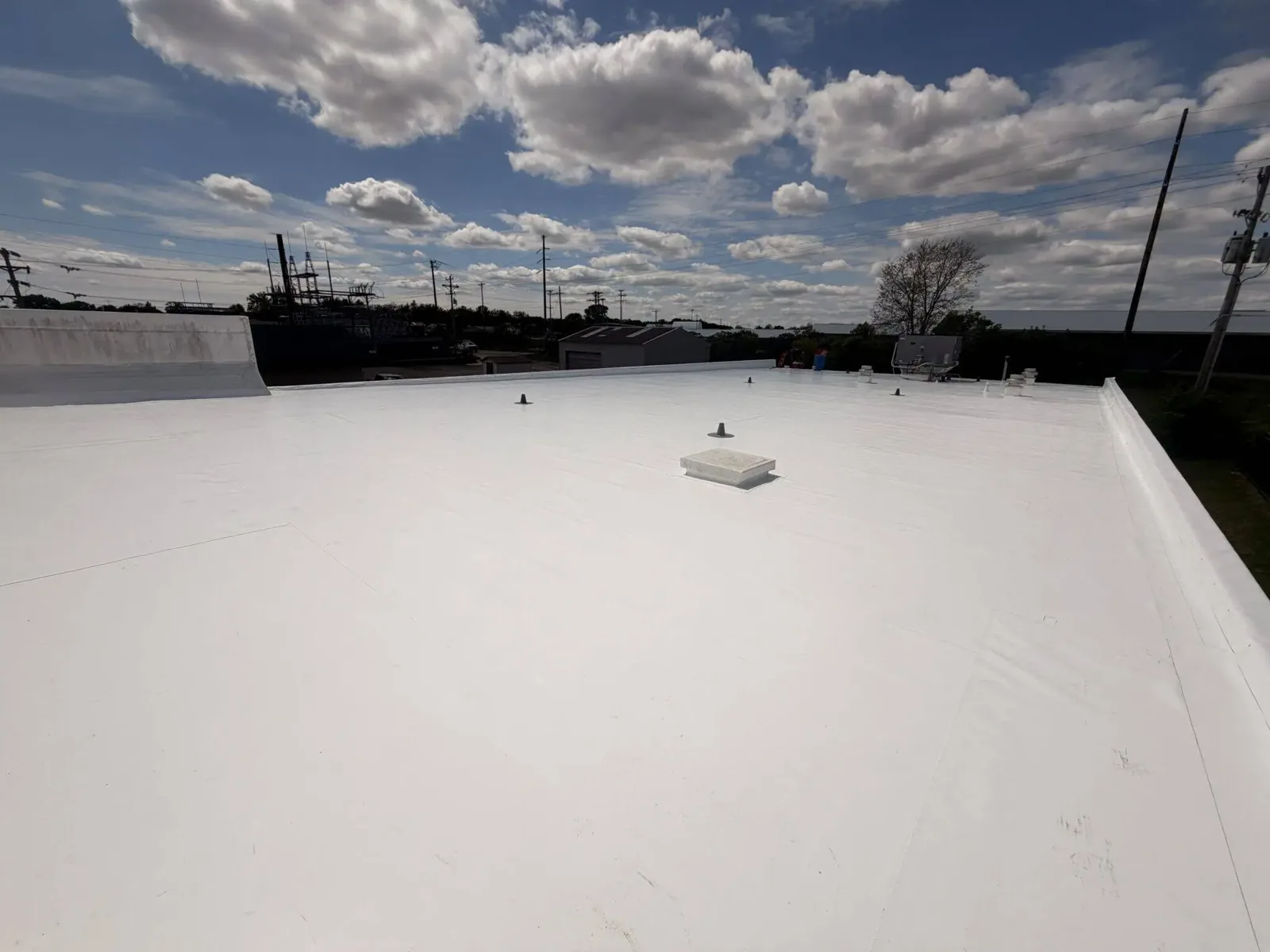
Before recommending coating, repair or replacement, we identify the existing roof type and the condition of its surface, seams, edges, insulation and drainage. A modified bitumen system review is relevant only when that assembly is present or being considered. Compatibility, attachment, wet insulation, deck condition and code requirements can change the practical choice. If portions are concealed, we record the limit and explain what additional opening or testing would answer the question.
A useful proposal names the work area, preparation, materials, tie ins, protection and closeout records. It also distinguishes included work from allowances, exclusions and conditions that need owner direction. The roof condition report can organize observations by location and urgency, and occupied storefront work in Downtown Bryan follows a similar access routine. Each recommendation still follows the Caldwell property's documented conditions rather than a generic neighborhood assumption.
Frequently Asked Questions
Does the Caldwell Main Street facade program cover roof work?
Roof work unrelated to facades is excluded from the facade program. We define roofing work separately and recommend confirming eligibility directly with the City.
What should I share before a downtown roof inspection?
Provide the property contact, building use, reported leak area, roof access point, any access restrictions and a suitable visit window. Photos can help us prepare.
Can you identify the source of an interior leak?
We trace the report against roof seams, penetrations, edges and drainage, then document visible evidence. Concealed conditions may require testing or an approved opening.
How do you limit disruption to storefront operations?
We agree on access, deliveries, staging and work hours with the property contact, protect the work area and coordinate any change that affects entrances or occupants.
What is included in a roof condition report?
The report can record observed conditions, photographs, accessible areas, repair priorities and open questions. Contract scope determines whether testing or corrective work is included.
Closeout: close with a property-specific record
At completion, we review the repaired or replaced area with the designated contact, photograph visible details and list any follow up item that remains open. The closeout record can include product information, maintenance guidance and warranty documents when those are part of the contract. We identify who should receive the files and how urgent water intrusion should be reported. When a facade contractor is active, confirm which trade owns each transition and record the handoff before either scope begins.
For a larger project, the next phase may include a commercial roof replacement plan, but only after inspection supports that direction. A repairable area should not be expanded into replacement without explaining the evidence and options. Property teams can request a site visit with the building use, roof concern, access contact and preferred window. That information helps us prepare a focused review and coordinate a safe sequence with tenants, neighboring occupants and other trades.
Plan a Downtown Caldwell roof visit
Share the building use, roof concern, property contact and approved access window. We can coordinate an inspection and define the next roofing task.