Duro-Last Roofing in Bryan, TX
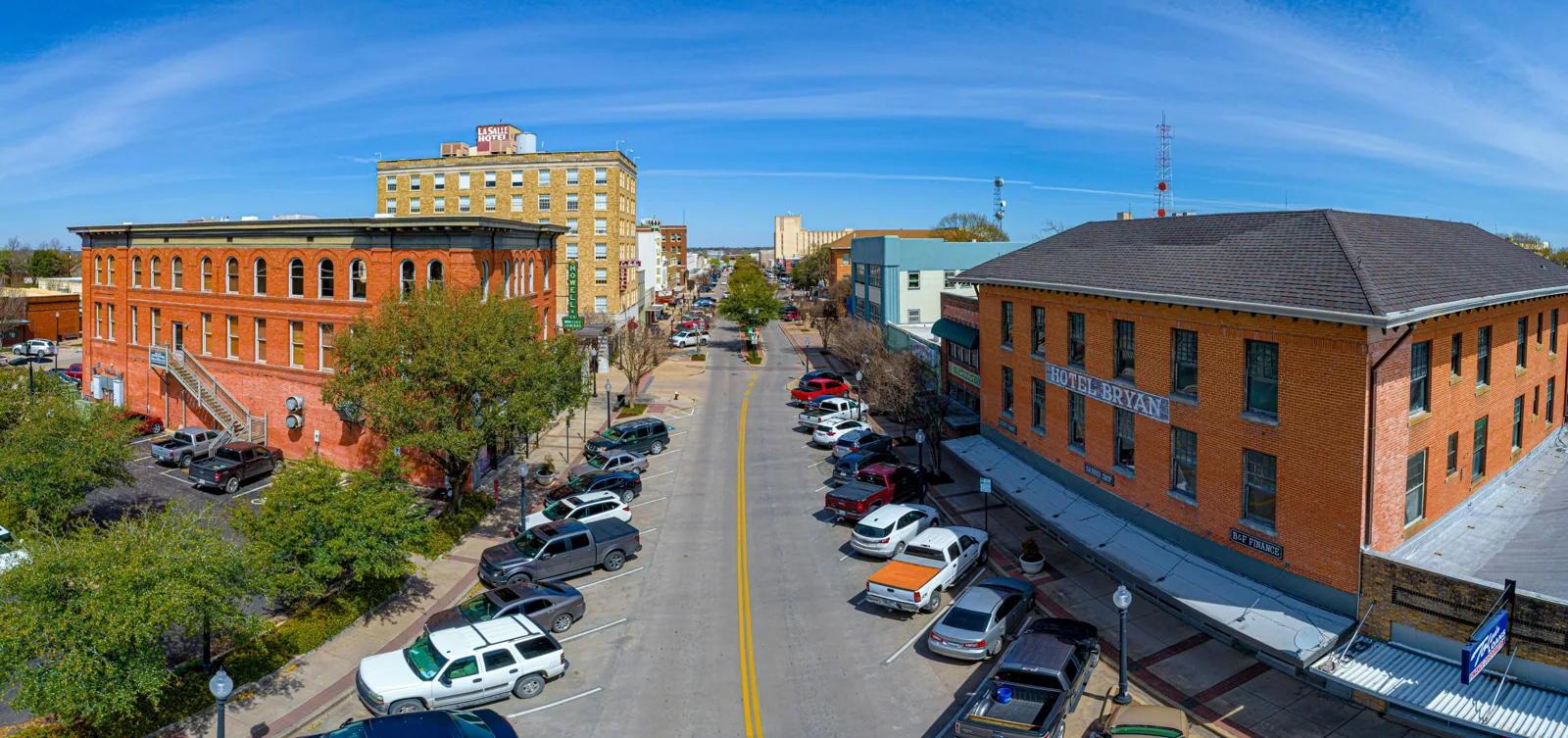
Bryan, TX hail calls for a roof review that distinguishes surface impact from a seam or flashing that needs repair. During the April 8, 2021 storm, the Bryan-College Station area received significant hail, with reported diameters of 1 to 2.75 inches. On a Duro-Last system, we identify the membrane, attachment, edge details and present condition before choosing a repair, restoration or replacement path. The manufacturer builds a PVC single-ply system with custom-fabricated components, so the assembly deserves a detail-by-detail inspection rather than a decision based on the brand name. A commercial roof inspection in Bryan starts with the roof condition and the next work window.
System fit: identify the installed Duro-Last assembly
Duro-Last's core commercial system uses PVC membrane, with custom-fabricated deck sheets available alongside roll goods. The manufacturer's fabrication process can complete many field seams before material reaches the jobsite, and its accessory range includes details for transitions and penetrations. That changes what we verify in the field: panel layout, factory seams, field welds, perimeter terminations and the point where a prefabricated detail meets the roof. Before mobilization, we compare the roof drawing with field measurements and confirm how sheets turn at parapets, curbs, drains and equipment bases. A small dimensional change can move a prepared seam toward an obstruction, so layout and field tie-ins need review before material is cut or staged. A missing or modified accessory must be assessed in place instead of assumed to match a catalog drawing.
We record whether the roof uses PVC, a fleece-backed option or another membrane family, then check the deck, insulation, attachment and drainage beneath it. A label on an older service record may not describe patches, coatings or later work now on the surface. When the assembly is still uncertain, a PVC roof assembly review can organize the questions around substrate, seams and tie-ins. Compare those findings with the GAF system options or Carlisle-SynTec membrane families only when the specification allows another manufacturer.
Storm inspection: map seams, edges and penetrations
Hail can leave a mark in one roof area while wind-driven water exposes a separate weakness at a curb, drain or wall transition. We photograph the reported impact, inspect the surrounding membrane and check whether a seam remains suitable for welding. Edge securement, scuppers, pitch pockets and rooftop equipment flashings each need their own look because they carry water or wind forces differently from the field sheet. The repair map separates visible damage, active water entry and locations that need a test or follow-up inspection.
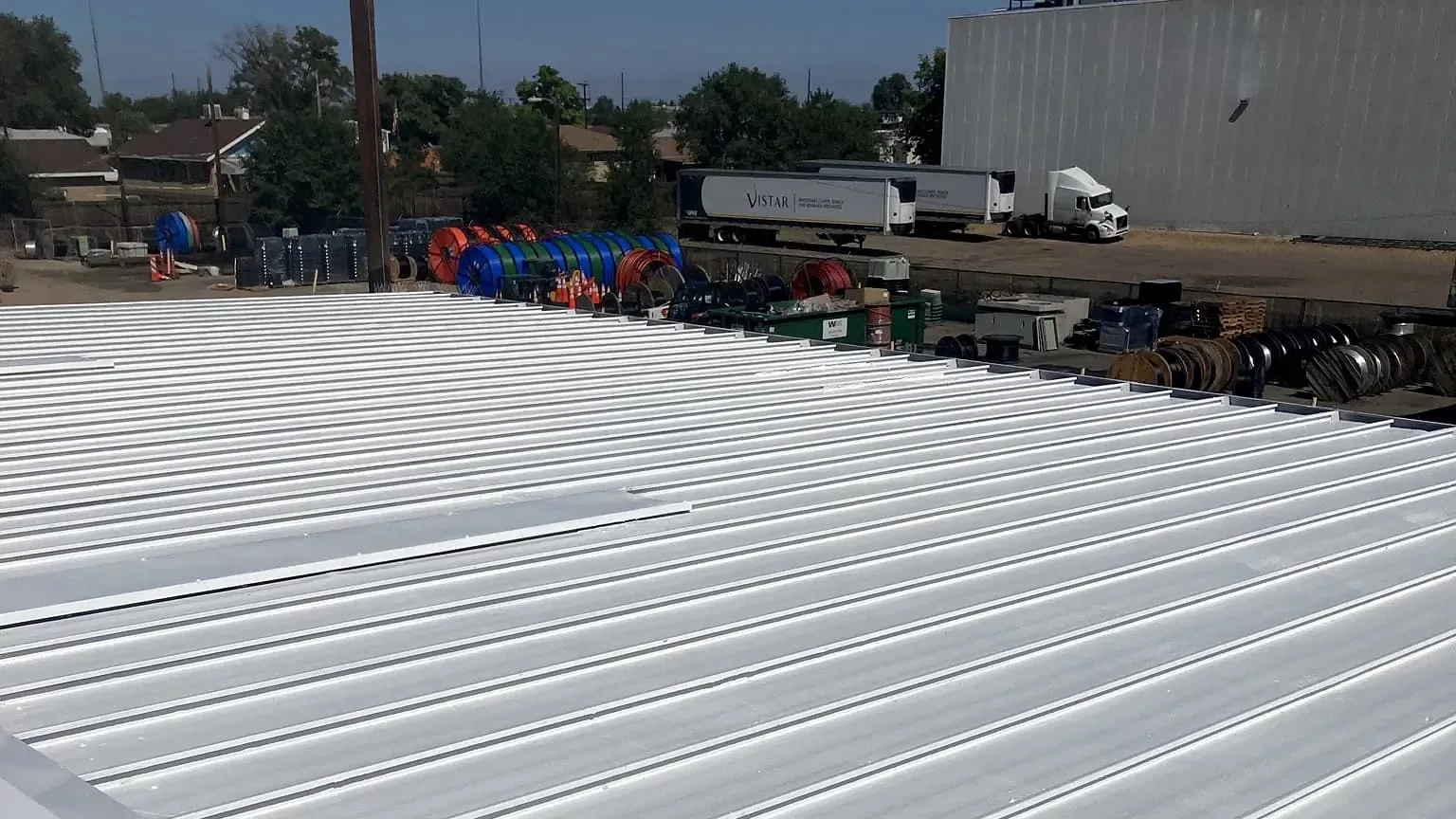
Some Bryan industrial tenants operate around freight and production schedules, so confirm each site's access path before bringing membrane repairs onto the roof. Northeast of town, Texas Triangle Park connects an industrial setting to rail; the property contact can confirm delivery timing and staging rules for that address. We confirm site rules with the property contact, then mark which roof sections can be accessed and how temporary dry-in will be handled. A photo-based inspection gives maintenance a record to compare with later observations.
Repair boundary: restore the weldable surface
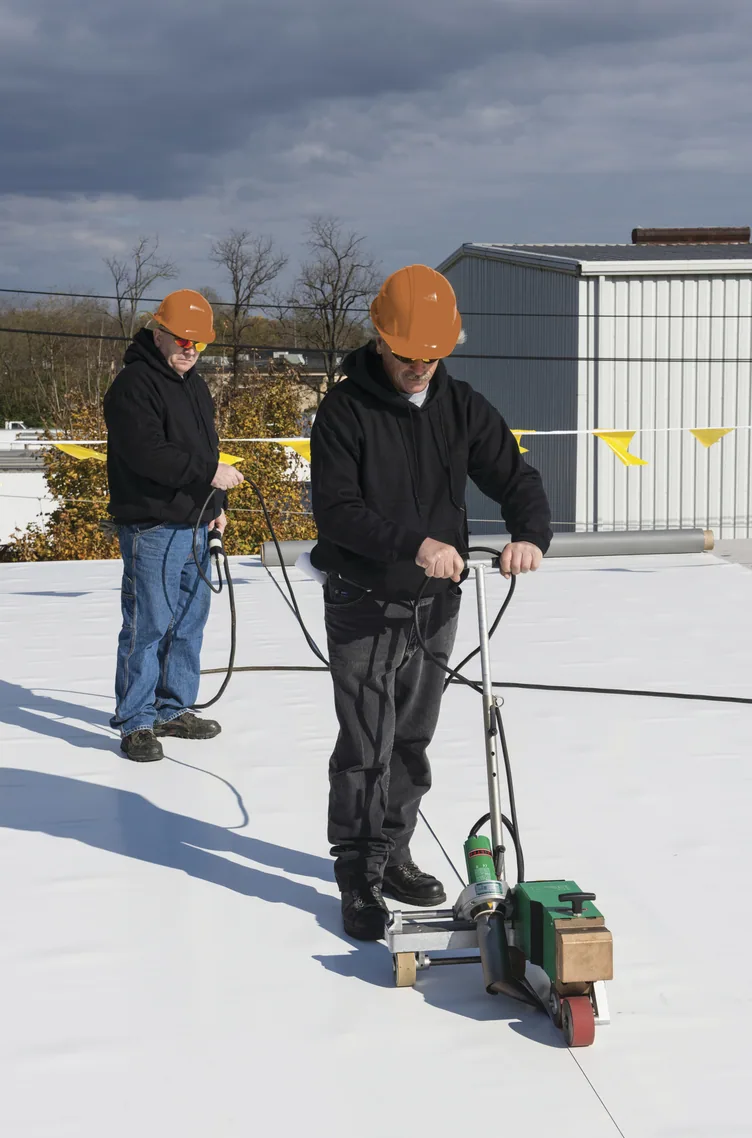
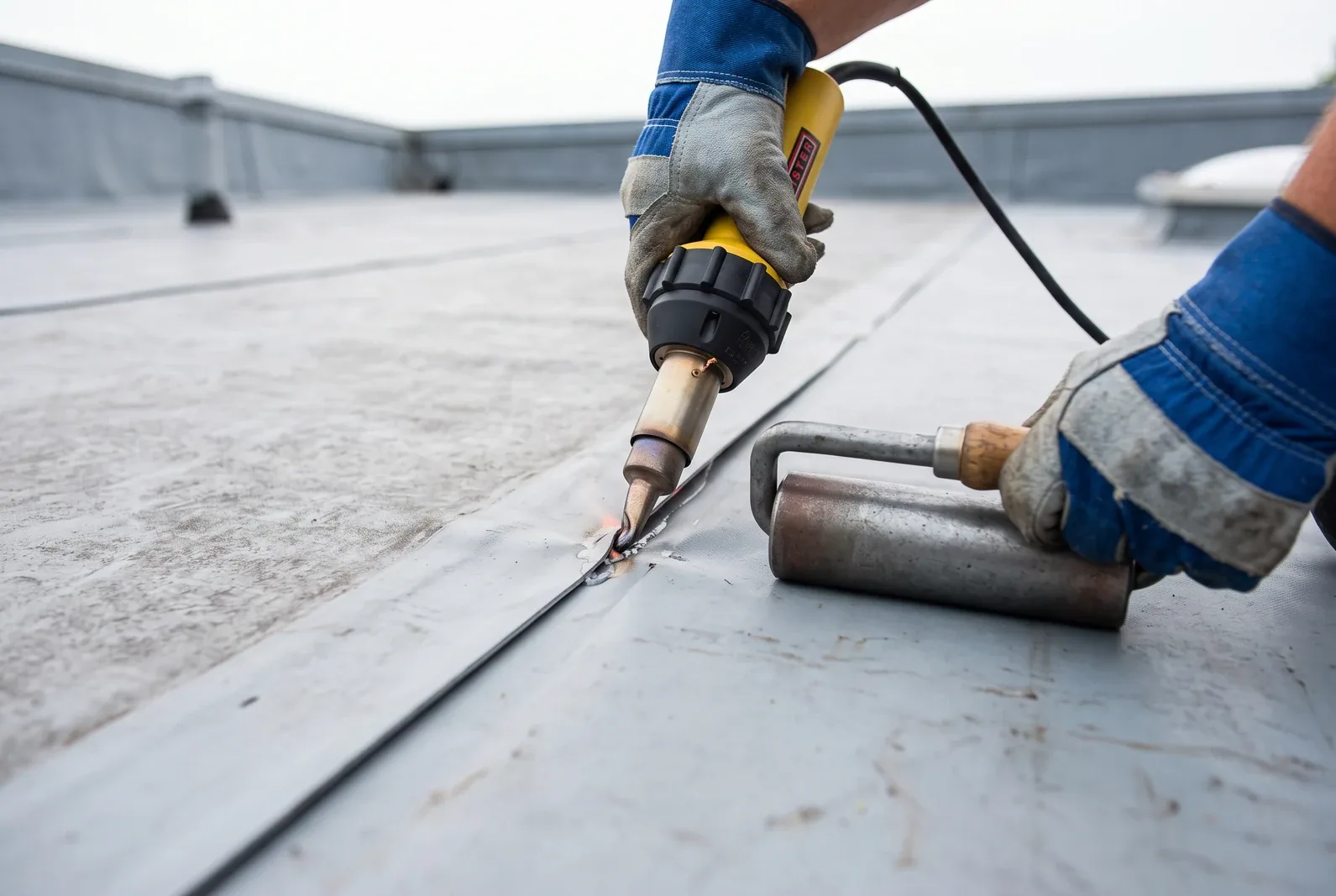
A durable PVC patch starts with a clean, compatible membrane and sound material beyond the damaged point. We remove contamination as required, check the surface for prior coating or incompatible repair products, and prepare the area so the patch can be welded. The repair must close around the puncture or split and tie into stable field membrane without trapping moisture or covering an unresolved defect. If the damage reaches insulation or deck, the scope identifies what must be opened and replaced before the membrane is closed again.
At factory-fabricated transitions, a repair may involve a boot, corner, curb wrap or drain detail rather than a plain field patch. We inspect the existing accessory and how its membrane skirt meets the surrounding sheet, then set the repair boundary around material that can accept the work. A commercial roof repair scope names preparation, patch size, flashing treatment and closeout checks. If a seam has already been altered or over-coated, a restoration evaluation should follow an adhesion and compatibility review, not cover over a detail that still needs correction.
Replacement review: compare recover and tear-off
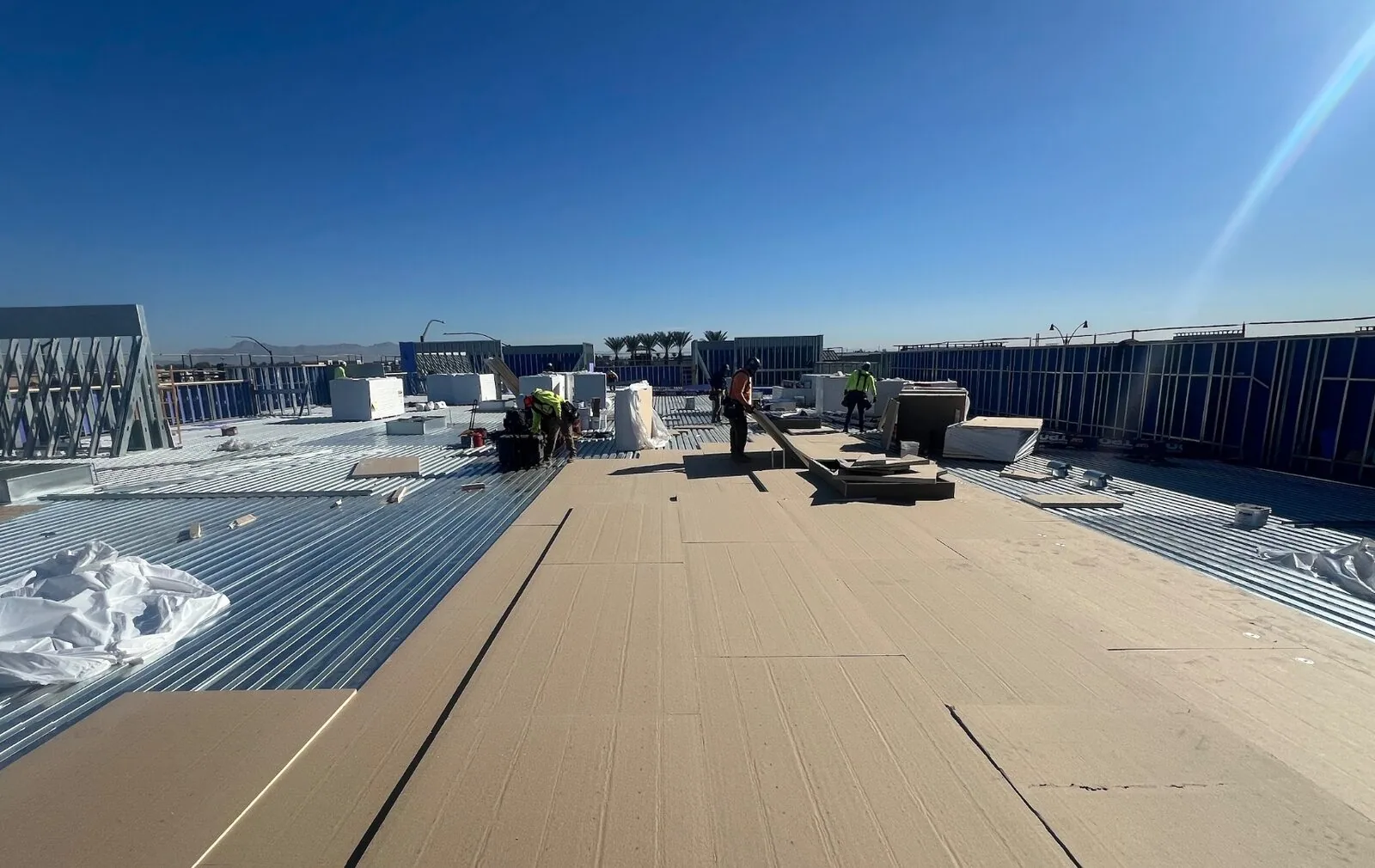
Replacement becomes a broader decision when water has reached insulation, attachment is failing, or repeated repairs no longer address the affected roof area. We inspect representative sections, document what can be seen, and use test openings when the retained layers remain unknown. A recover proposal should account for existing system integrity, added load, drainage height and compatible underlayment. If the roof does not support another layer, the scope can show removal, substrate repair, insulation and new membrane as distinct work items.
Duro-Last's custom-fabricated components can reduce some field fabrication, but they do not remove the need to verify dimensions, attachment, edge metal and transitions before ordering. The roof plan should identify drains, parapets, curbs and changes in deck so the delivered details match the actual assembly. For a roof-finish replacement inside Bryan, city procedure puts the building-permit application with the roofing contractor and calls for municipal inspection after installation. We carry both checkpoints in the work schedule. A replacement plan sets the dry-in boundary and trade handoff, while the recover scope tests whether existing layers can remain.
Closeout and maintenance: keep the next visit specific
At closeout, we check welds, flashings, terminations, edges and drainage against the repair or replacement scope. Photographs show the completed area and any condition that remains open for another visit. The building file should identify the membrane family when known, material used for each repair, locations of test openings and details that still need monitoring. That information helps the next inspection distinguish an earlier patch from factory-fabricated components and limits guesswork when a new leak is reported.
Routine maintenance can clear debris from drains, inspect seams and check flashings after rooftop equipment work. A roof should also be reviewed after a storm or when a new penetration changes the water path. We can schedule a preventive roof visit with an agreed access window and a condition report that ranks repair needs by roof section. If the property sits near Bryan's industrial parks, the manager can coordinate the delivery path and work zone before material arrives; the roof condition itself still determines the repair.
Frequently Asked Questions
How do you decide whether an existing Duro-Last roof can be repaired?
We identify the membrane and inspect the damaged area, seams, transitions and surrounding substrate. A repair is suitable when the patch can bond or weld to compatible, sound material and any wet insulation or deck is addressed in the scope.
What is different about a custom-fabricated Duro-Last system?
Many seams and details may arrive prepared for the roof layout, which can reduce field fabrication. We still verify dimensions, seam condition, accessory fit and the tie-in to existing materials before closing a repair or setting a new section.
Can a Duro-Last roof be recovered instead of removed?
Possibly, when the existing assembly is sound enough, compatible layers can be used and drainage and added load remain acceptable. We check the roof and local requirements before pricing a recover; otherwise the proposal separates removal and replacement work.
What happens if a leak is near a curb or drain?
We inspect the accessory, membrane skirt, welds and adjacent field sheet, then trace the water path beyond the visible mark. The repair scope identifies the flashing or drainage work needed instead of treating every leak as a simple sheet patch.
Which closeout steps apply when the roof finish is replaced?
For a finish replacement inside Bryan's municipal boundary, city procedure has the roofing contractor file for a building permit and the completed work receive a final city inspection. We add both checkpoints to the job sequence.
Set the next Duro-Last roof visit
Share the existing membrane if known, the reported roof condition, building use and available work window. We can arrange a walk, mark the repair boundary and agree on the next roofing task.