Insurance Restoration Commercial Roofing in Bryan, TX
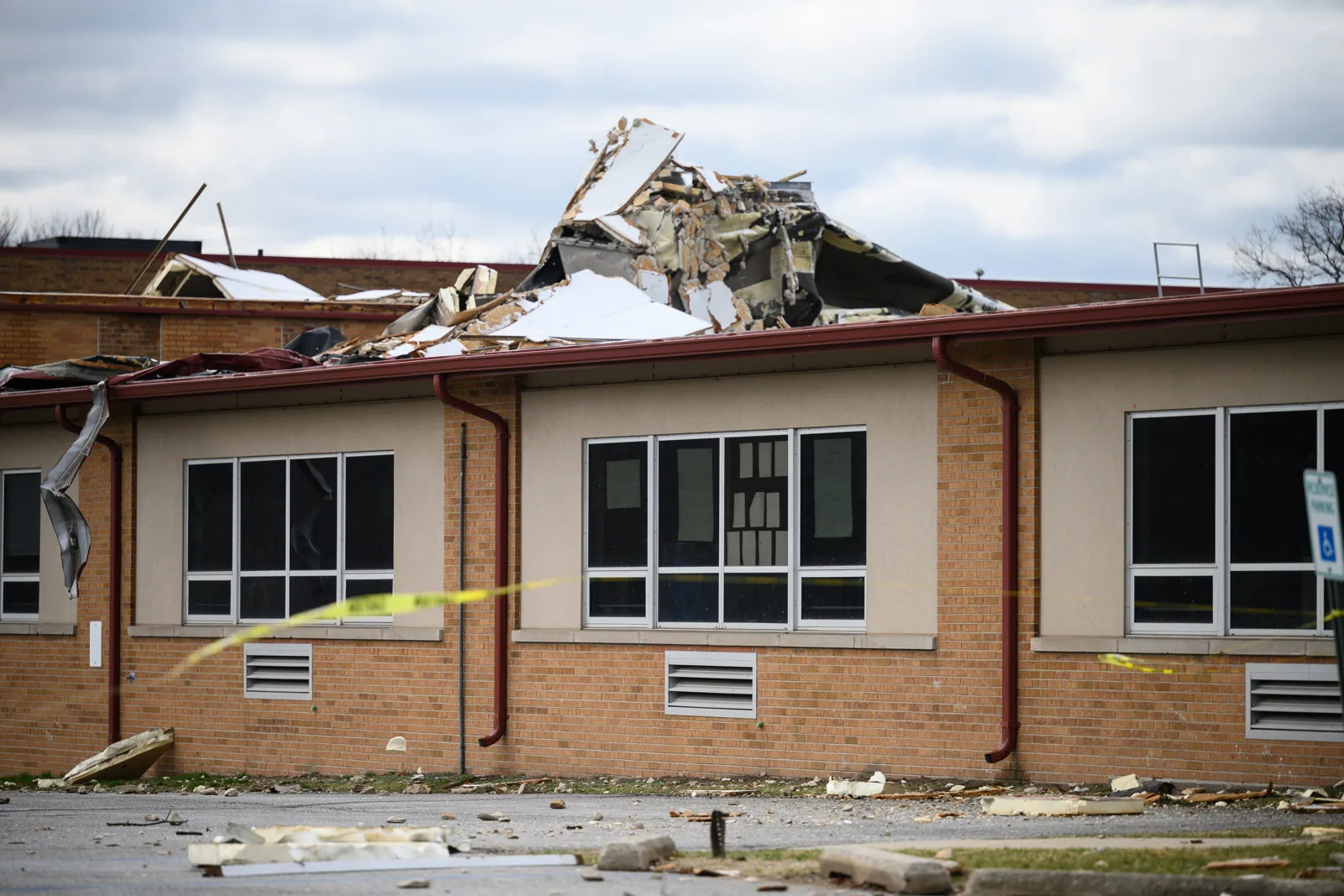
Storm restoration starts with the roof condition and the next safe work window. Brazos County’s 2019 EF-2 tornado damaged a house plus four commercial buildings or warehouses after touching down approximately four miles east of Bryan. The April 8, 2021 storm also brought 1-2.75-inch hail reports around Bryan-College Station, where the most significant hail fell from 9 to 9:30 p.m. A commercial claim may involve punctures, loosened edge metal, wet insulation or interior leakage, so we document visible conditions, identify openings that need protection and separate immediate stabilization from the permanent scope.
For insurance restoration work, the useful handoff is specific: where the membrane or metal is affected, what evidence supports each repair, and how the roof will be closed before weather returns. Our commercial roofing work in Bryan begins with the roof, the building use and the proposed work window.
Roof evidence: record what the surface shows
Hail can mark a membrane, damage metal components or stress seams and flashings. Wind can disturb perimeter details, lift loose edges or move debris across the working surface. The inspection records each observed condition by roof area, with photographs that show the detail and a sketch or roof plan that makes it locatable later. We distinguish a confirmed opening from a suspect area that needs testing, so the first work order does not overstate what the inspection found.
Interior reports help direct the roof walk, though water can travel before it reaches a ceiling. We compare reported leaks with drains, seams, penetrations, curbs and transitions above. Moisture readings or infrared review may help identify areas for a test cut when conditions support that method; a selected opening verifies the layers at that point. A commercial roof inspection can provide a repair map that connects roof observations to the locations the building team reported.
Record temporary protection separately: the covered opening, material used, area protected and next check. This creates a handoff between emergency response and permanent repair. When the weather window is short, mark the boundary that can be closed before exposing more roof.
Repair boundary: distinguish damage from existing wear
A claim scope should identify what the roof evidence supports. We note punctures, split seams, displaced flashing, damaged edge details and wet insulation separately from aged sealant, prior patches or conditions outside the reported event area. When a condition cannot be confirmed from the surface, we state the test or opening needed to resolve it and keep that work separate from the confirmed repair.
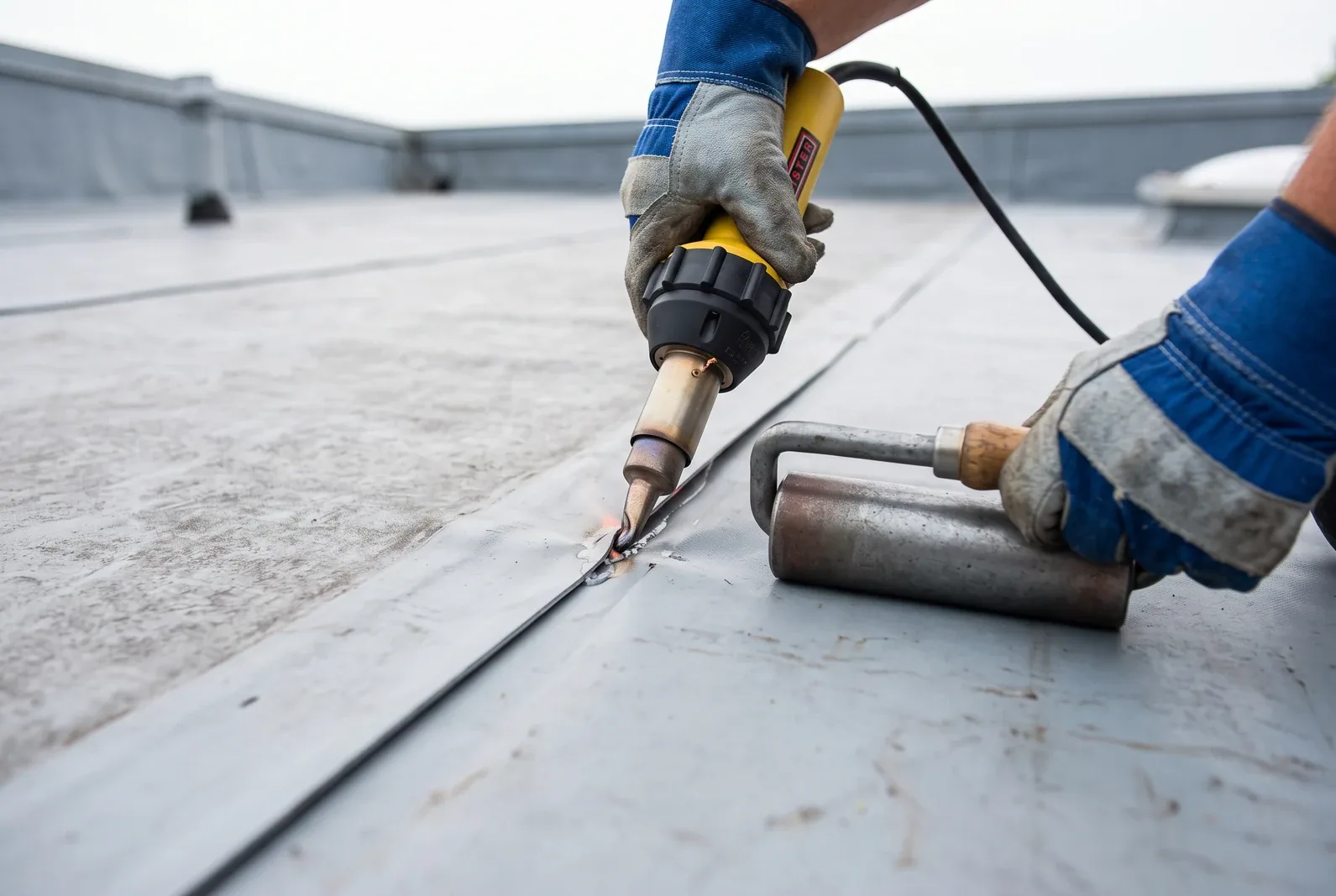
The roof assembly determines what can be repaired. TPO and PVC seams are prepared and welded using compatible materials; EPDM and modified bitumen need their own patch methods and surface preparation. Metal panels require attention to fasteners, laps, clips, penetrations and movement. If water has reached insulation, the repair boundary may need to extend to dry material and sound deck. The commercial roof claim assistance should distinguish emergency covering, investigation and permanent work rather than blending them into one broad allowance.
We mark each affected section on the roof plan and show how the tie-in will close. A patch fits when sound membrane remains and compatible material can bond. Broader repair, recover or replacement may suit multiple damaged areas, concealed moisture or failed transitions. The commercial roof repair scope identifies preparation, flashing and the work boundary.
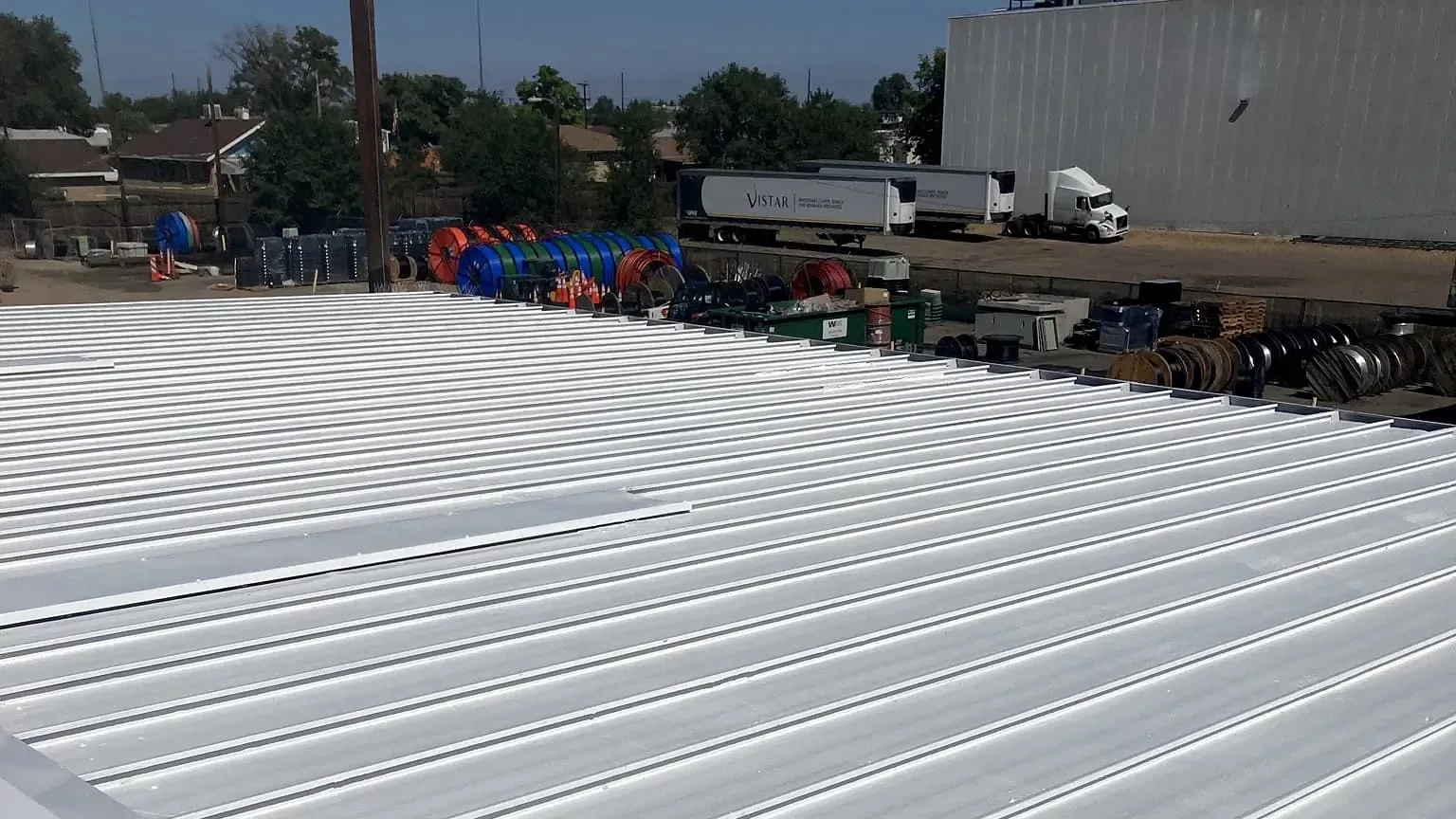
Work option: price stabilization and permanent restoration separately
Emergency stabilization protects the building while the permanent scope is reviewed. Around-the-clock response can address active openings, temporary dry-in and water entry, including nights, weekends and holidays. The first visit should capture the condition before covering it when safe and practical, then record what the temporary measure changes. Stabilization does not establish the final repair quantity; it creates a controlled roof surface for investigation and planning.
For a repair, the estimate describes the area to be opened, preparation, compatible membrane or metal components, flashing details and cleanup. For a recover, we verify that the existing assembly, moisture condition, drainage and added load allow another system. If those checks do not support retention, removal and replacement may be the clearer scope. A commercial roof replacement estimate can separate tear-off, substrate correction, insulation, attachment, perimeter details and closeout inspections.
Access, staging, transitions, wet insulation, material compatibility and available work windows affect price and timing. An opening can reveal a larger repair boundary. We agree on the approval point, document exposed layers and price added work before proceeding, keeping confirmed work separate from later findings.
Trade sequence: close each opening before the next handoff
Restoration often shares a roof with mechanical, electrical or interior work. Before a curb, conduit or rooftop unit is moved, we identify the trade responsible for disconnecting and resetting it, the temporary protection needed, and the roofing tie-in that follows. The work plan divides the roof into areas that can be opened and dried in during the approved window. This helps the general contractor coordinate the roof without leaving an unfinished penetration for the next shift.
On an occupied commercial site, confirm the delivery route and roof access with the building contact, then sequence lifts and material drops so they do not block the active work zone. In a multi-trade restoration, we record the start point, stop point and person receiving the handoff. A general contractor coordination plan can keep roof work aligned with mechanical resets, interior drying and follow-on finishes. For a portfolio-level handoff, a property management roof program can keep access and records consistent across buildings.
Weather sets the daily exposure limit. We mark the dry-in boundary and protect unfinished transitions if conditions interrupt work. The scope records the temporary measure and return task, giving the next trade a clear point where access can resume.
Closeout record: give every finding a disposition
At completion, the record should connect the inspected area to the work performed. We photograph completed repairs, note concealed areas that were opened, and mark conditions that remain for follow-up. Product and repair details belong with the roof sketch, along with any approved scope changes and inspection notes. A photo-backed roof condition report gives the owner and restoration team a durable record for future maintenance and later comparisons.
The closeout record gives the building team a reference for later maintenance: storm date, inspected roof area, observed damage, temporary protection and completed repair. We coordinate any return visit around the access route and trade sequence supplied by the building contact.
Send the reported leak locations, roof system if known, storm date, access constraints and proposed work window. We can arrange a walk, separate emergency protection from permanent work, and provide a roof map with findings, limits and next actions. If a hidden layer changes the repair, we document the opening and revised boundary before proceeding. That gives the general contractor, property team and restoration participants a shared sequence for the next roofing task.
Frequently Asked Questions
What should the first storm visit document?
Start with active water entry and openings, then map seams, edges, penetrations and nearby interior reports. We photograph the condition before temporary cover when safe, identify each immediate protection step and note what still needs testing.
Can emergency work proceed before the full claim scope is settled?
Yes. We can stabilize an opening and record the temporary measure while the permanent boundary is reviewed. The work record distinguishes protection from completed repair so later decisions can use the exposed roof condition.
How do you separate storm damage from an older roof condition?
We document visible damage, prior repairs, aging details and concealed areas as separate findings. If the surface cannot answer the question, we identify a test opening or additional inspection rather than assigning a cause without evidence.
What changes a repair into a replacement scope?
Extent, wet insulation, attachment, deck condition, drainage and the ability to tie into sound material all affect the choice. We show the confirmed repair area and explain what additional investigation would be needed before expanding it.
What information helps coordinate restoration with other trades?
Share roof access, equipment moves, interior drying needs, loading constraints and the planned work window. We identify who owns each disconnection and reset, where each roof opening closes, and what handoff follows.
Set the next restoration roofing task
Share the reported roof areas, building use, access limits and preferred work window. We can arrange a roof walk and define the stabilization, investigation or permanent repair needed next.